












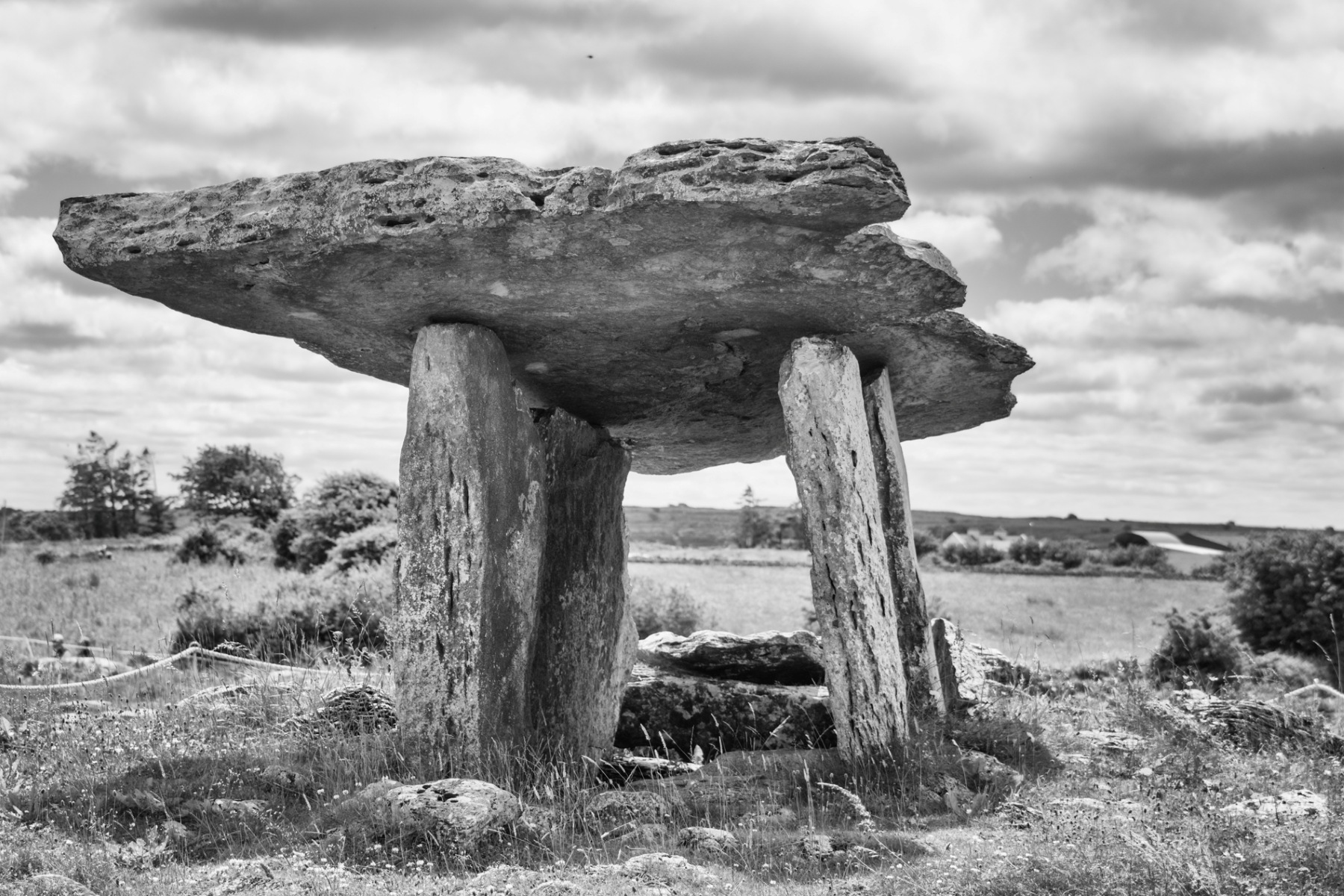

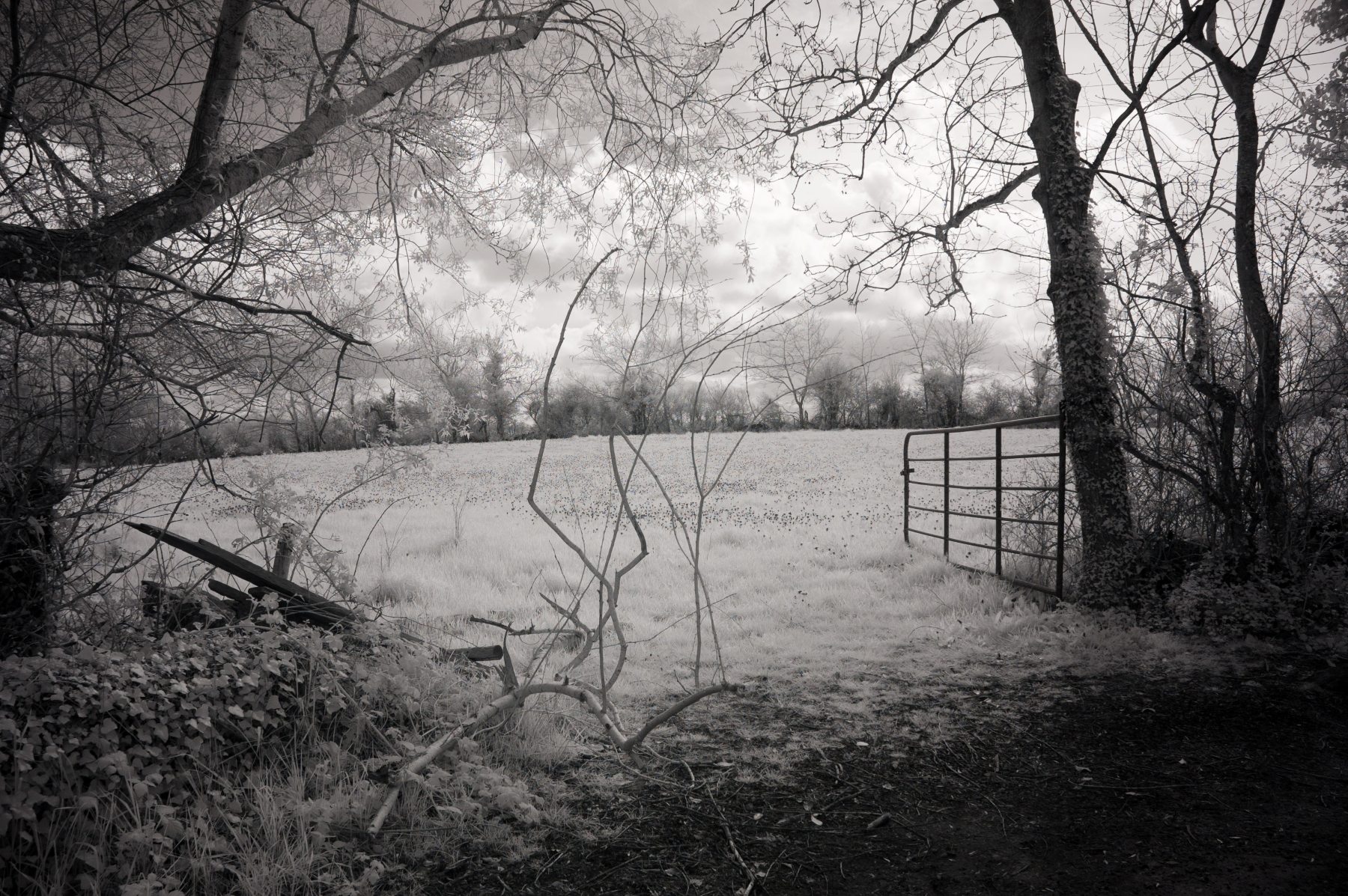
Description
Ireland BW Canvas Prints
by Jacqueline LaRocca
18×12 Canvas Print
The canvas print features a textured, gallery‑wrapped finish that adds depth and presence to the artwork. The image extends around the edges for a seamless, contemporary look.


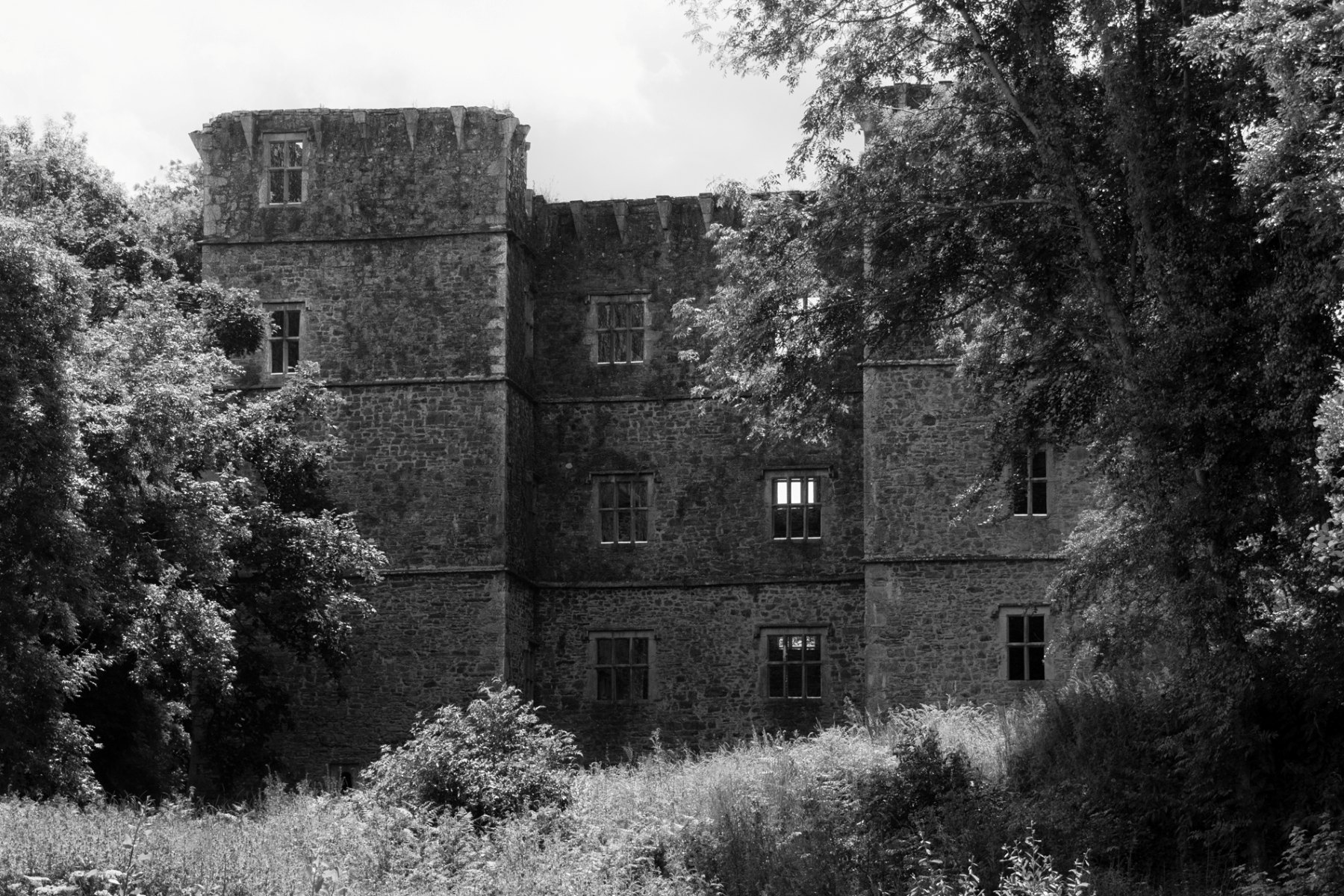
Kanturk Castle
Overview
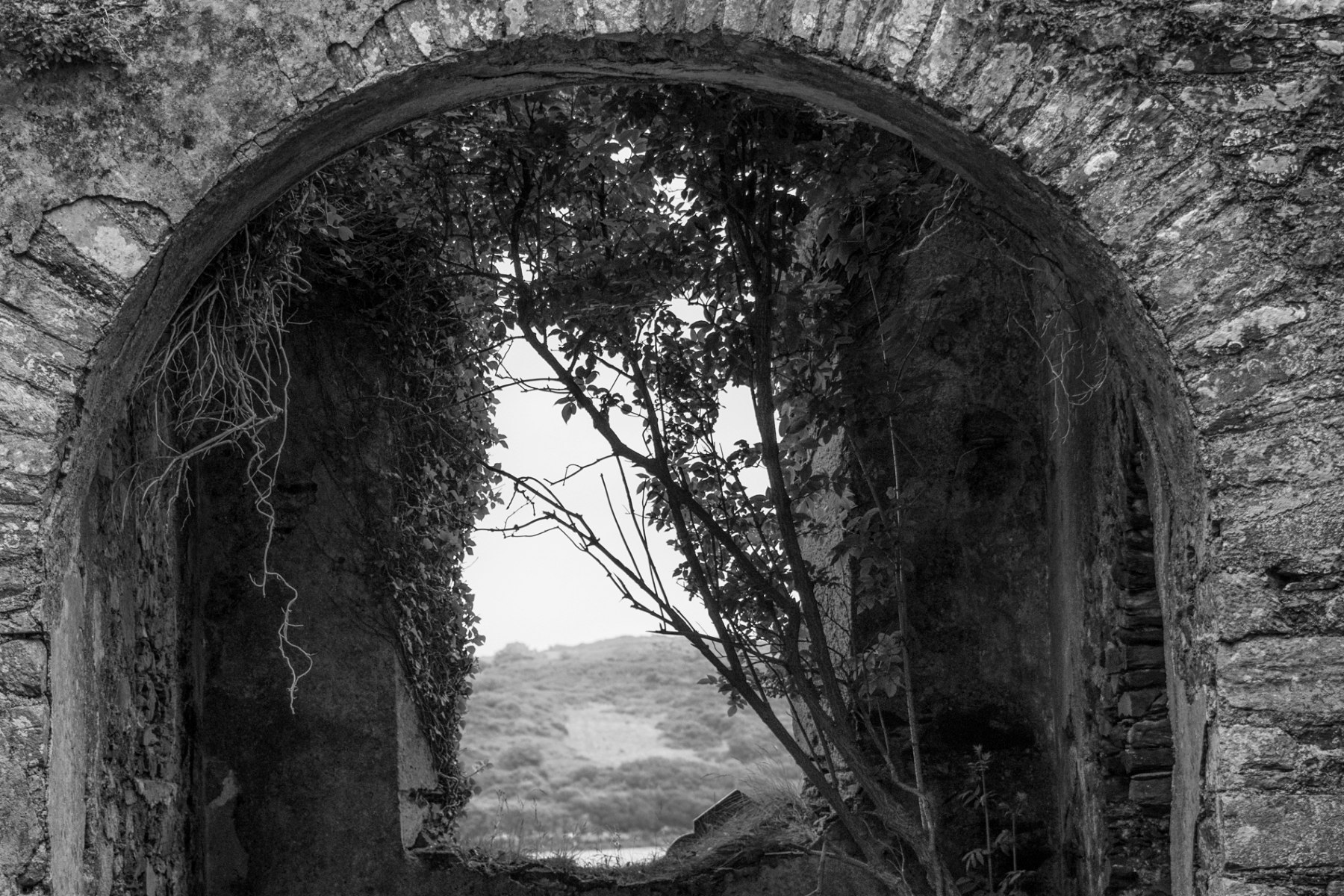
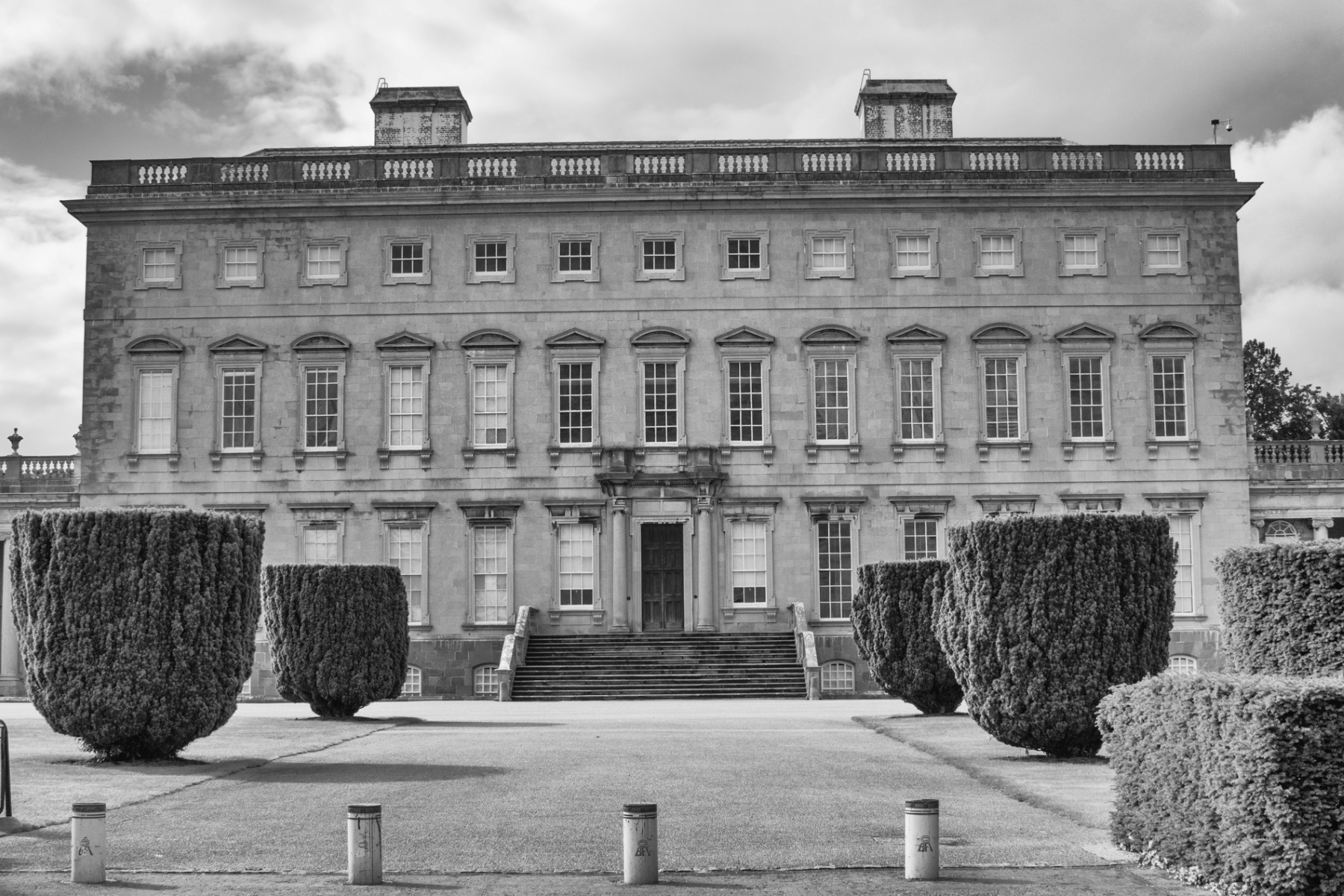
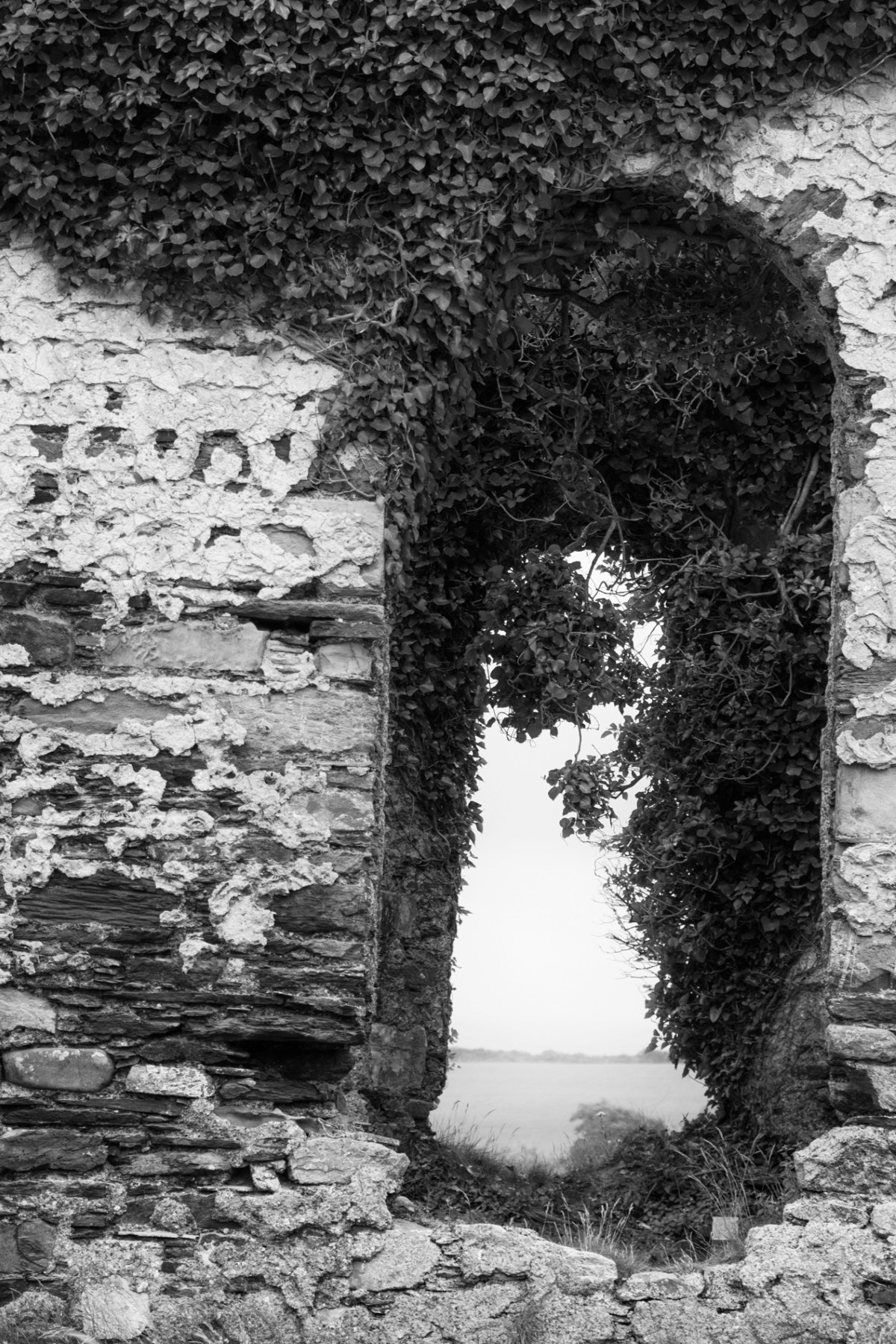
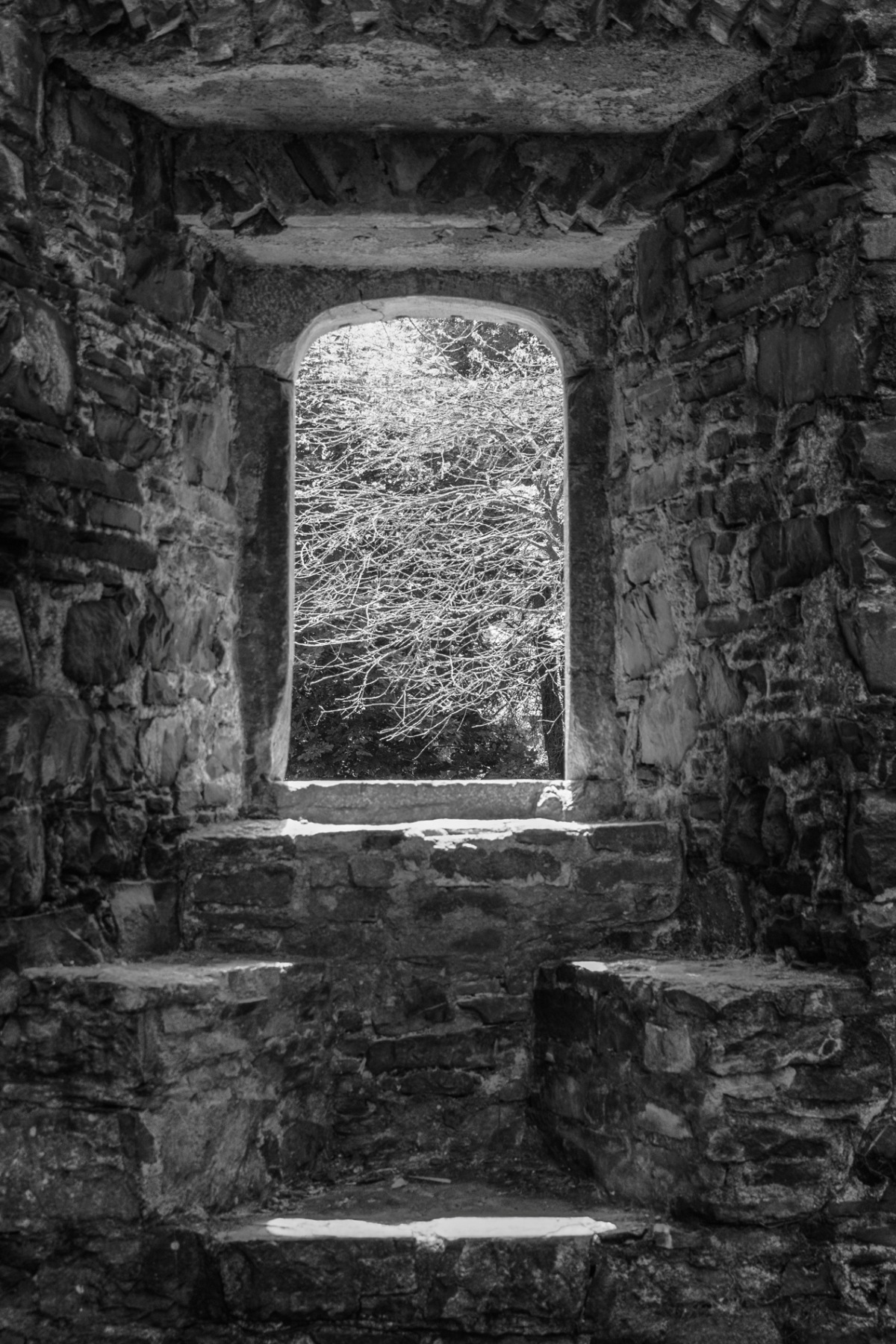
Kanturk Castle rises in County Cork as a bold 17th‑century mansion. It displays dark limestone walls and massive corner towers. Moreover, it reflects the fierce ambition of the MacDonogh McCarthy clan. Consequently, the structure immediately commands attention.
Construction
Builders began work around 1601. They used local stone and created an unusually large fortified house. Furthermore, they added tall windows that emphasized status rather than defense. As a result, the design blended power with elegance. Additionally, the scale signaled the family’s growing influence.
Conflict and Decline
English authorities soon feared the castle’s size. Therefore, they halted construction before completion. Consequently, the building never gained a roof or full interior. Afterwards, the structure slowly decayed. Nevertheless, its walls endured.
Today
Visitors now encounter a dramatic ruin surrounded by quiet fields. Yet the towers still rise impressively. Moreover, the views stretch across peaceful countryside. Ultimately, Kanturk Castle remains a vivid reminder of Gaelic ambition and Tudor tension.
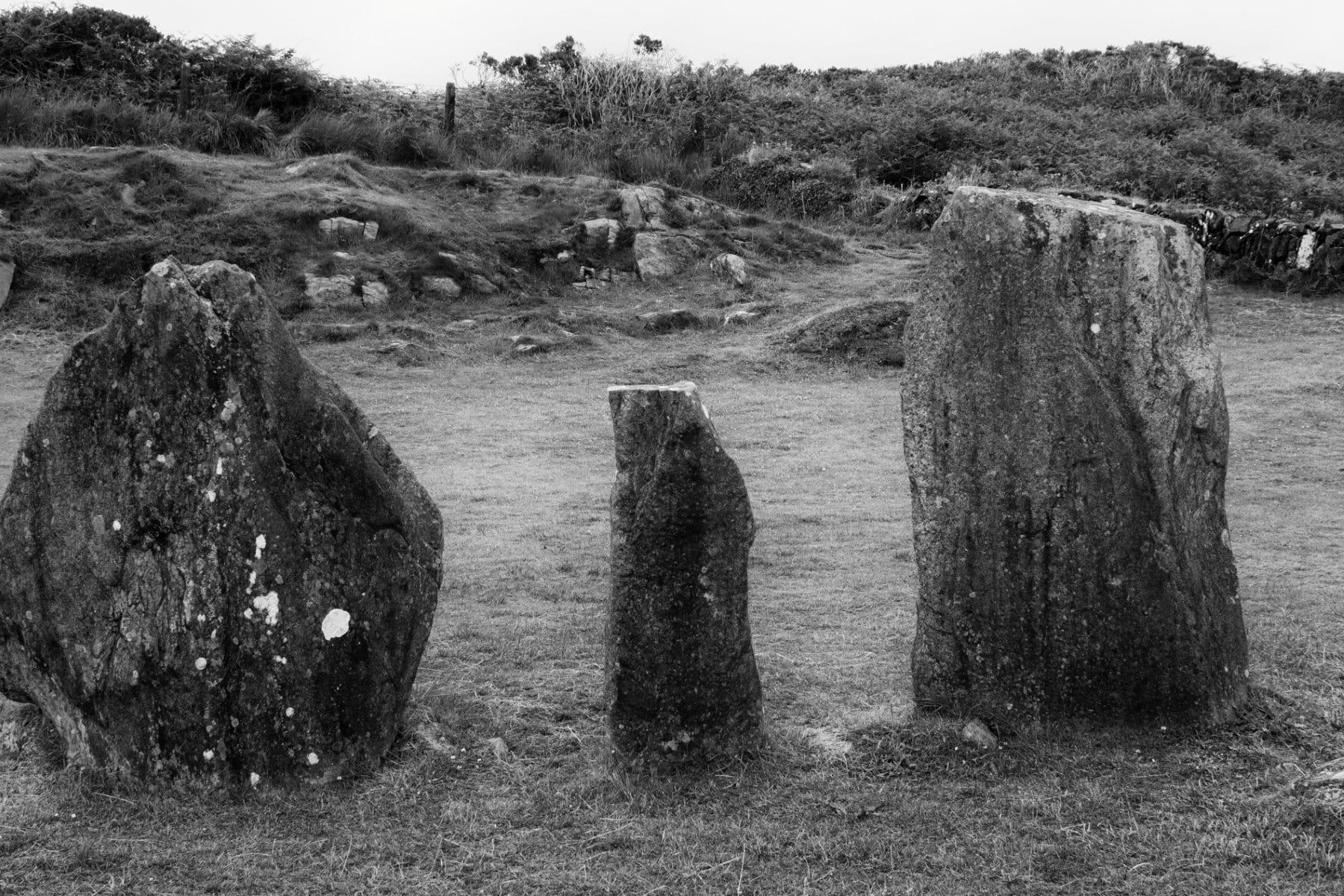
Drombeg Stone Circle
Overview
Drombeg Stone Circle stands near Glandore in West Cork. It forms a graceful ring of seventeen stones. Moreover, it reflects skilled Bronze Age planning. Consequently, the site draws many visitors.
Purpose and Alignment
Builders arranged the stones with clear astronomical intent. They aligned the axis toward the winter solstice sunset. Furthermore, this alignment suggests ritual gatherings. Additionally, a nearby fulacht fiadh hints at daily activity.
Ritual and Community
People likely used the circle for ceremonies. Therefore, it served as both a sacred and social space. Moreover, its design encouraged communal participation. As a result, the monument gained lasting cultural weight.
Today
Visitors now walk among weathered stones and sweeping views. Yet the circle still feels intimate. Furthermore, the solstice line remains striking. Ultimately, Drombeg Stone Circle endures as a powerful link to Ireland’s prehistoric imagination.
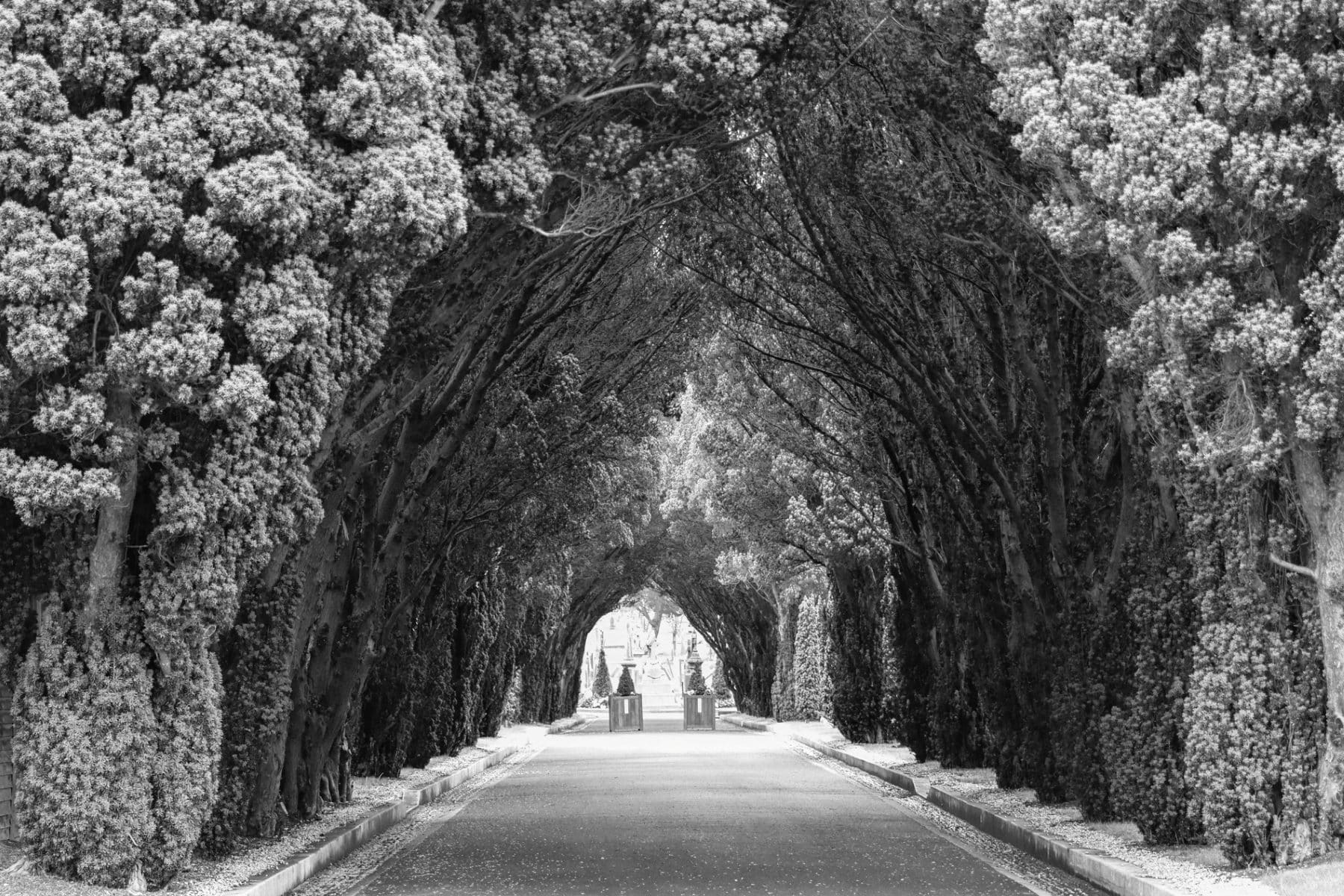
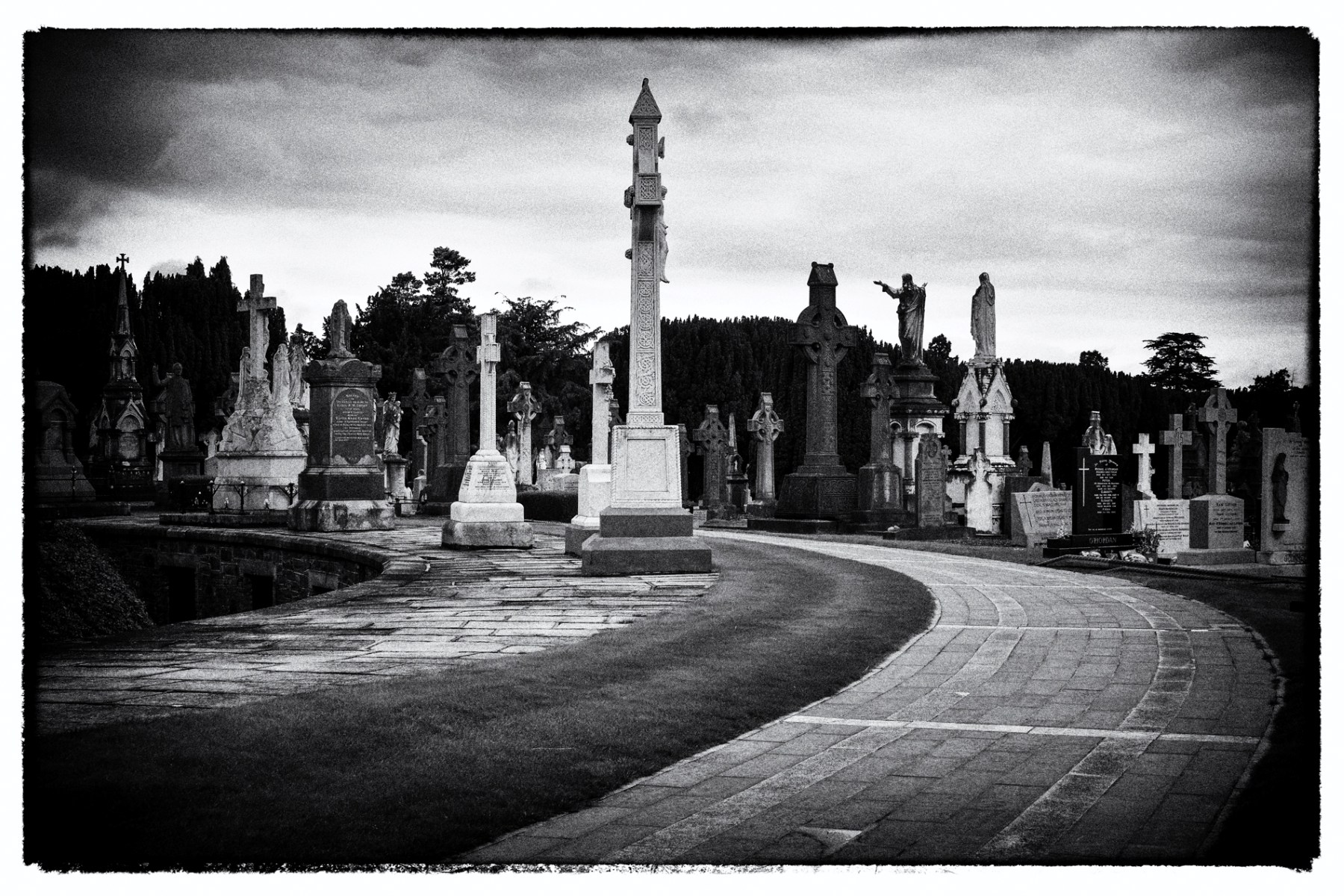
Glasnevin Cemetery
Origins
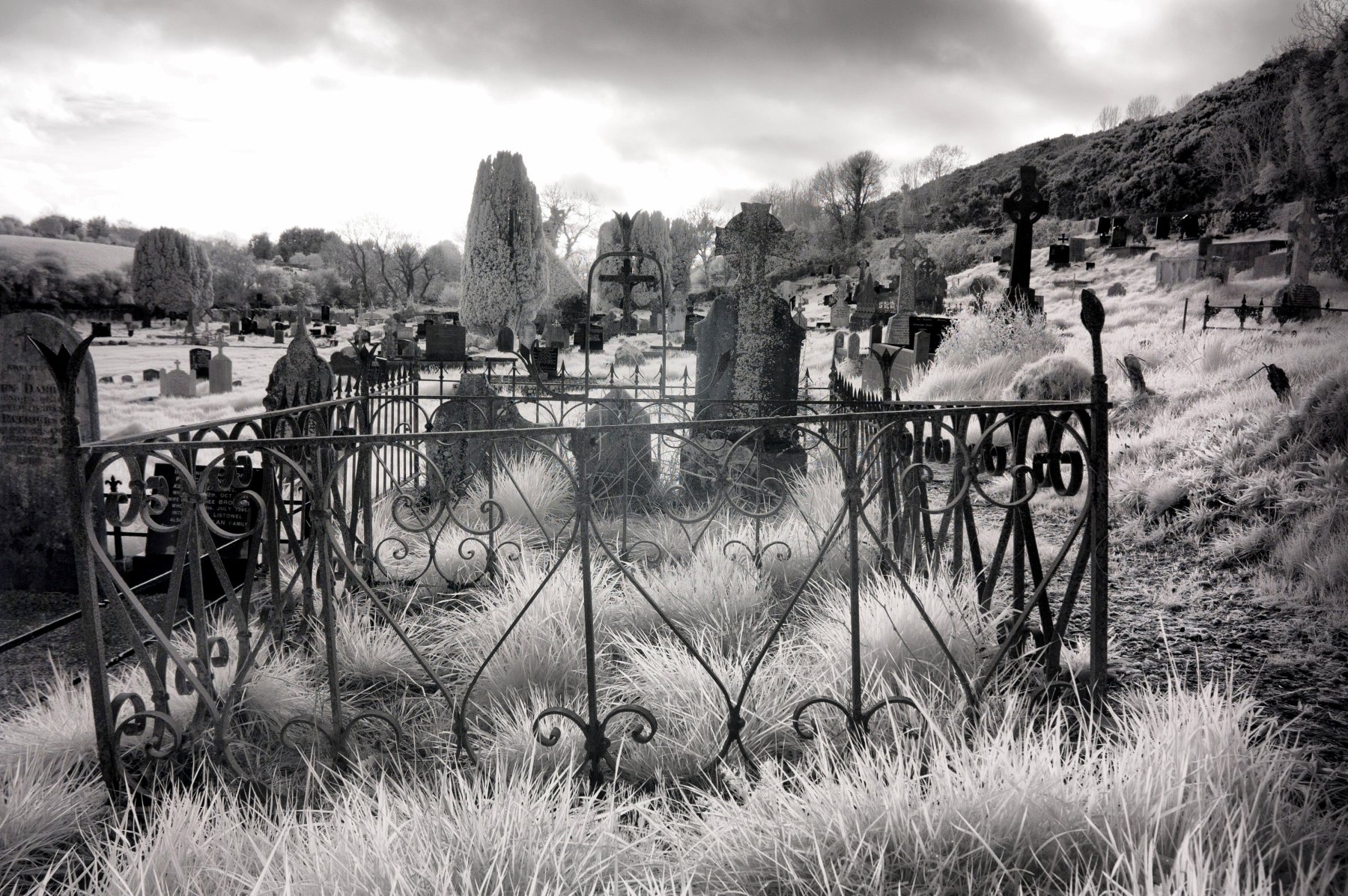
Glasnevin Cemetery opened in 1832 under Daniel O’Connell. It welcomed all faiths. Moreover, it quickly became Ireland’s national burial ground.
Growth
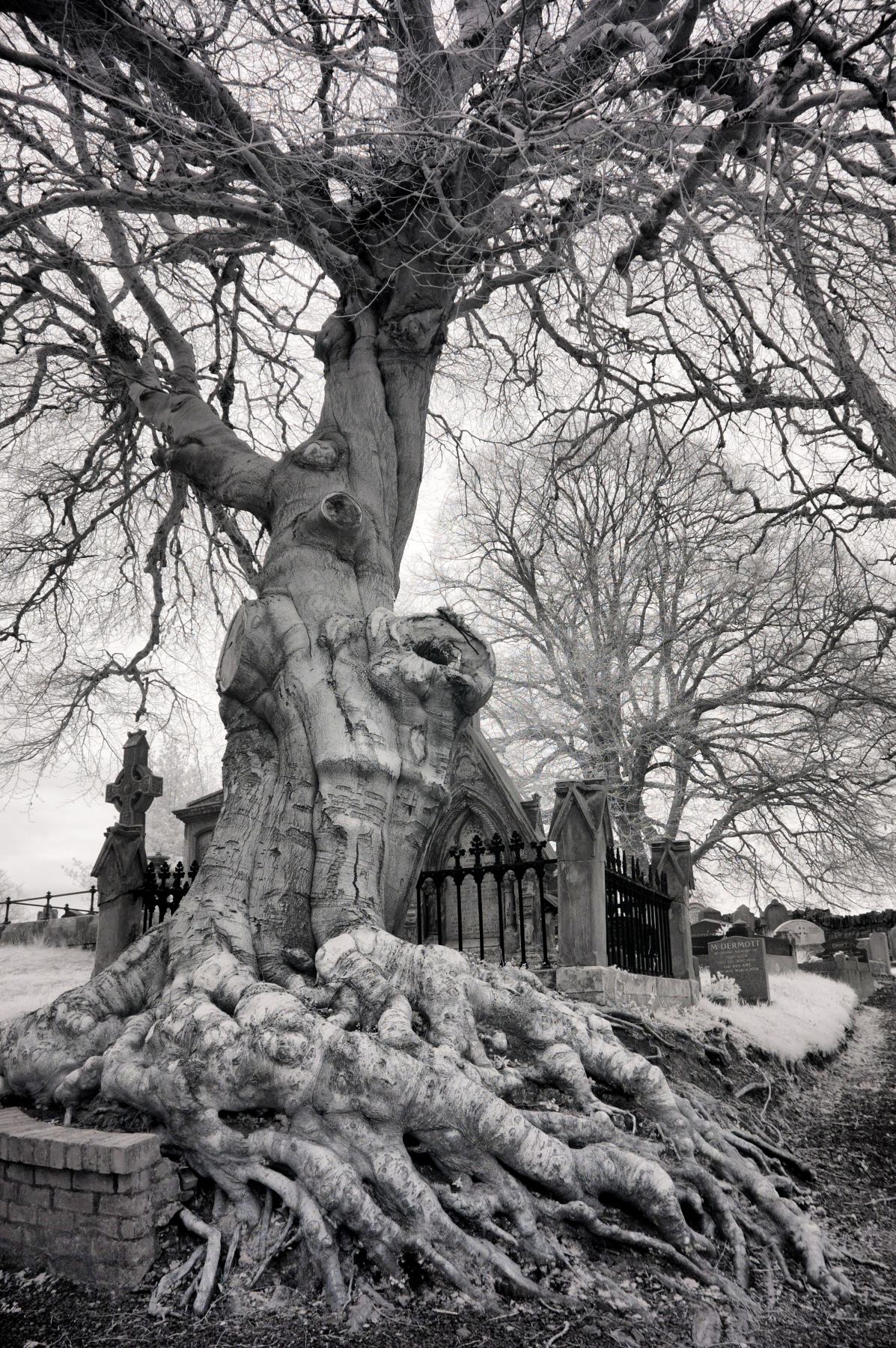
The cemetery expanded as Dublin grew. Furthermore, it gained monuments honoring political and cultural leaders. Consequently, it became a powerful symbol of Irish identity.
National Significance
Many key figures rest here, including O’Connell and Parnell. Therefore, the site reflects Ireland’s long struggle for self‑determination. Additionally, its memorials preserve collective memory.
Today
Visitors now explore peaceful paths and historic graves. Yet the cemetery still inspires reflection. Ultimately, Glasnevin remains central to Ireland’s story.
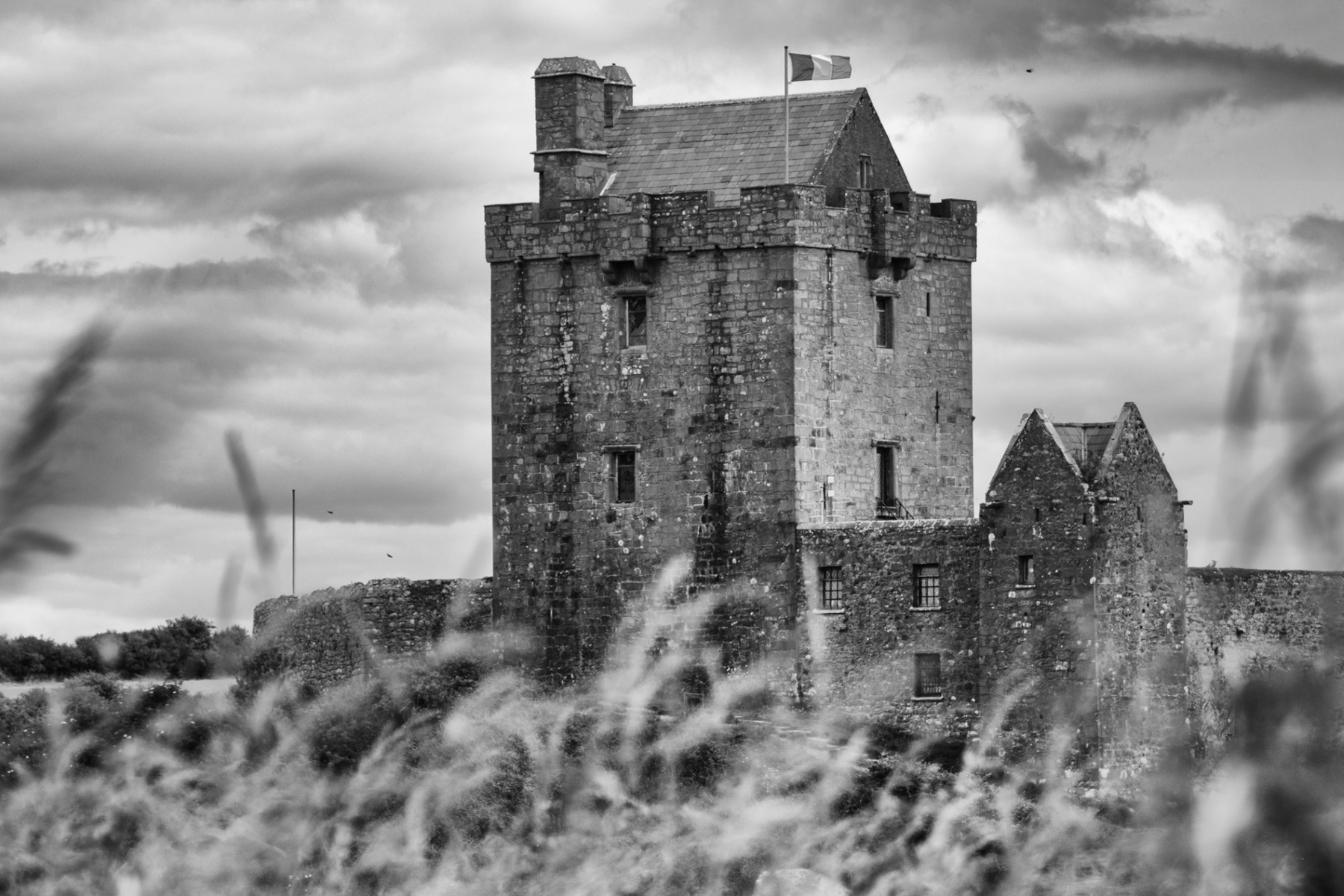
Thoor Ballylee and Coole Park
Ballylee Castle
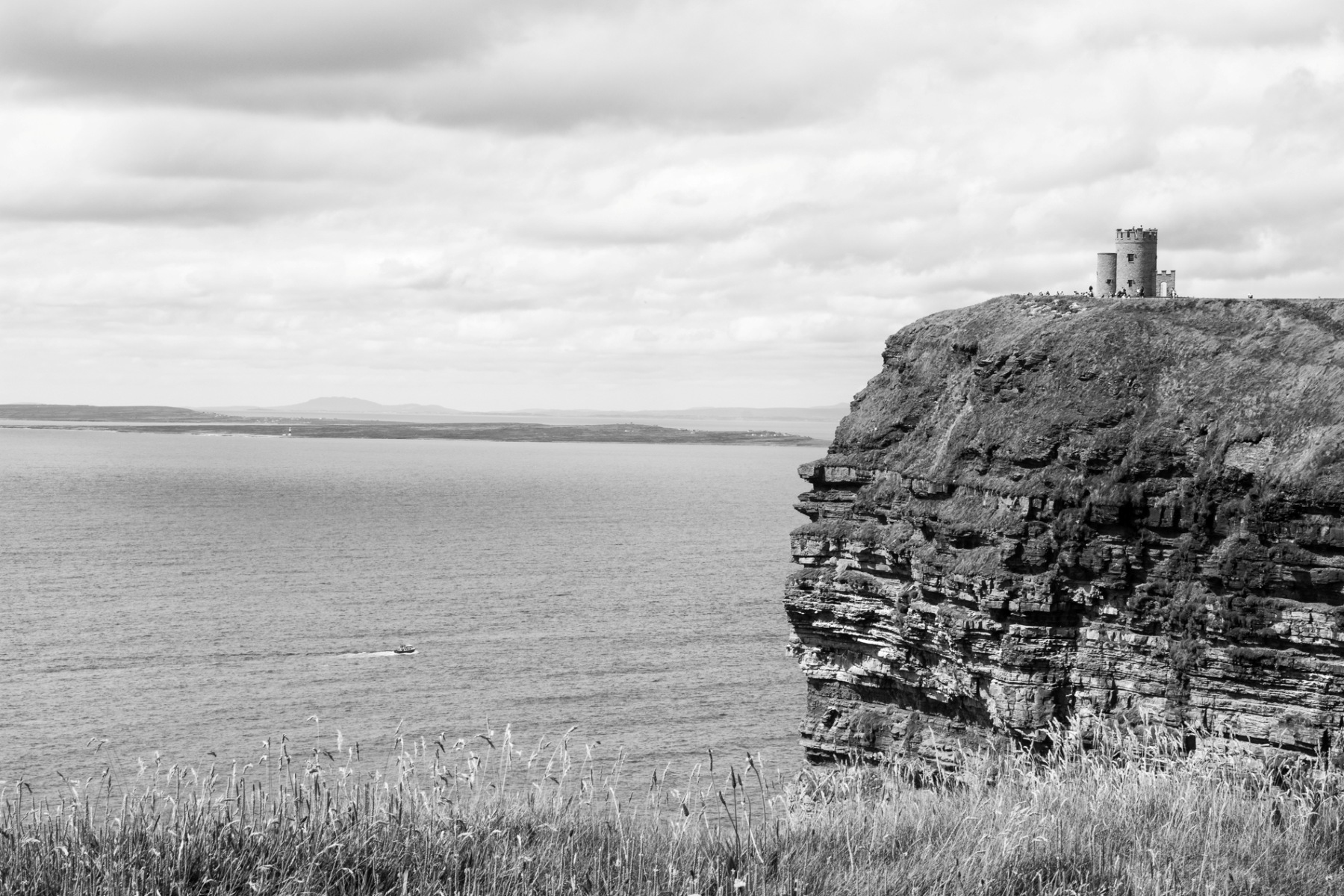
Ballylee Castle rose in the 15th century as a Norman tower house. It guarded local routes. Moreover, it later inspired W.B. Yeats. Consequently, he restored the tower in 1917. Furthermore, he used it as a summer retreat. Additionally, he celebrated it in several poems. Therefore, the castle gained deep literary meaning. Ultimately, it became a symbol of artistic renewal.
Coole Park
Coole Park developed as the Gregory estate. It welcomed artists, writers, and political thinkers. Moreover, Lady Augusta Gregory shaped Ireland’s cultural revival here. Consequently, the park became a creative center. Furthermore, its “Autograph Tree” preserved key signatures. Additionally, its landscape encouraged reflection and collaboration.
Shared Significance
Together, Ballylee and Coole Park represent Ireland’s artistic awakening. Moreover, they link landscape, literature, and national identity. Consequently, they remain powerful reminders of Yeats’s world and Ireland’s cultural transformation.


Reviews
There are no reviews yet.