Cork Black and White Prints
Cork Black and White Prints
by Jacqueline LaRocca

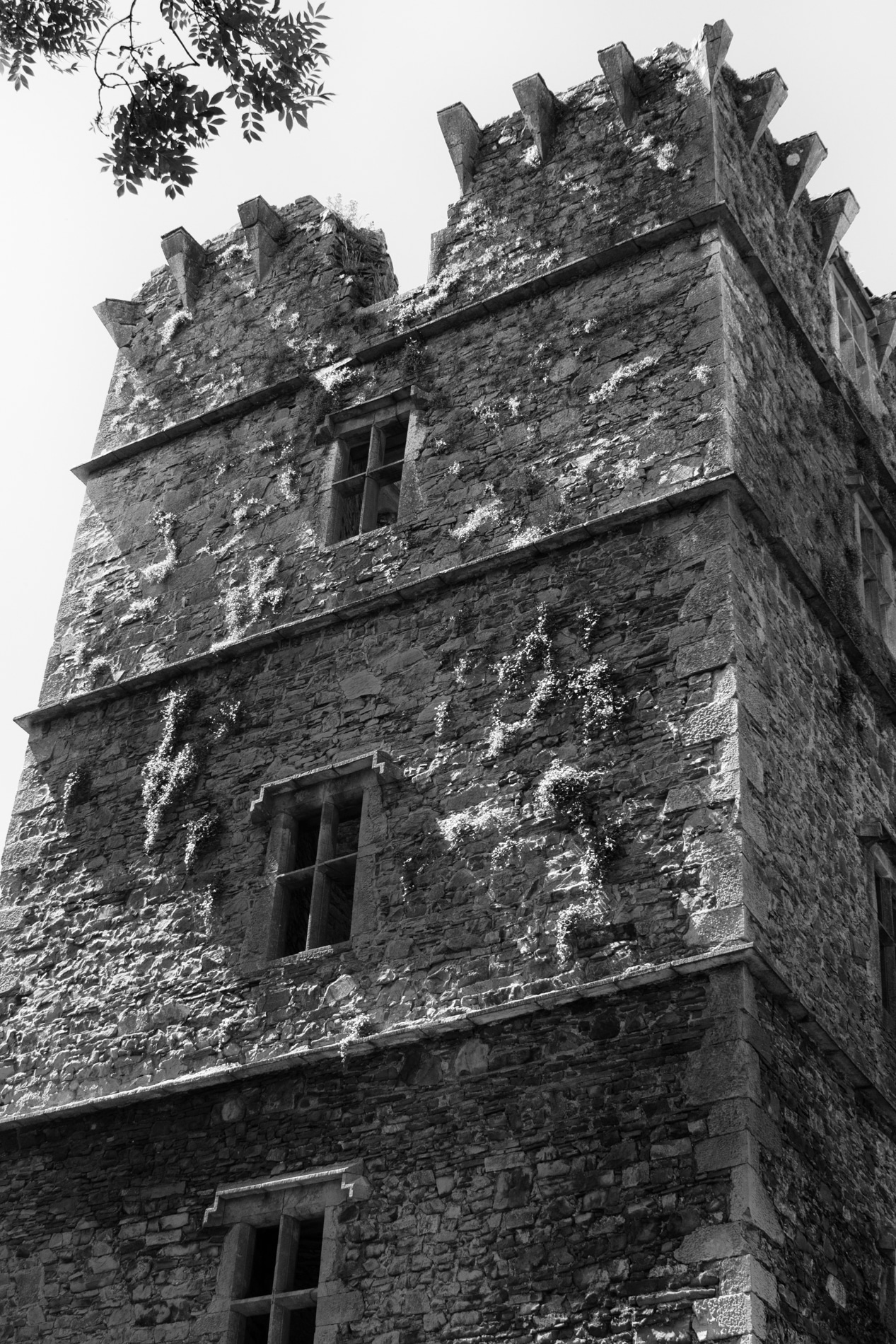
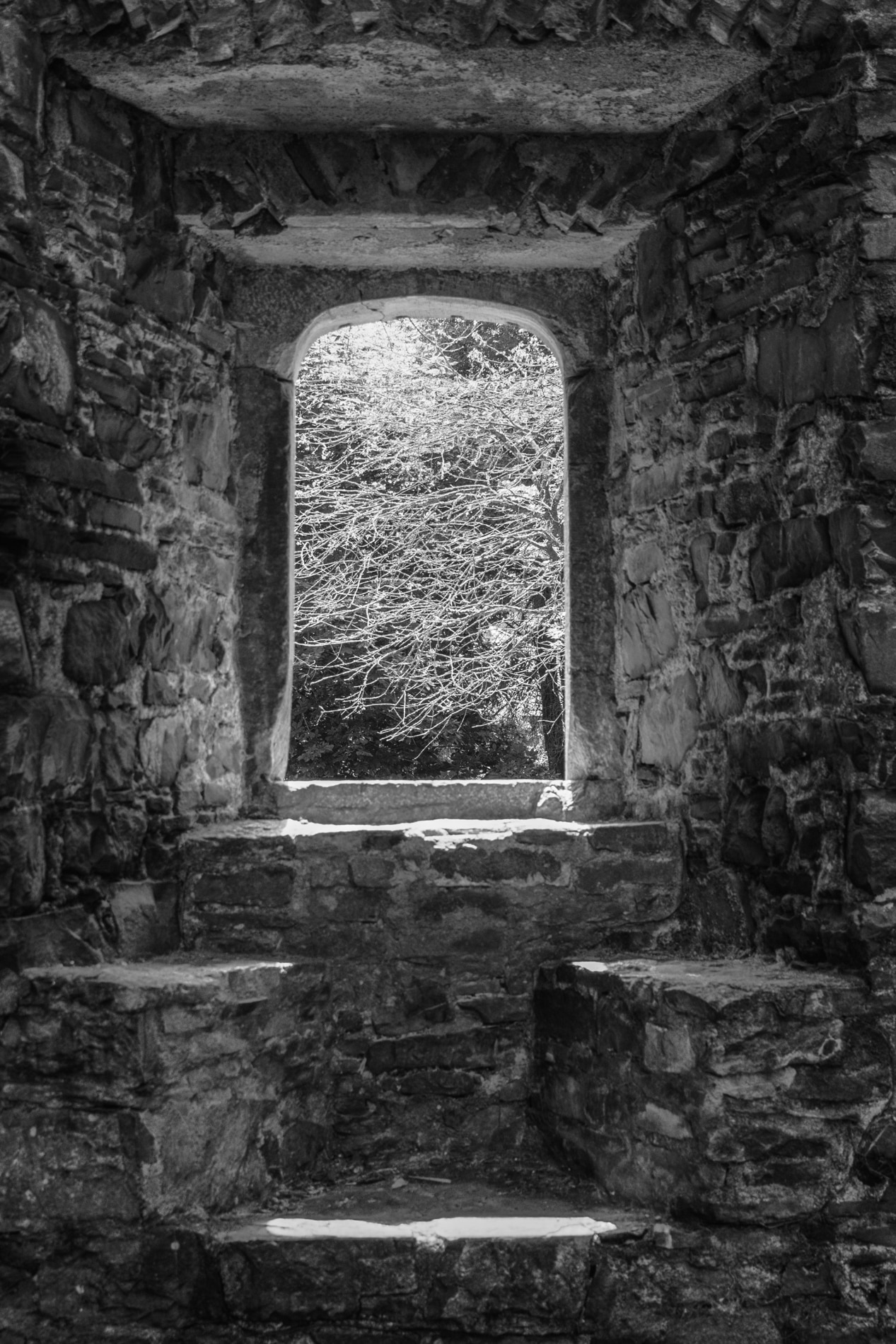
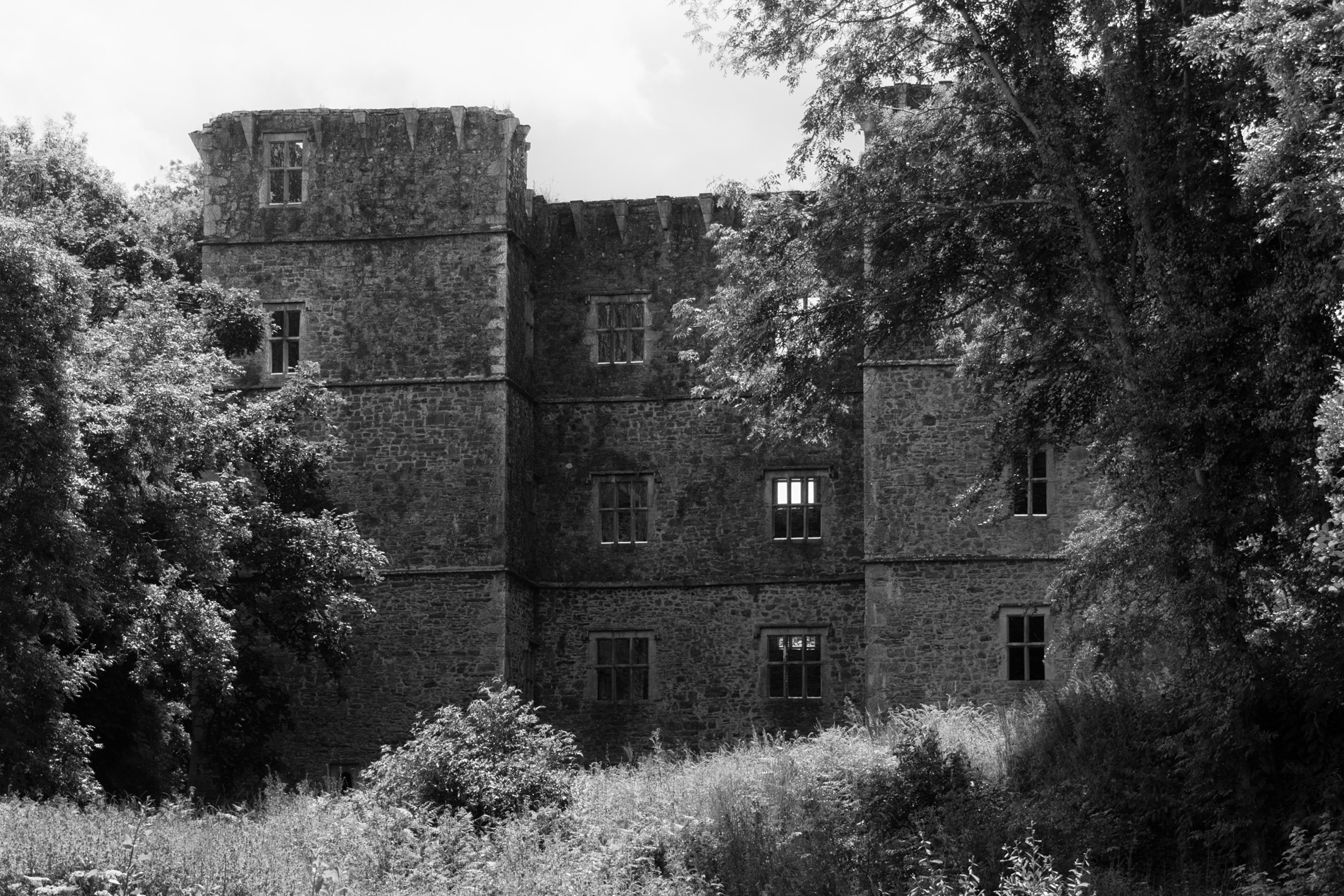

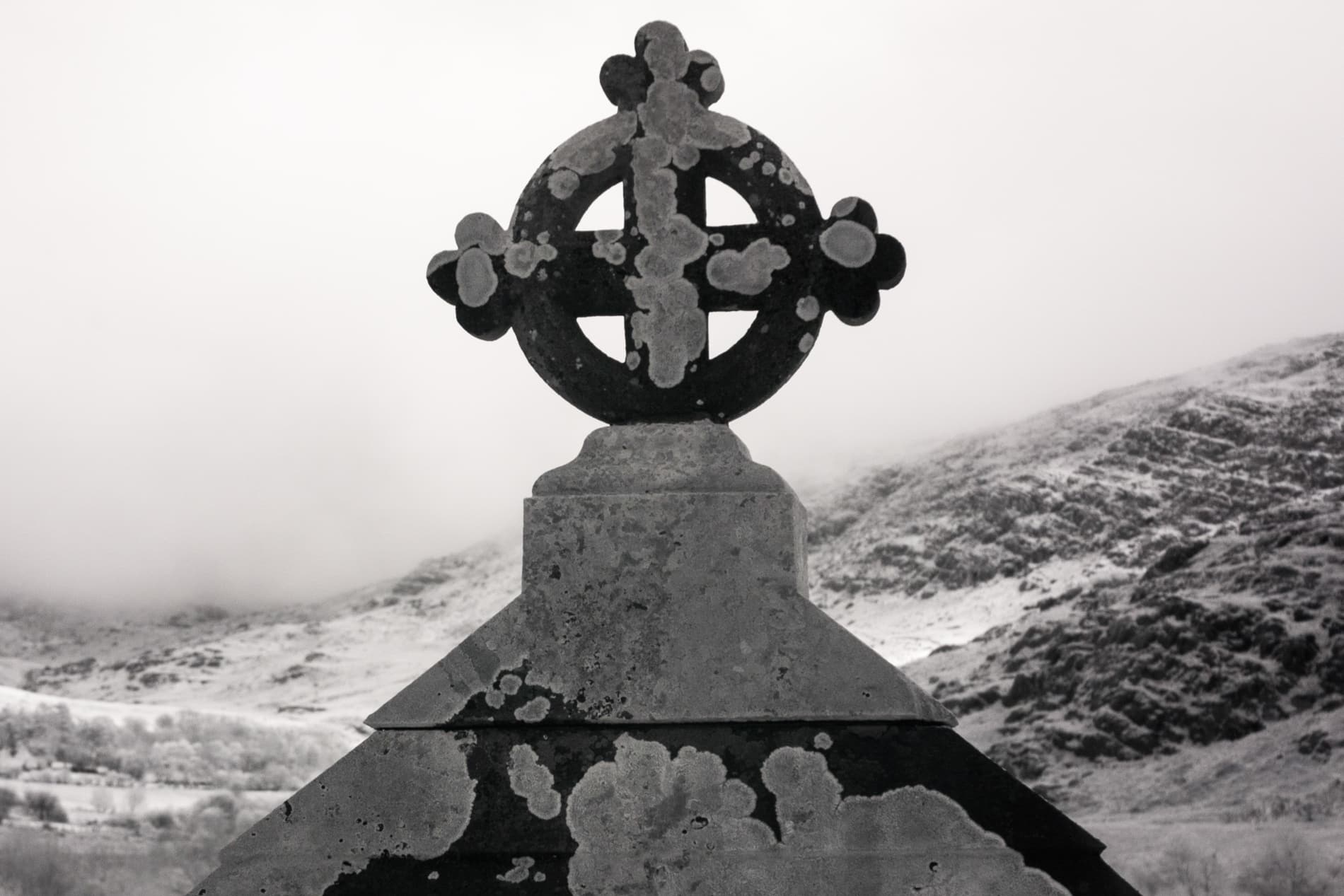


History of County Cork
Early Settlements and Ancient Landscapes
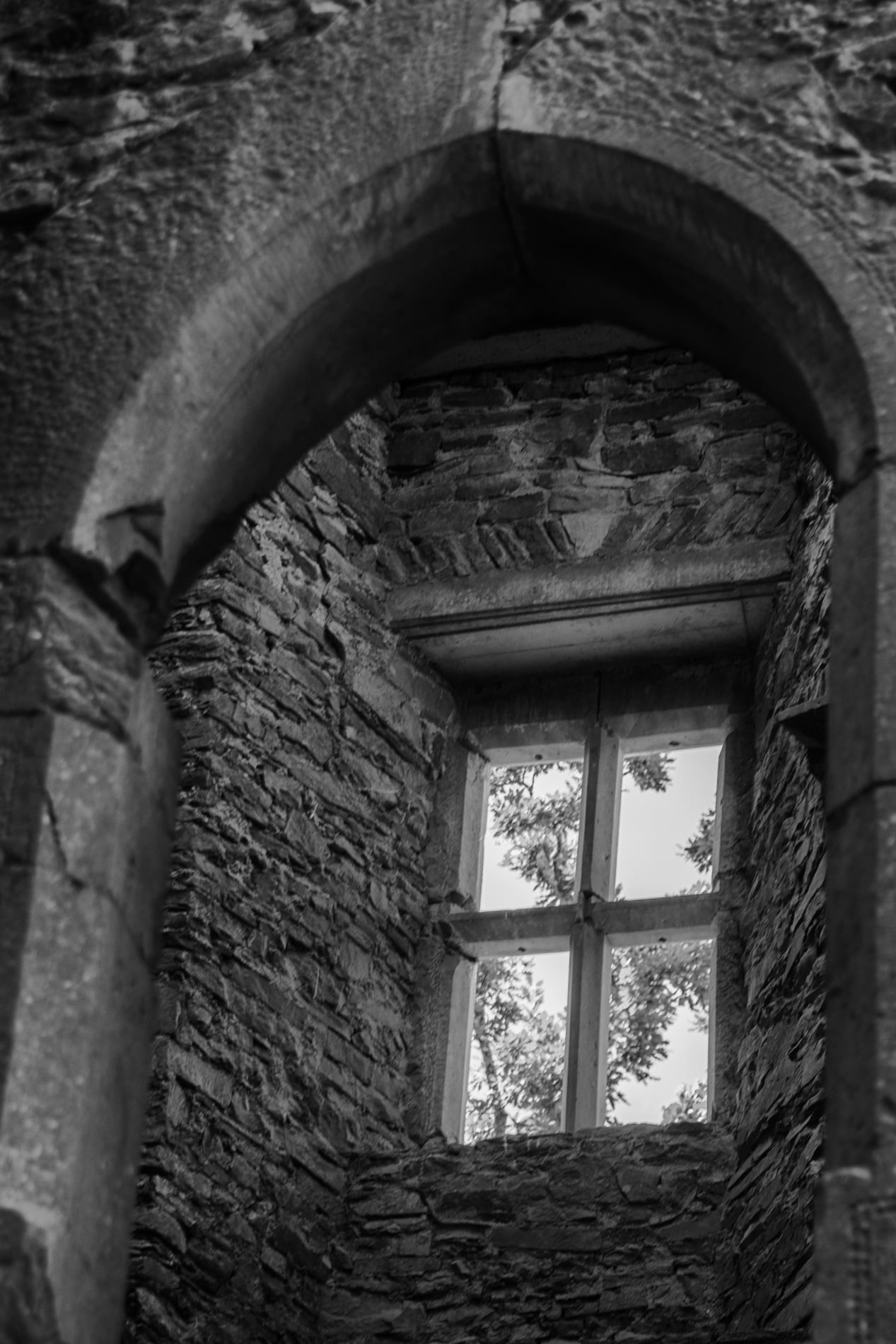
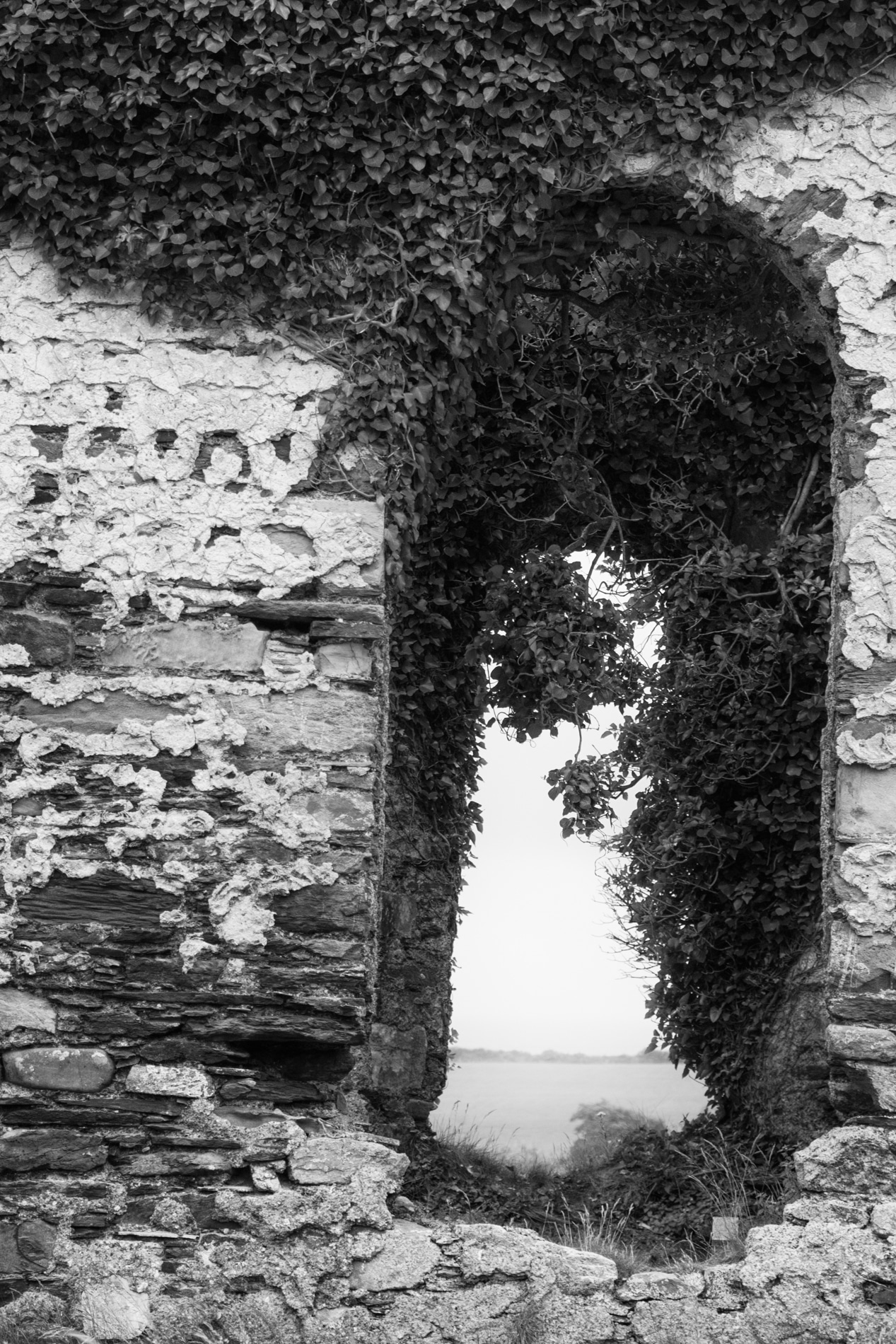
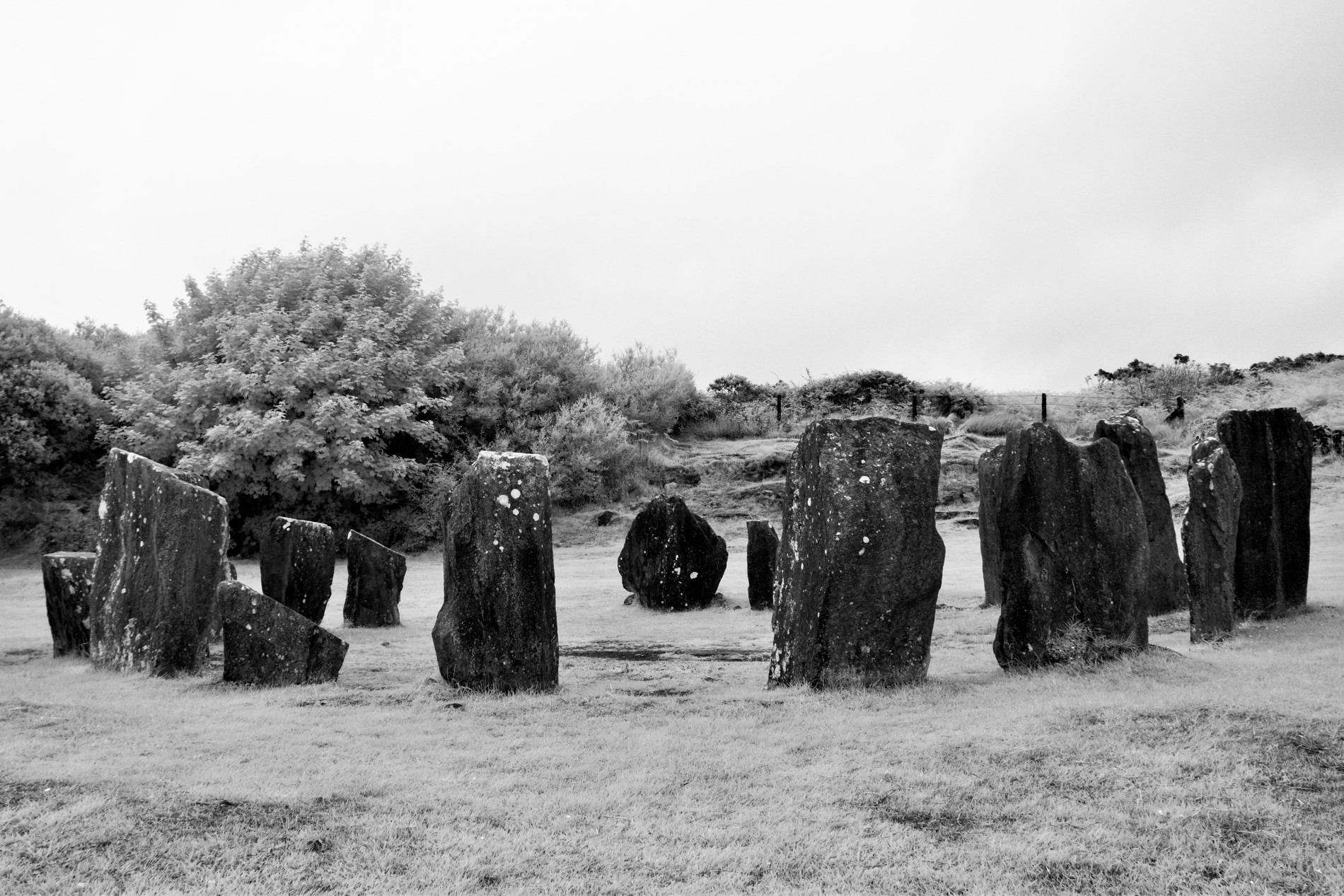
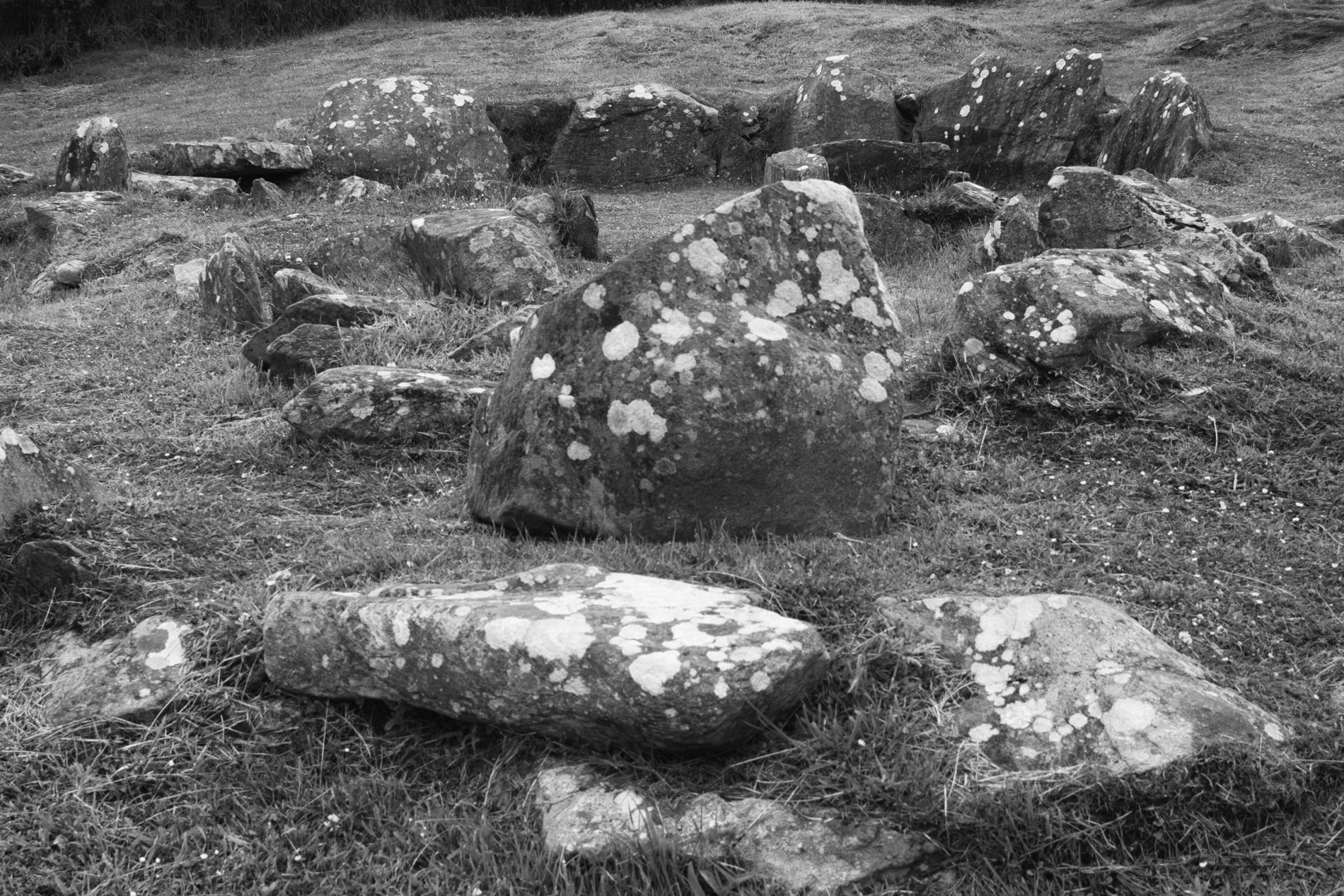
County Cork’s story begins with early settlers who reached the region thousands of years ago. They built stone circles, ringforts, and burial monuments across fertile valleys and rugged peninsulas.
Because the coastline offered rich fishing grounds, communities thrived near sheltered inlets. Inland, farmers shaped fields and woodlands that supported growing populations.
As a result, Cork developed a deep archaeological record that still defines its landscape.
Celtic Kingdoms and Monastic Growth
During the first millennium, Celtic peoples controlled much of the region. Powerful families shaped local politics and defended their territories. Meanwhile, Christian monks founded monasteries that became centers of learning and craftsmanship.
These sites preserved manuscripts, trained scholars, and influenced surrounding communities. Therefore, Cork emerged as both a cultural and spiritual hub. Its rivers and harbors also encouraged trade with other Irish kingdoms.
Viking Raids and New Settlements
Vikings arrived along the Cork coast in the ninth century. They raided inland settlements but also established trading posts near the harbor. Over time, Norse settlers integrated with local communities. Consequently, Cork City began as a small Viking port on the River Lee. This early settlement later grew into a thriving medieval town.
Norman Influence and Medieval Expansion
The Normans entered Cork in the late 12th century. They built castles, walled towns, and new farming estates. Their arrival reshaped land ownership and introduced new administrative systems. Meanwhile, merchant families expanded trade with Britain and continental Europe. As a result, Cork became a major port for wine, wool, and salted fish. Medieval markets, churches, and fortifications strengthened the region’s economic importance.
Rebellion, Conflict, and Resilience
From the 16th to the 18th centuries, Cork experienced repeated upheaval. English rule expanded, sparking resistance from Gaelic lords and local communities. Conflicts such as the Desmond Rebellions and the Cromwellian campaigns devastated parts of the county. Even so, Cork rebuilt quickly and maintained strong maritime connections. Its ports supplied ships, merchants, and emigrants during turbulent centuries.
Famine, Emigration, and Transformation
The Great Famine struck Cork severely in the 1840s. Crop failure, disease, and poverty forced thousands to leave. Consequently, Cork became a major departure point for emigrants heading to North America. Despite these hardships, the county modernized through new industries, railways, and expanding towns.
County Cork Today
Today, County Cork blends ancient heritage with modern energy. Its coastal villages, historic towns, and vibrant city reflect centuries of change. Meanwhile, cultural festivals, food traditions, and scenic landscapes attract visitors worldwide. As a result, Cork remains one of Ireland’s most dynamic and storied regions.
If you like Cork Black and White Prints, you may also like
Showing all 3 results
-
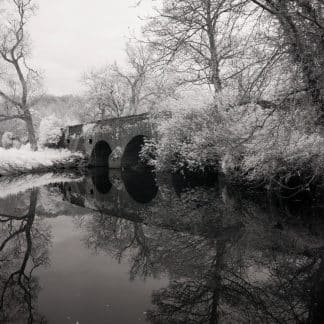
Ireland Black and White Prints
$350.00 (price_excluding_tax) Select options This product has multiple variants. The options may be chosen on the product page -
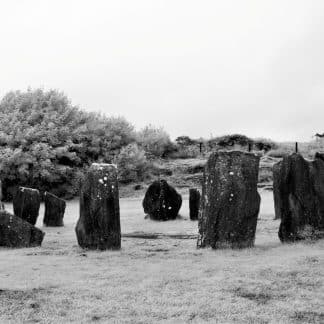
Ireland BW Canvas Prints
$229.00 (price_excluding_tax) Select options This product has multiple variants. The options may be chosen on the product page -

Ireland BW Framed Prints
$550.00 (price_excluding_tax) Select options This product has multiple variants. The options may be chosen on the product page


Showing all 3 results