Dublin Black and White Prints
Dublin Black and White Prints
by Jacqueline LaRocca

This fine art photograph captures a quiet moment inside a bus, with a passenger gazing out toward an evening city street. Reflections in the window blend interior lights with the urban scene outside.
Rendered in monochrome, the image emphasizes mood, contrast, and the contemplative rhythm of travel.
This artwork stands out for its intimate, cinematic portrayal of everyday life in Ireland.
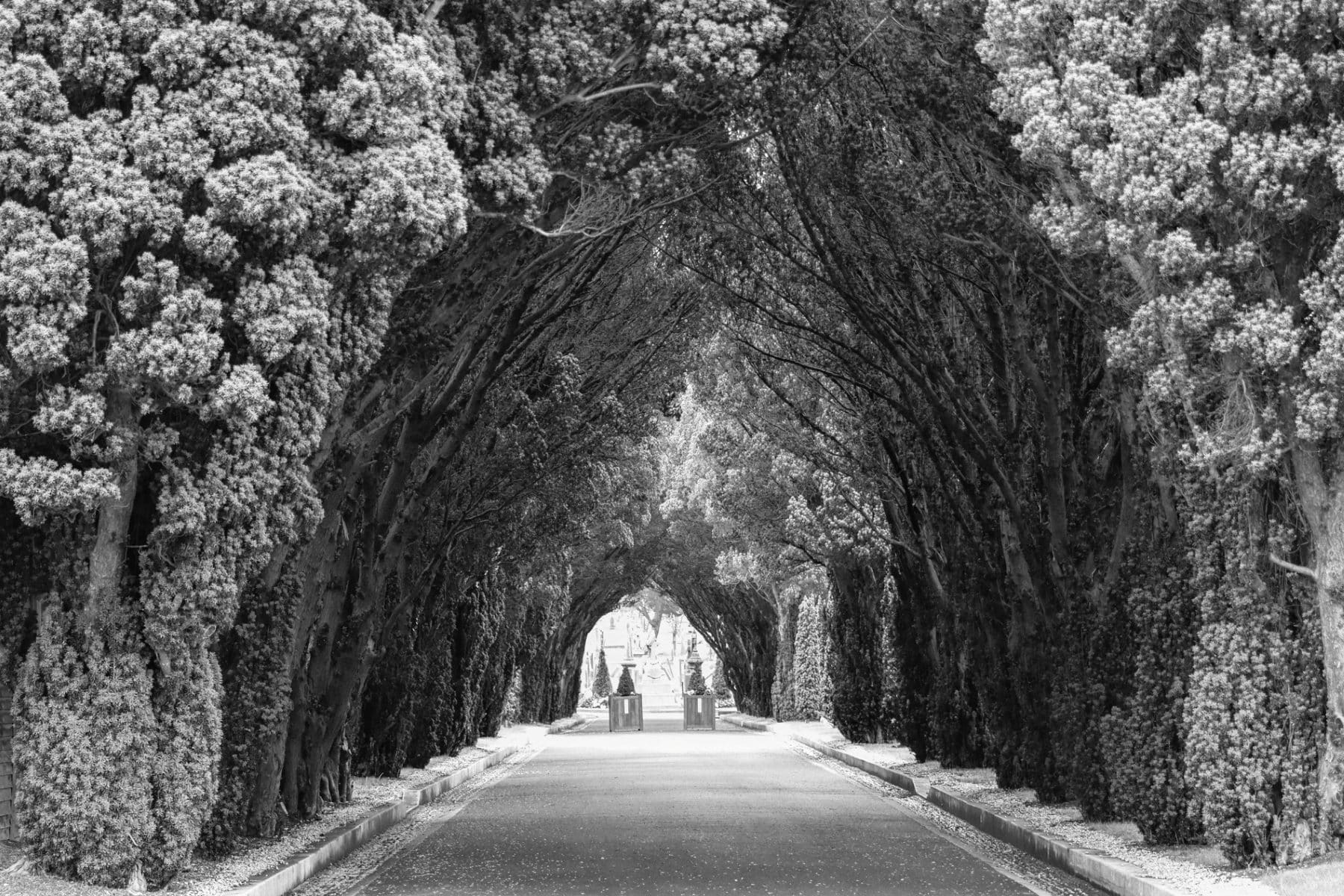
This photograph features a dramatic tree tunnel with branches arching overhead to form a natural corridor. Light at the end of the path draws the eye forward.
Rendered in monochrome, the image highlights symmetry, texture, and the quiet magic of Irish woodland paths.
This artwork stands out for its cinematic composition and sense of depth.
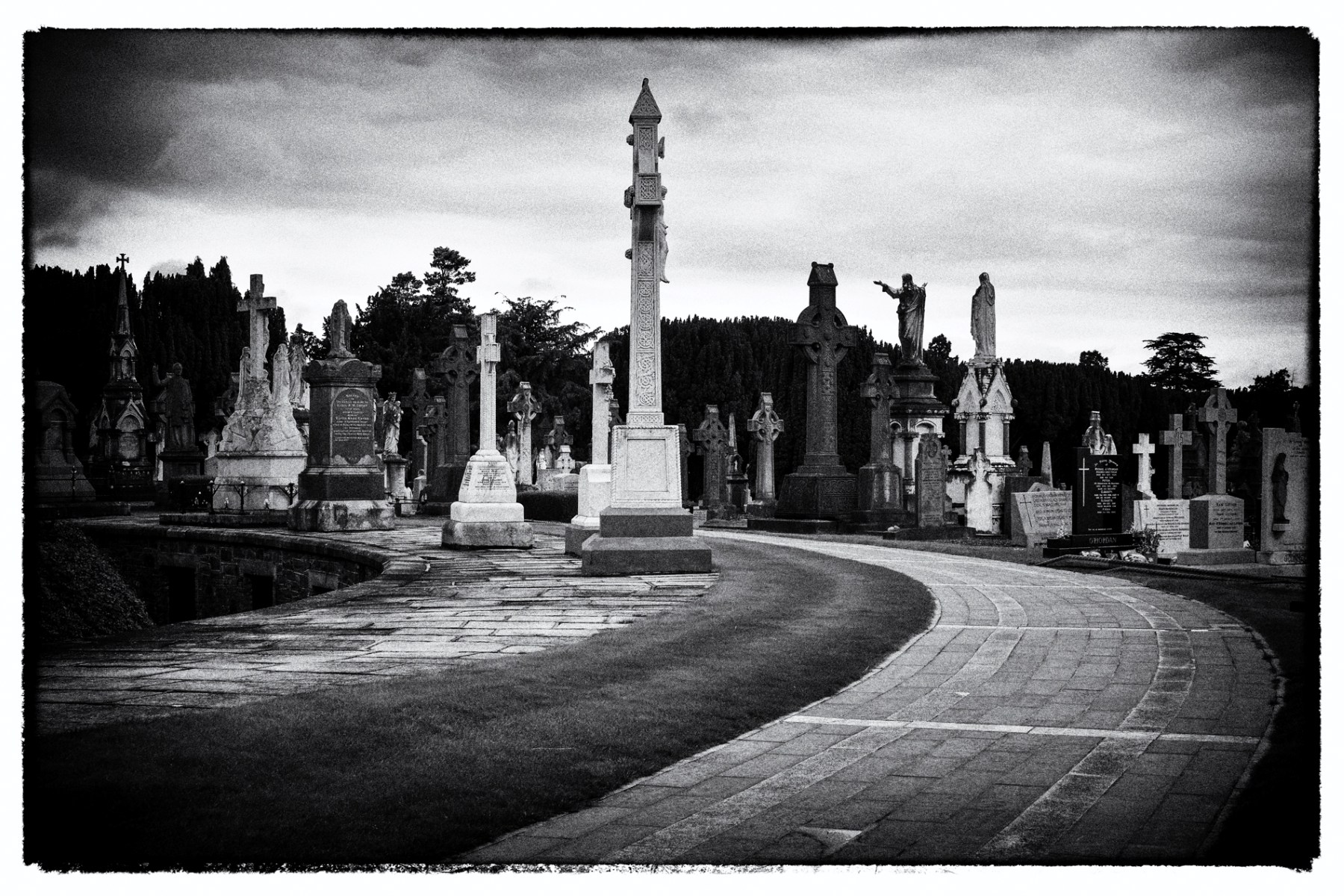
This photograph captures a winding stone path through an Irish cemetery filled with ornate gravestones and crosses. Trees and clouds frame the scene with quiet solemnity.
Rendered in monochrome, the image emphasizes texture, depth, and the peaceful atmosphere of the grounds.
This artwork stands out for its evocative portrayal of Irish heritage and remembrance.
History of Dublin
Early Beginnings
Dublin began as a small settlement beside the River Liffey. Vikings arrived in 841 and built a strong base. They controlled trade routes. Moreover, they shaped Dublin’s early identity. Also, the town expanded quickly. Soon, merchants filled its busy markets. Eventually, the Normans captured Dublin in 1170. They widened streets and strengthened defenses. Consequently, Dublin became a major medieval hub.
Medieval Growth
The Normans introduced new laws and institutions. They also improved the city’s security. Trade increased steadily. Craftsmen filled narrow lanes. Furthermore, churches and guilds gained influence. Additionally, Dublin Castle emerged as the center of English rule. This authority lasted for centuries. As a result, Dublin developed under foreign control. Meanwhile, local culture continued to evolve.
Enlightenment and Expansion
Dublin changed dramatically in the 1700s. Wealthy landlords built elegant Georgian squares. Streets widened. Cultural life flourished. Trinity College expanded. Theatres opened. Additionally, writers shaped public debate. The city became the empire’s second-largest center. Yet poverty persisted. Tensions also grew between rulers and residents. Consequently, political pressure increased.
Rising Nationalism
The 1800s brought major upheaval. The Act of Union in 1801 dissolved the Irish Parliament. Dublin lost political power. However, nationalist movements gained strength. Daniel O’Connell led mass campaigns for rights. Later, cultural revivalists promoted Irish language and arts. Eventually, revolutionaries planned rebellion. The 1916 Easter Rising erupted in central Dublin. British forces crushed it. Nevertheless, the event transformed public opinion. Soon, independence became a central goal.
War and Independence
Violence escalated after 1916. The War of Independence began in 1919. Dublin served as a strategic center. Ambushes and raids occurred frequently. Ultimately, the Anglo‑Irish Treaty created the Irish Free State in 1922. Civil war followed. Government forces secured control. Consequently, Dublin became the capital of a new nation. From then on, national institutions shaped its growth.
Modern Transformation
Dublin changed rapidly after independence. New institutions formed. Housing projects expanded. Moreover, economic reforms encouraged growth. The city modernized its infrastructure. Later, the Celtic Tiger boom reshaped the skyline. Technology companies arrived. Immigration increased. As a result, Dublin became more diverse and dynamic. Today, it continues to evolve.
If you like Dublin Black and White Prints, you may also like
Showing all 3 results
-

Ireland Black and White Prints
$350.00 (price_excluding_tax) Select options This product has multiple variants. The options may be chosen on the product page -
Ireland BW Canvas Prints
$229.00 (price_excluding_tax) Select options This product has multiple variants. The options may be chosen on the product page -
Ireland BW Framed Prints
$550.00 (price_excluding_tax) Select options This product has multiple variants. The options may be chosen on the product page

Showing all 3 results