Thoor Ballylee
Thoor Ballylee
Home of William Butler Yeats

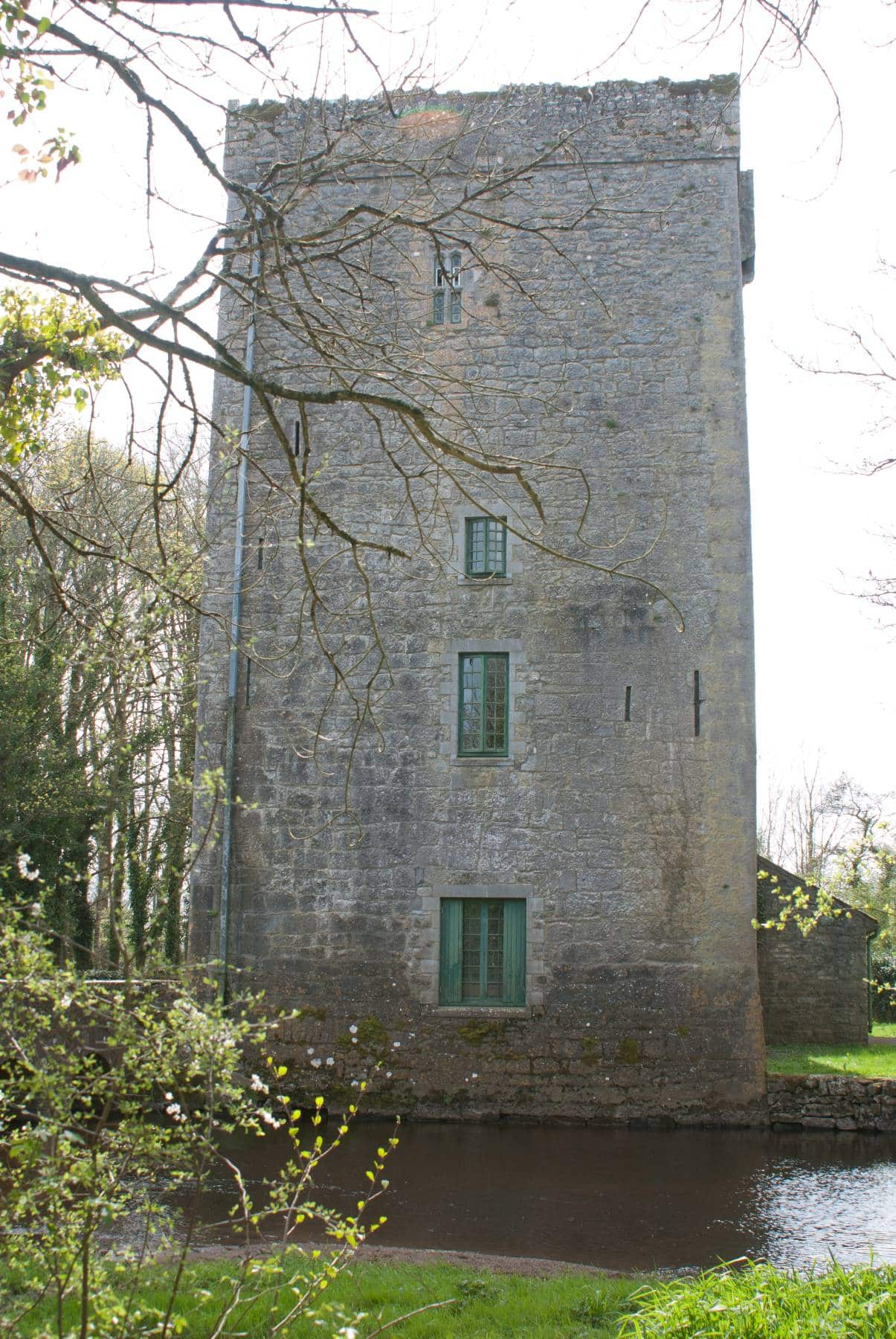
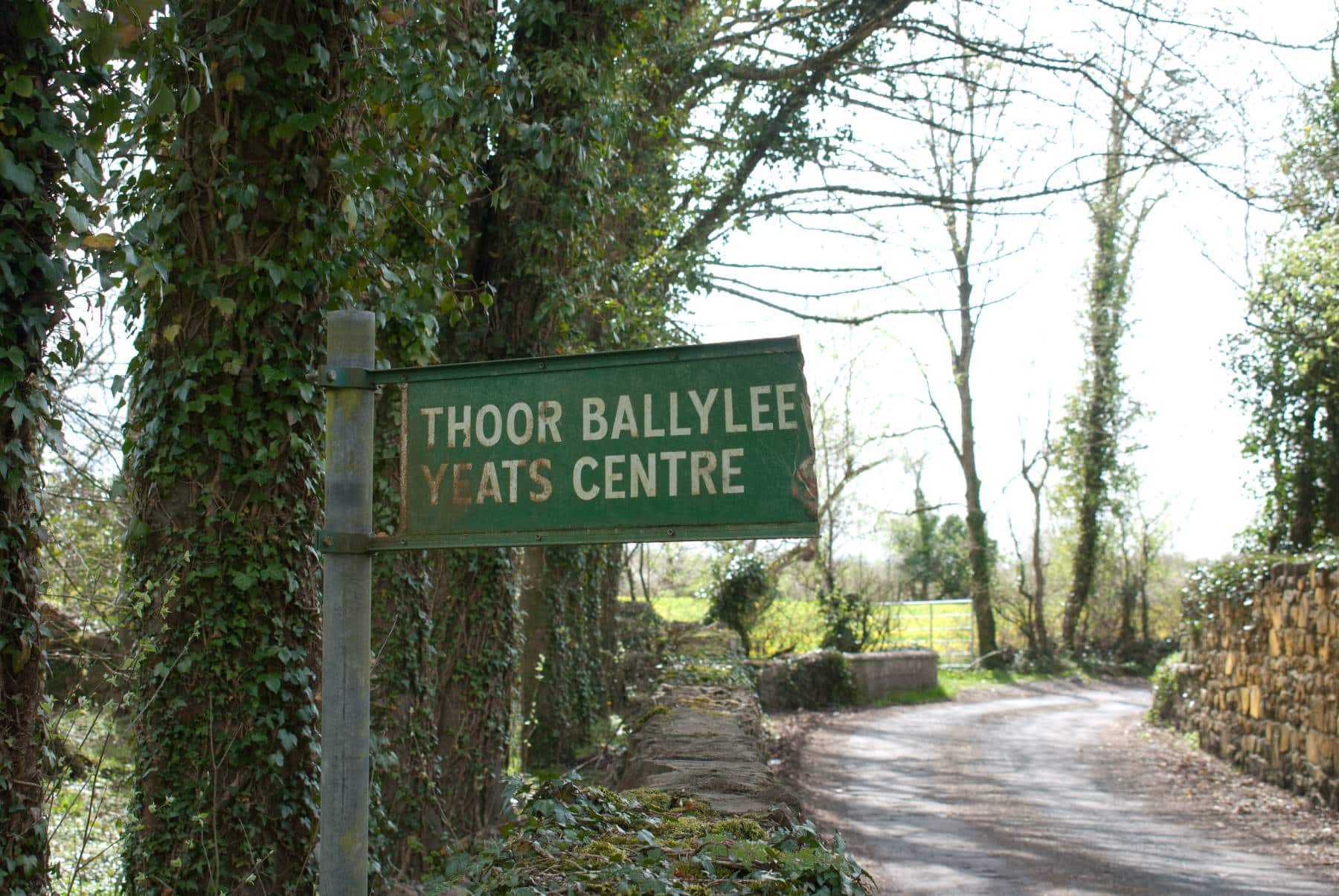
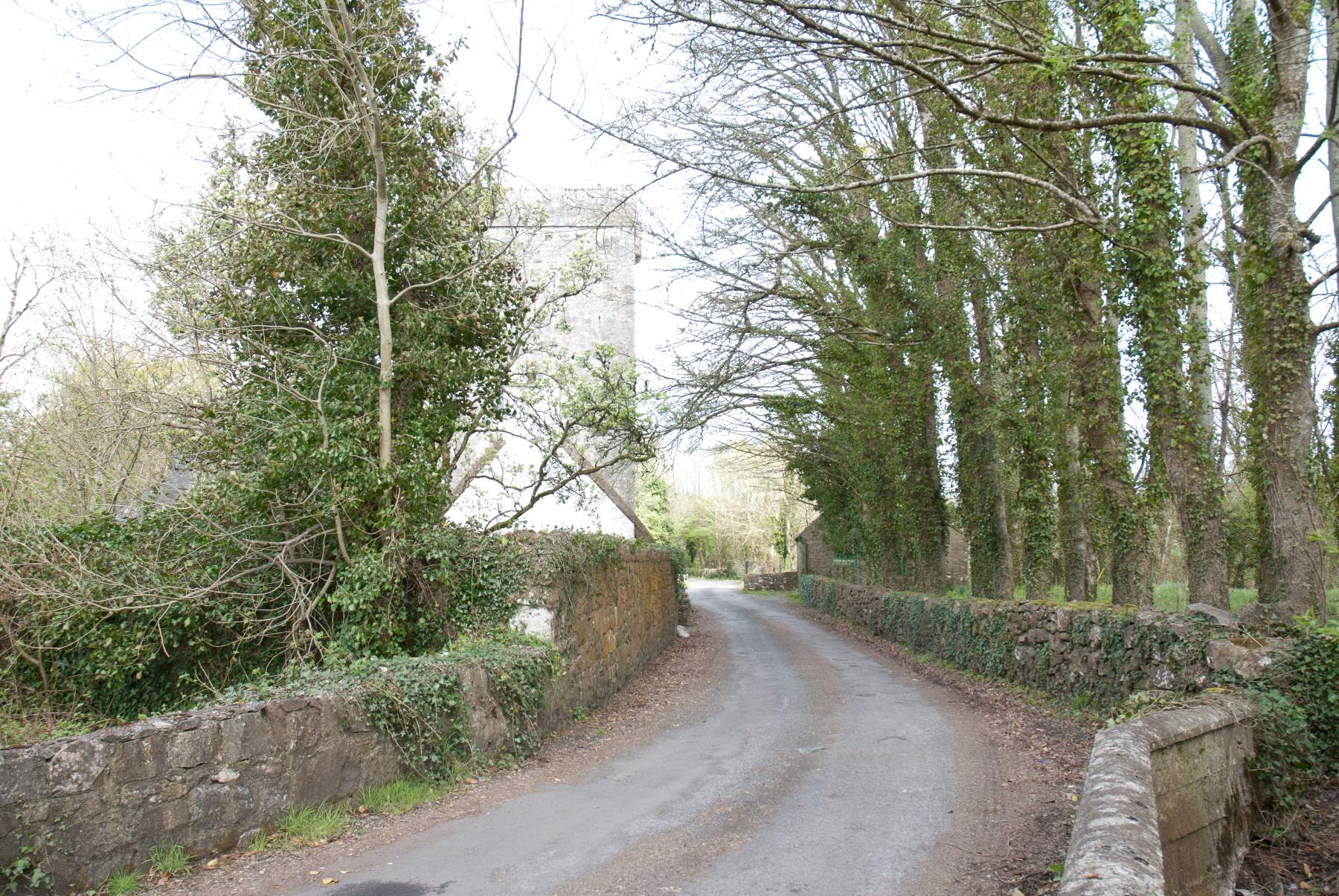
Norman Tower
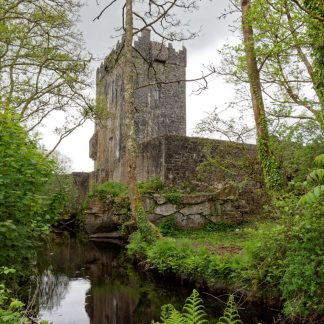
Thoor Ballylee, a 15th-century Anglo-Norman tower house, rises near Gort in County Galway, Ireland.
Originally, the de Burgo (Burke) family built the tower to defend their land and assert their influence.
Over the centuries, the structure endured conflict, neglect, and change, yet it remained a symbol of resilience.
Eventually, the tower shifted from a medieval stronghold to a beacon of Ireland’s literary heritage.
By the 19th century, it became part of the Coole Estate, owned by Lady Augusta Gregory.
Thanks to her leadership and vision, the estate became a hub for the Irish Literary Revival.
Moreover, her close friendship with poet William Butler Yeats brought Thoor Ballylee into the cultural spotlight.
As a result, the tower gained lasting significance as both a historic monument and a tribute to Irish creativity.
William Butler Yeats
In 1917, Yeats purchased the tower for a modest sum, drawn by its rustic charm and peaceful surroundings.
Soon after, he partnered with architect William A. Scott to renovate the structure, blending medieval design with modern comfort.
Then, Yeats renamed the property “Thoor Ballylee,” choosing the Irish word “Túr” to honor his cultural roots.
From 1921 to 1929, he and his family spent summers there, gradually turning the tower into a creative retreat.
Meanwhile, the tranquil setting inspired several of Yeats’ most celebrated works, including his poetry collection The Tower.
At the same time, Thoor Ballylee became a gathering place for Yeats’ literary circle.
Notably, guests like George Bernard Shaw, J.M. Synge, and Sean O’Casey joined him for spirited conversations and artistic exchange.
Together, the tower’s rustic charm and Yeats’ hospitality nurtured a vibrant cultural legacy that enriched Ireland’s literary heritage..
After Yeats
However, the tower’s fortunes waned after the Yeats family left in 1929. It also fell into disrepair until the mid-20th century when efforts to preserve its legacy began. In 1965, the Kiltartan Society, dedicated to promoting the region’s literary heritage, restored Thoor Ballylee and also opened it as a museum. Today, it stands as a testament to Yeats’ enduring influence and the rich cultural tapestry of Ireland.
Visitors
Visitors to Thoor Ballylee can explore its historical architecture, enjoy exhibitions on Yeats’ life and works, and immerse themselves in the serene landscape that once inspired the poet. The tower’s stone walls echo with stories of the past, while its cultural significance continues to resonate with admirers of Yeats and Irish literature.
Conclusion
In conclusion, Thoor Ballylee’s history and culture are deeply intertwined with Ireland’s literary heritage. From its medieval origins to its role as a creative sanctuary for Yeats, the tower embodies a rich legacy of artistic inspiration and cultural exchange.
Its preservation ensures that future generations can appreciate and celebrate this unique piece of Ireland’s history
Showing all 5 results
-
Ireland Black and White Prints
$350.00 (price_excluding_tax) Select options This product has multiple variants. The options may be chosen on the product page -
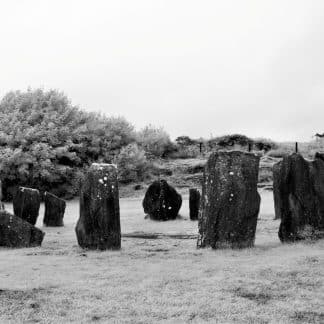
Ireland BW Canvas Prints
$229.00 (price_excluding_tax) Select options This product has multiple variants. The options may be chosen on the product page -
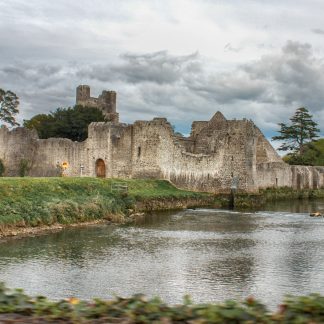
Irish Towers and Castles in Color
$350.00 (price_excluding_tax) Select options This product has multiple variants. The options may be chosen on the product page -
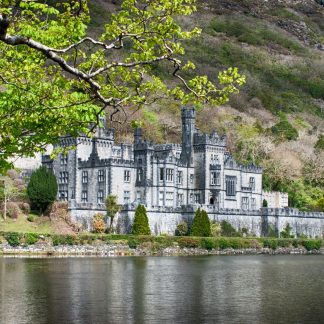
West of Ireland Color Photography
$229.00 (price_excluding_tax) Select options This product has multiple variants. The options may be chosen on the product page -
West of Ireland Framed Prints
$550.00 (price_excluding_tax) Select options This product has multiple variants. The options may be chosen on the product page


Showing all 5 results