
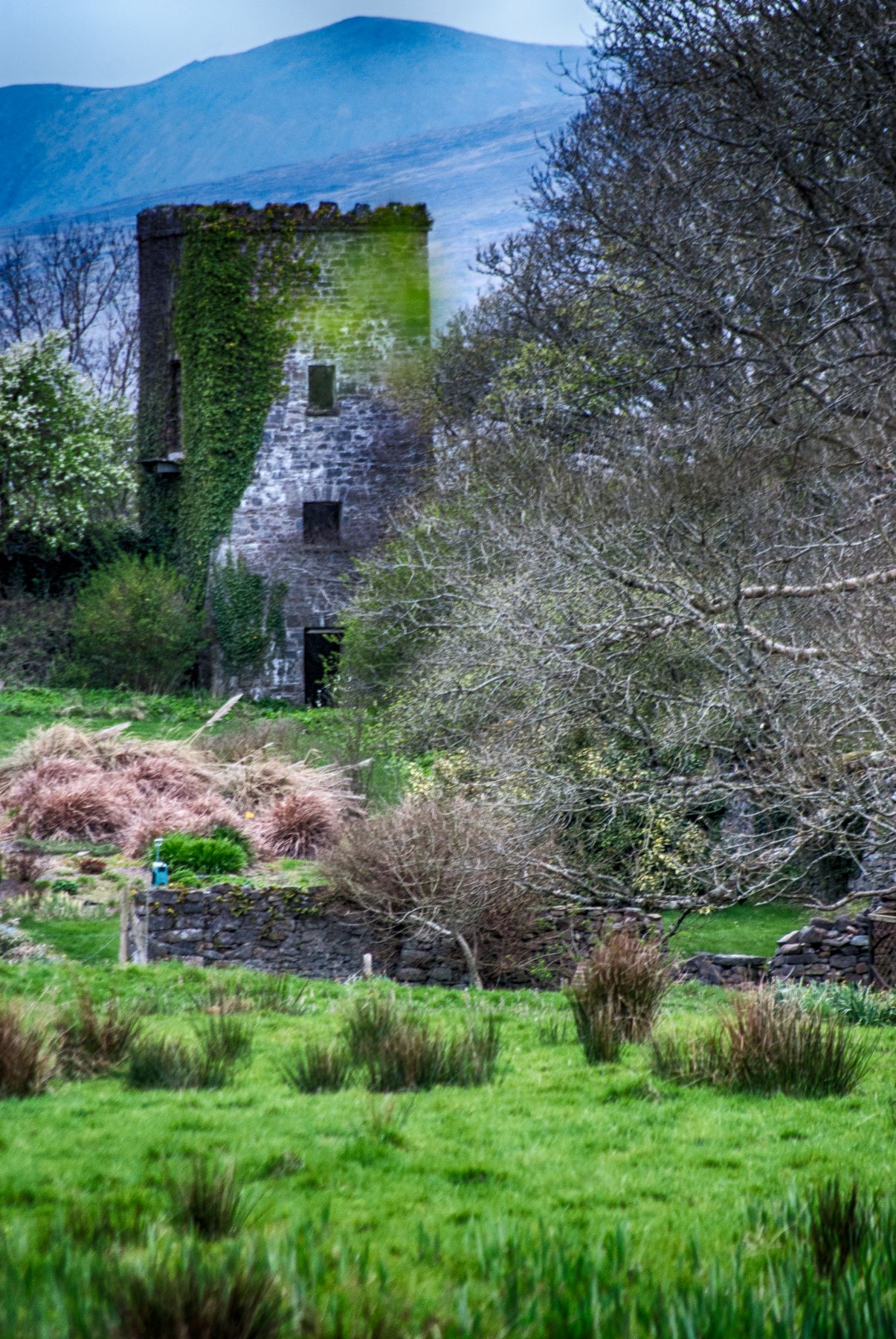


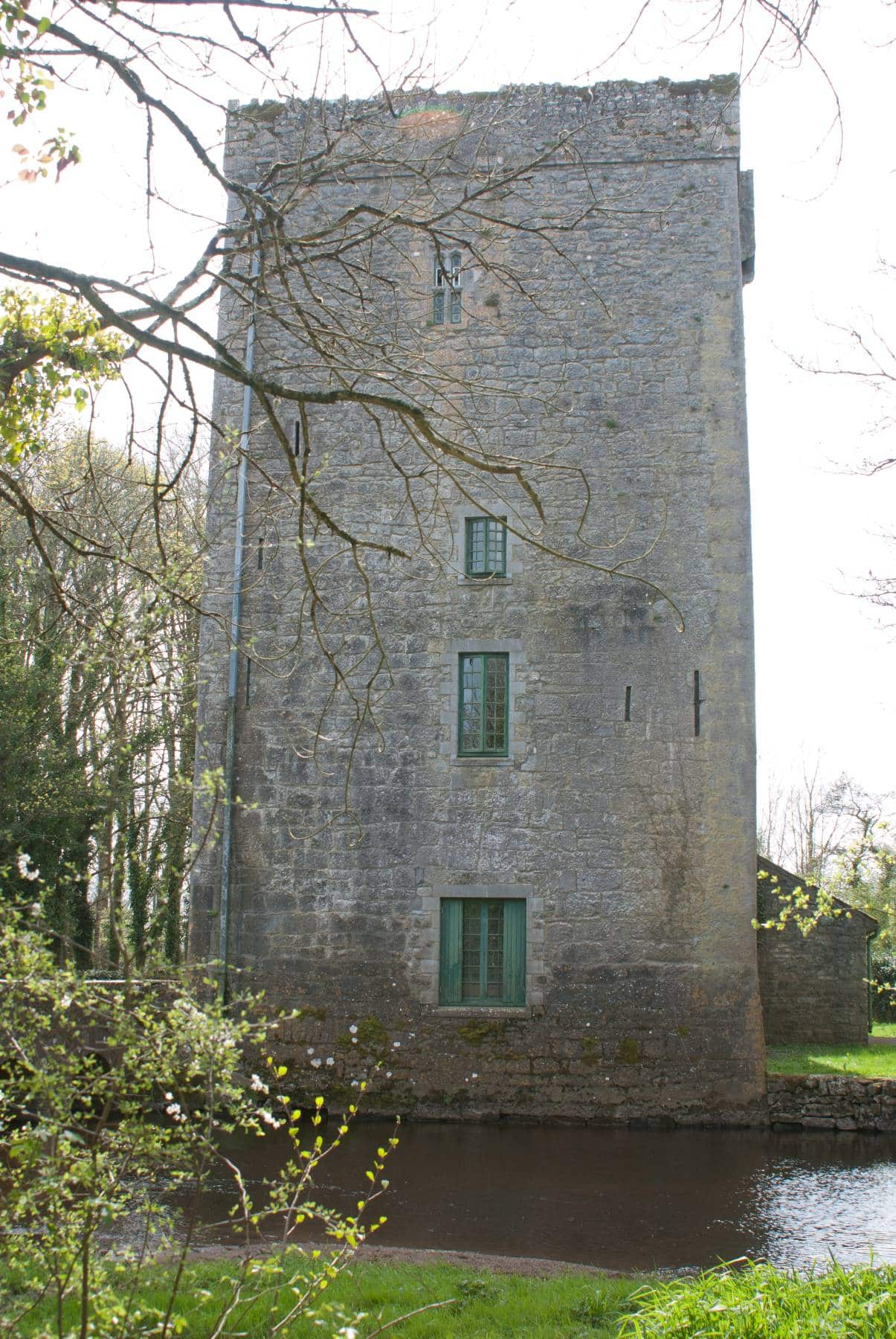
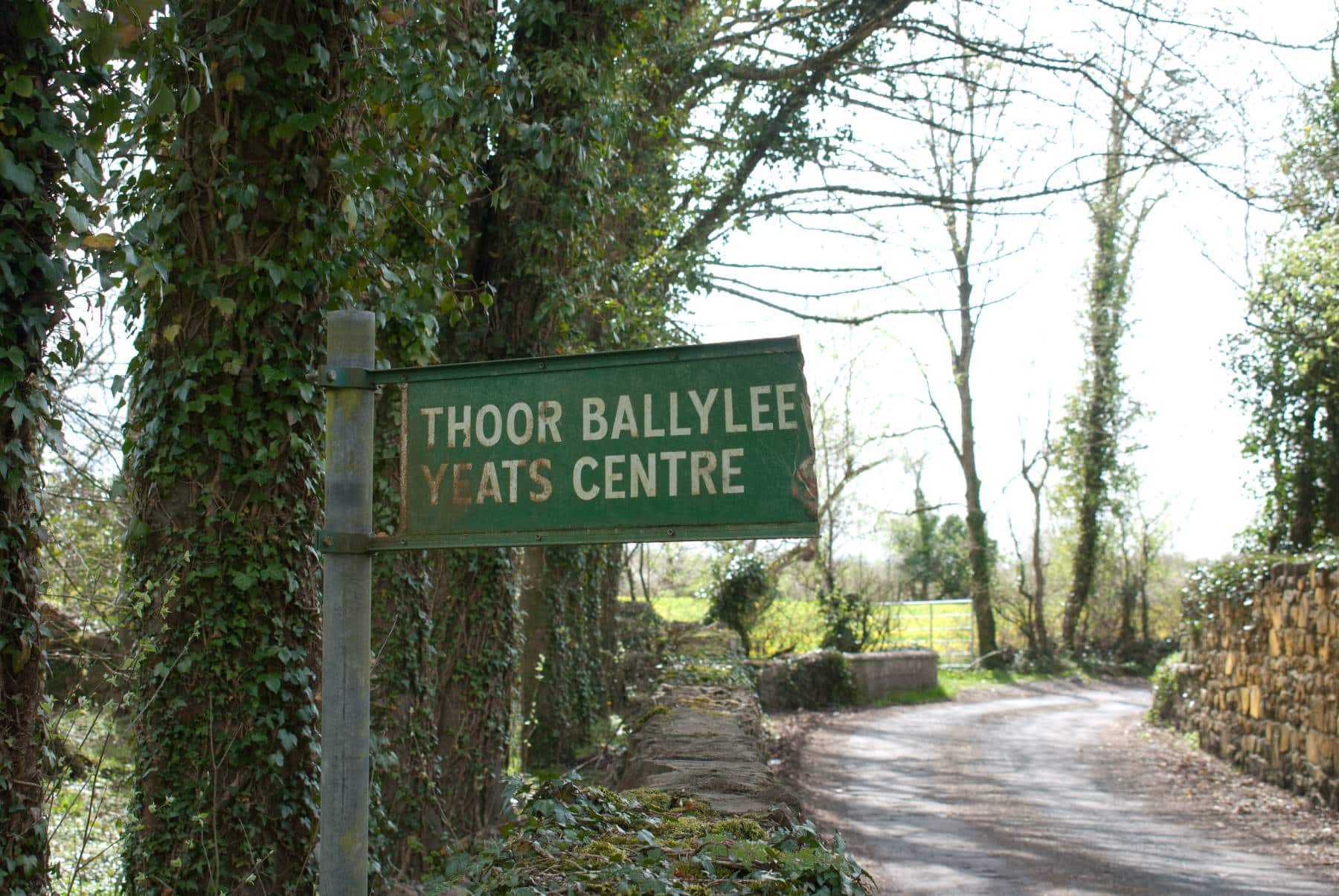

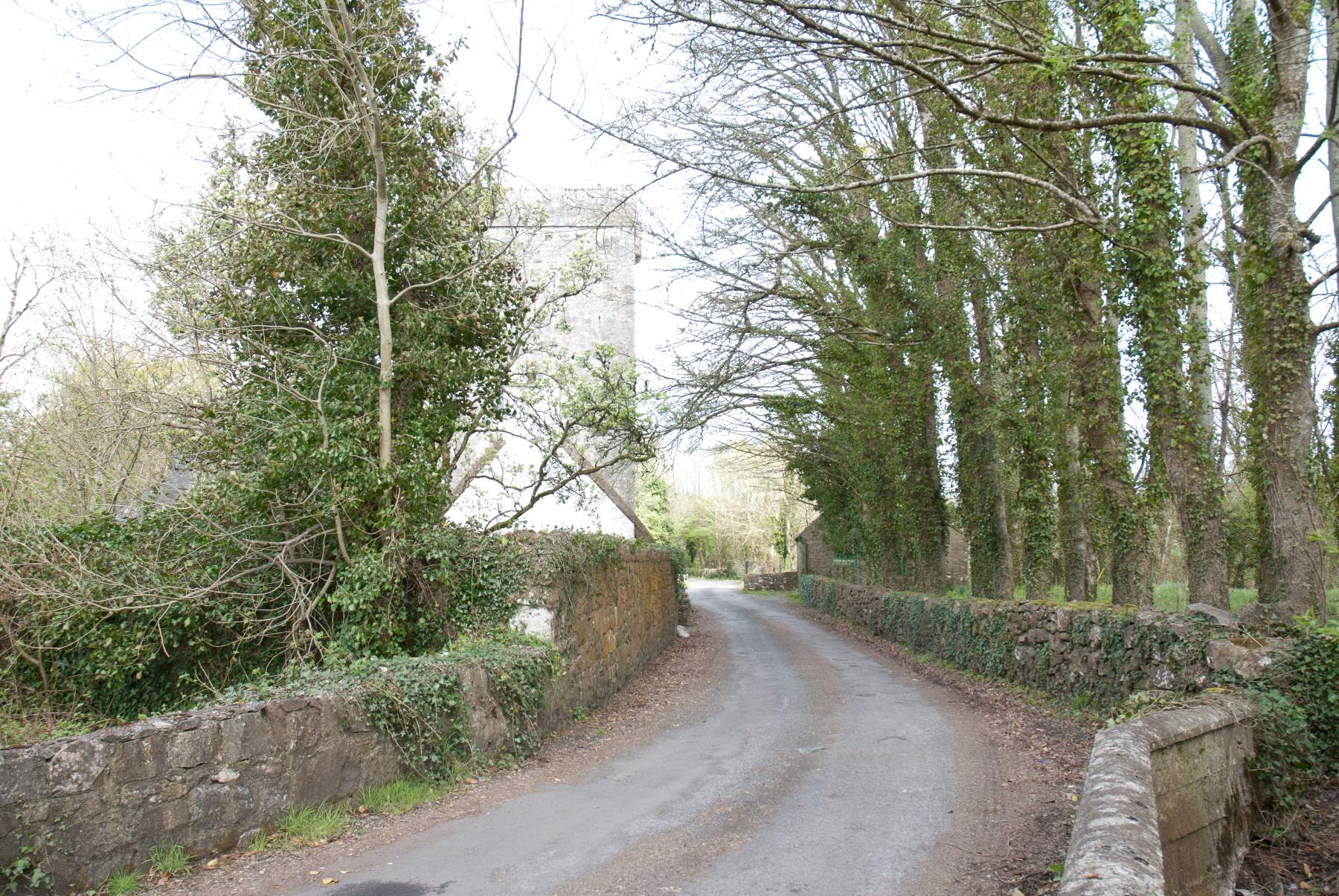



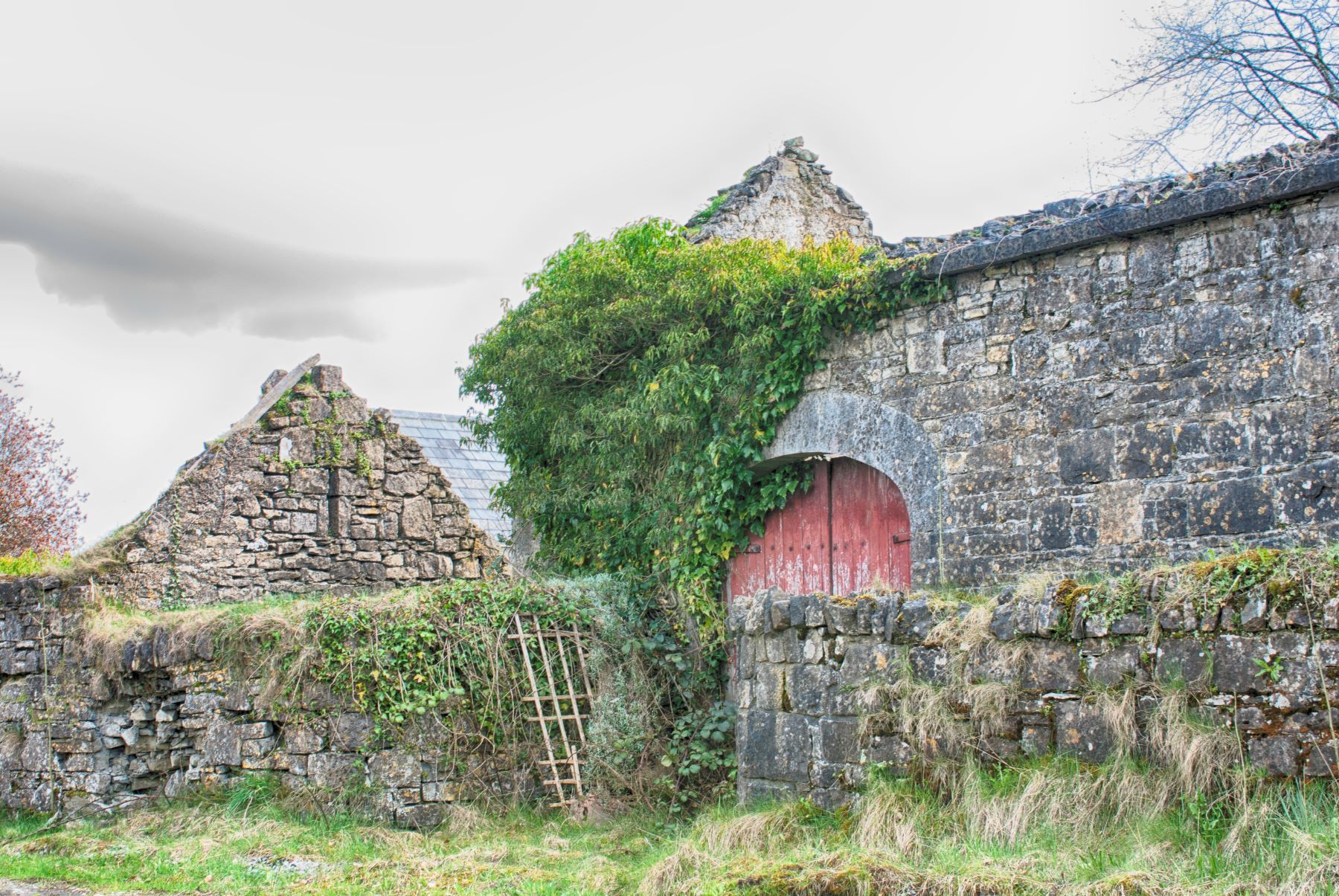
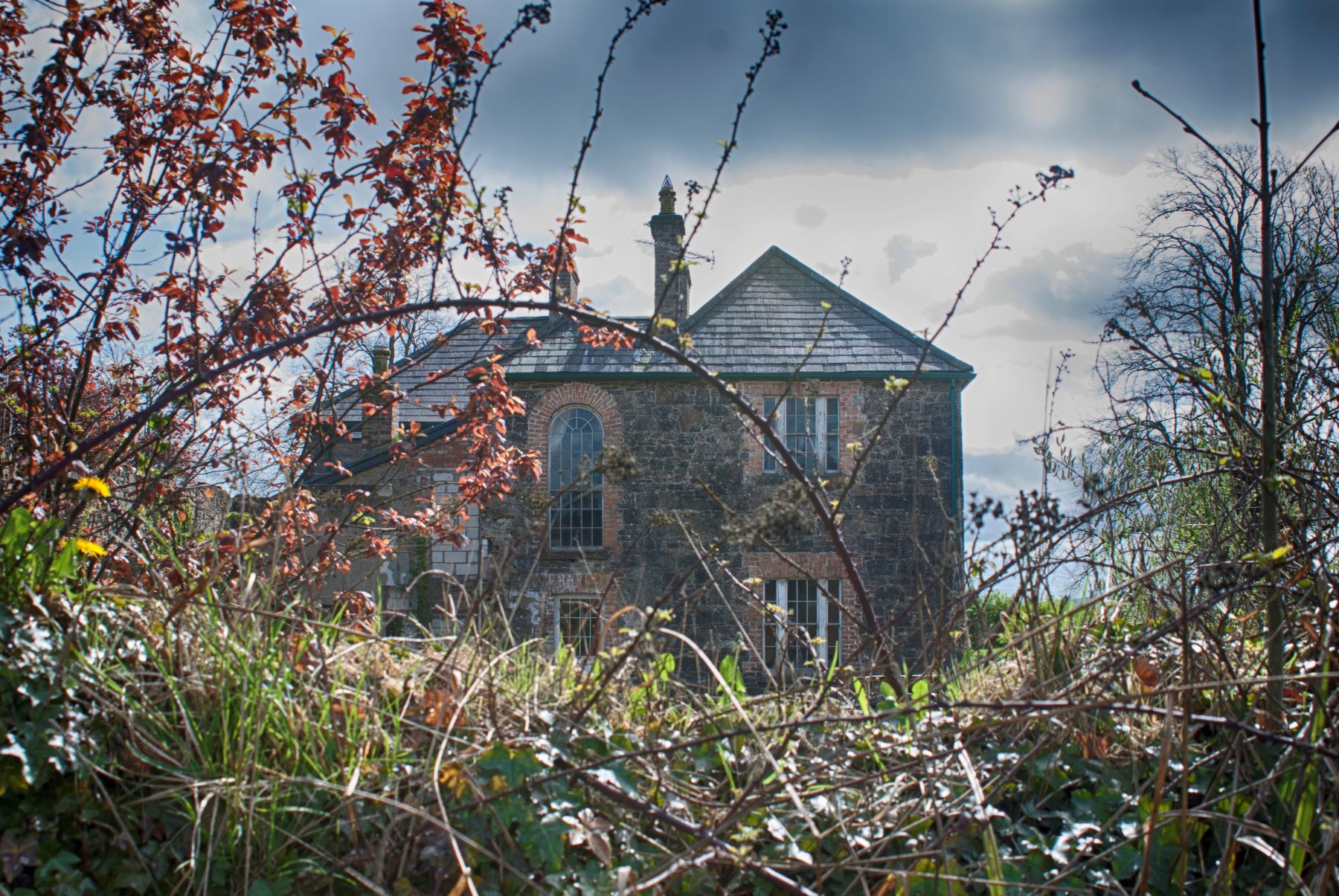
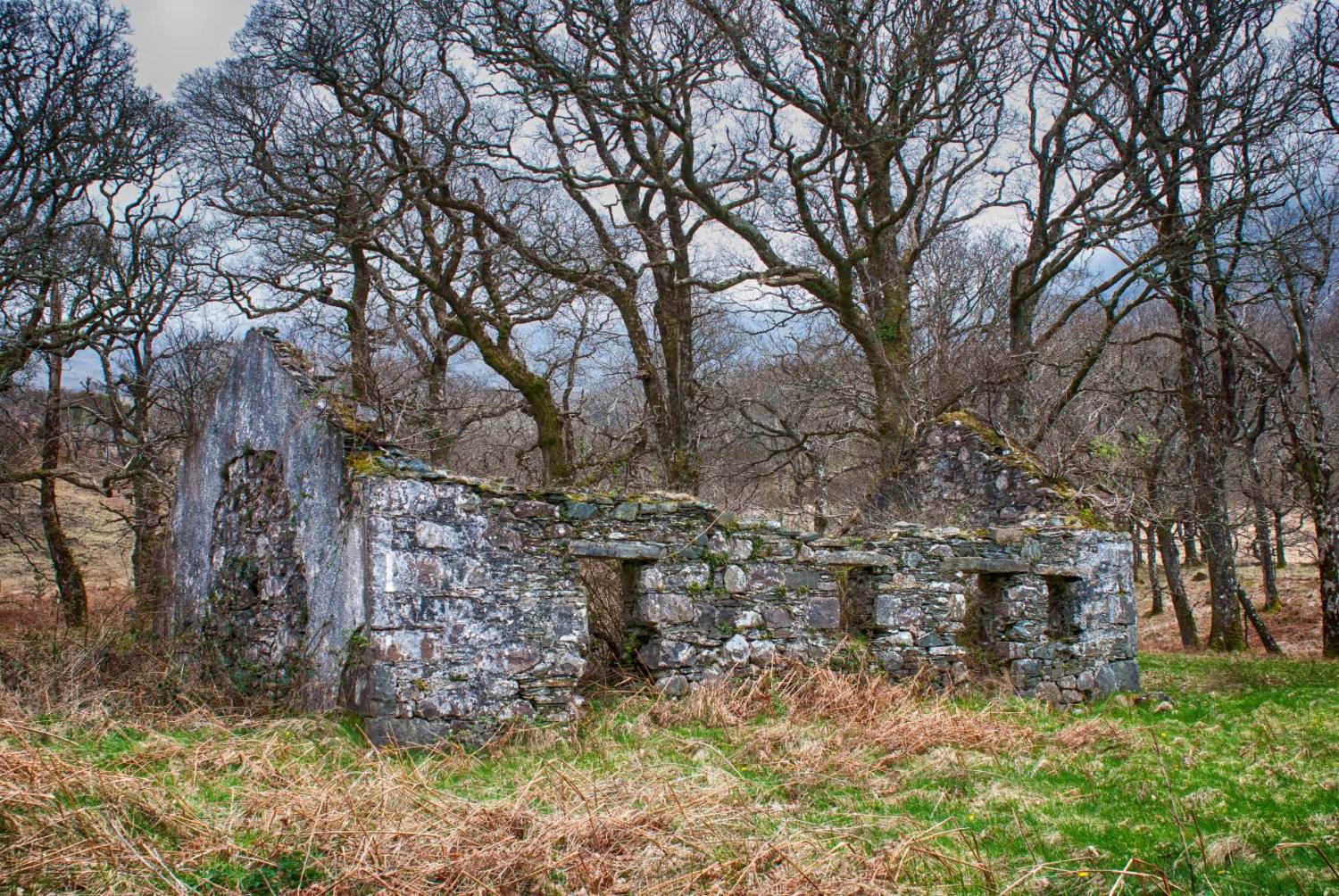
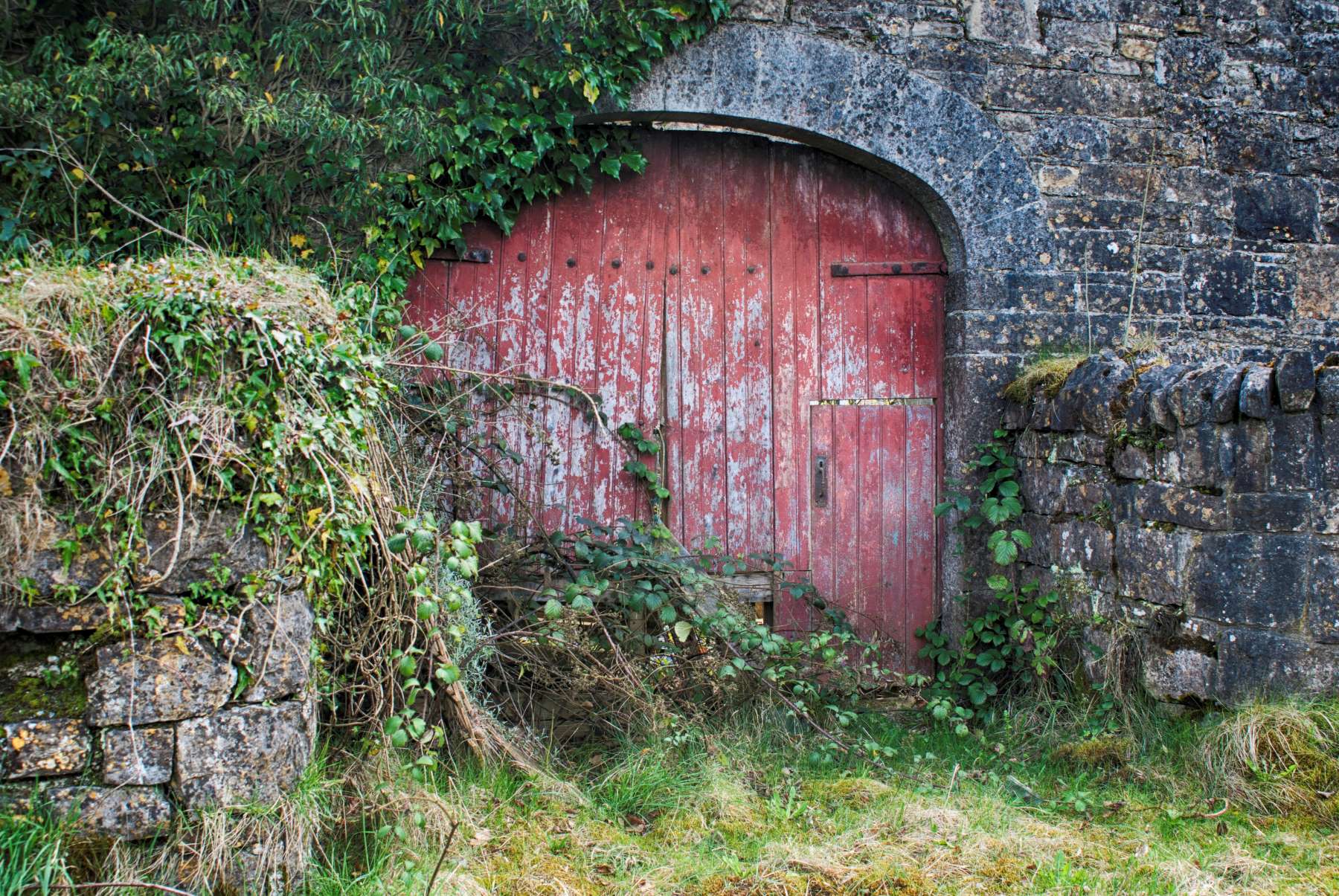


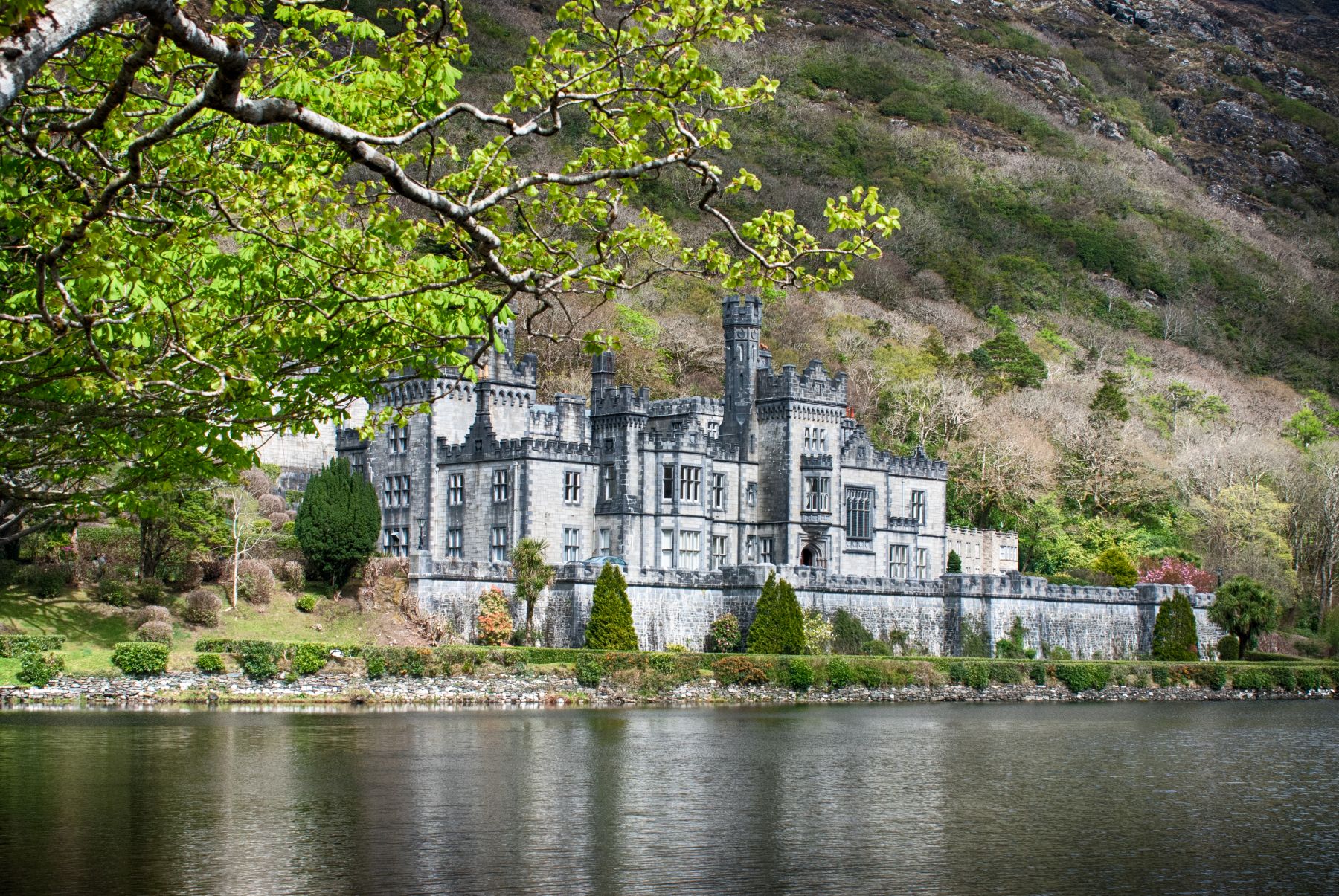
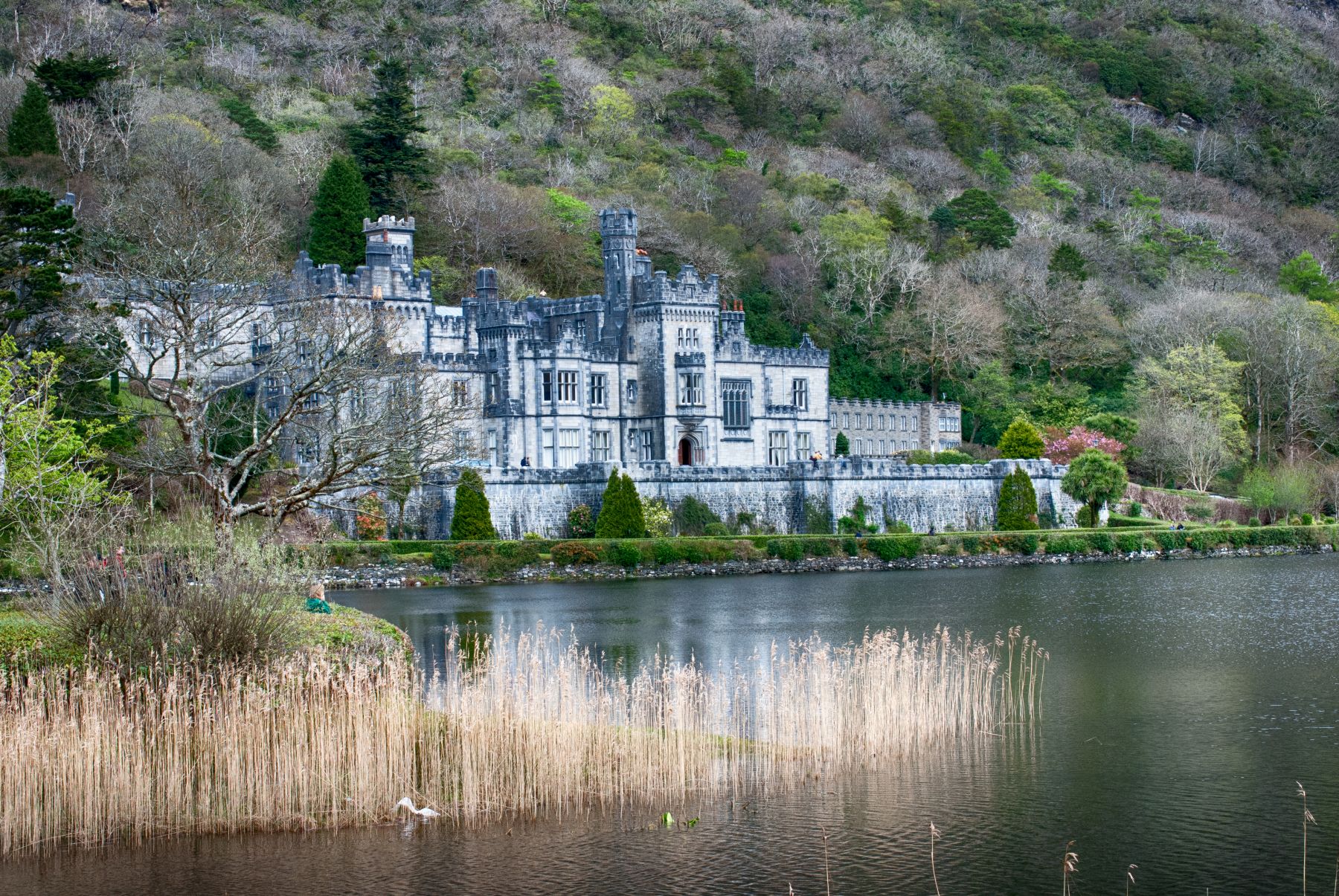
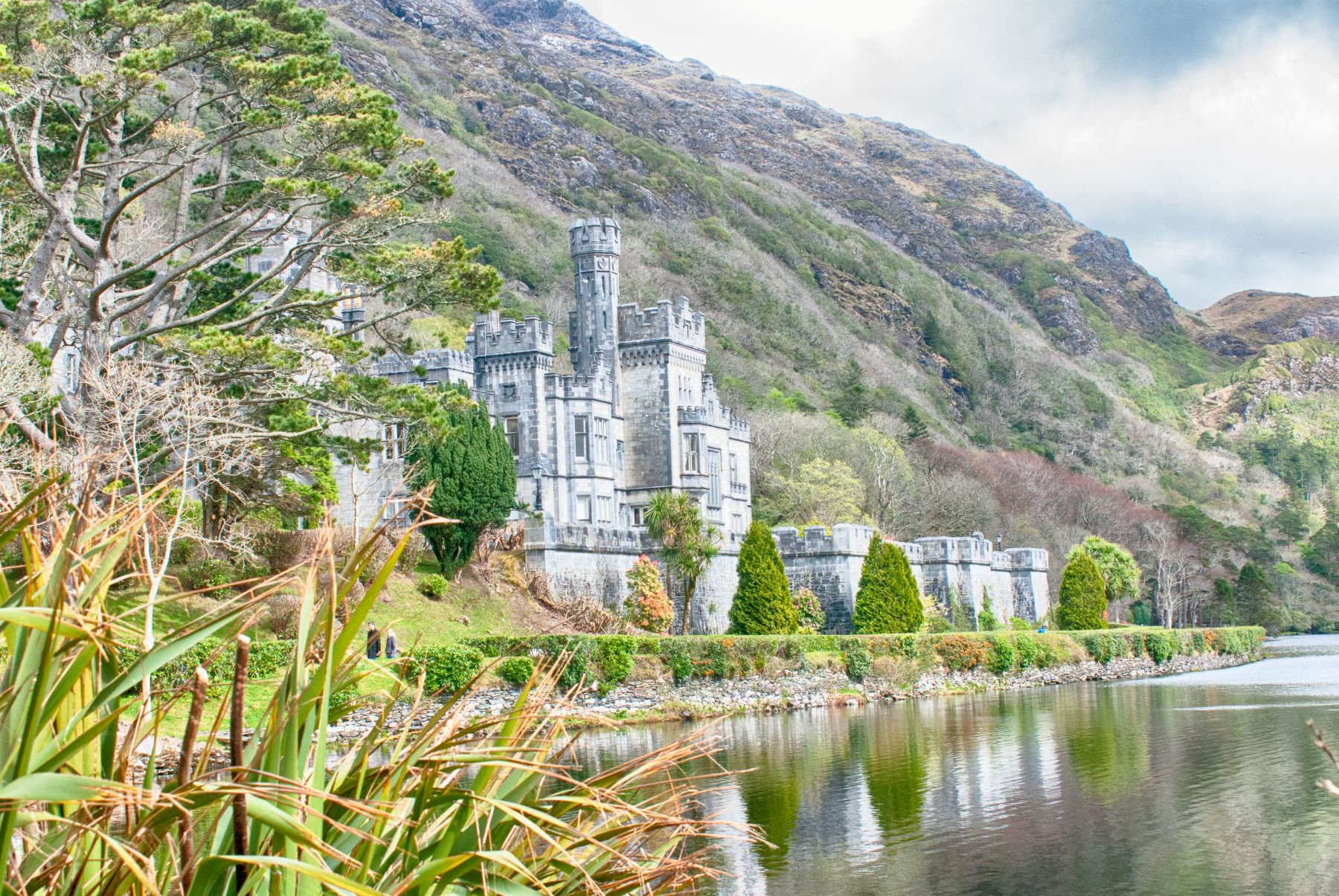
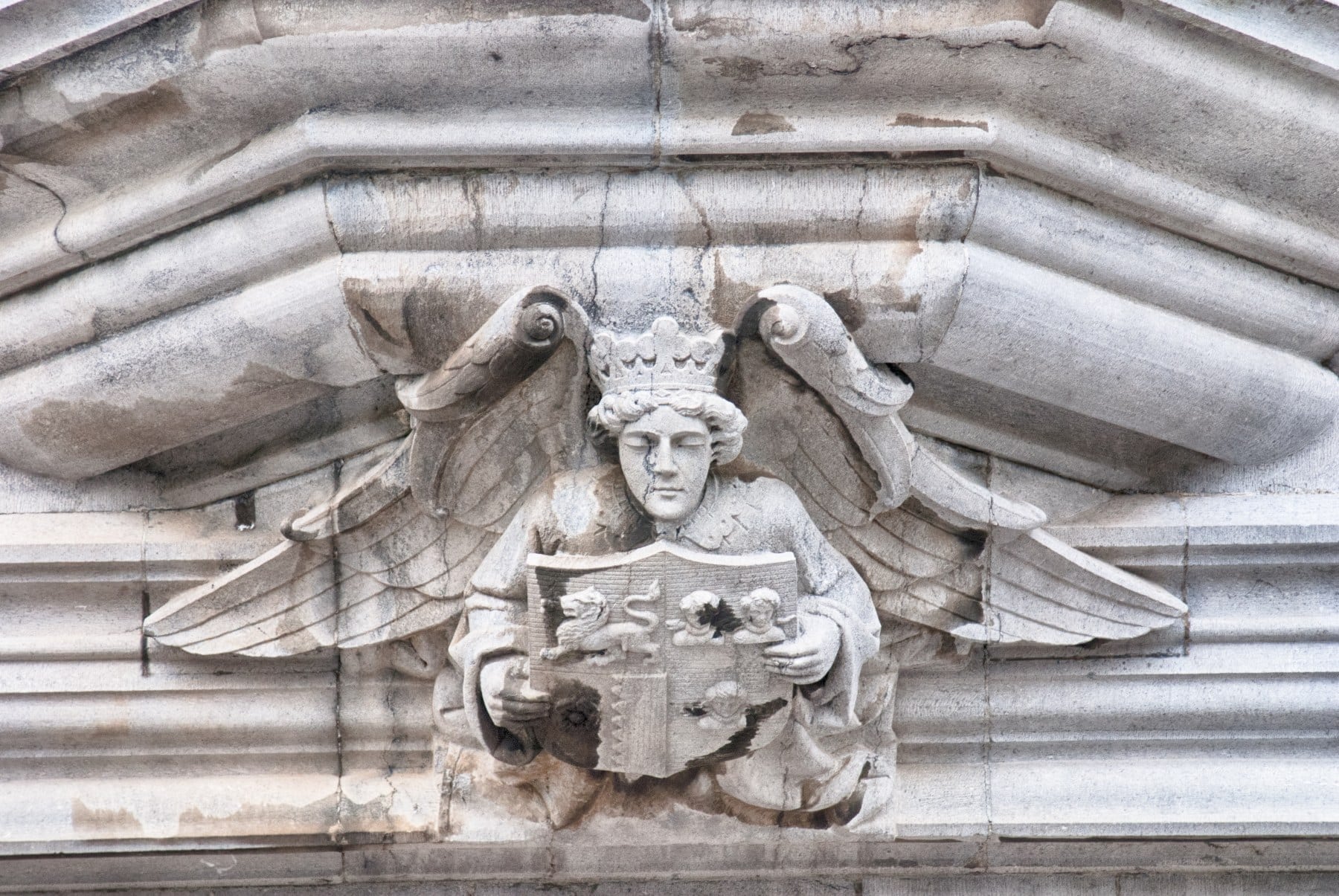
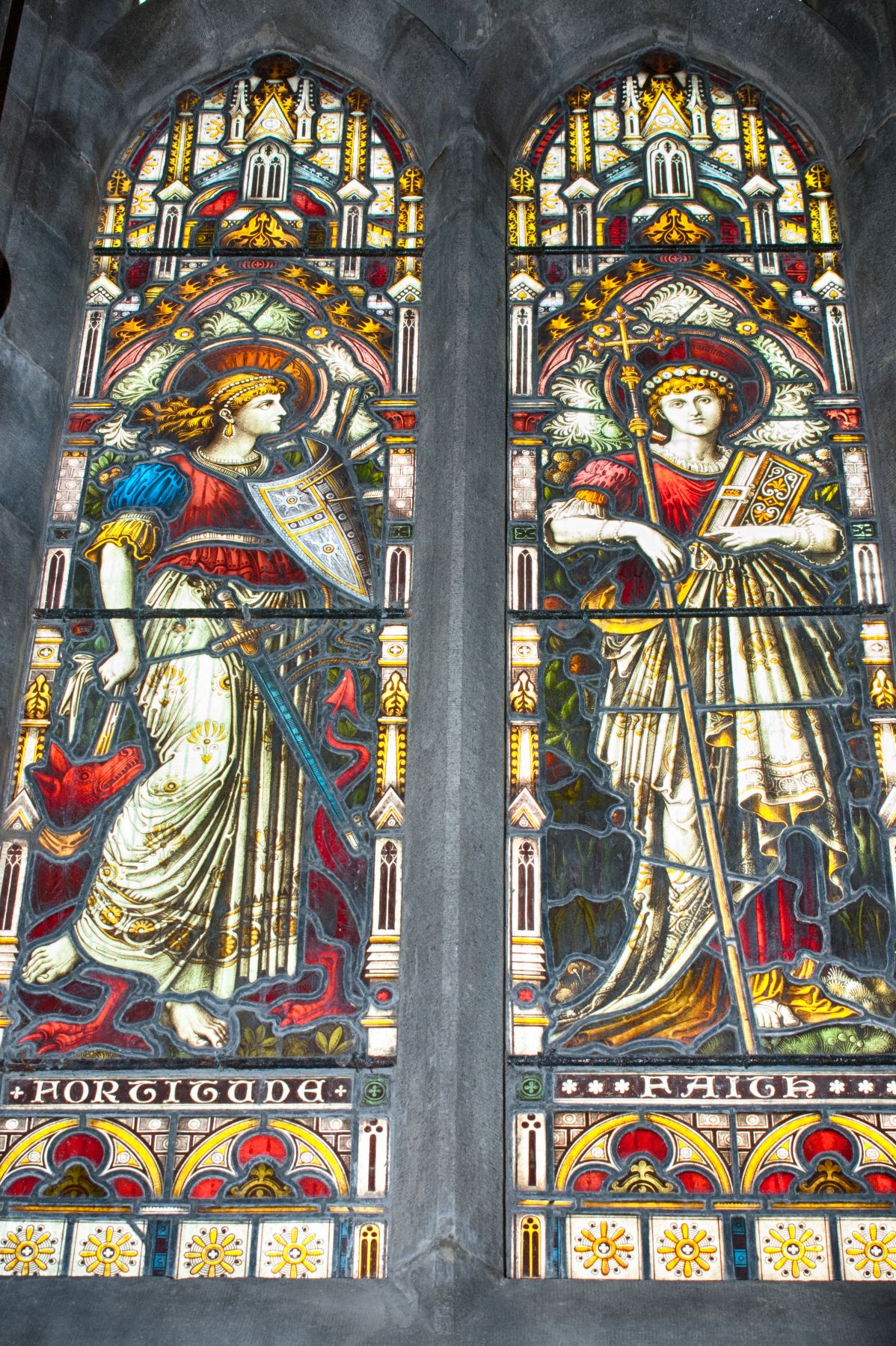
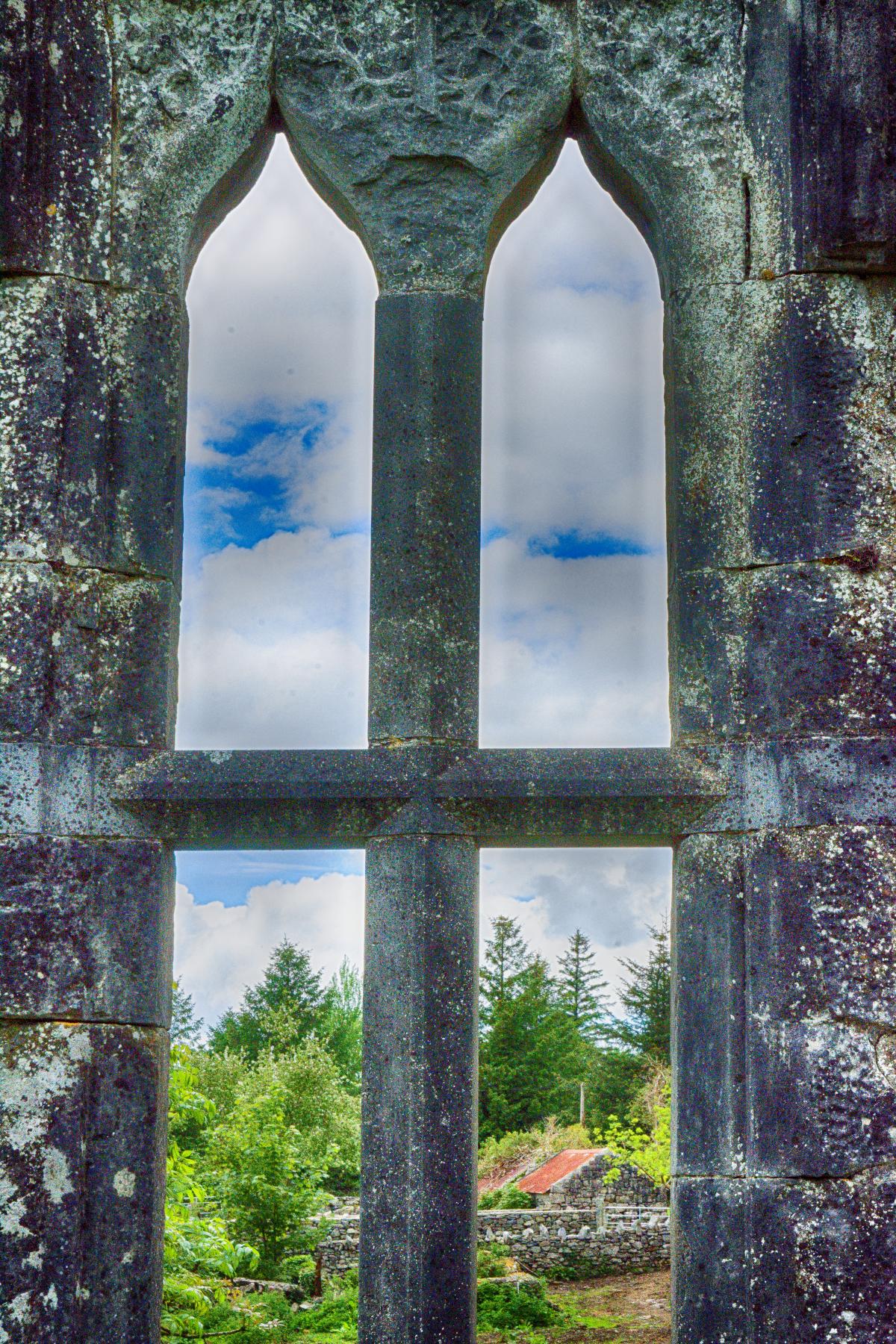
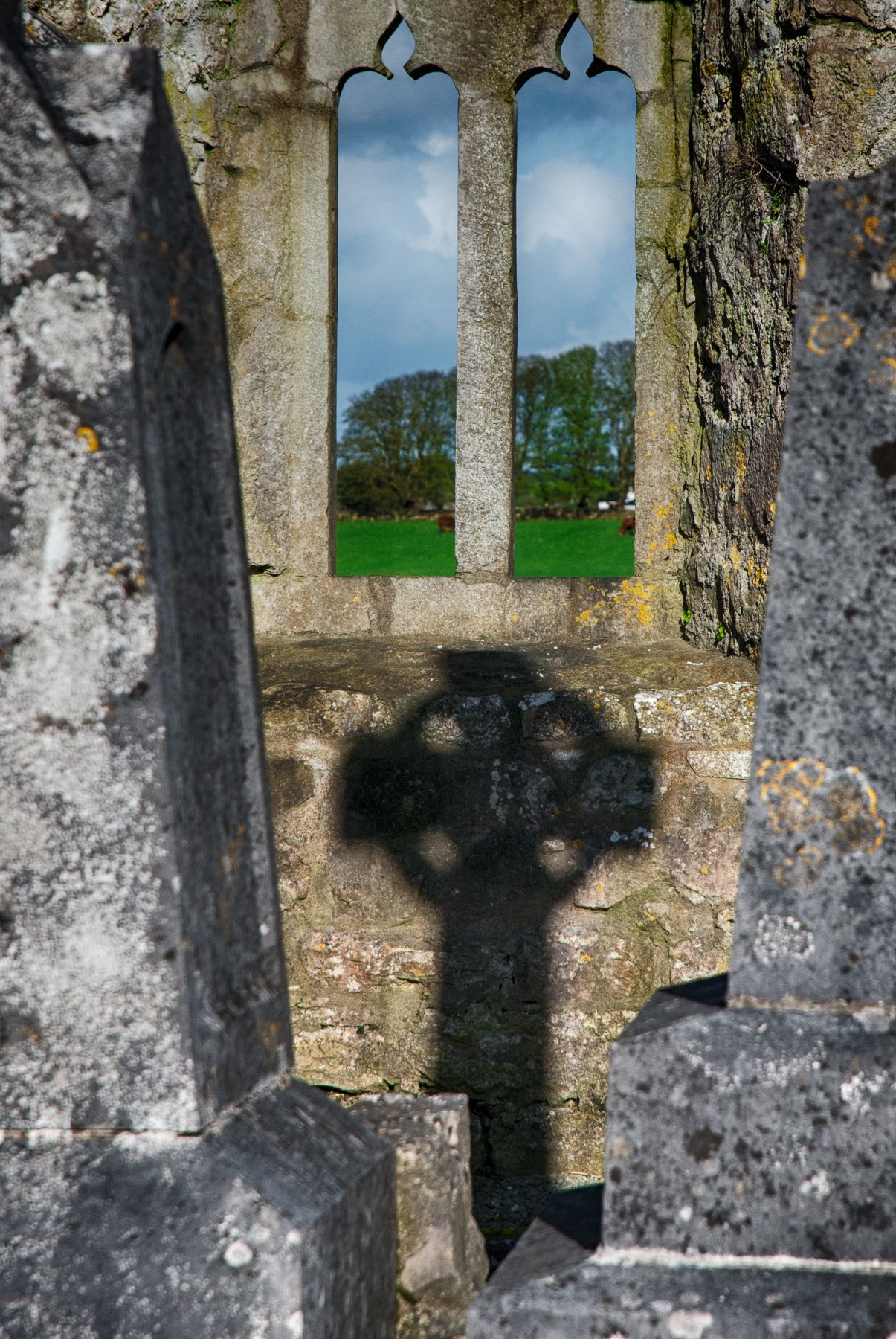
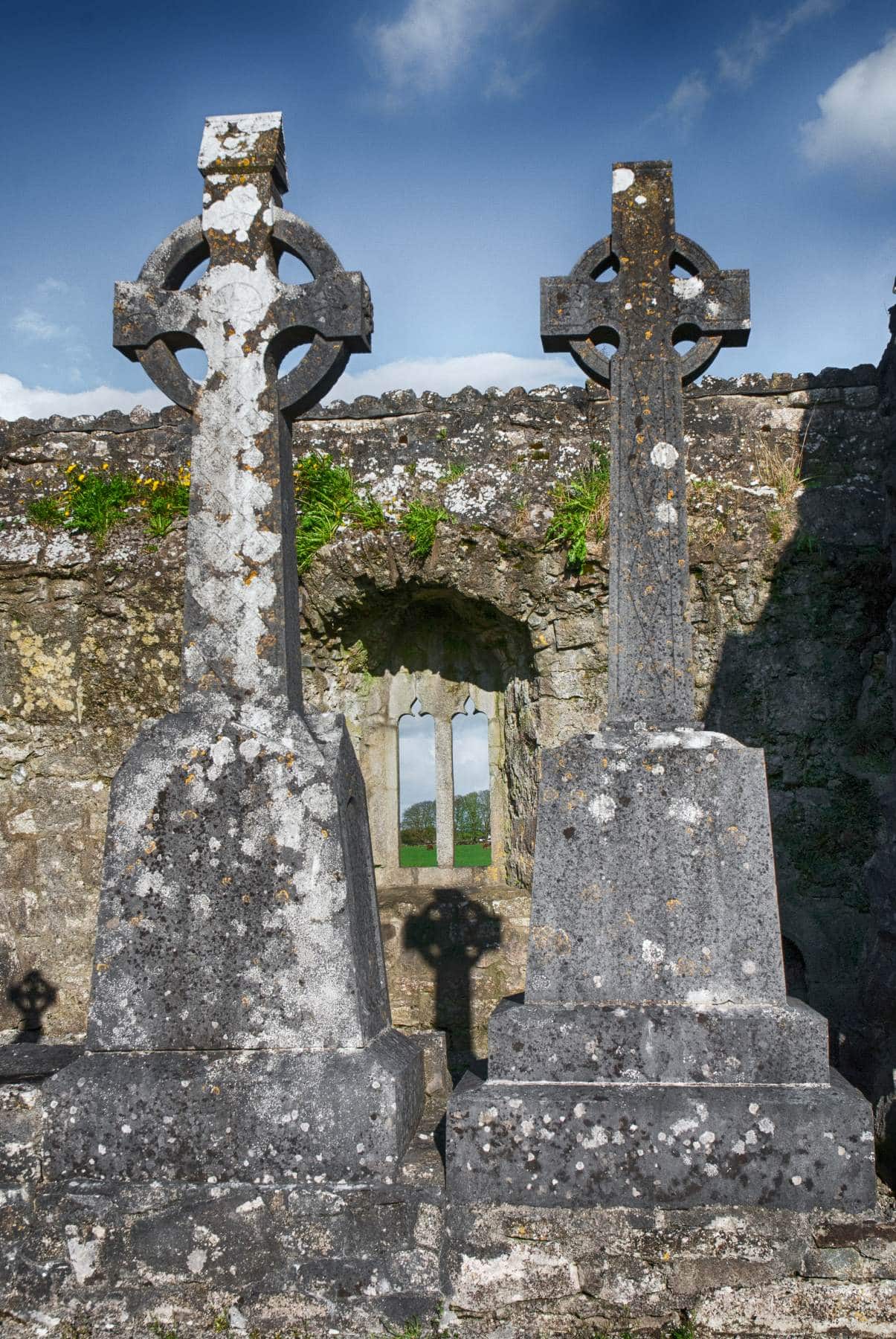


Description
West of Ireland Color Photography
by Jacqueline LaRocca

History of the West of Ireland
Ancient Settlements
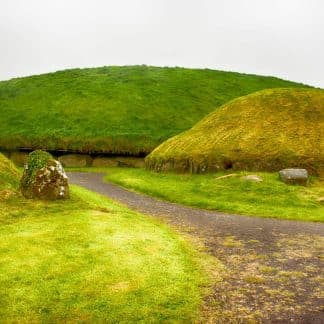
People settled the West of Ireland thousands of years ago. They built stone circles, cairns, and ringforts. Moreover, early farmers cleared forests and shaped fertile fields. Soon, Celtic groups arrived and strengthened tribal kingdoms. Consequently, the region developed a distinct cultural identity. Additionally, its rugged terrain encouraged independent communities.
Early Christian Influence
Christianity spread across the west during the fifth century. Monks founded monasteries on islands and remote headlands. These communities preserved learning and produced beautiful manuscripts. Furthermore, they shaped local art and architecture. Their influence spread through valleys and coastal settlements. As a result, the region became a major spiritual center.
Viking and Norman Arrivals
Vikings raided coastal settlements during the ninth century. They created trading posts and influenced local commerce. However, Irish clans gradually pushed them back. Later, Normans entered the region in the twelfth century. They built castles, towns, and new farming systems. Yet Gaelic families resisted and regained much territory. Consequently, Norman control remained limited in many districts. Moreover, Gaelic customs continued to dominate daily life.
Gaelic Strength and Survival
Powerful clans ruled the west for centuries. The O’Flahertys controlled Connemara. The O’Malleys commanded Mayo’s coasts. Meanwhile, the O’Kellys and O’Connors shaped Galway and Roscommon. These families defended their lands fiercely. Therefore, Gaelic culture remained vibrant and resilient. Additionally, music, poetry, and storytelling flourished in rural communities. Even today, their traditions remain influential.
Tudor Conquest and Plantation
England expanded its authority during the sixteenth century. It imposed new laws and challenged Gaelic leaders. Consequently, rebellions erupted across Connacht. The Nine Years’ War devastated many districts. Later, plantations brought English settlers into confiscated lands. However, rugged terrain and strong resistance limited plantation success. Even so, political power shifted toward English rule.
Seventeenth-Century Turmoil
The seventeenth century brought war, confiscation, and displacement. Cromwellian forces seized lands and punished rebel families. Many Gaelic leaders fled or lost influence. Nevertheless, Irish culture survived in remote valleys and islands. Catholic traditions also remained deeply rooted. Moreover, fishing and farming sustained isolated communities.
Eighteenth and Nineteenth Centuries
The region changed rapidly during the eighteenth century. Market towns grew along new roads and ports. Trade increased, and agriculture expanded. However, poverty persisted in many rural districts. The Great Famine struck the west severely. Mayo, Galway, and Clare suffered catastrophic population loss. Consequently, emigration soared and reshaped local society. Families left for America, Britain, and Australia.
Twentieth-Century Conflict and Change
Revolutionary activity surged during the early twentieth century. The west witnessed intense fighting during the War of Independence. After independence, the region modernized slowly. Roads improved, and new industries appeared. Furthermore, tourism expanded as visitors discovered dramatic landscapes.
Modern Identity
Today, the West of Ireland celebrates its heritage proudly. Irish language communities remain active in the Gaeltacht. Traditional music thrives in pubs and festivals. Additionally, artists and travelers flock to the region. Its mountains, islands, and coasts continue to inspire creativity and preserve ancient traditions.
Reviews
There are no reviews yet.