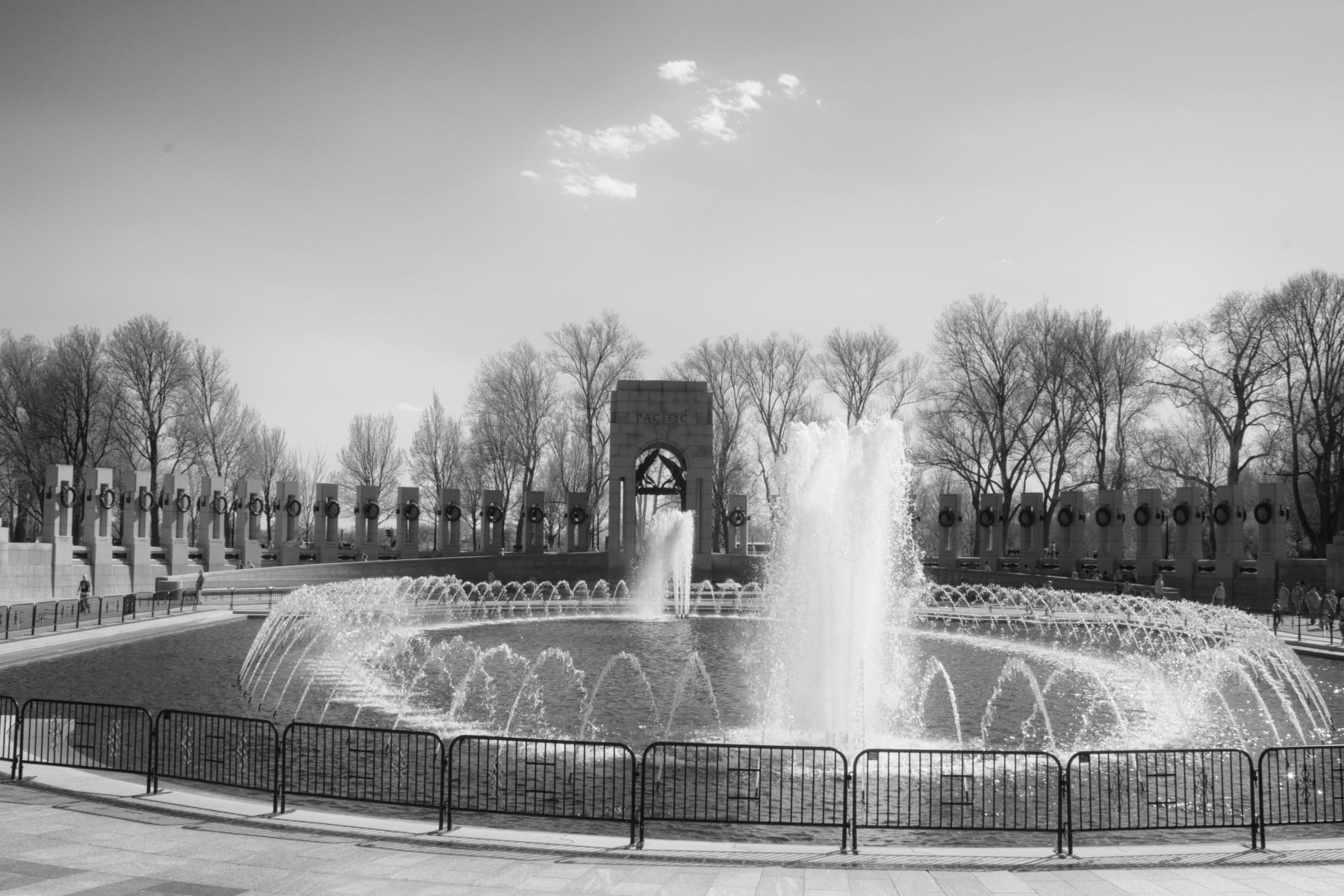
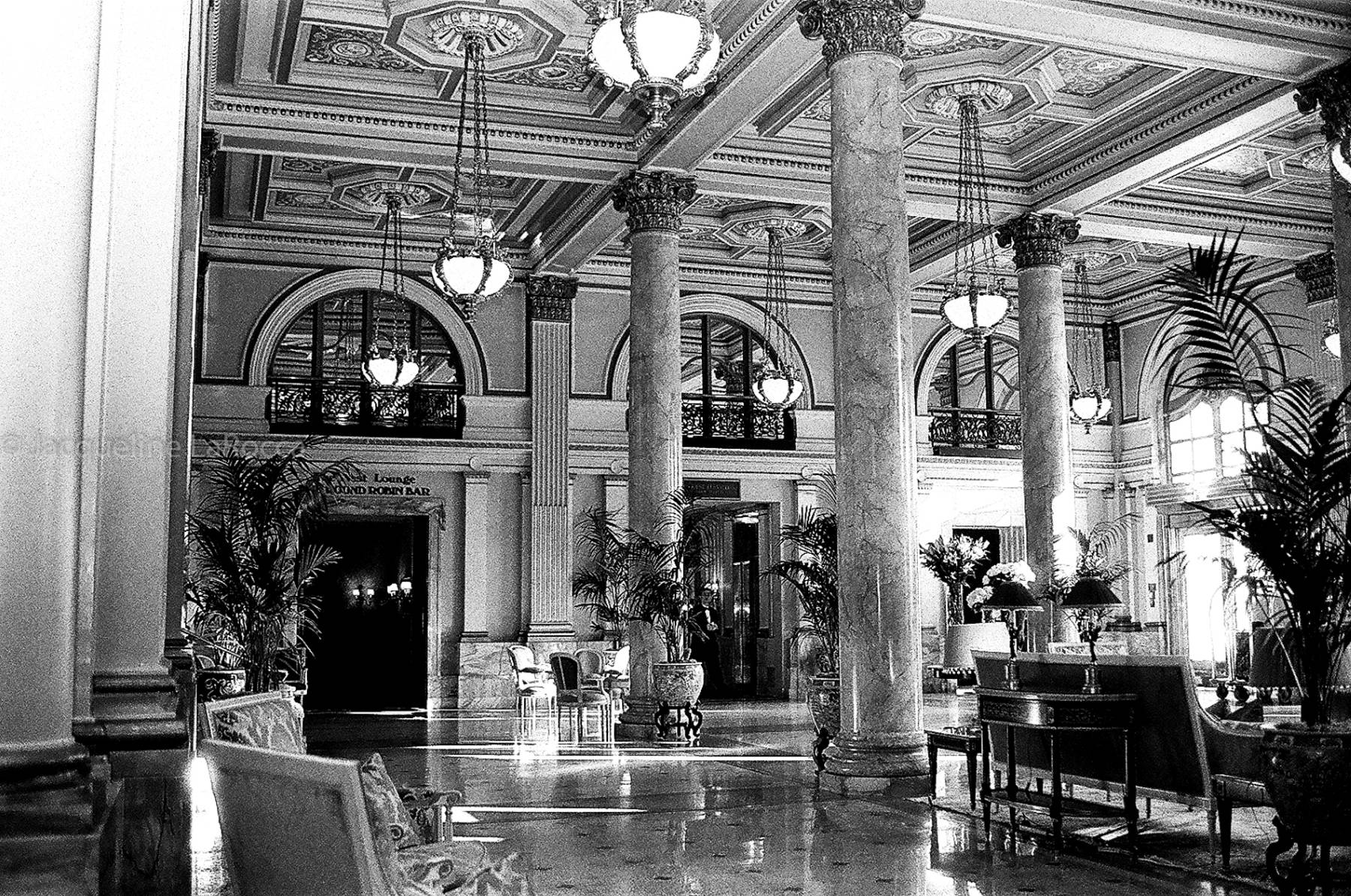
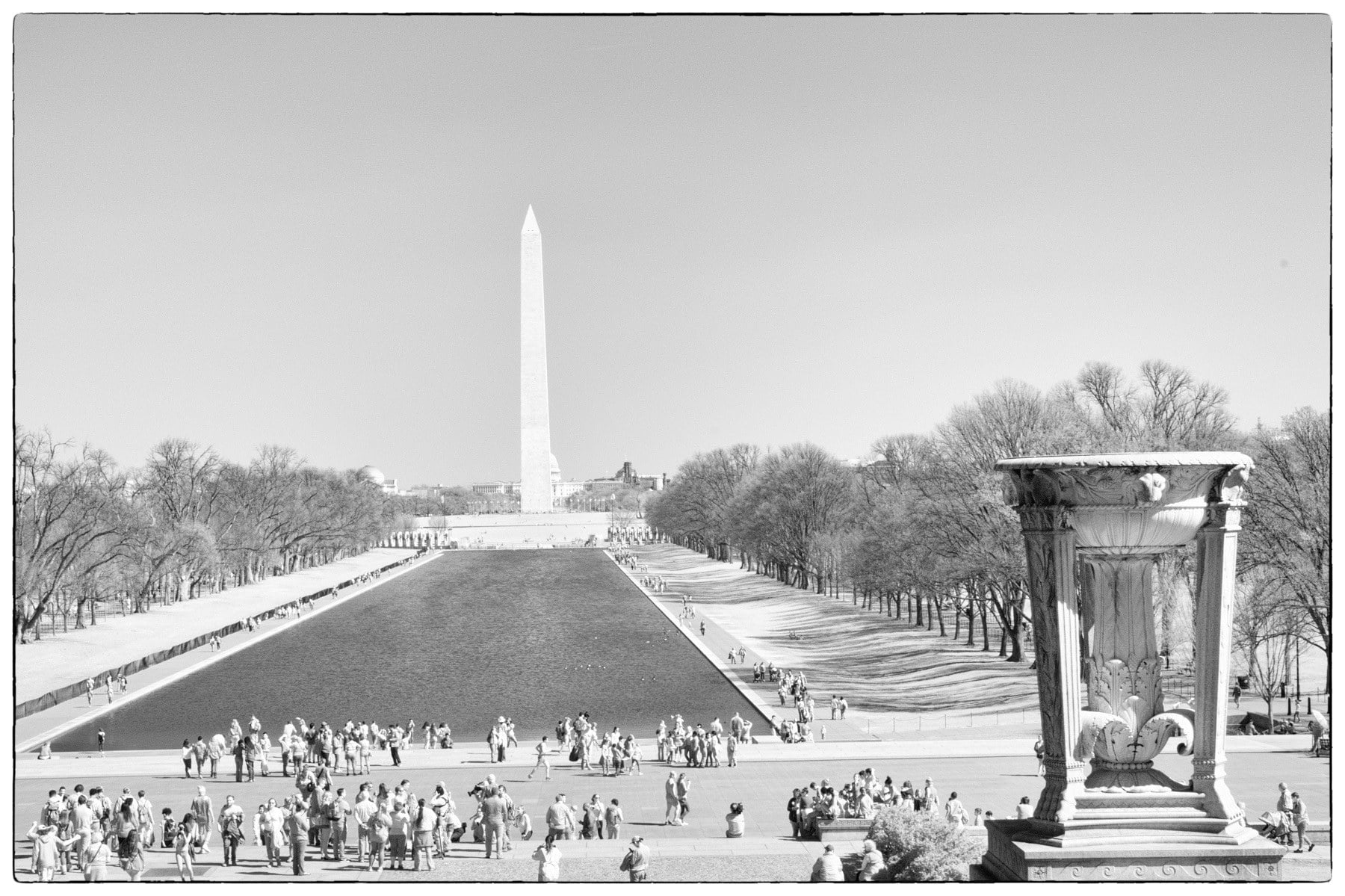
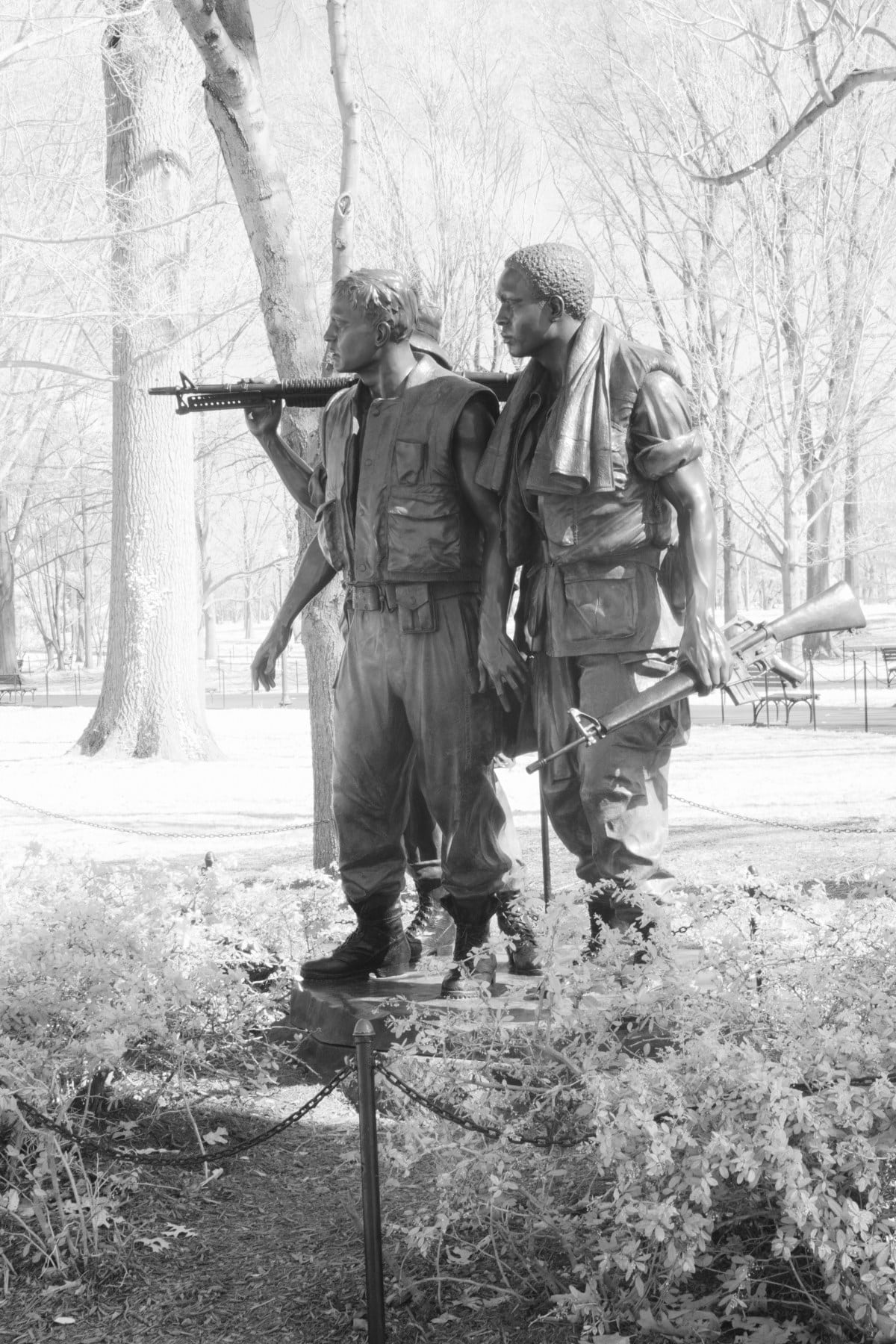
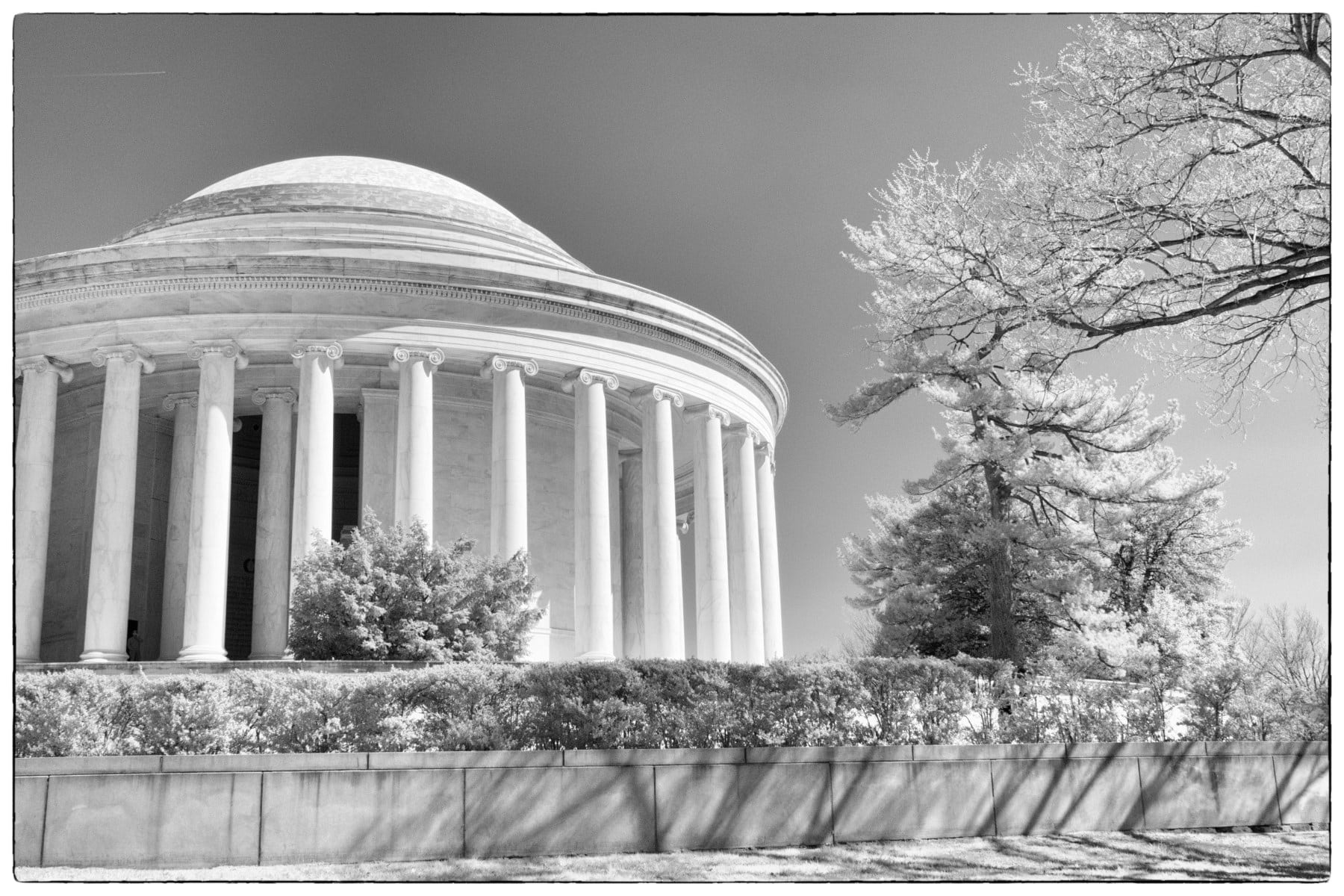
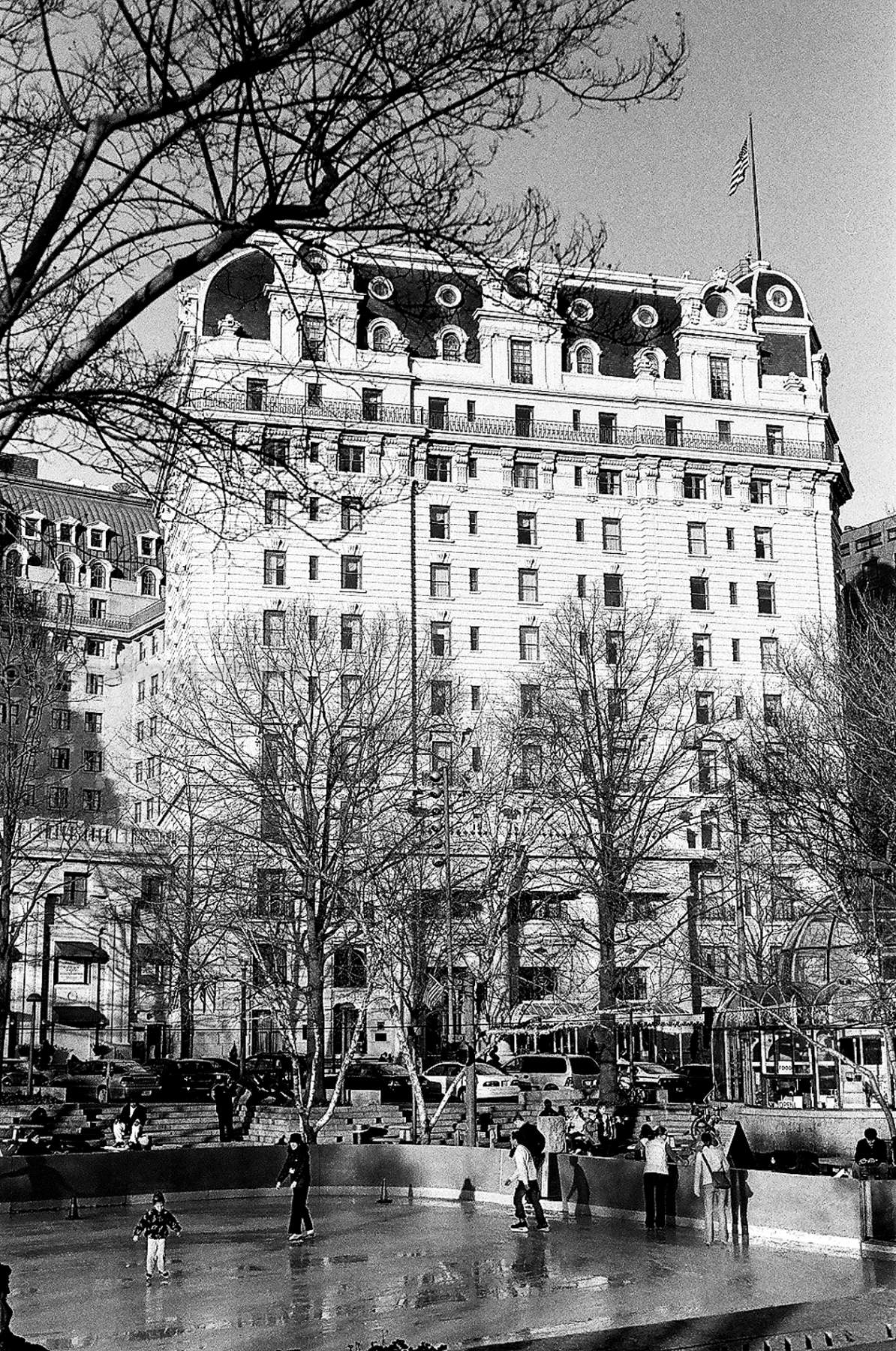
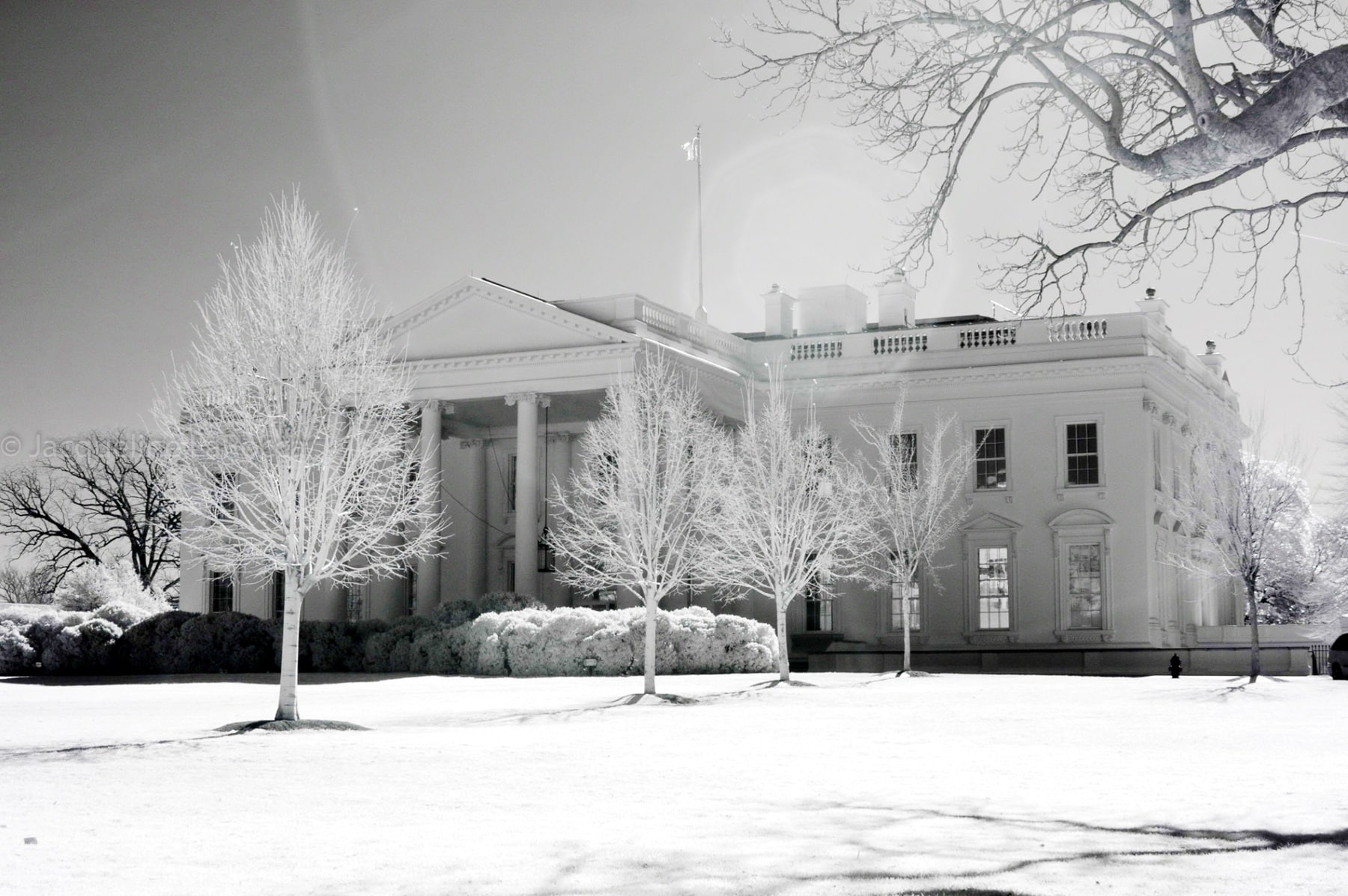
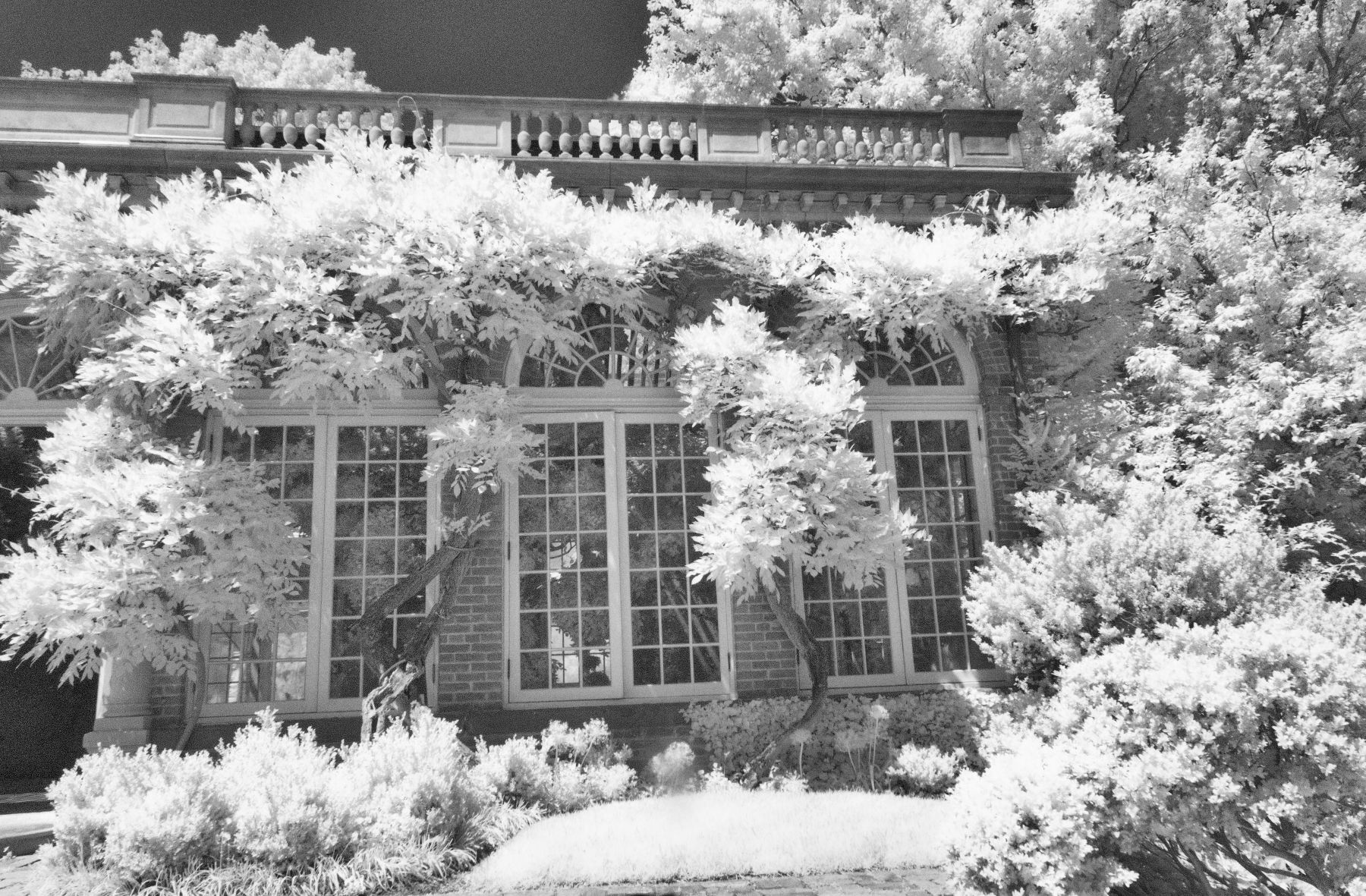
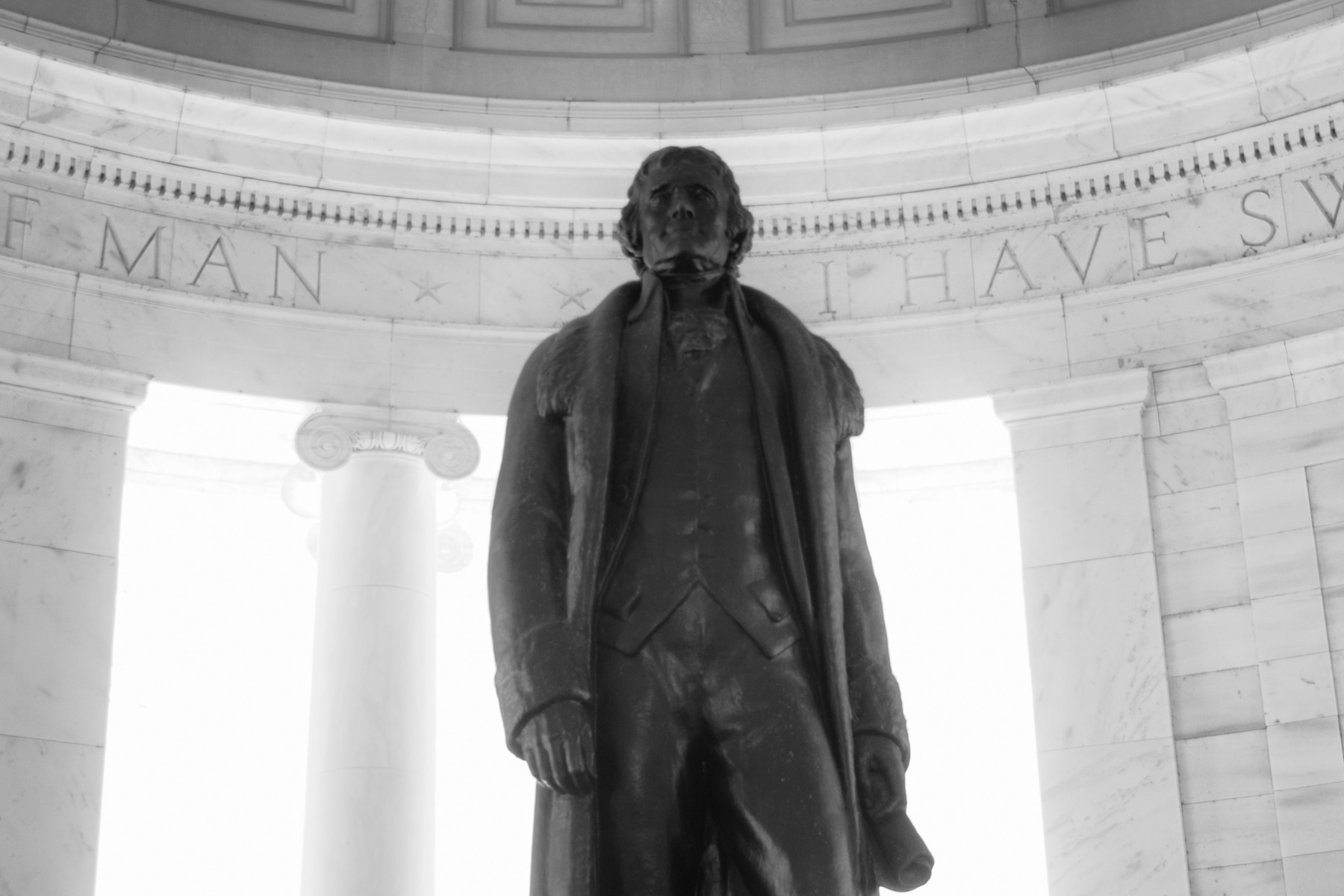
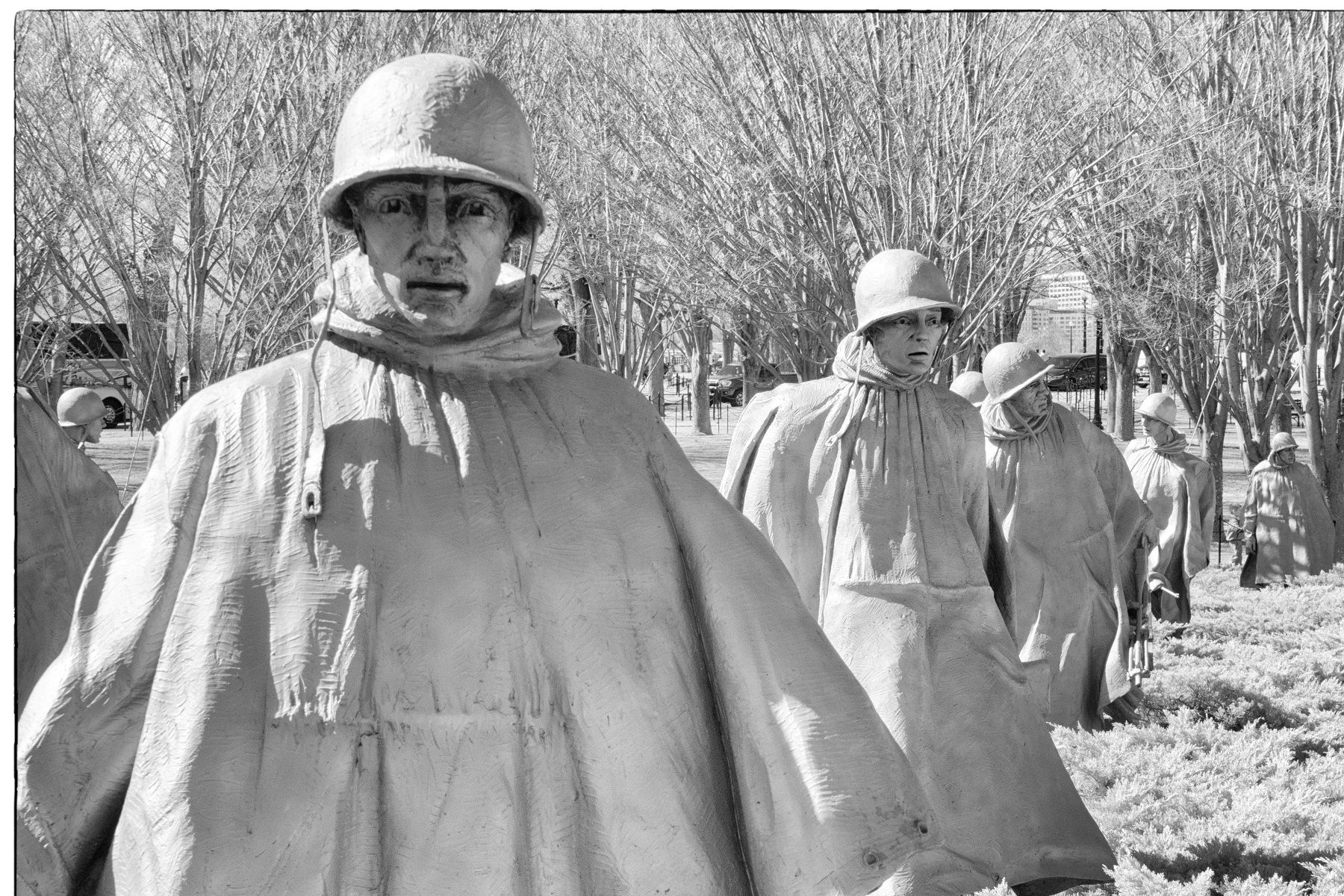
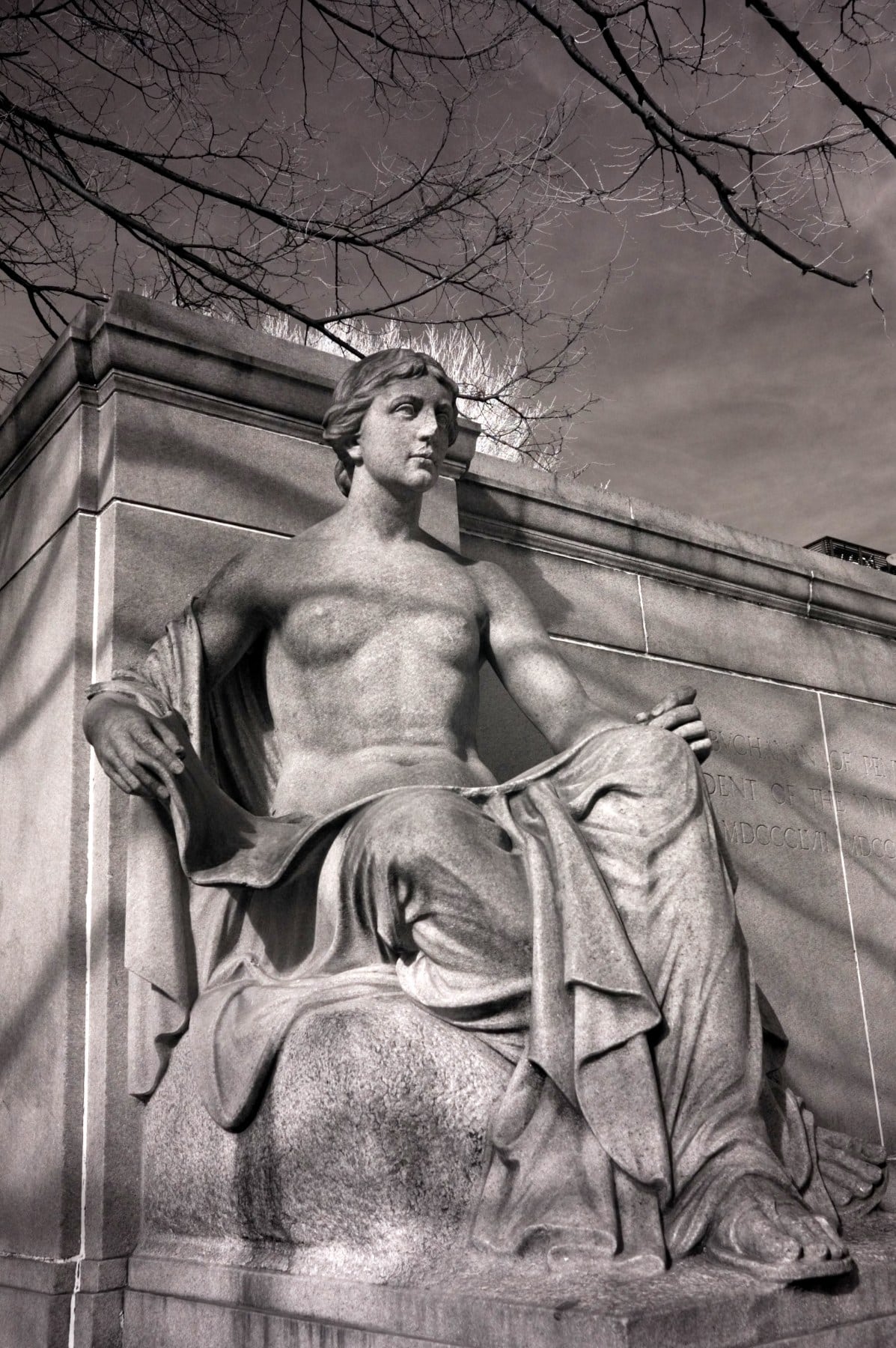
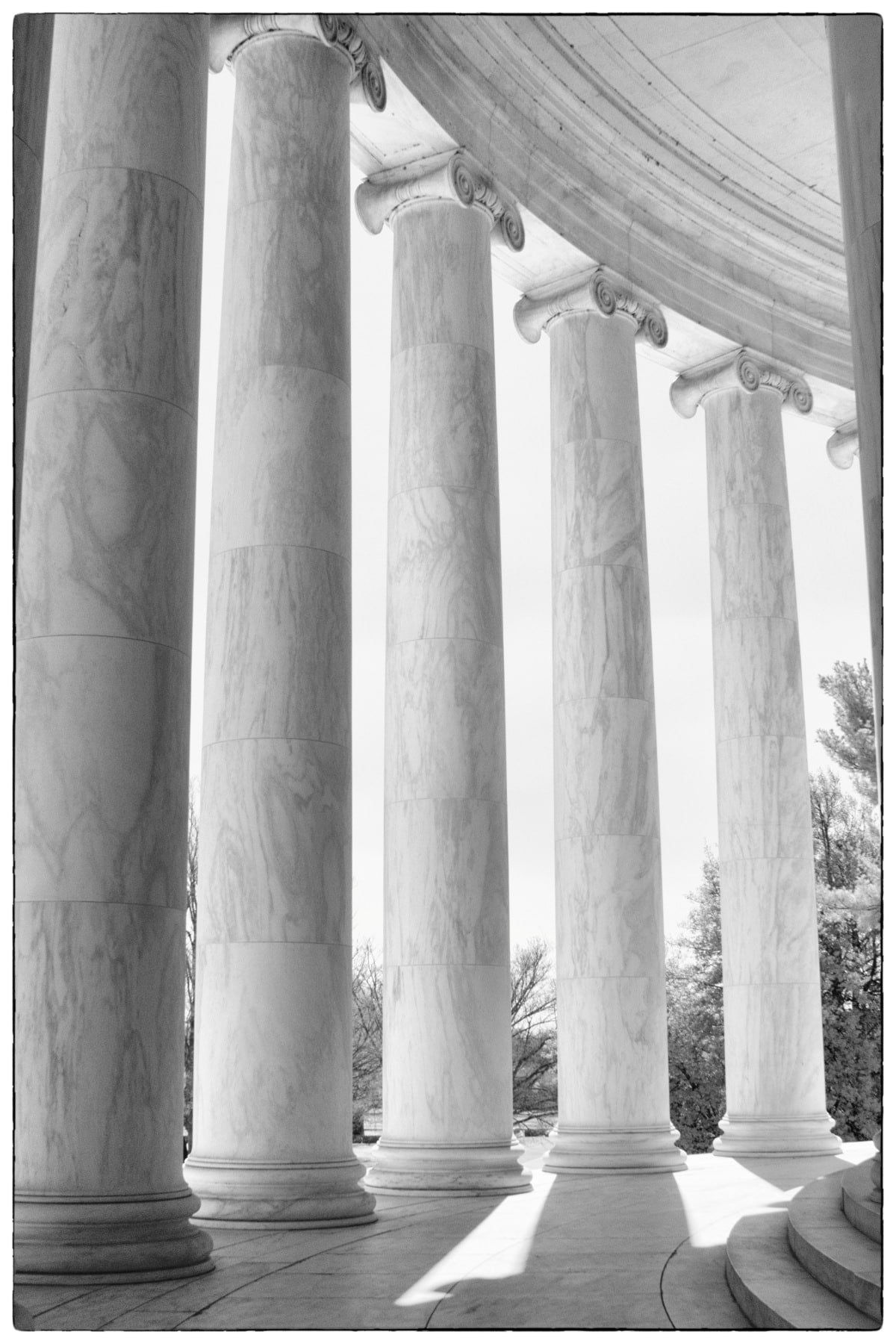
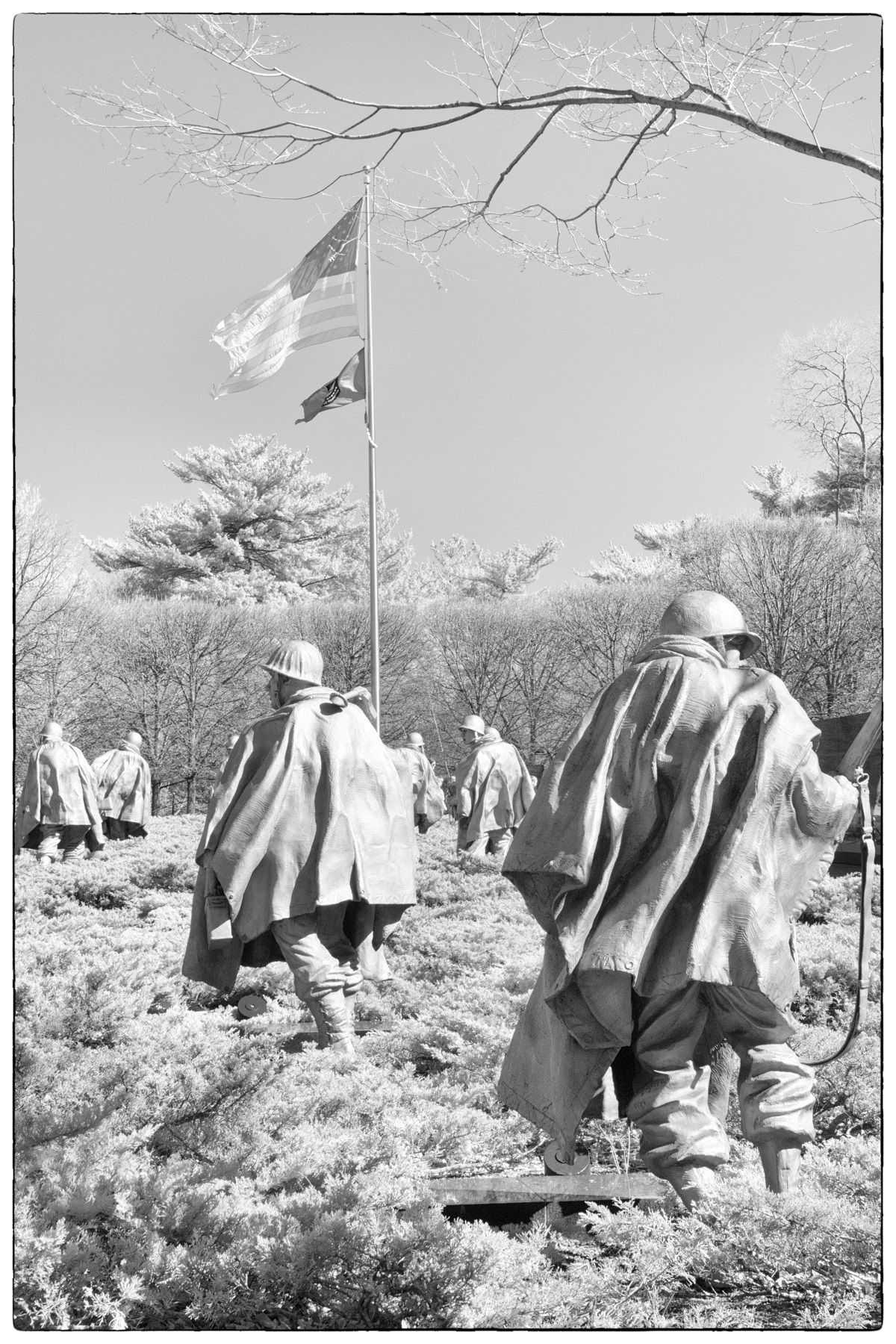
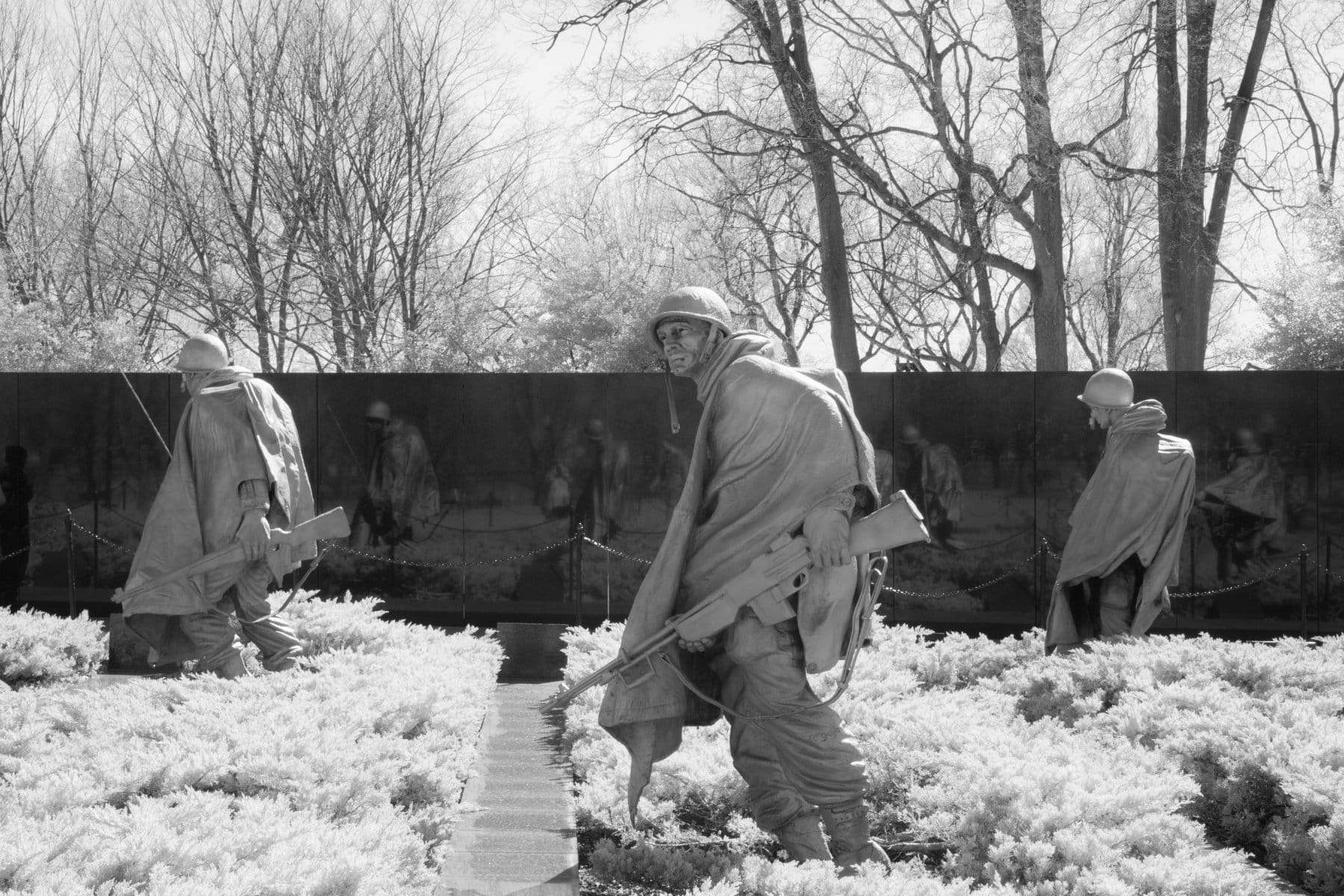

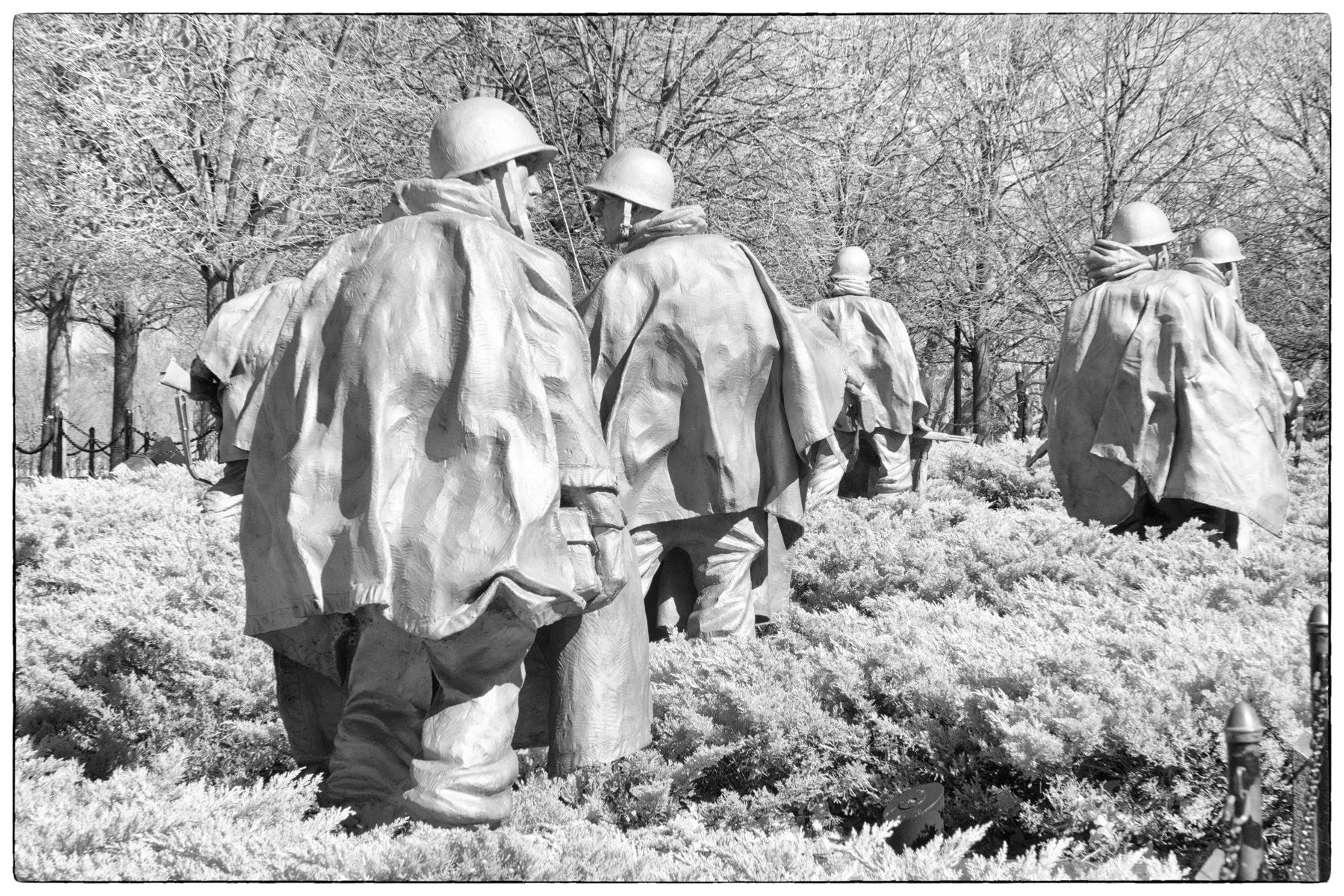
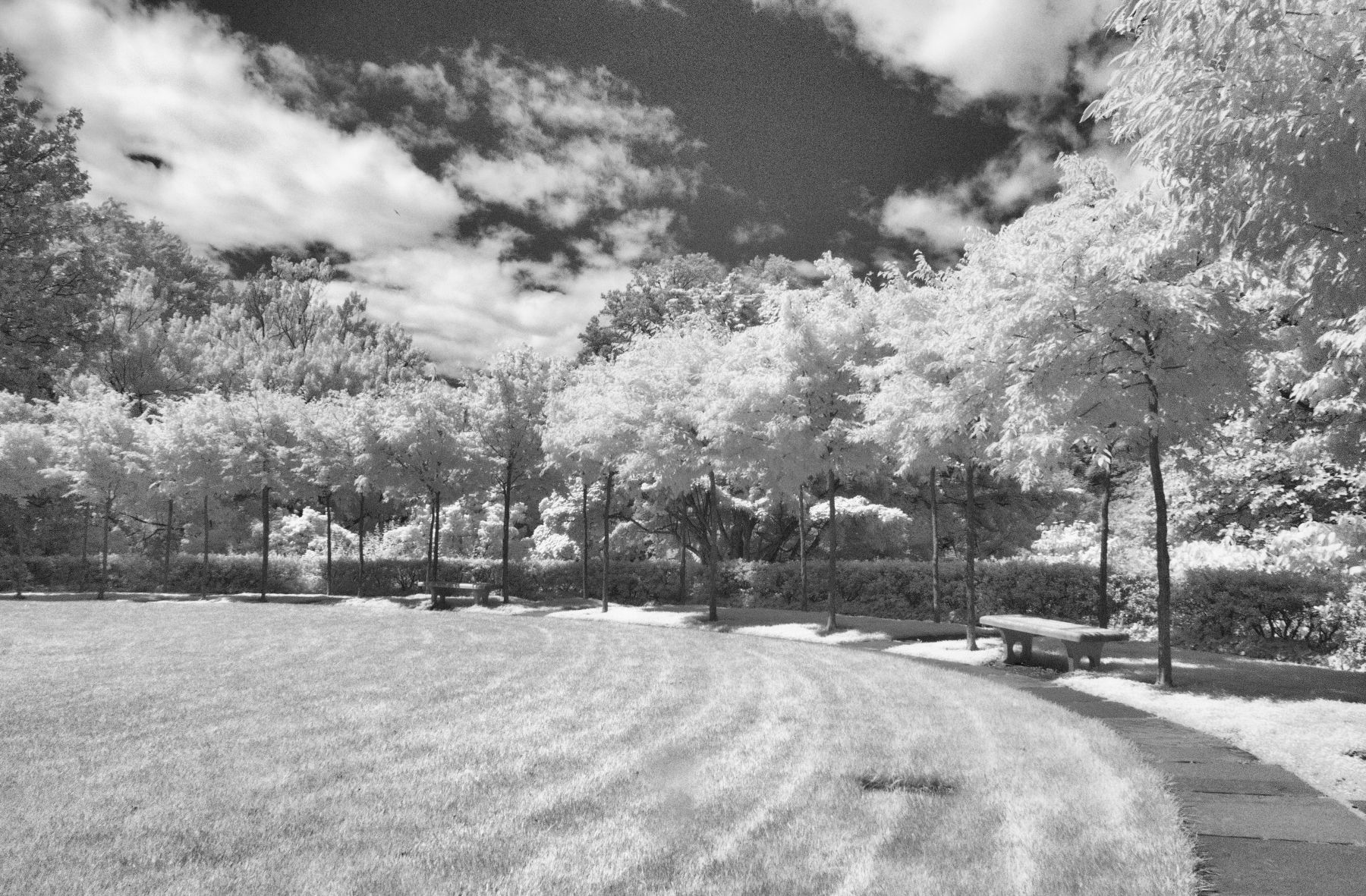
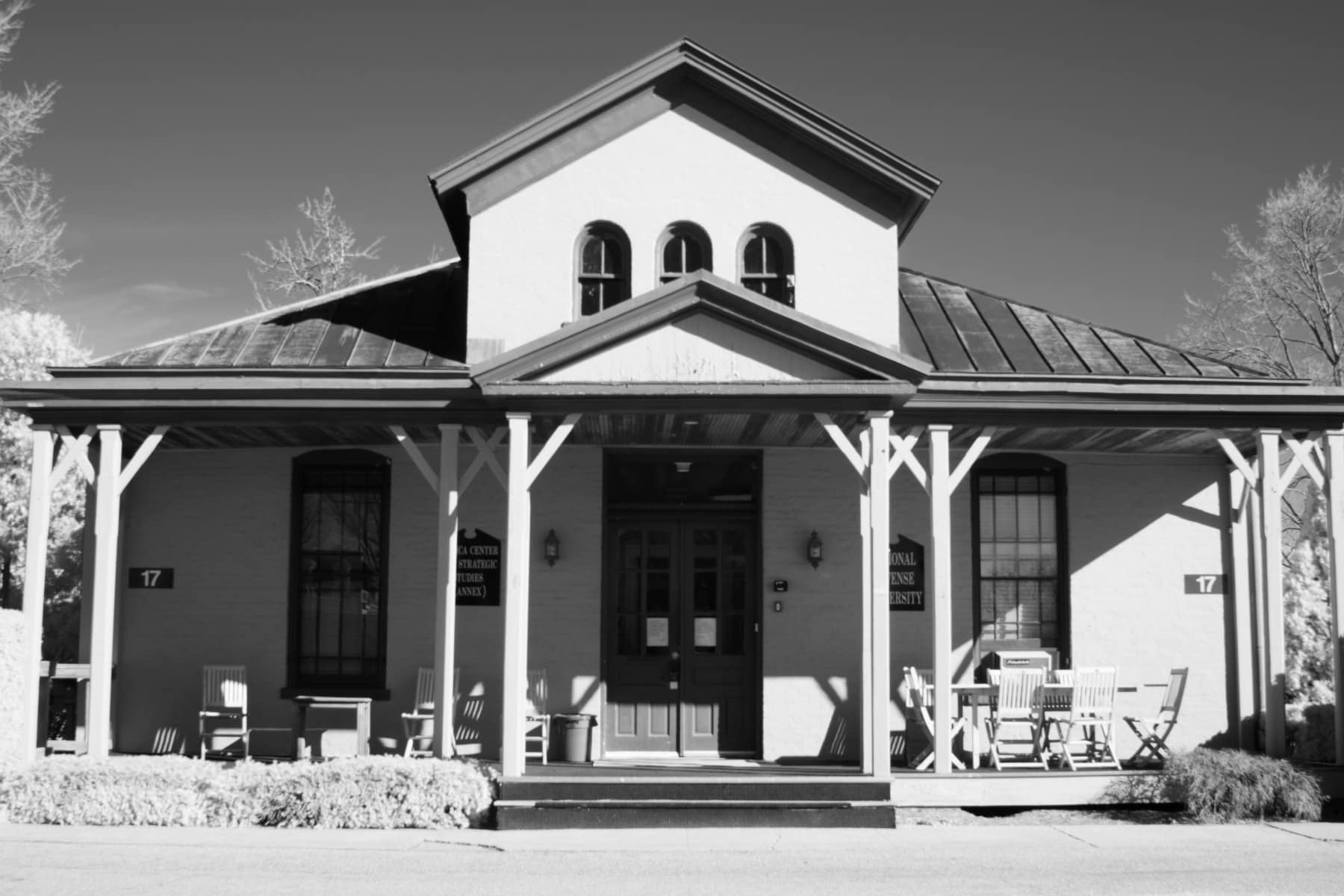
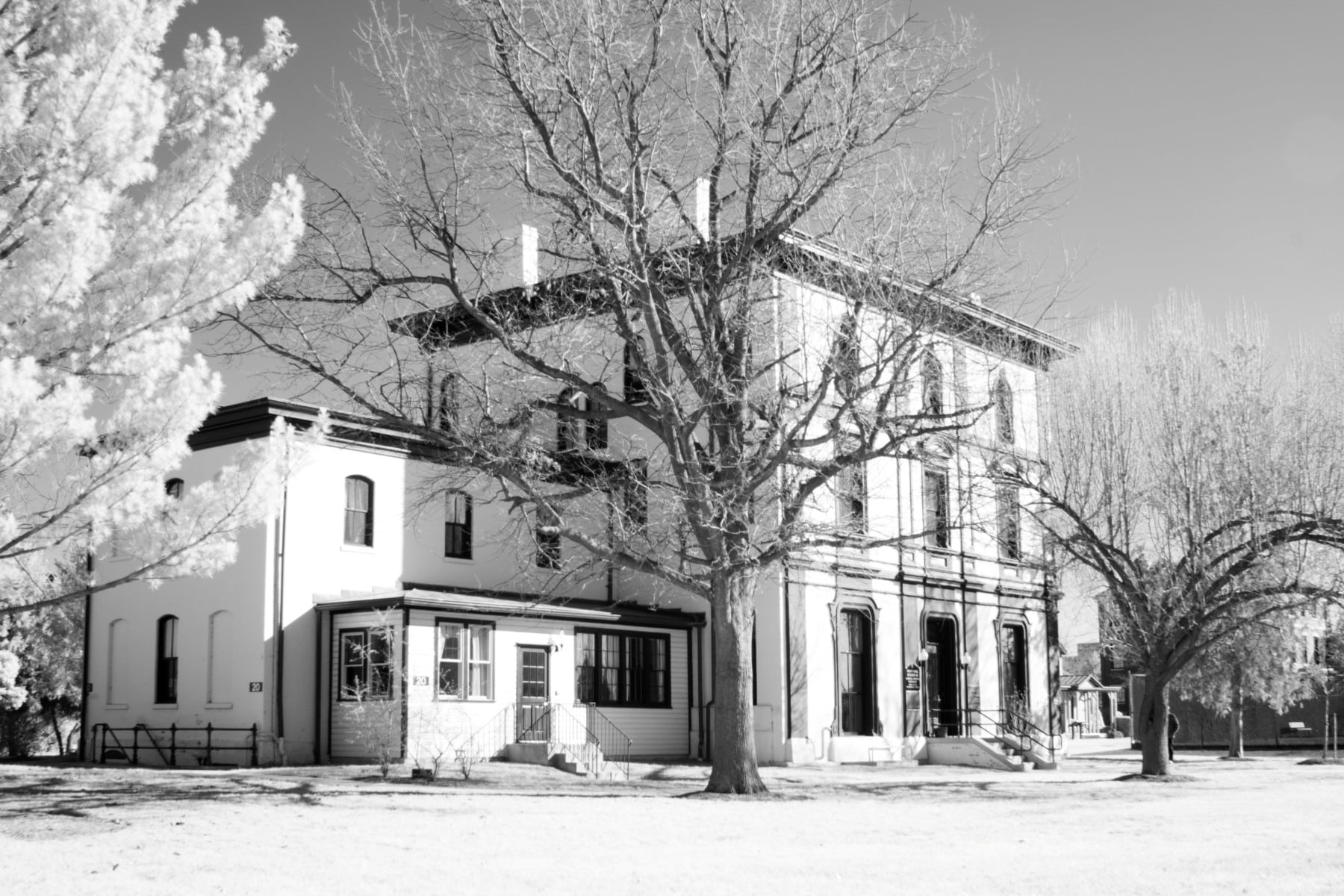
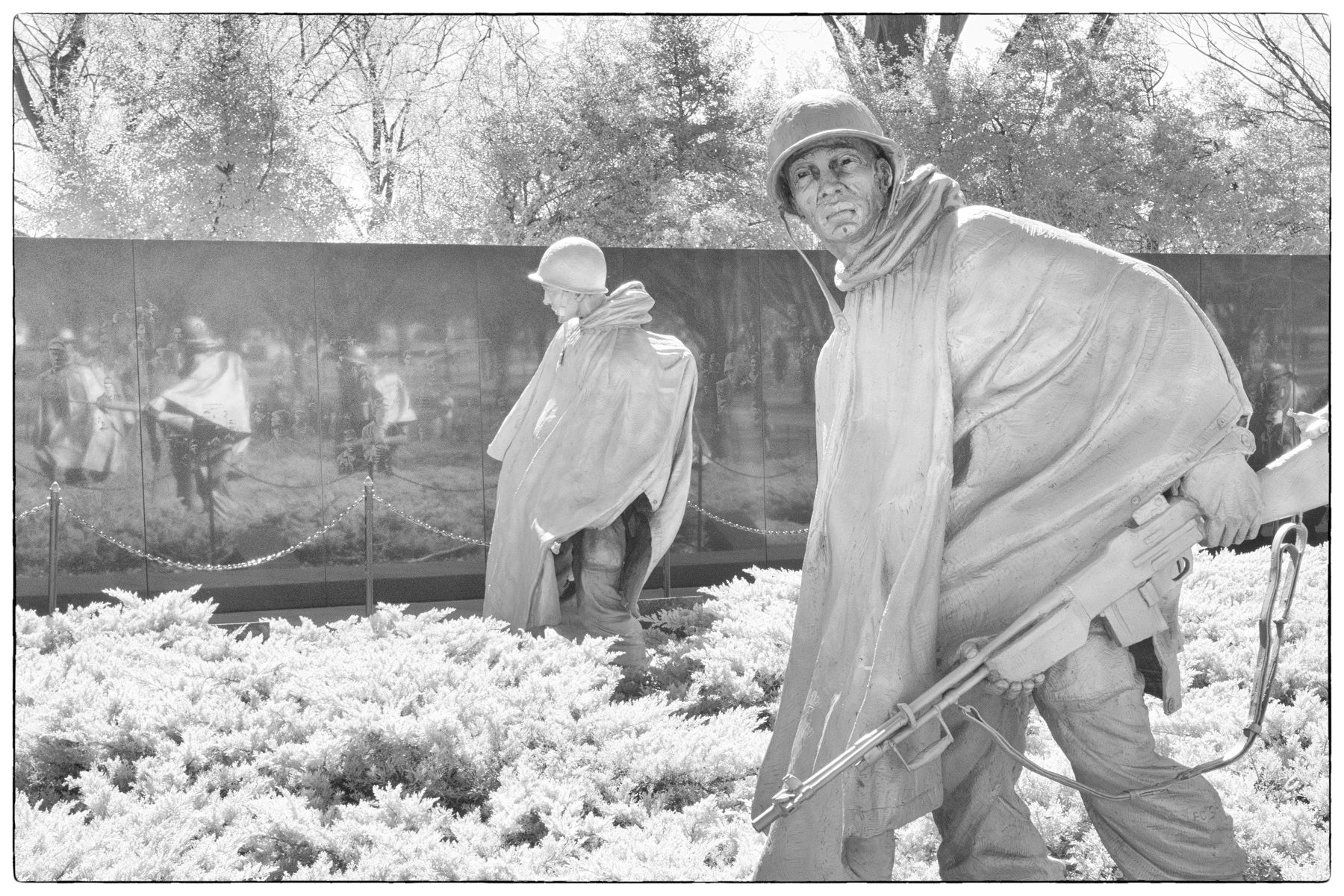


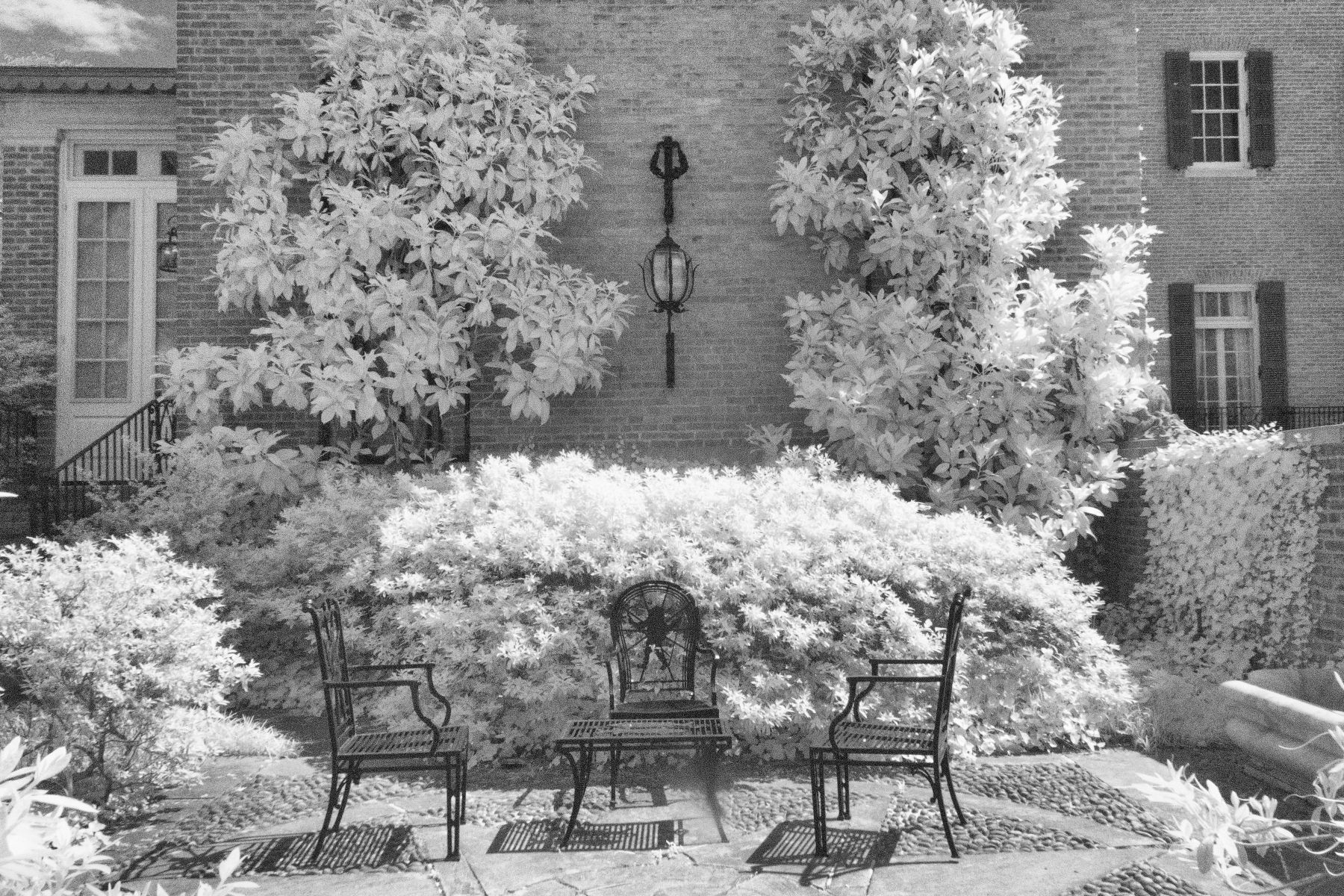

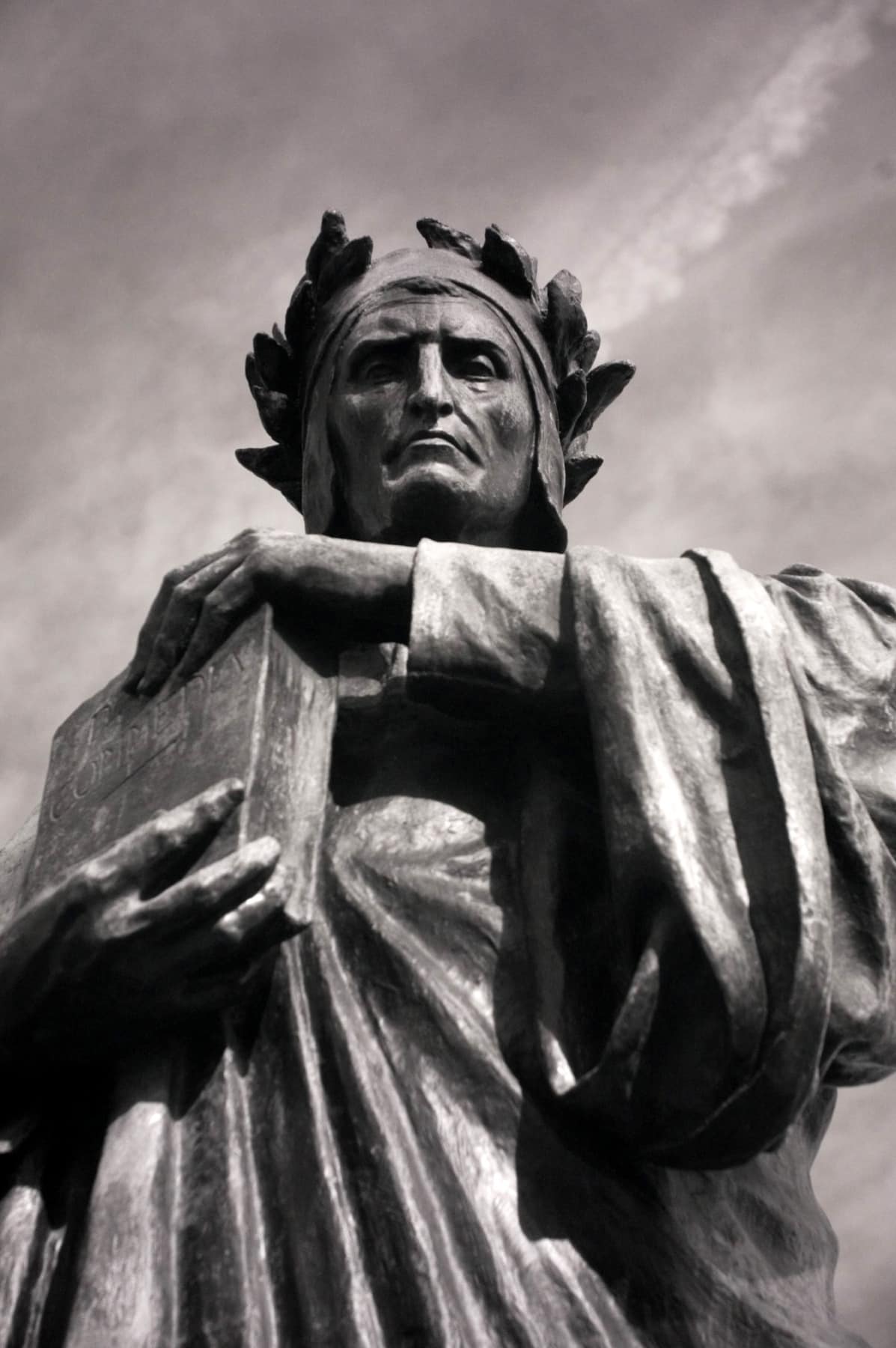
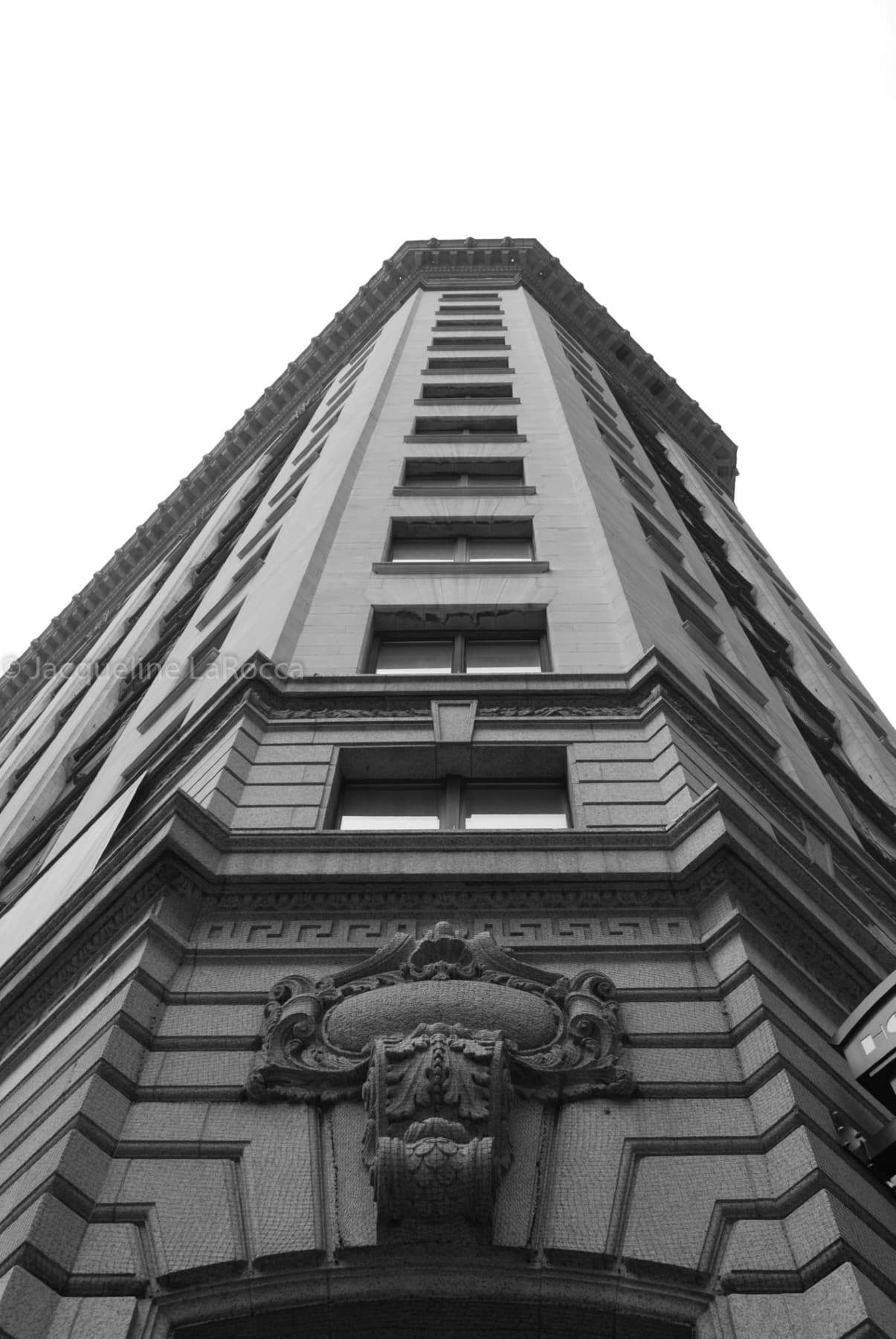

Description
DC Fine Art 18×12 Prints
by Jacqueline LaRocca


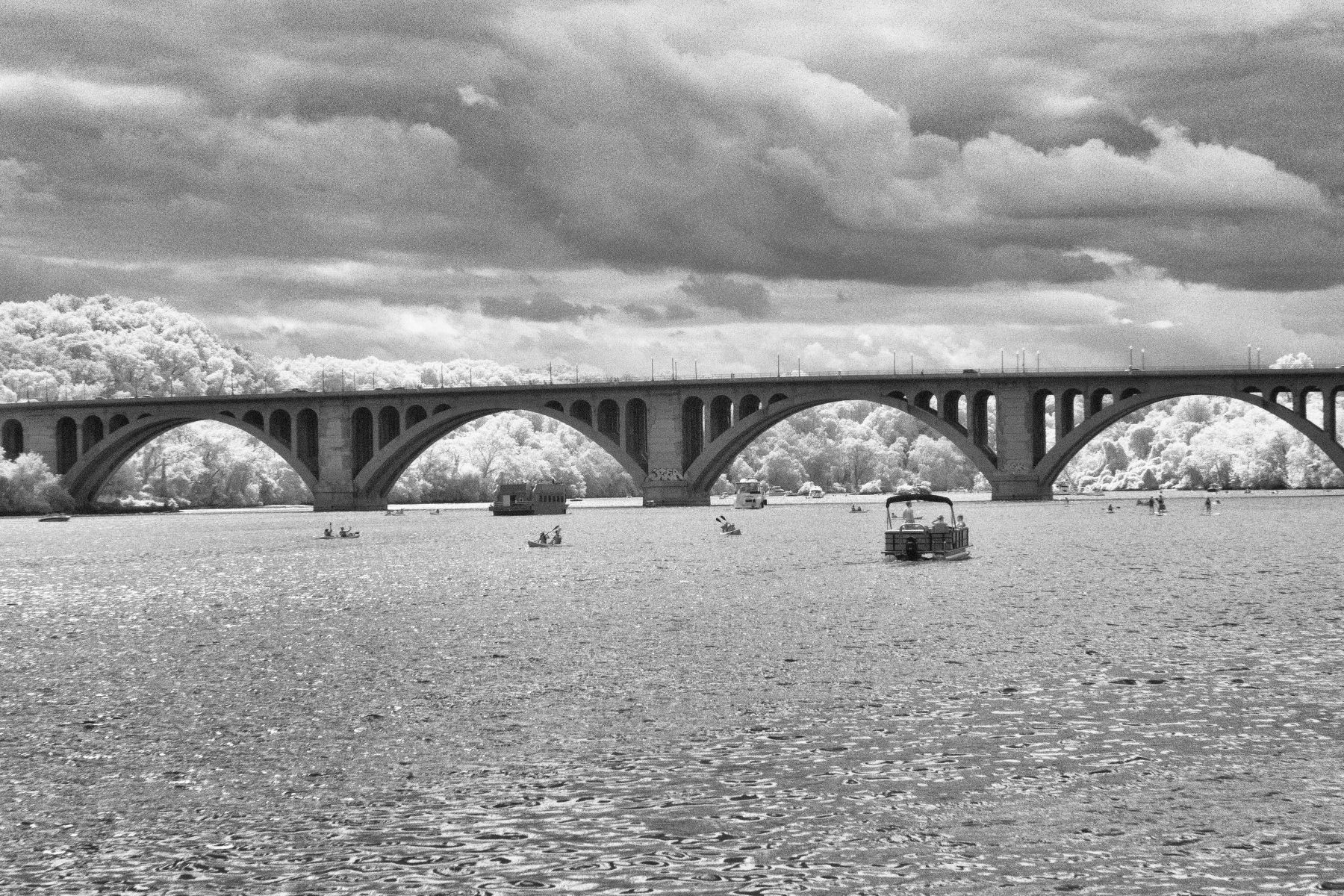
History of Washington, D.C.
Founding a Purpose‑Built Capital
Washington, D.C. began with a bold national vision. After the American Revolution, leaders wanted a capital that belonged to all states equally. Therefore, in 1790, Congress approved the creation of a federal district along the Potomac River.
President George Washington selected the site, and soon afterward, Pierre Charles L’Enfant designed an ambitious city plan. He introduced broad avenues, symbolic vistas, and grand public spaces. Consequently, Washington emerged not as a typical town but as a purpose‑built capital meant to reflect the ideals of a new republic.
Early Growth and National Identity
During the early 19th century, the city grew slowly yet steadily. Government buildings rose one by one. The White House and the U.S. Capitol quickly became defining landmarks. Meanwhile, diplomats, merchants, and laborers settled in new neighborhoods.
However, the War of 1812 disrupted progress. British troops burned several public buildings in 1814. Even so, Washington rebuilt quickly. As a result, the city strengthened its identity as the political heart of the nation and continued expanding its civic presence.
Civil War and Rapid Transformation
The Civil War transformed Washington almost overnight. Because the city sat between North and South, it became a strategic center for military planning. Troops filled camps around the capital. Hospitals treated thousands of wounded soldiers.
Freed African Americans arrived seeking safety and opportunity. Consequently, Washington’s population surged. New roads, bridges, and public services reshaped the city. Meanwhile, the war cemented Washington’s role as a symbol of national unity and federal authority.
Reconstruction, Expansion, and Monument Building
After the war, Washington entered a period of rapid modernization. Reconstruction brought new federal agencies and increased government activity. Streetcars connected neighborhoods and encouraged development. Monument building also accelerated.
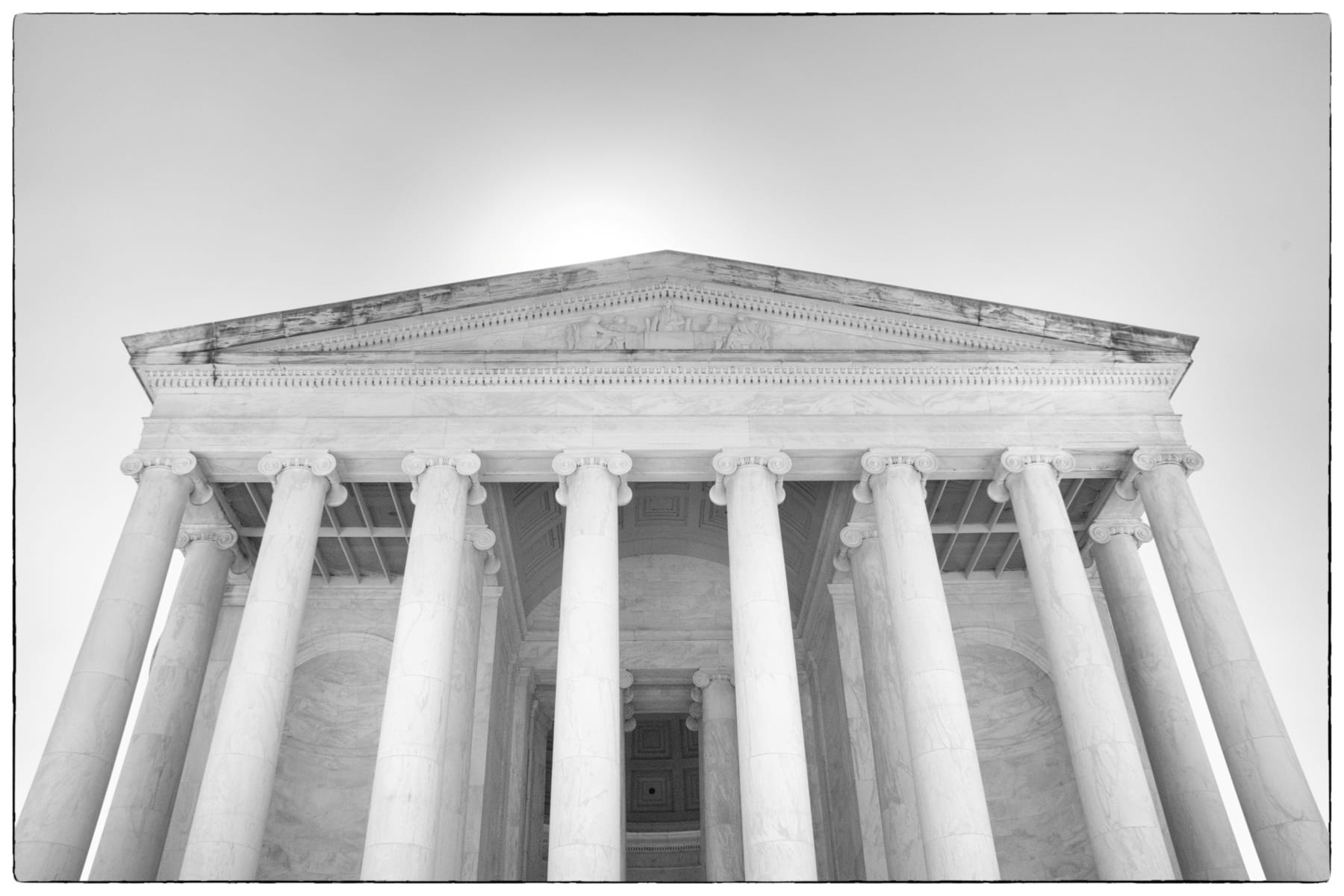
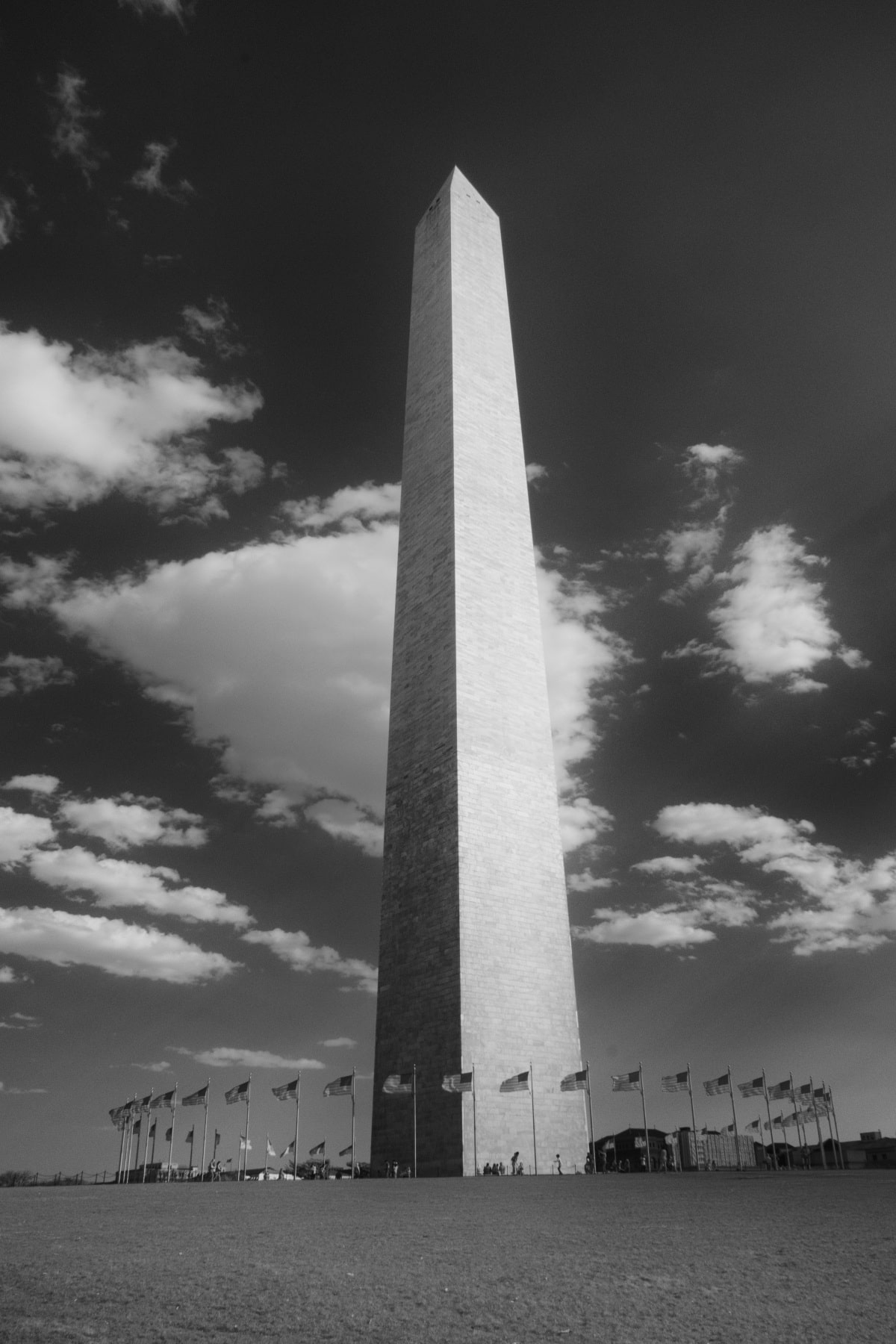
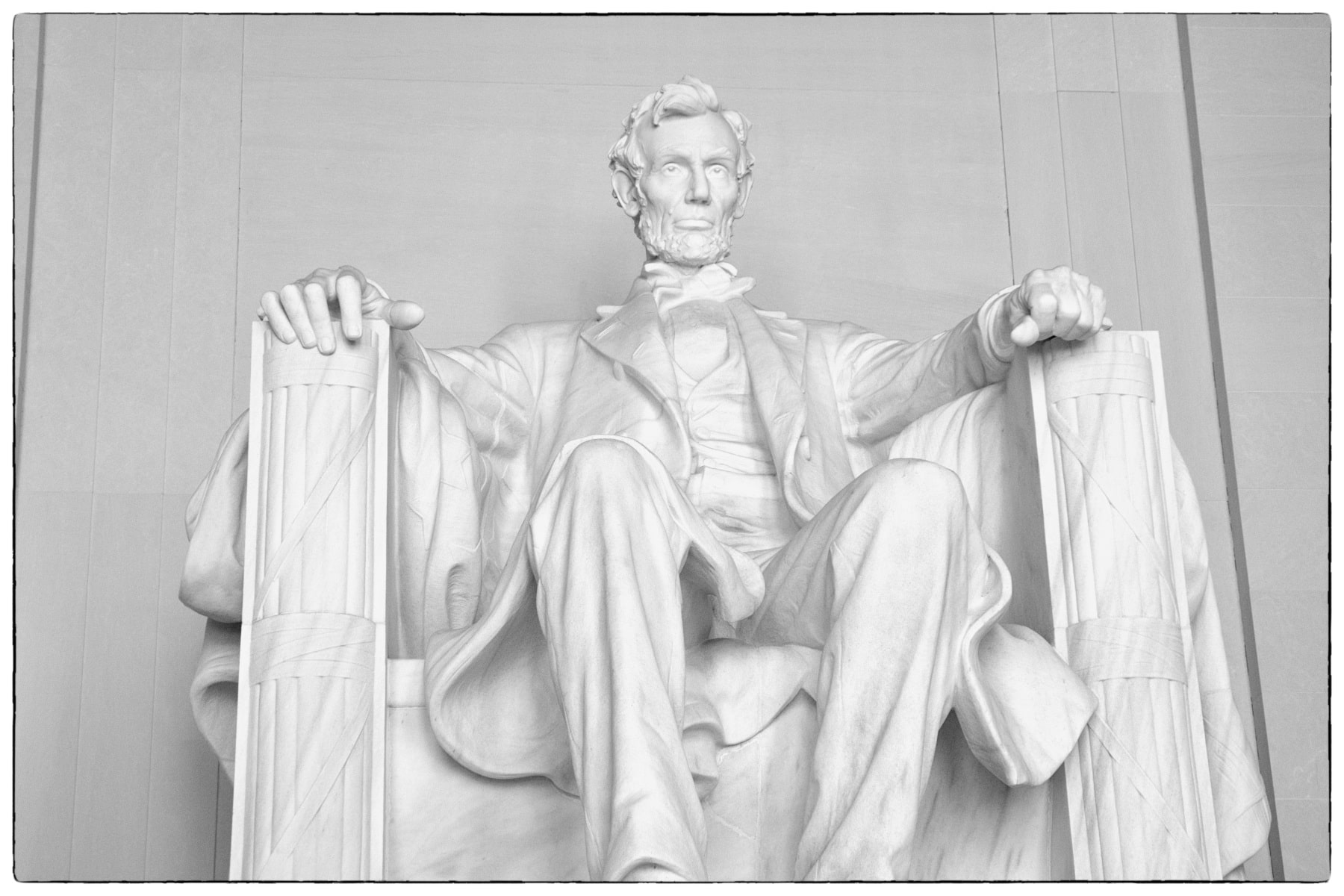
The Washington Monument rose in the late 19th century. Later, the Lincoln Memorial and other landmarks followed. Therefore, the city gradually took on the monumental character visitors recognize today. By the early 20th century, Washington had become a modern capital with landscaped parks, broad boulevards, and a growing cultural scene.
Civil Rights, Protest, and Social Change
During the mid‑20th century, Washington played a central role in the Civil Rights Movement. The 1963 March on Washington brought hundreds of thousands to the National Mall. Dr. Martin Luther King Jr. delivered his “I Have a Dream” speech from the steps of the Lincoln Memorial. Meanwhile, local activists pushed for voting rights and home rule.
Consequently, Congress granted limited self‑government in 1973. These changes strengthened Washington’s civic identity and highlighted its role in national conversations about equality and democracy.
A Global Capital in the Modern Era
In recent decades, Washington has evolved into a vibrant global city. Federal institutions remain central, yet new industries—technology, education, and international diplomacy—continue expanding the city’s reach. Museums, theaters, and universities enrich its cultural landscape. Historic neighborhoods blend with modern development.
Meanwhile, the National Mall hosts major events, celebrations, and demonstrations. As a result, Washington stands as both a living community and a national stage.
Washington, D.C. Today
Today, Washington blends history, culture, and political life. Its monuments honor the past. Its neighborhoods showcase diverse traditions. Its institutions shape national as well as global conversations.
Consequently, the city remains one of the world’s most influential capitals—defined by its history, energized by its people, and continually evolving.
If you like DC Fine Art Prints you may also like
-
Maryland Fine Art Prints
-
District of Columbia Framed Prints
-
Louisiana Fine Art Prints
-
Thailand Fine Art Prints
-
Cambodia Fine Art Prints
-
Italy Black and White Prints
-
Greece Black and White Prints
-
Washington DC Memorial Day Photography
-
Washington DC Memorial Day Framed Prints
-
Why historic preservation is important


Reviews
There are no reviews yet.