






Description
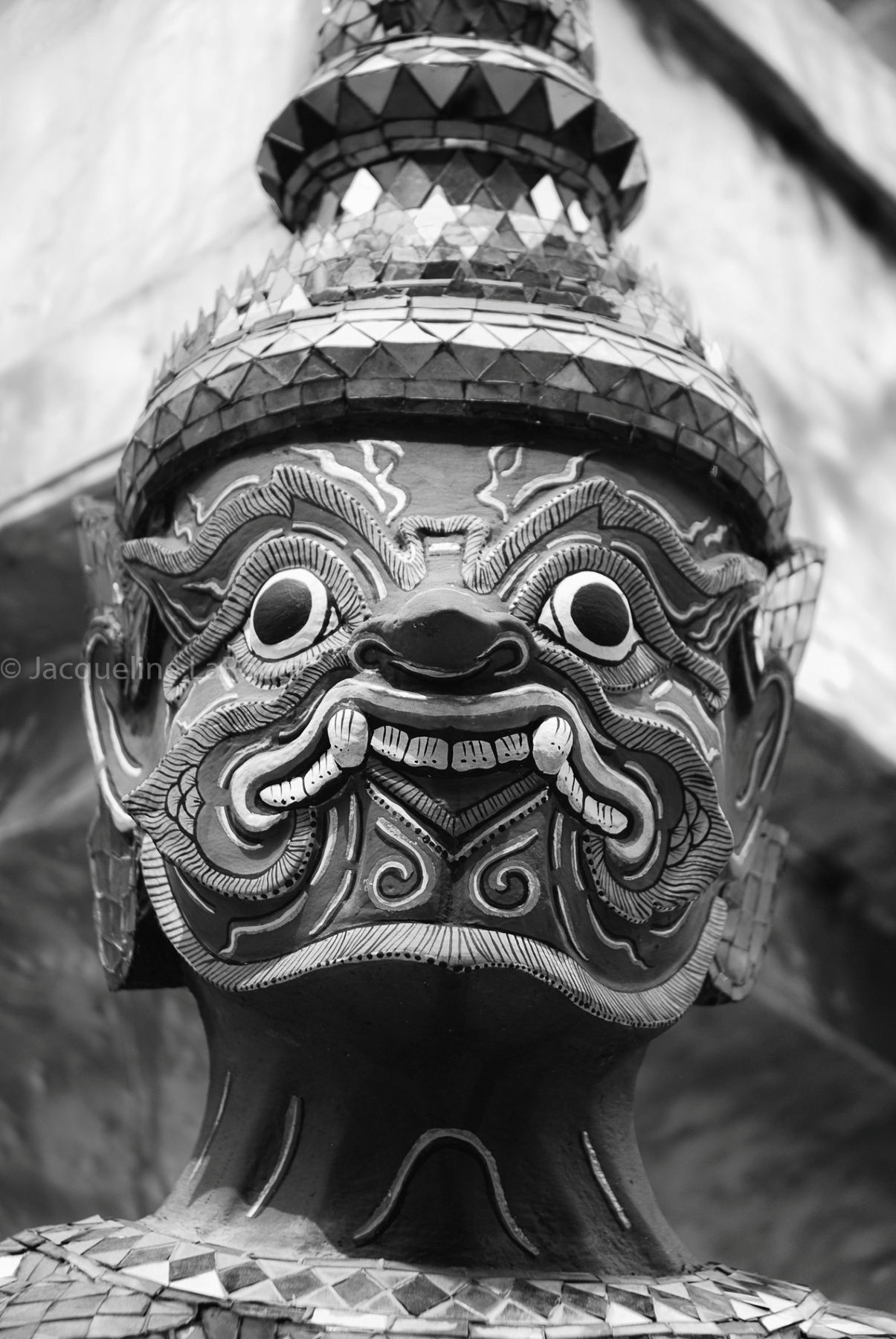
Thailand Fine Art 24×16 Prints
by Jacqueline LaRocca
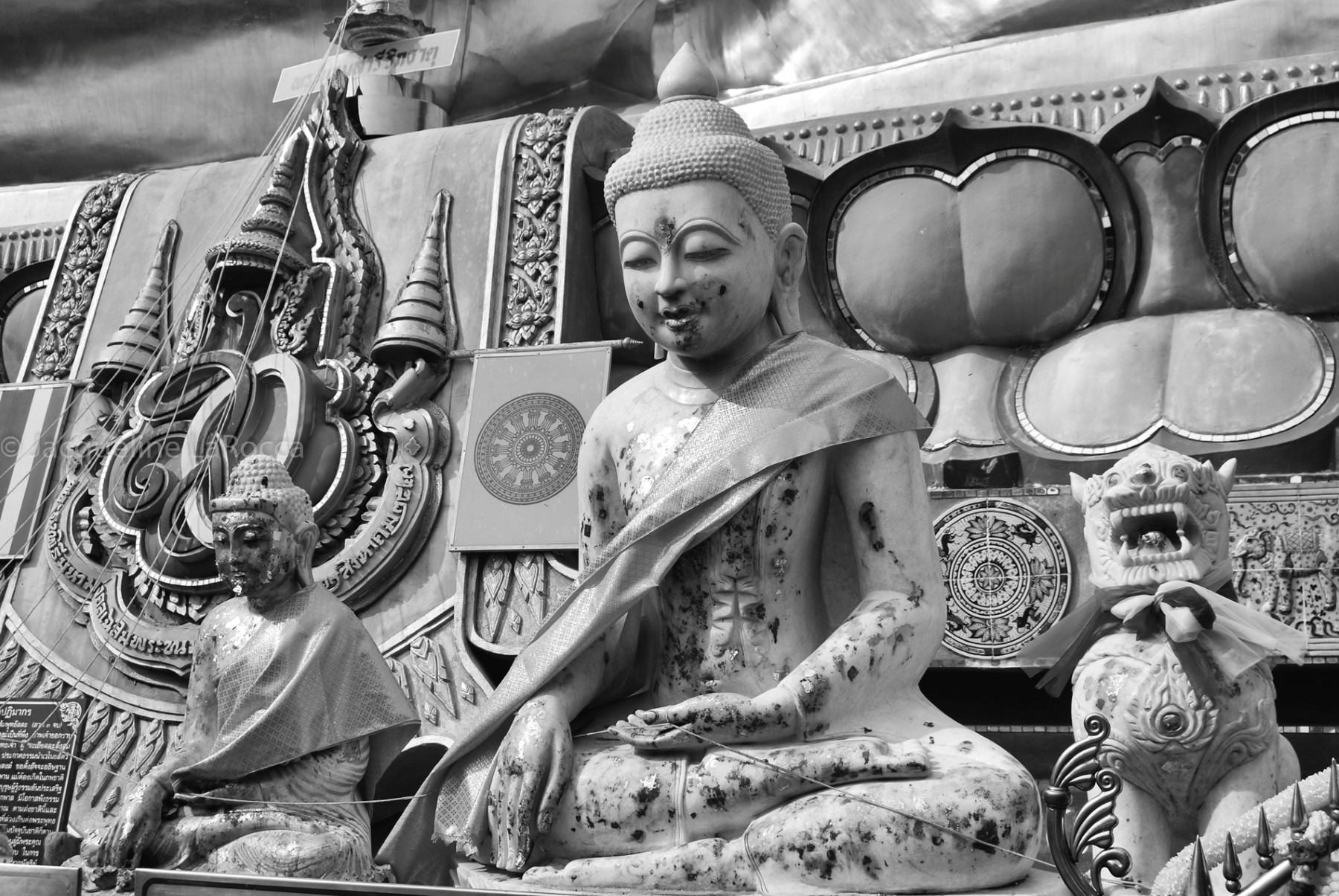
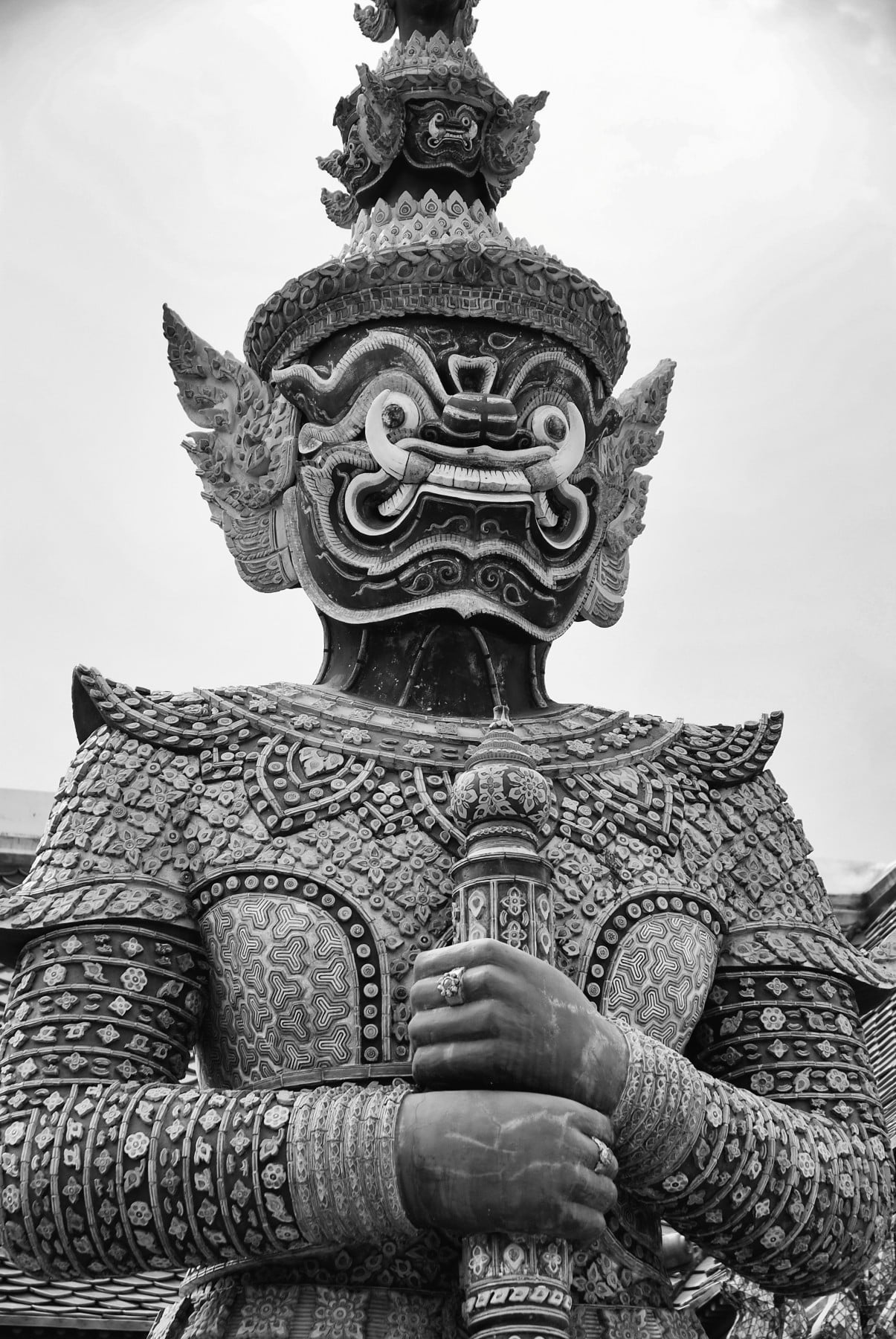
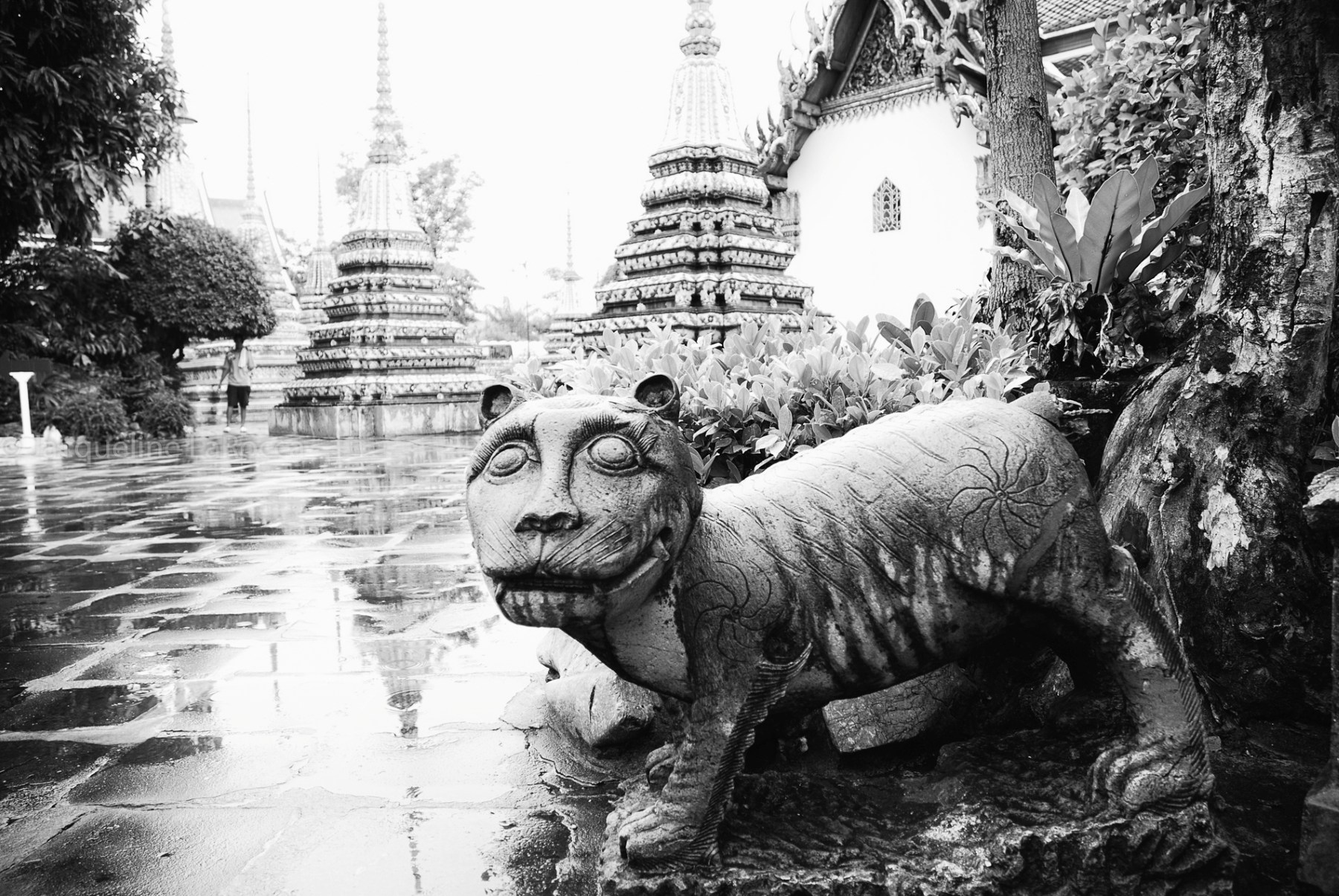
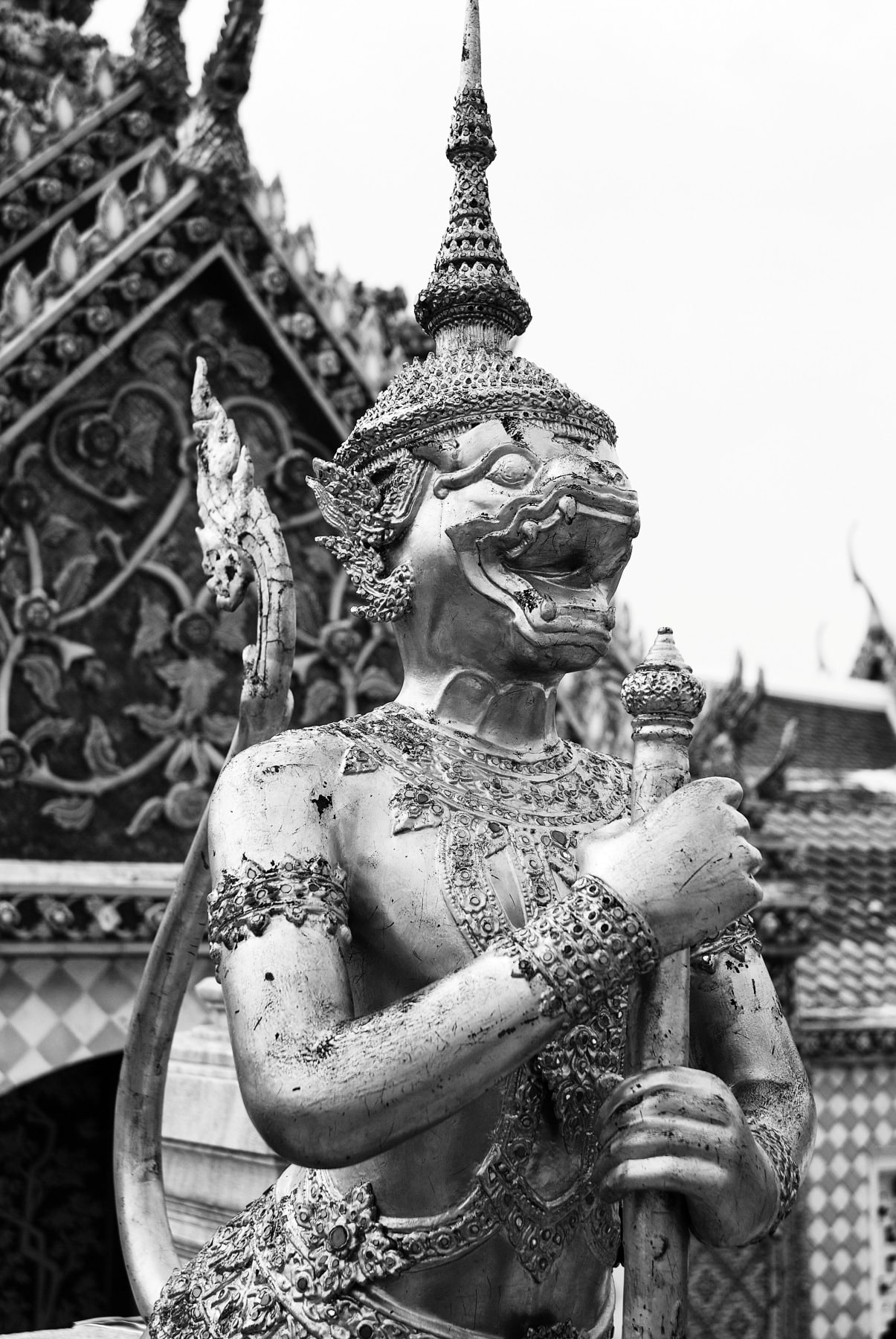
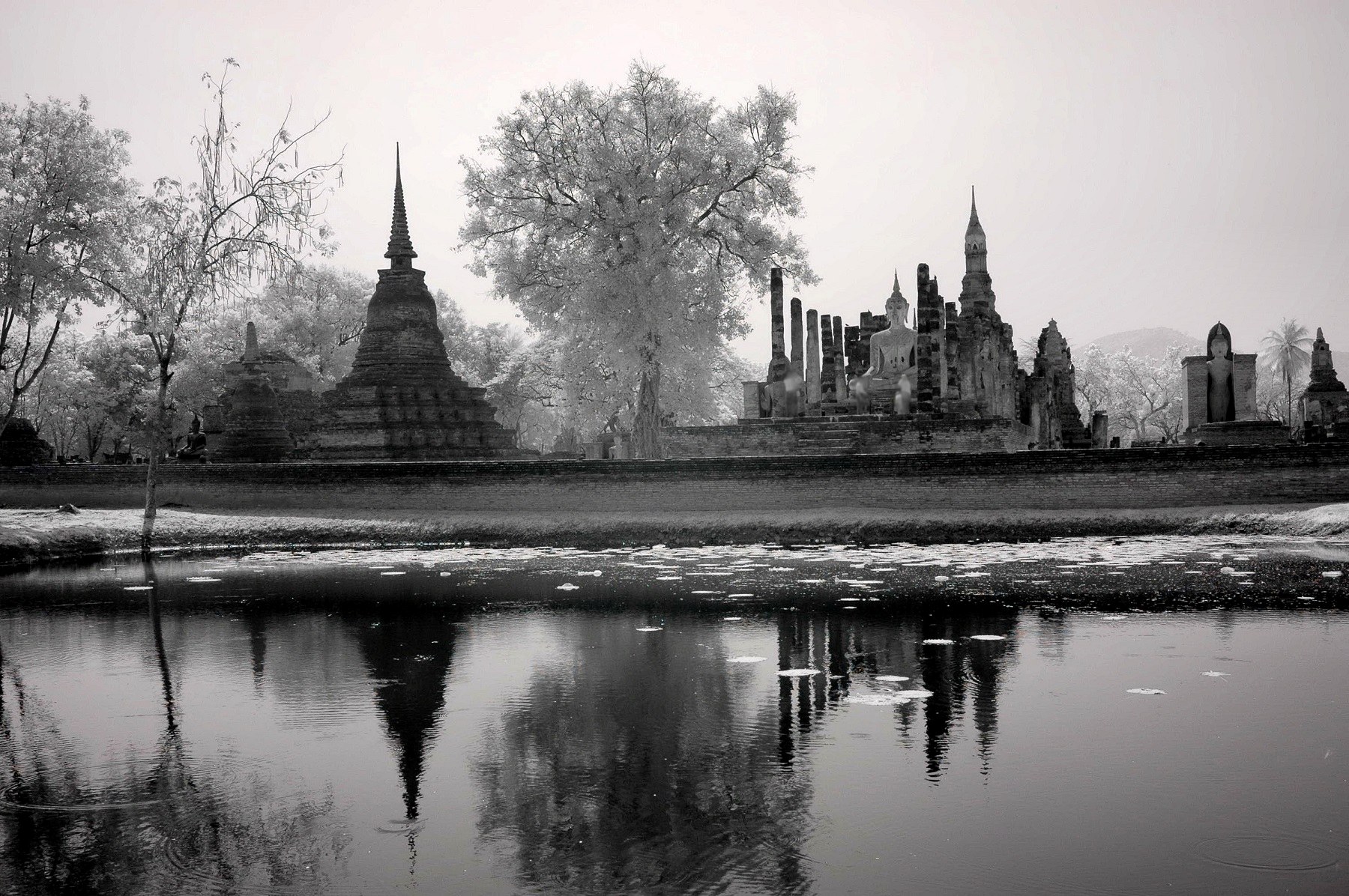
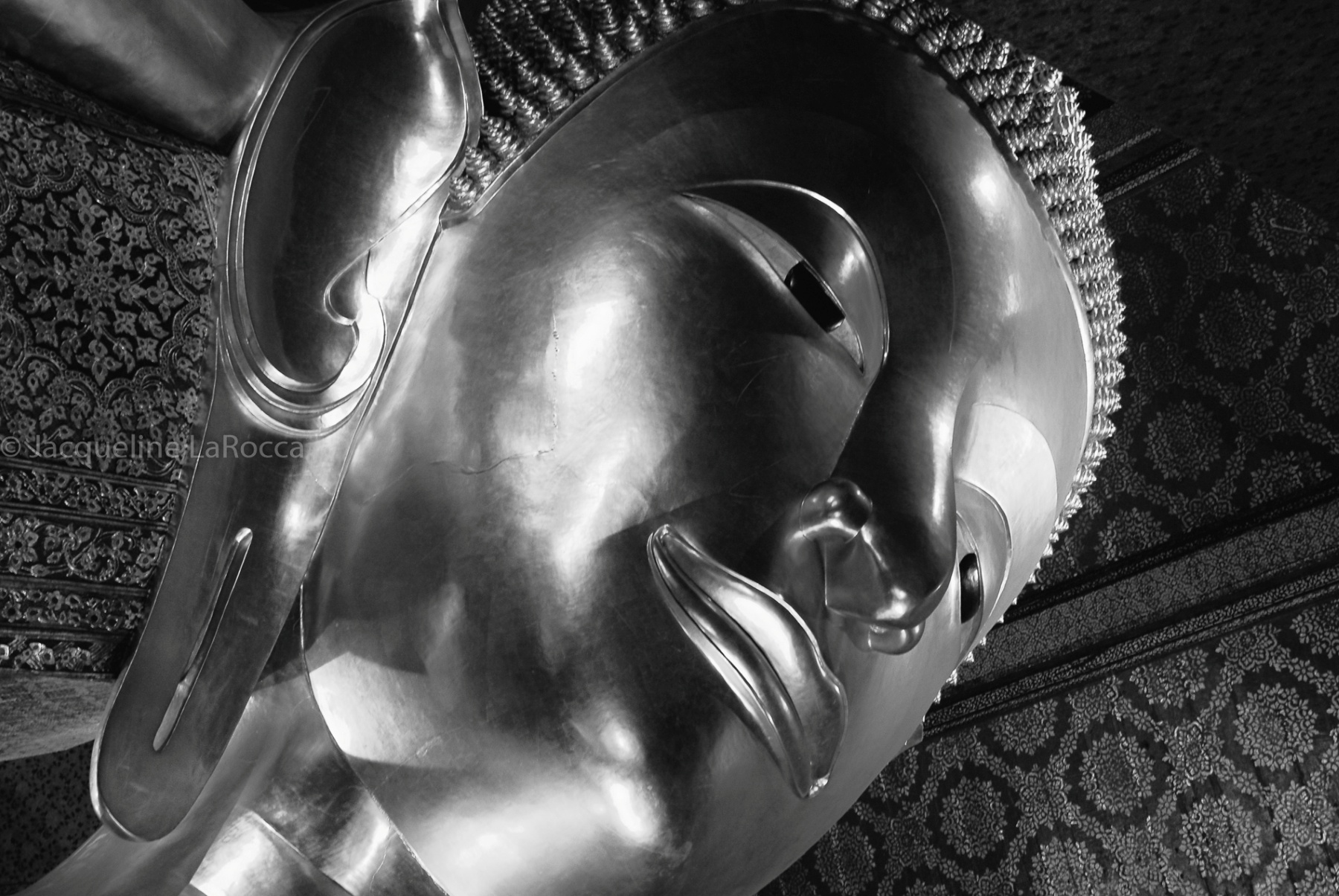
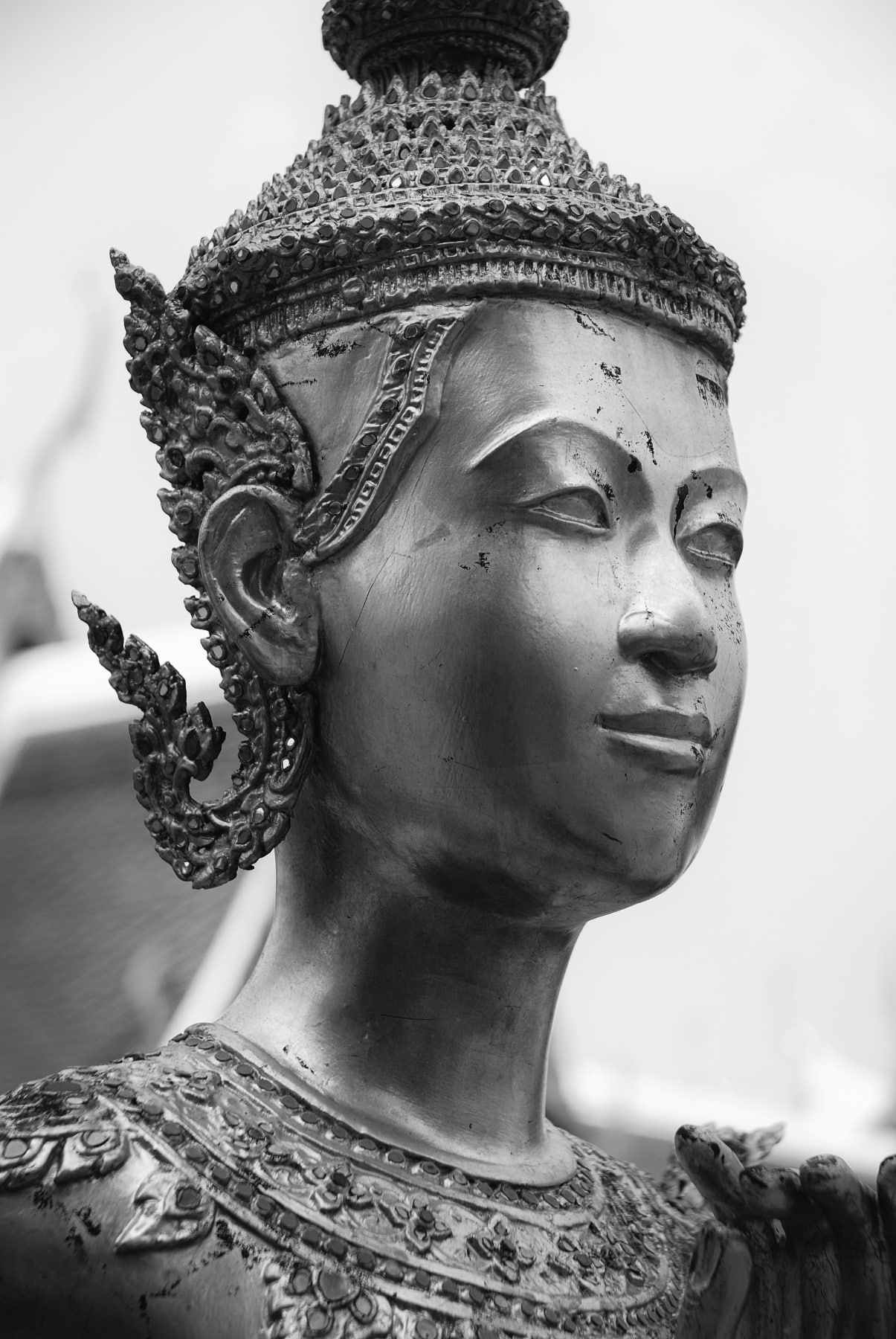
This fine art photograph features multiple Buddha statues framed by an elaborate temple backdrop. Intricate carvings, symbolic motifs, and sculptural details create a serene, devotional composition.

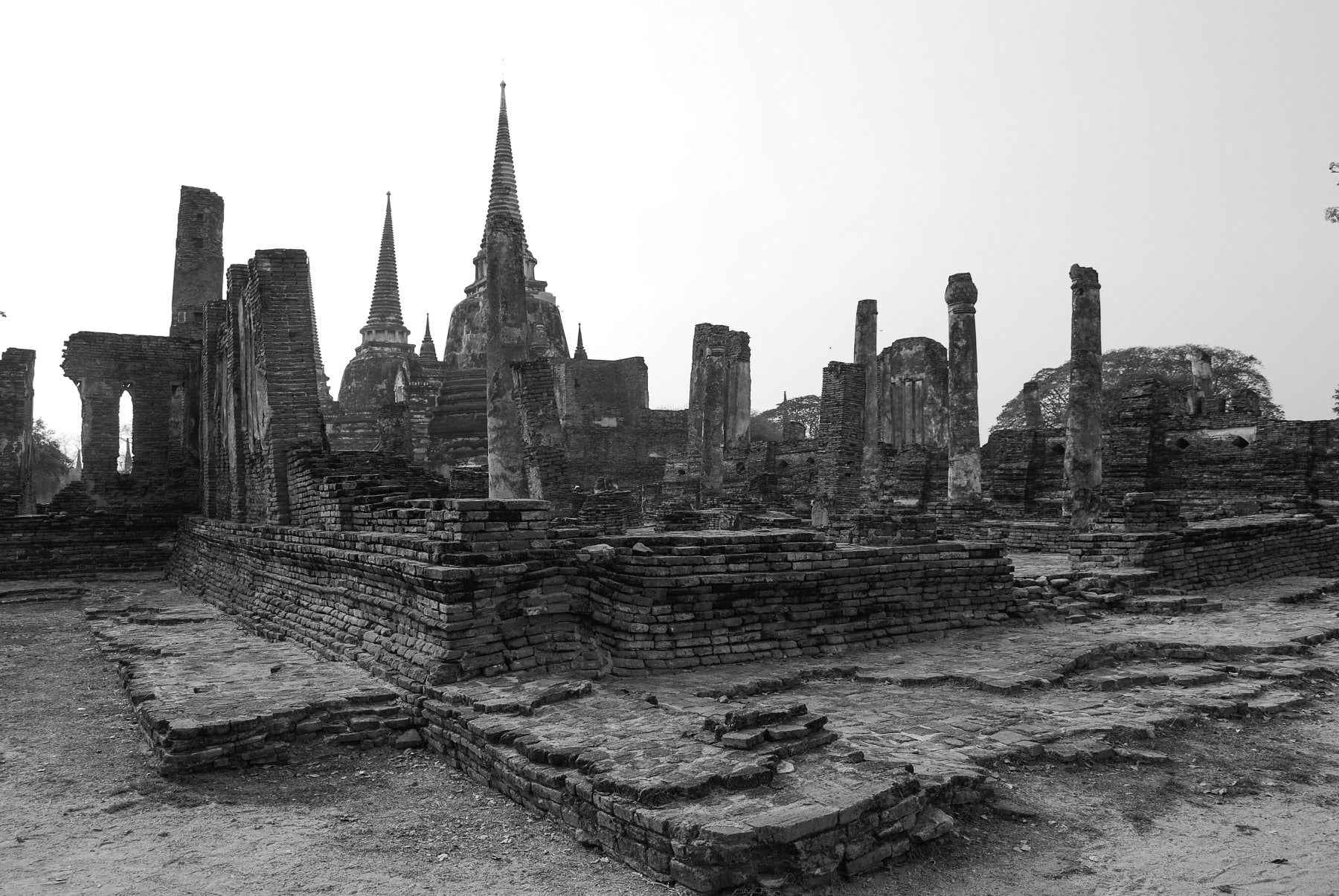
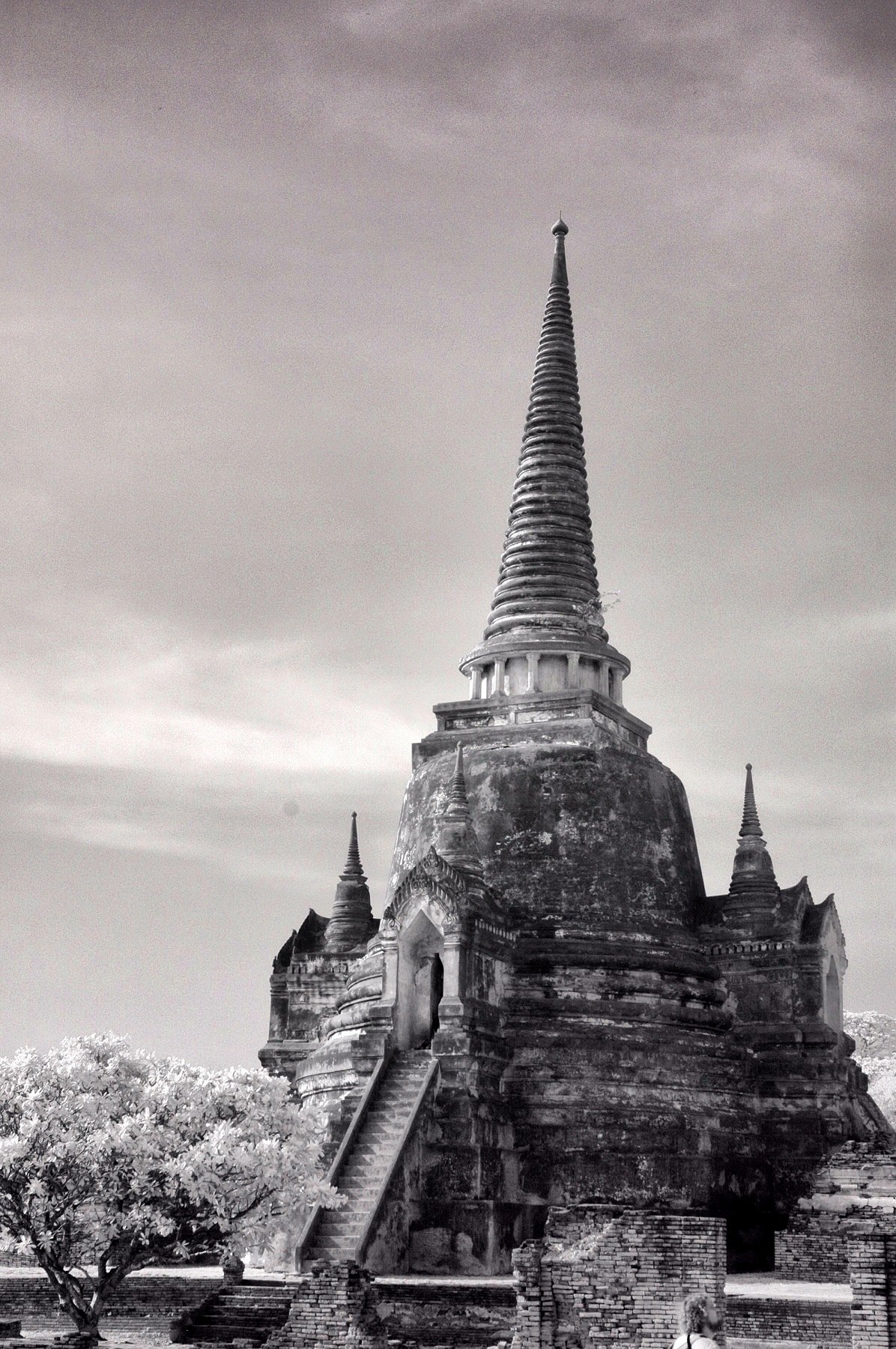
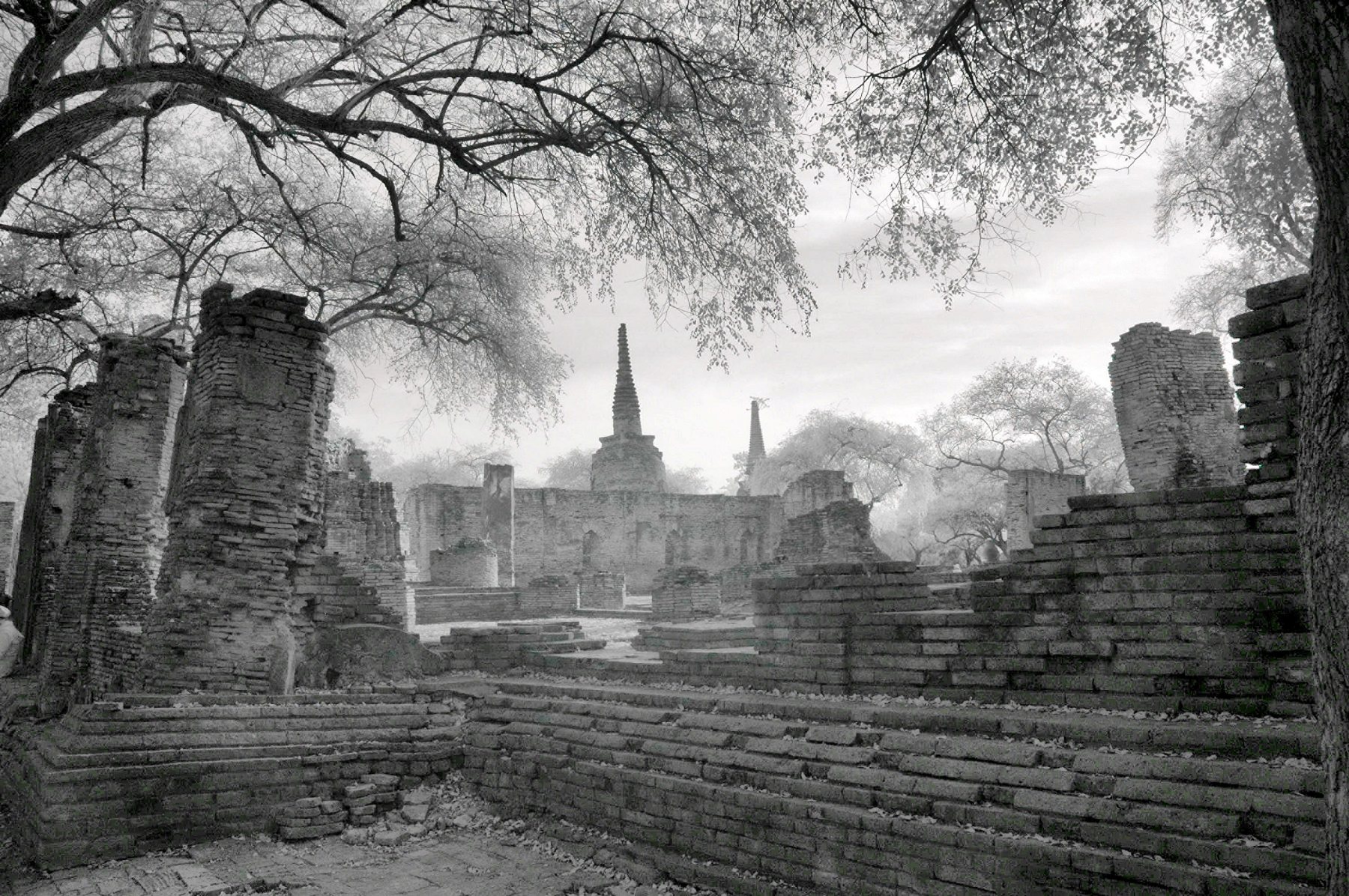
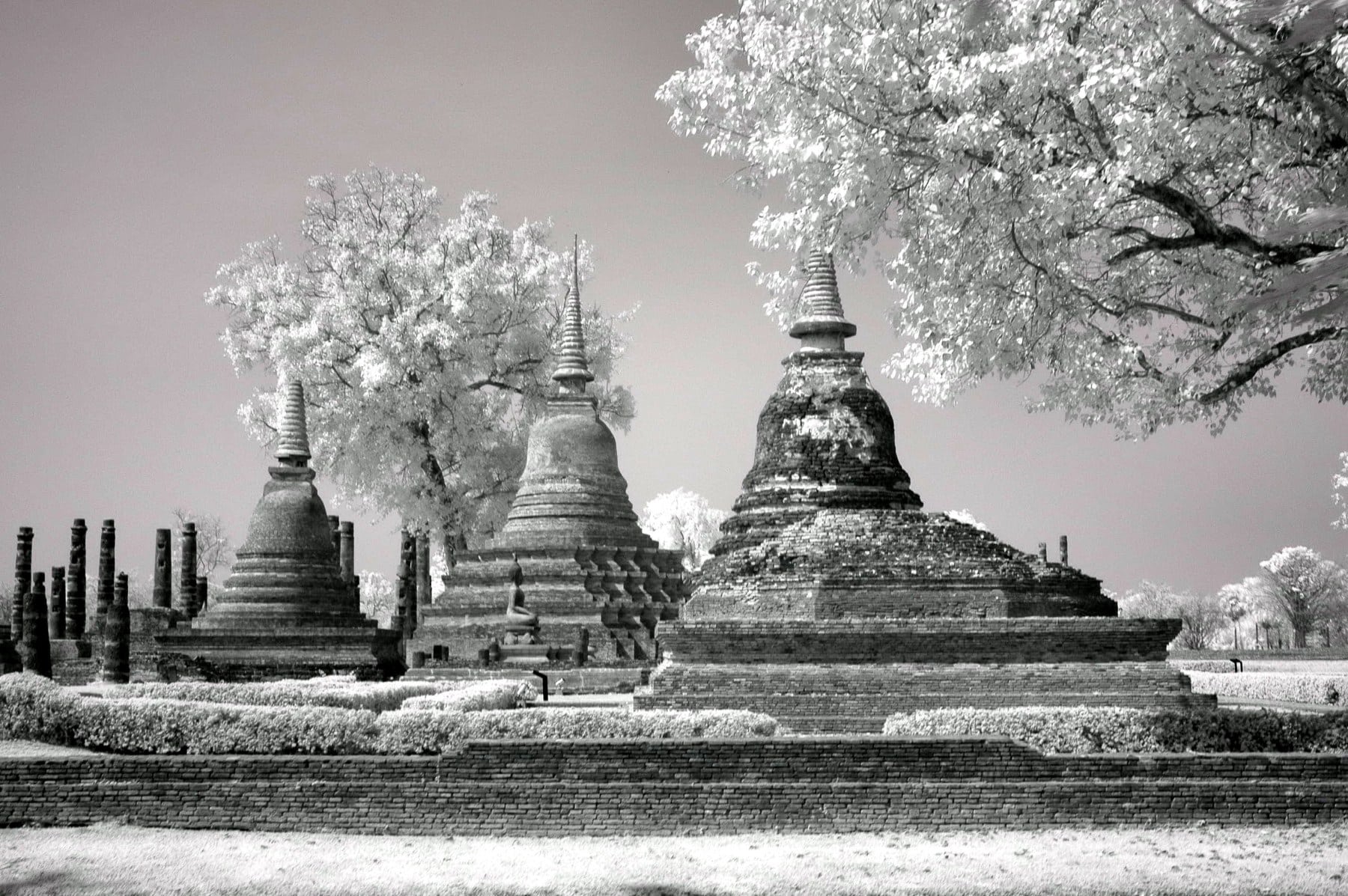
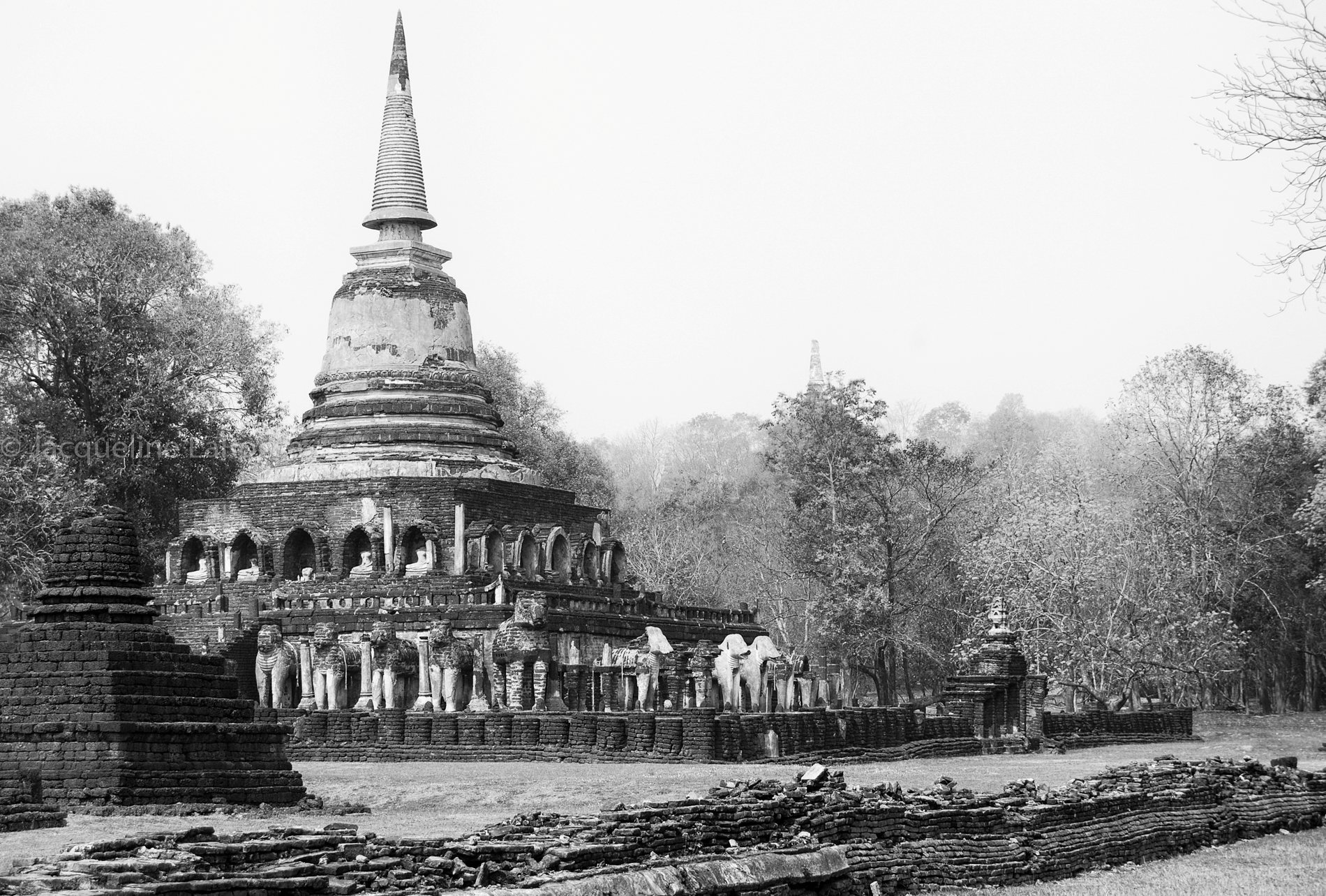
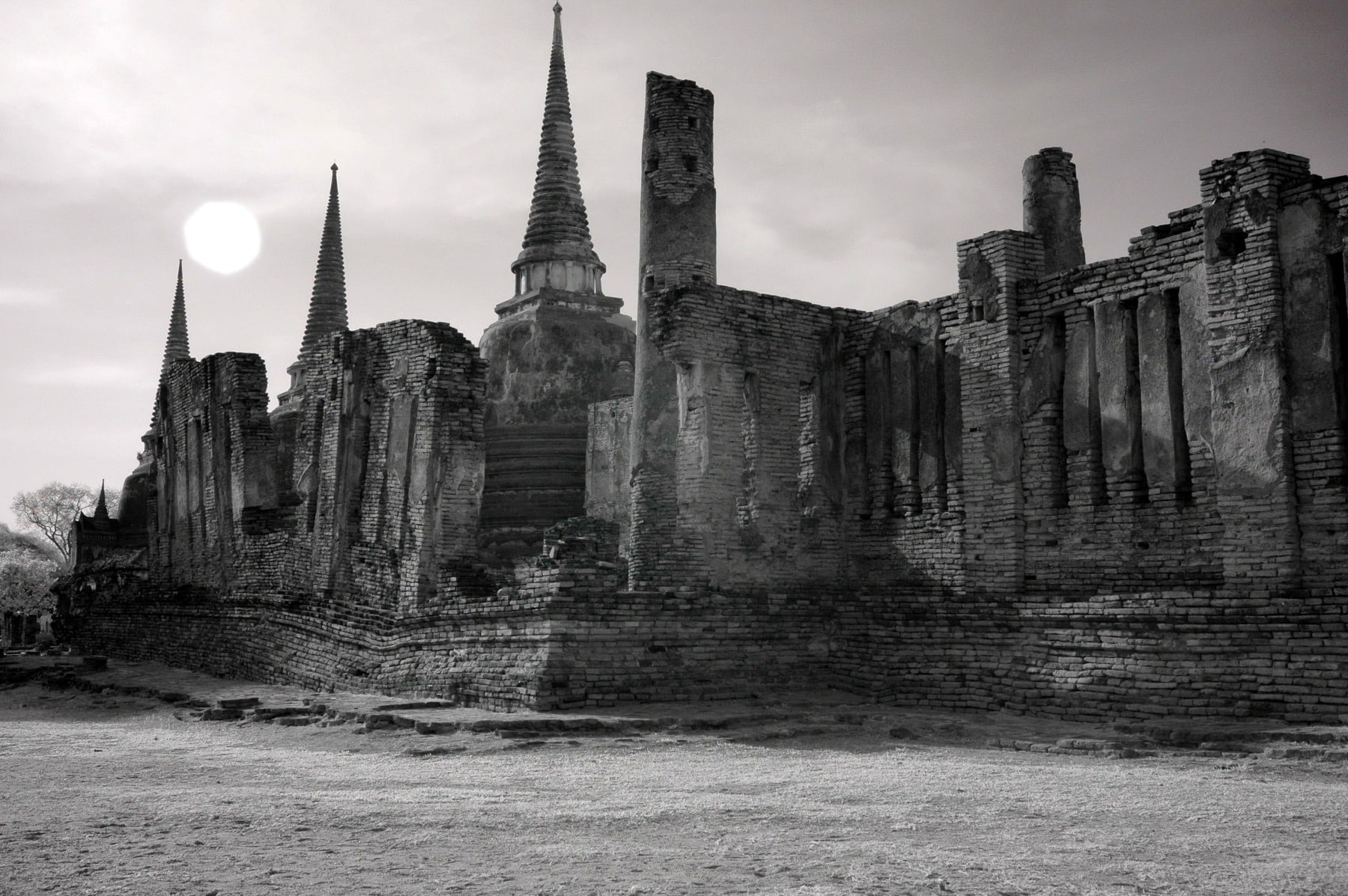
This black and white photograph captures a historic temple complex with tall stupas rising above weathered brick walls. The composition highlights texture, symmetry, and cultural heritage.
History
Early Origins
Thailand’s history began with prehistoric communities across the Khorat Plateau. Soon afterward, early peoples forged bronze tools and cultivated rice. Meanwhile, Mon and Khmer groups established influential kingdoms in the region. At the same time, Indian traders introduced Buddhism, Hinduism, and new political ideas. Consequently, these influences shaped emerging Thai culture.
Tai Migrations
During the first millennium CE, Tai-speaking peoples migrated southward. Gradually, they settled across northern and central Thailand. Then they formed small states that blended local and imported traditions. As a result, new political identities slowly developed.
Sukhothai Kingdom
In 1220, Thai forces seized Sukhothai from the Khmer. Soon afterward, Sukhothai became the first major Thai kingdom. Kings promoted Theravada Buddhism and encouraged cultural unity. Meanwhile, the kingdom expanded its influence across the region.
Eventually, Sukhothai declined and yielded to rising powers.
Ayutthaya Empire
Ayutthaya rose in 1351 and quickly dominated central Thailand. Soon, it became a major regional power with strong trade networks. Foreign merchants from China, India, and Europe visited its capital. Meanwhile, Ayutthaya absorbed Sukhothai and expanded its territory. However, repeated wars with Burma weakened the kingdom. Finally, Burmese forces destroyed Ayutthaya in 1767.
Thonburi and Early Bangkok
After Ayutthaya’s fall, General Taksin reunified the region. Then he established the Thonburi Kingdom. However, political turmoil ended his reign.
Soon afterward, Rama I founded the Chakri dynasty in 1782. He moved the capital to Bangkok and strengthened royal authority.
Rattanakosin Reforms
Throughout the 19th century, Thailand modernized rapidly. Kings Mongkut and Chulalongkorn introduced legal, military, and educational reforms.
Meanwhile, European colonial powers expanded across Southeast Asia. Consequently, Thailand adopted diplomatic strategies to preserve independence. As a result, it remained the only Southeast Asian nation not colonized.
Constitutional Change
In 1932, a peaceful revolution ended absolute monarchy. Soon, Thailand adopted a constitutional system. However, political instability and military influence persisted. During World War II, Thailand aligned with Japan under pressure. Afterward, it shifted toward the United States during the Cold War.
Modern Transformations
Throughout the late 20th century, Thailand experienced rapid economic growth. Meanwhile, urbanization reshaped society and culture.
However, political tensions and military coups repeatedly disrupted governance. Even so, democratic movements continued to push for reform.
Thailand Today
Today, Thailand blends ancient traditions with modern dynamism. Tourism, manufacturing, and agriculture drive economic growth. Meanwhile, Thai culture remains deeply rooted in Buddhism and monarchy. Consequently, Thailand continues to balance heritage, stability, and change.


Reviews
There are no reviews yet.