Bangkok Black and White Prints
Bangkok Black and White Prints
by Jacqueline LaRocca
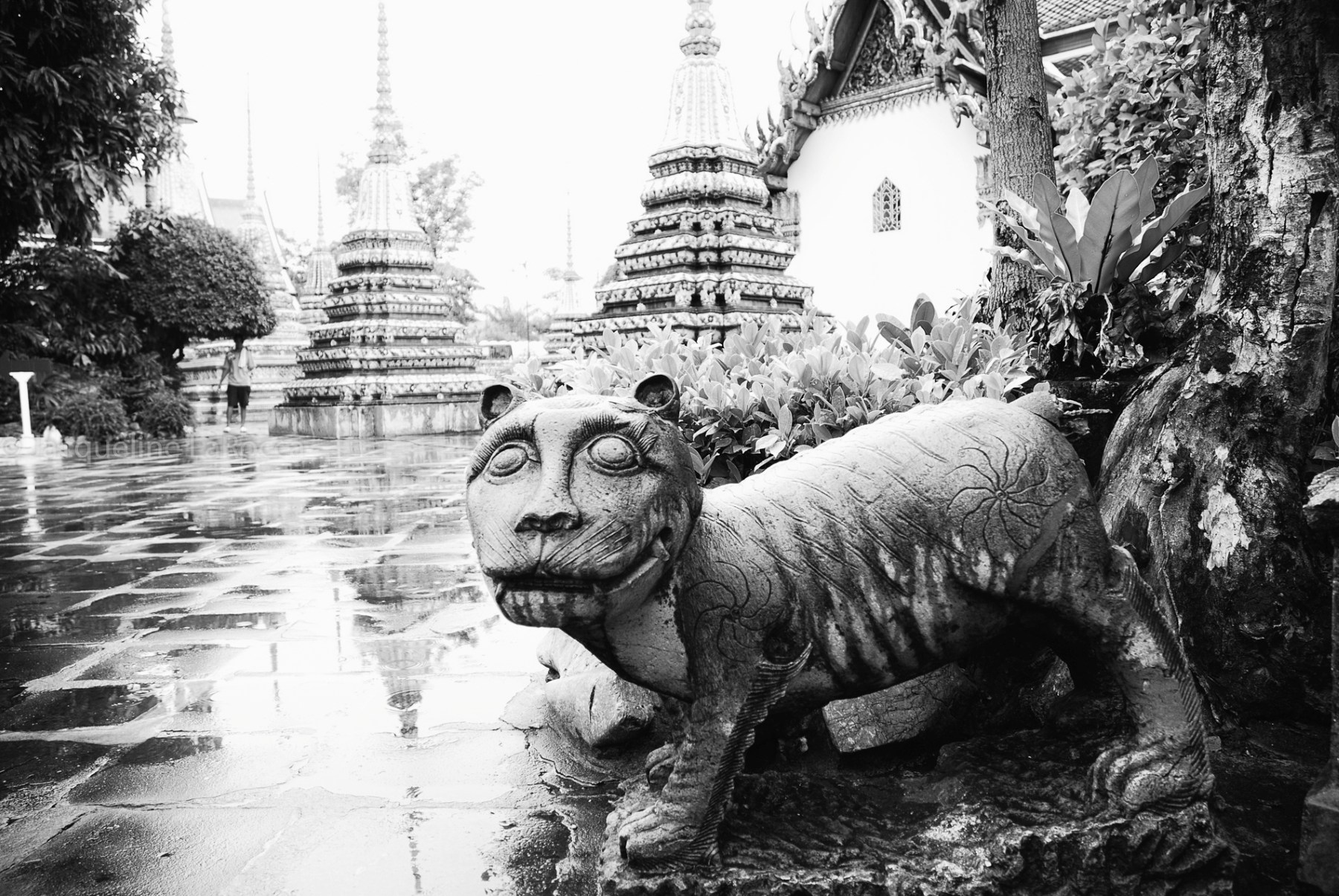
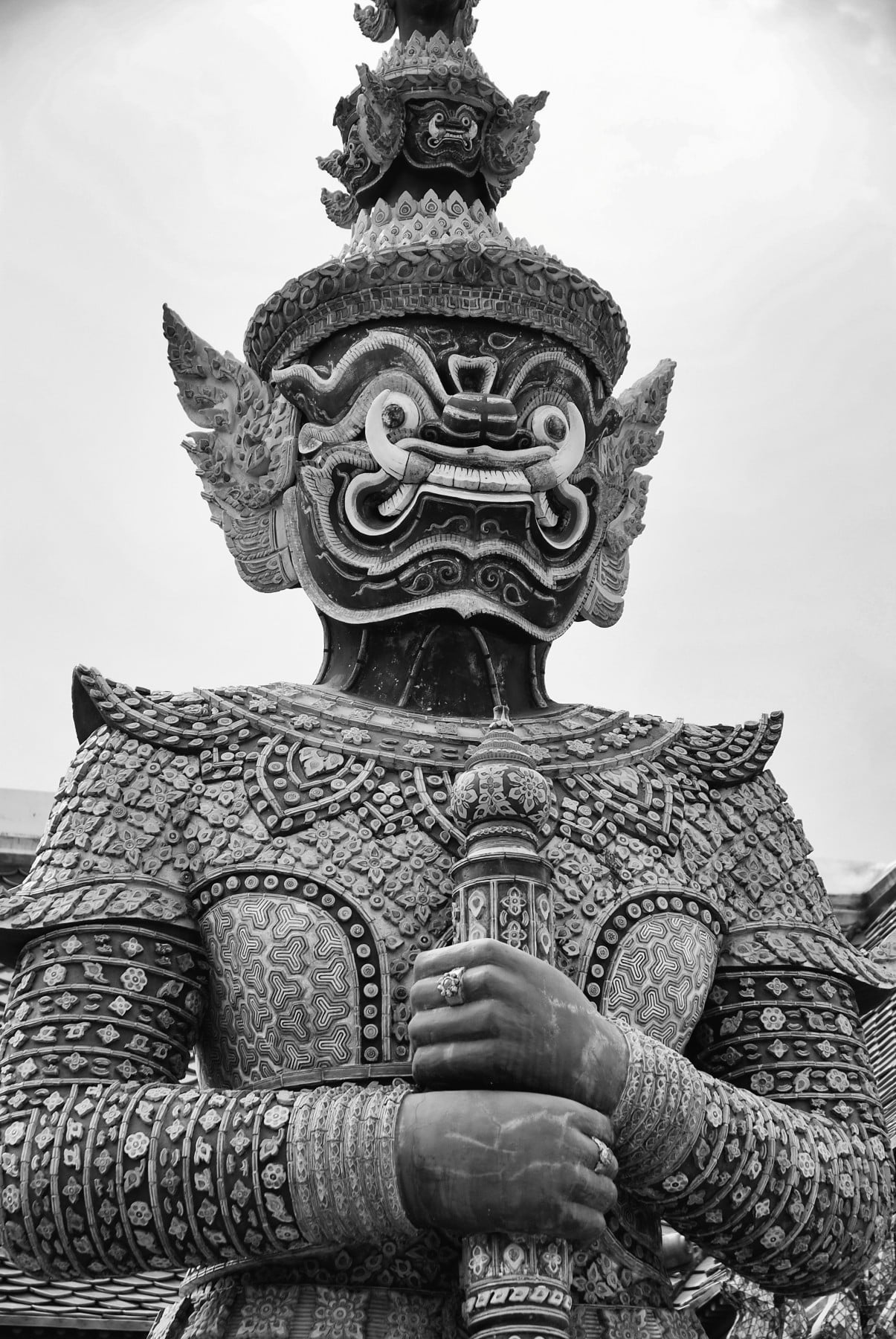


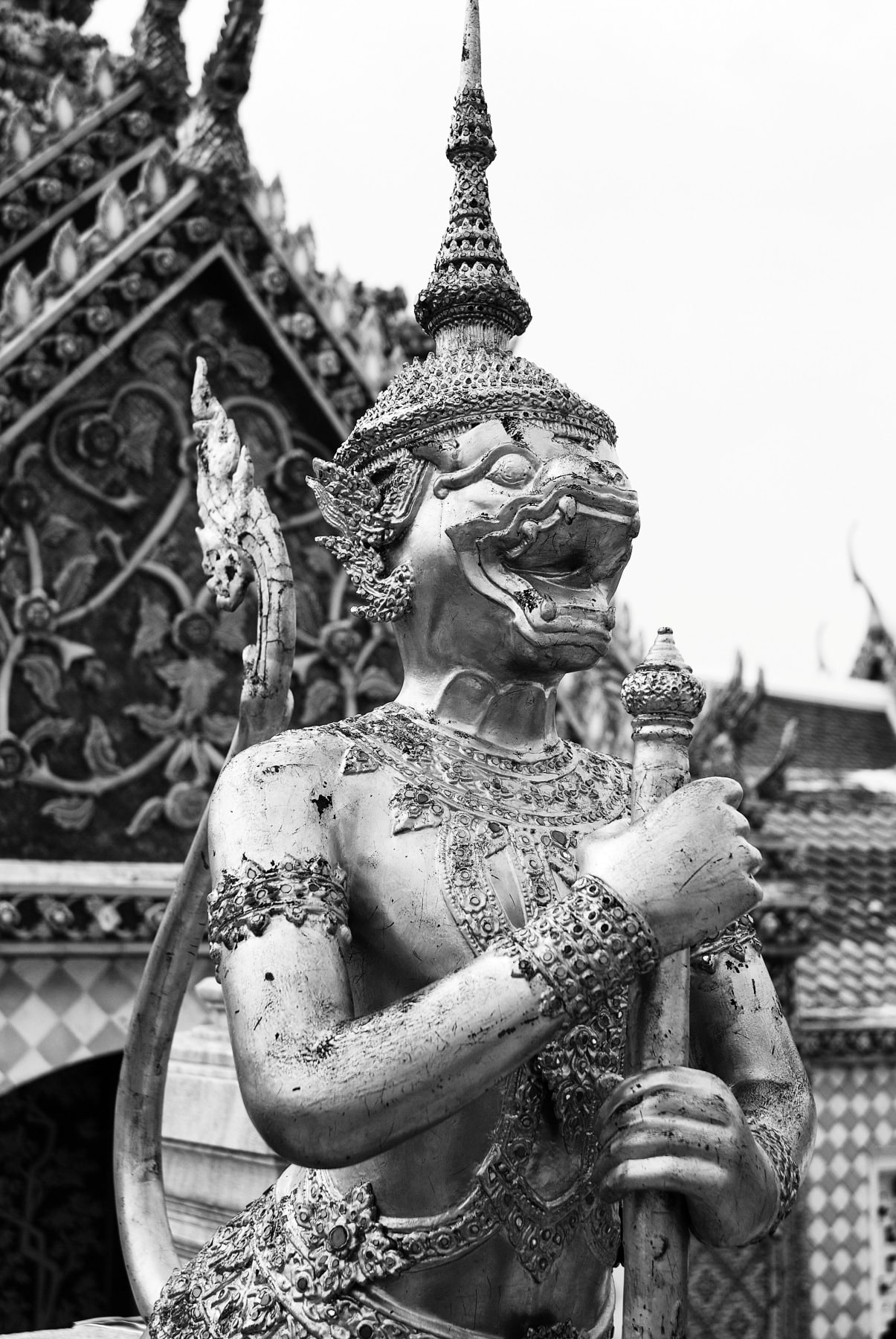

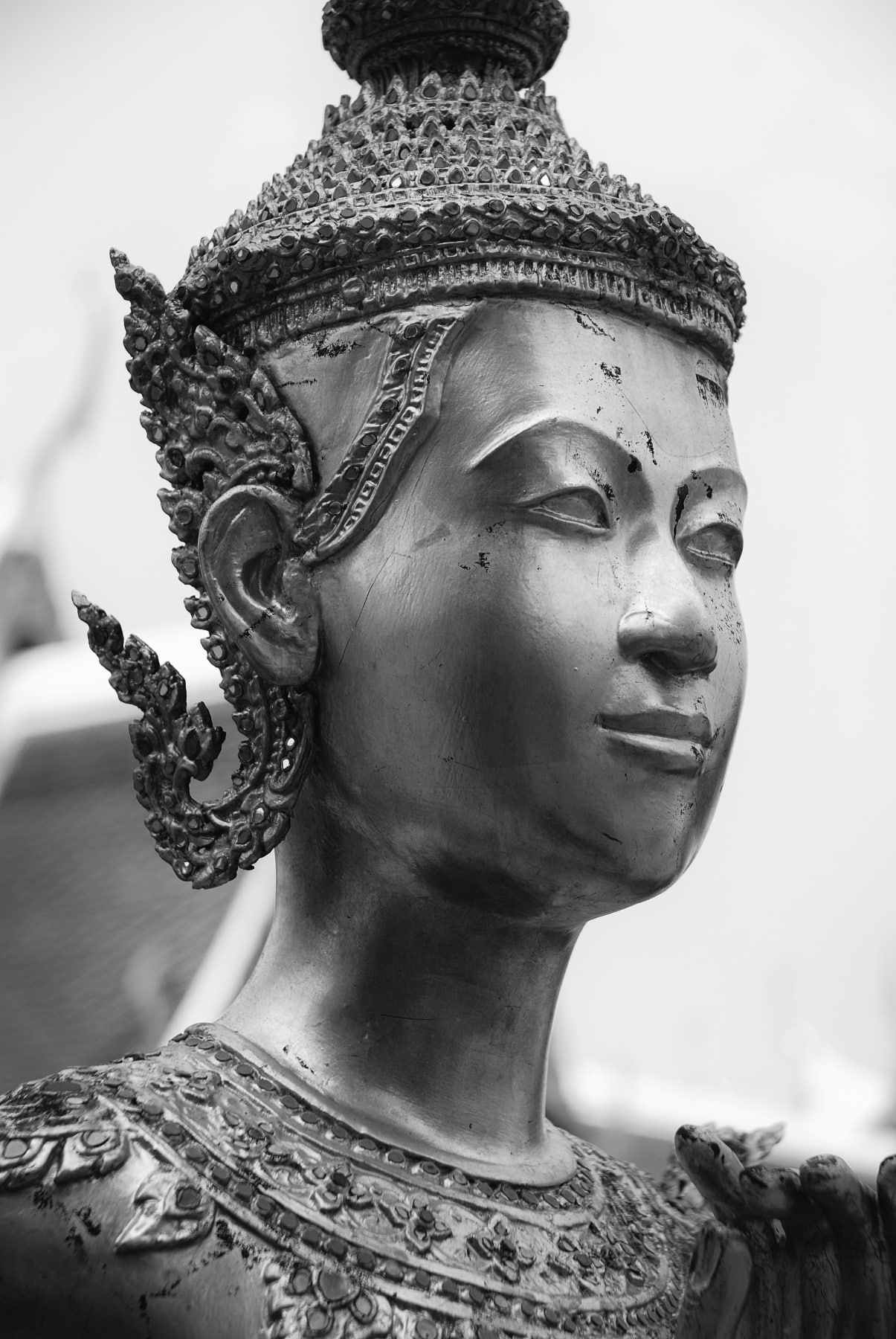
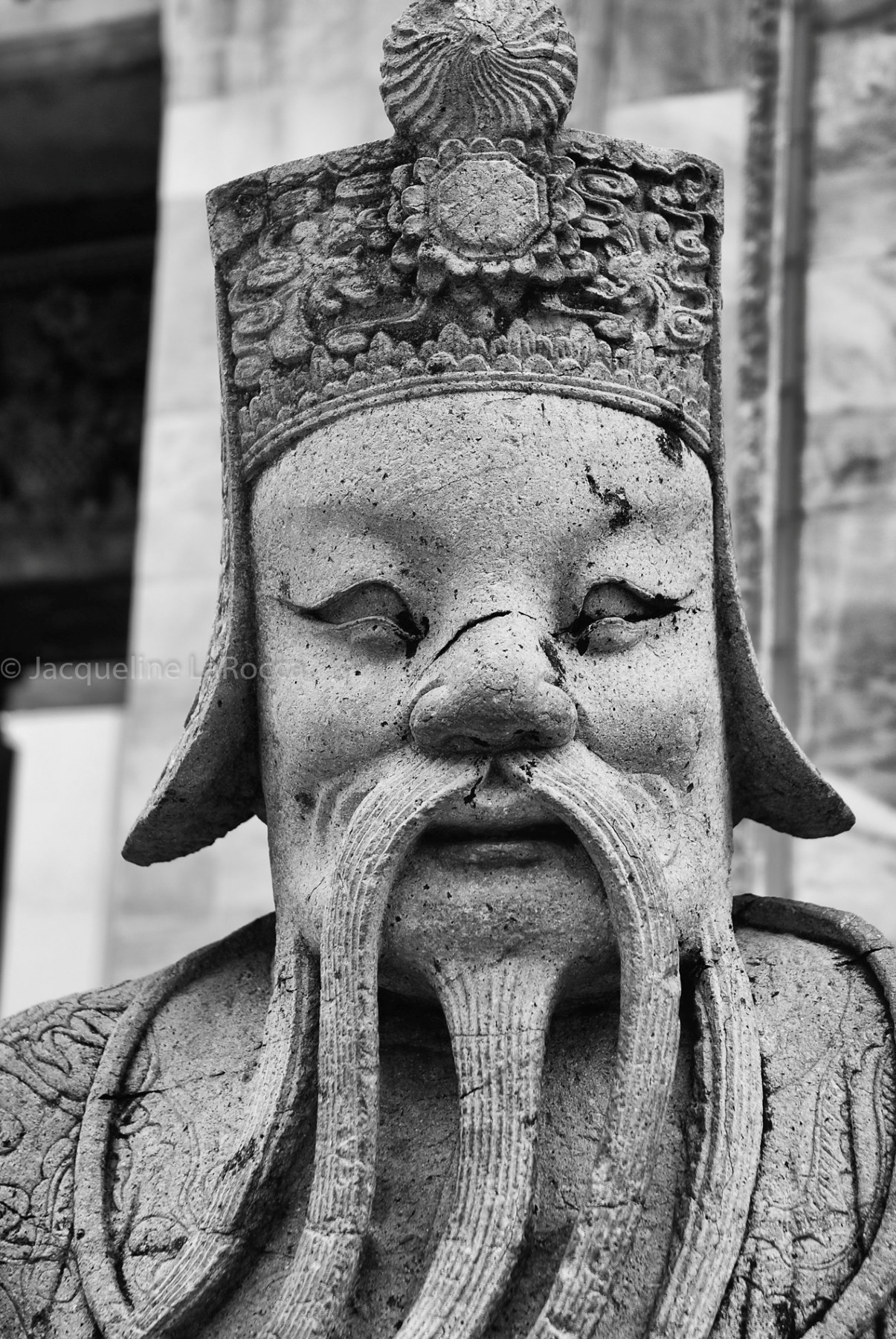
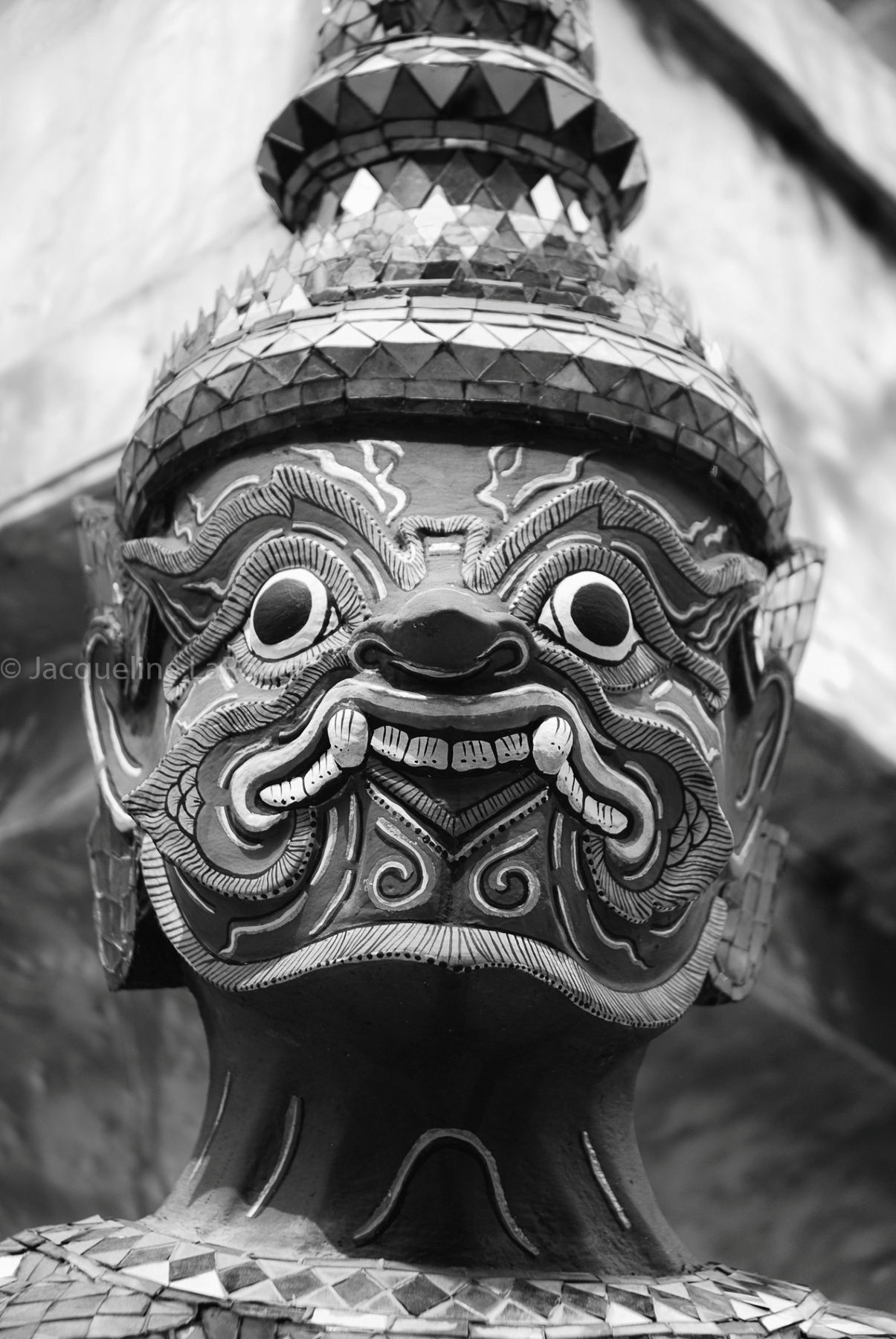
History of Bangkok
From River Village to Strategic Outpost
Bangkok began as a small riverside community along the Chao Phraya River. Its location offered easy access to inland canals and coastal trade routes. Therefore, the area gradually gained strategic importance. During the late Ayutthaya period, Bangkok served as a fortified outpost guarding approaches to the capital.
As regional tensions increased, the settlement’s military value grew. Consequently, Bangkok became a key defensive gateway for the kingdom.
Rise of a New Capital
After Ayutthaya fell in 1767, General Taksin established a new capital at Thonburi, directly across the river from modern Bangkok. This move ensured quick access to trade networks and secure river defenses.
However, the capital shifted again in 1782 when King Rama I founded the Chakri Dynasty. He moved the royal court to the eastern bank and created Rattanakosin, the historic heart of Bangkok.
As a result, the city began its transformation into a major political and cultural center.
Growth Through Trade and Modernization
During the 19th century, Bangkok expanded rapidly. Kings Rama III and Rama IV encouraged foreign trade, which attracted merchants from China, India, and Europe. Meanwhile, new canals supported transportation, agriculture, and commerce.
These waterways shaped Bangkok’s early identity as the “Venice of the East.” Later, King Rama V introduced modern reforms, including roads, railways, and administrative changes.
Consequently, Bangkok evolved into a modernizing capital connected to global markets.
A City Shaped by Change
During the 20th century, Bangkok continued growing at a remarkable pace. Political reforms reshaped national governance, while new industries fueled economic expansion. As the population increased, the city spread outward from Rattanakosin into new districts.
Meanwhile, modern infrastructure replaced many older canals. Despite these changes, Bangkok preserved key cultural landmarks, including temples, palaces, and historic neighborhoods.
Therefore, the city balanced modernization with deep cultural continuity.
Bangkok as a Global Metropolis
By the late 20th century, Bangkok emerged as a major Southeast Asian metropolis. Skyscrapers rose across the skyline, and international businesses established regional headquarters. Tourism expanded rapidly, supported by vibrant markets, historic temples, and dynamic street life.
Consequently, Bangkok became one of the world’s most visited cities. Its blend of tradition and innovation shaped a unique urban identity admired worldwide.
Bangkok Today
Today, Bangkok stands as Thailand’s political, economic, and cultural heart. Its temples, palaces, and riverfront districts reveal centuries of history. Meanwhile, modern transit lines, creative industries, and global cuisine highlight its contemporary energy.
As a result, Bangkok remains a city defined by movement, resilience, and constant reinvention.
Showing all 3 results
-

Thailand Canvas Art Prints
$229.00 (price_excluding_tax) Select options This product has multiple variants. The options may be chosen on the product page -
Thailand Fine Art Prints
$350.00 (price_excluding_tax) Select options This product has multiple variants. The options may be chosen on the product page -
Thailand Framed Art Prints
$550.00 (price_excluding_tax) Select options This product has multiple variants. The options may be chosen on the product page


Showing all 3 results