Angkor Thom Black and White
Angkor Thom Black and White
by Jacqueline LaRocca
History of Angkor Thom
Origins of Angkor Thom
Angkor Thom emerged in the late 12th century under Jayavarman VII.
He built it after the Cham invasion devastated Angkor.
Therefore, he designed the city as a powerful political and spiritual center.
The name means “Great City,” and it reflected royal ambition.
Soon, Angkor Thom became the heart of the Khmer Empire.
Additionally, its massive walls and gates projected strength and divine authority.
Meanwhile, the city’s layout followed symbolic cosmic principles.
Consequently, Angkor Thom represented both earthly rule and also heavenly order.
Monumental Gates and Roads
Jayavarman VII constructed five monumental gates around the city.
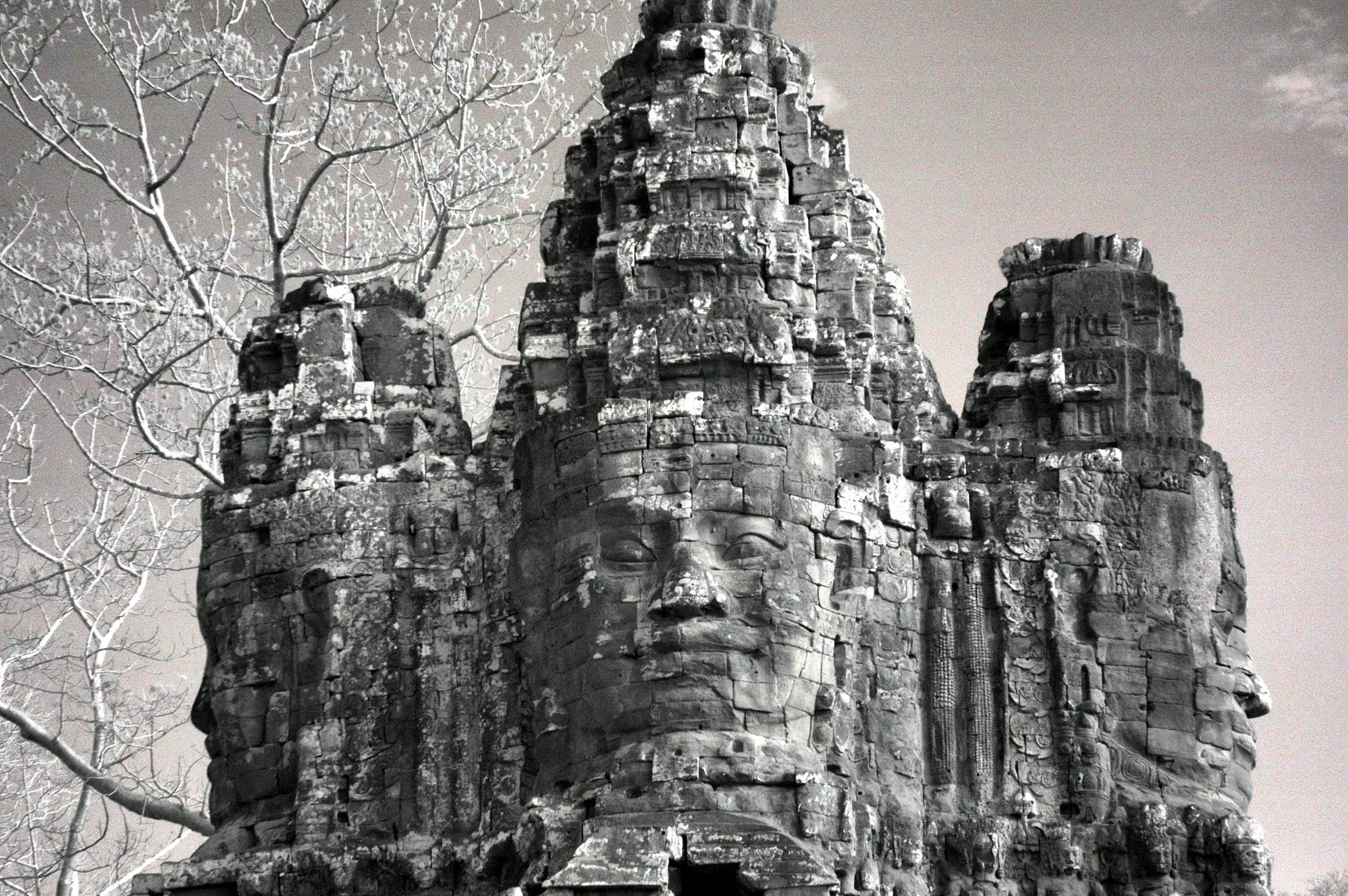
Each gate displayed giant faces symbolizing compassion and watchfulness.
Wide causeways crossed moats and featured rows of gods and demons.
These figures reenacted the Churning of the Ocean myth.
As a result, visitors encountered sacred imagery before entering the city.
Straight roads then connected the gates to the central temple.
Additionally, this design emphasized order, harmony, and royal control.
The Bayon at the Center
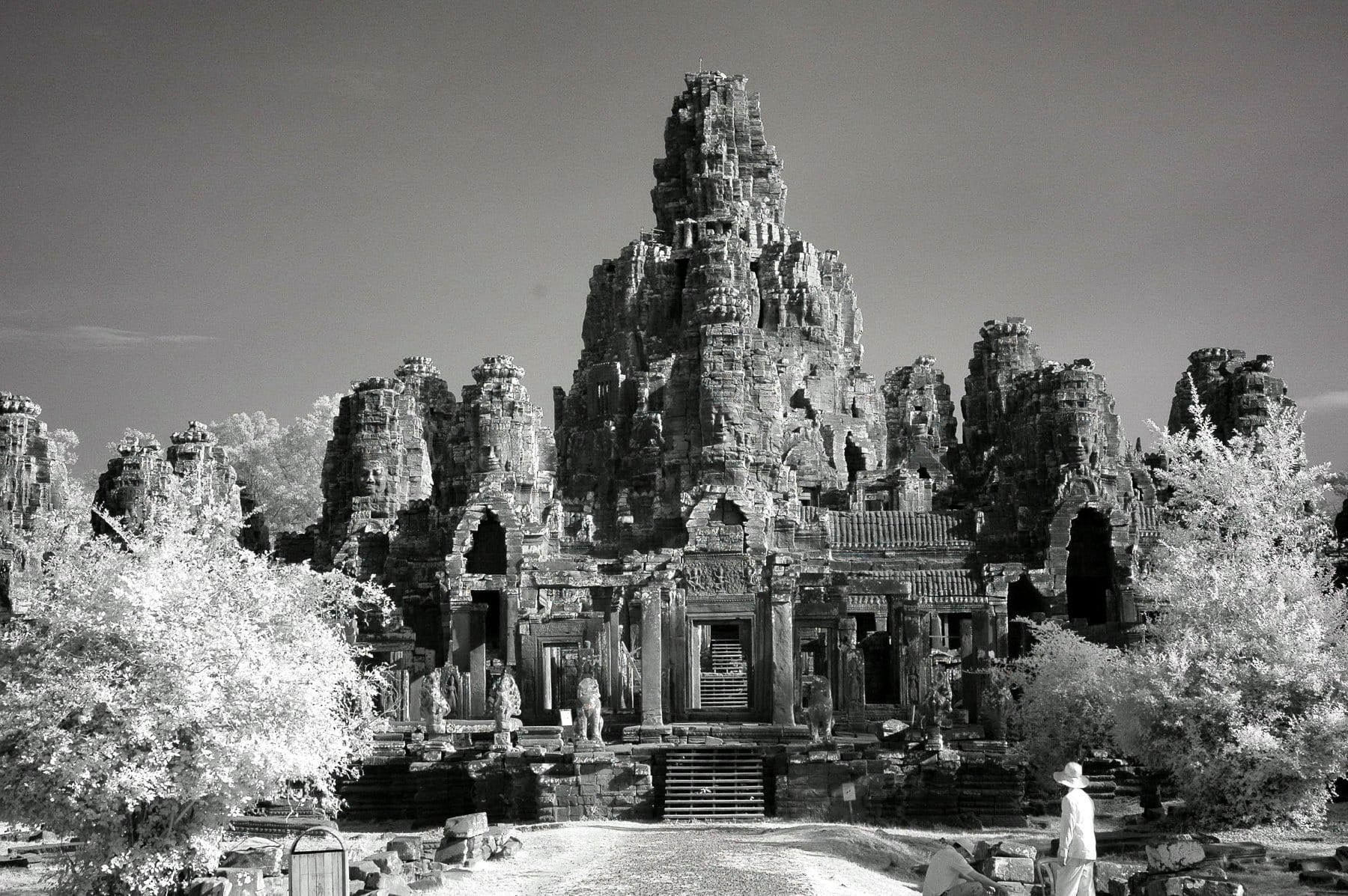
The Bayon stood at the city’s exact center.
Jayavarman VII built it as his state temple.
Its towers carried serene faces that watched every direction.
These faces likely represented Avalokiteshvara or the king himself.
Inside, intricate bas‑reliefs depicted battles, rituals, and daily life.
Therefore, the Bayon blended political messages with spiritual symbolism.
Its central position reinforced the king’s cosmic authority.
Soon, the temple became Angkor Thom’s defining monument.
Royal and Civic Structures
Around the Bayon, Jayavarman VII built key administrative buildings.
The Royal Palace occupied a large walled compound nearby.
Although the palace vanished, its terraces still survive.
The Terrace of the Elephants hosted royal ceremonies and parades.
Meanwhile, the Terrace of the Leper King displayed mysterious sculptures.
Scholars still debate the terrace’s symbolic meaning.
Together, these structures showcased royal power and public life.
Consequently, Angkor Thom functioned as both capital and ceremonial stage.
Decline and Transformation
After Jayavarman VII’s death, the city gradually changed.
Later kings added Hindu temples and altered Buddhist imagery.
However, regional conflicts weakened the Khmer Empire.
Trade routes shifted, and resources declined.
By the 15th century, Angkor Thom lost political importance.
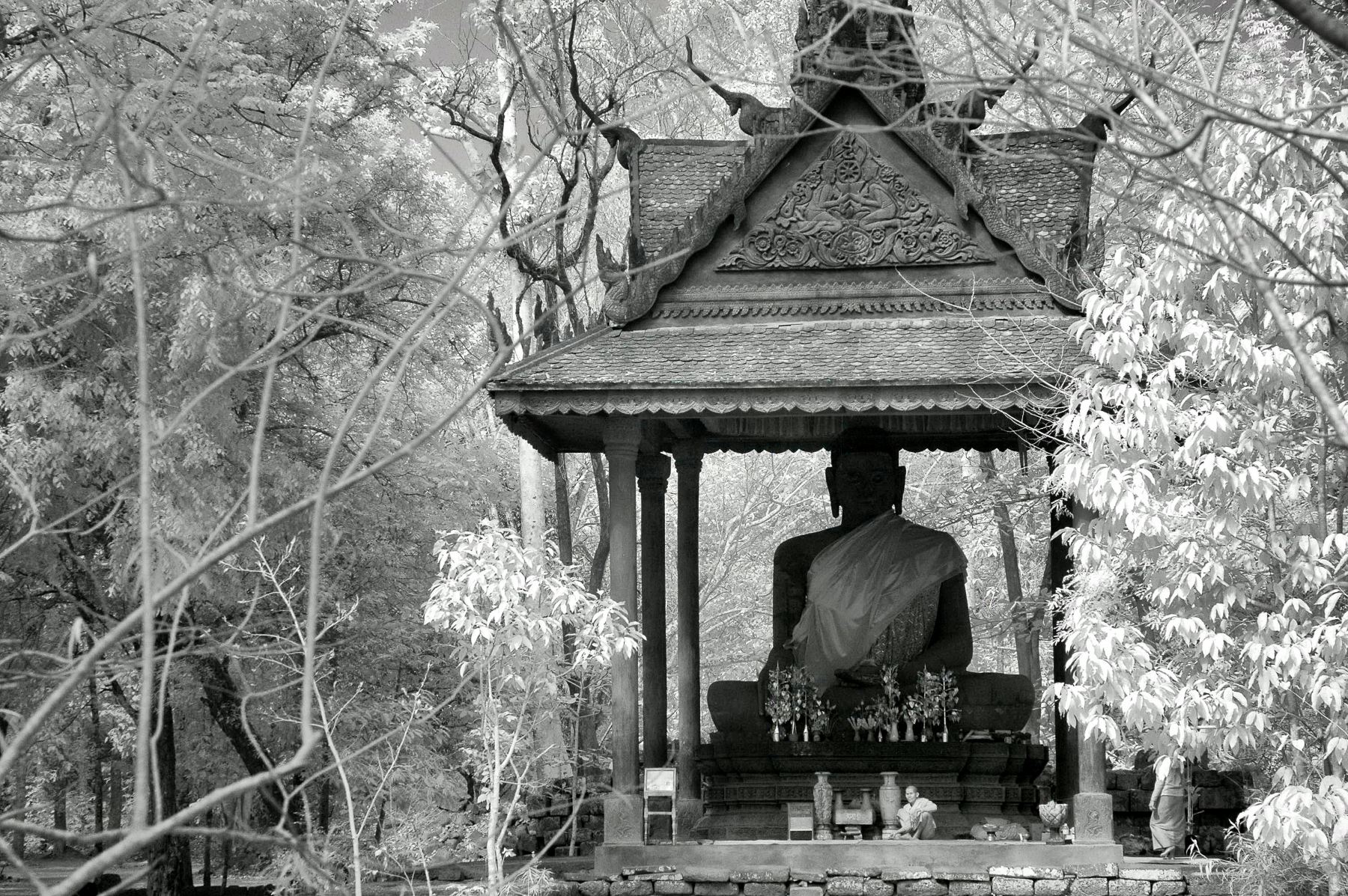
Even so, monks continued using some temples.
Nature slowly reclaimed the city’s abandoned spaces.
Eventually, Angkor Thom became a silent monument to Khmer greatness.
Angkor Thom Today
Today, Angkor Thom attracts visitors from around the world.
Its gates, temples, and terraces reveal Khmer creativity and resilience.
Meanwhile, ongoing conservation protects its fragile structures.
As a result, Angkor Thom remains a powerful symbol of Cambodia’s heritage.
Showing all 3 results
-
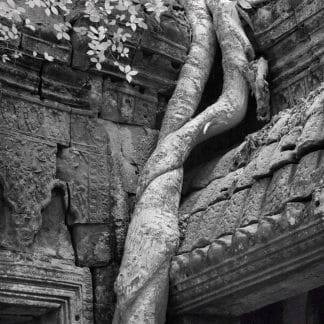
Cambodia Canvas Art Prints
$229.00 (price_excluding_tax) Select options This product has multiple variants. The options may be chosen on the product page -
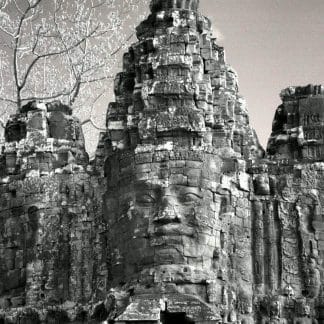
Cambodia Fine Art Prints
Price range: $190.00 through $350.00 (price_excluding_tax) Select options This product has multiple variants. The options may be chosen on the product page -
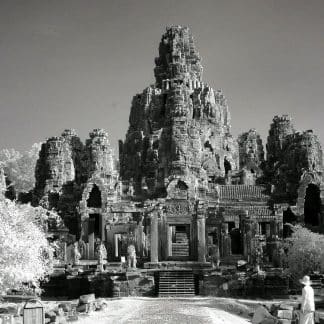
Cambodia Framed Art Prints
$550.00 (price_excluding_tax) Select options This product has multiple variants. The options may be chosen on the product page


Showing all 3 results