


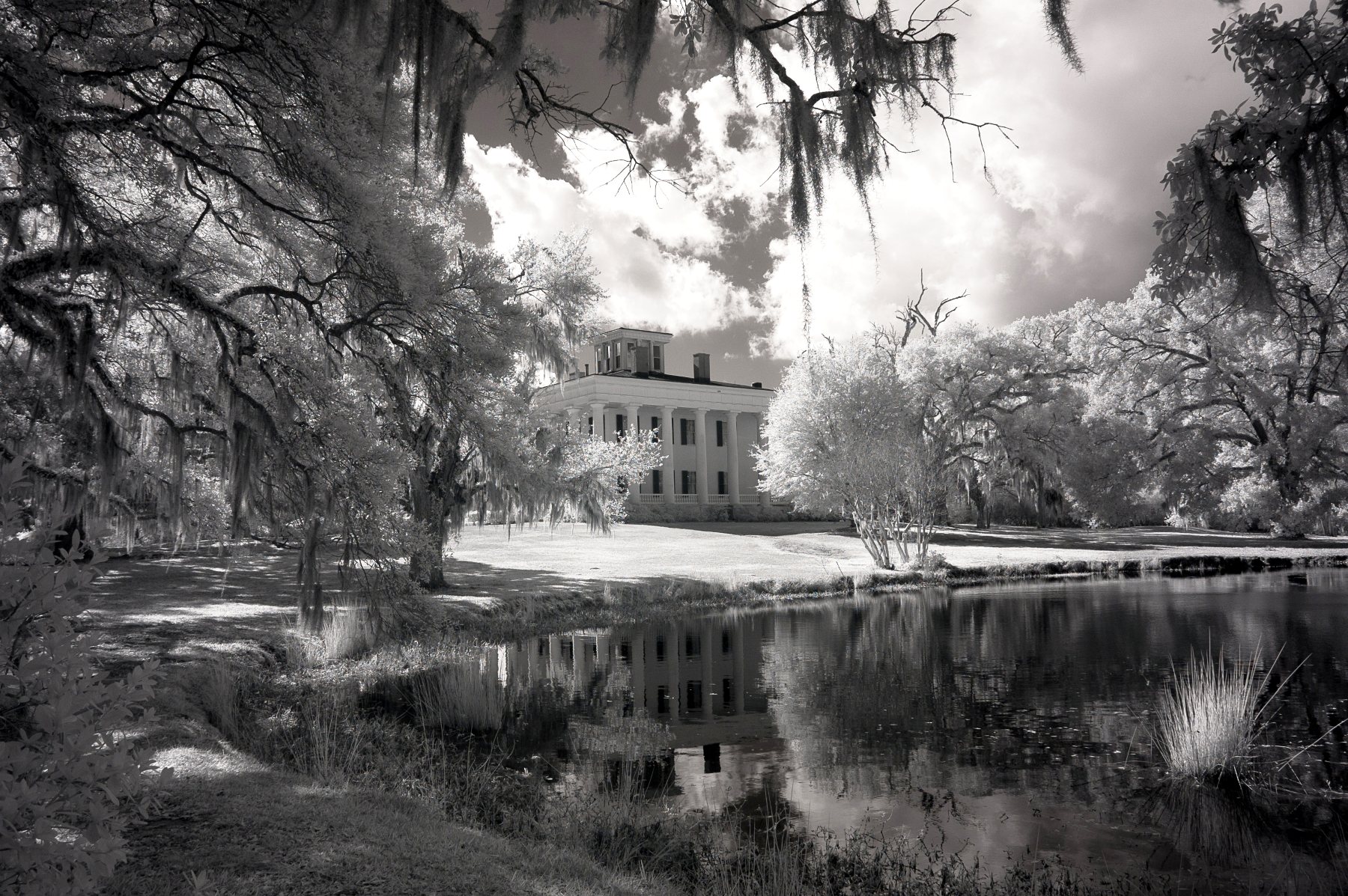
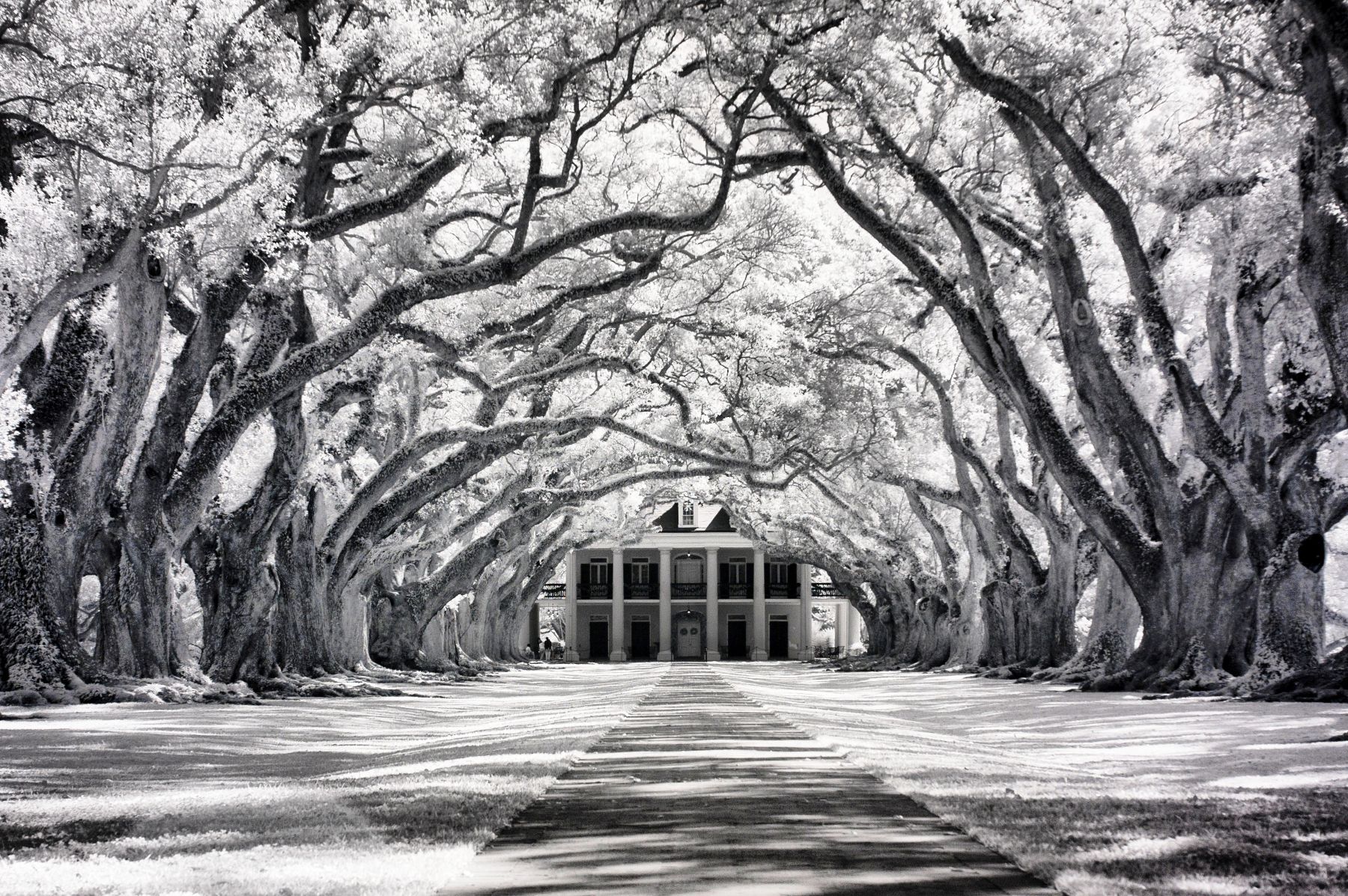


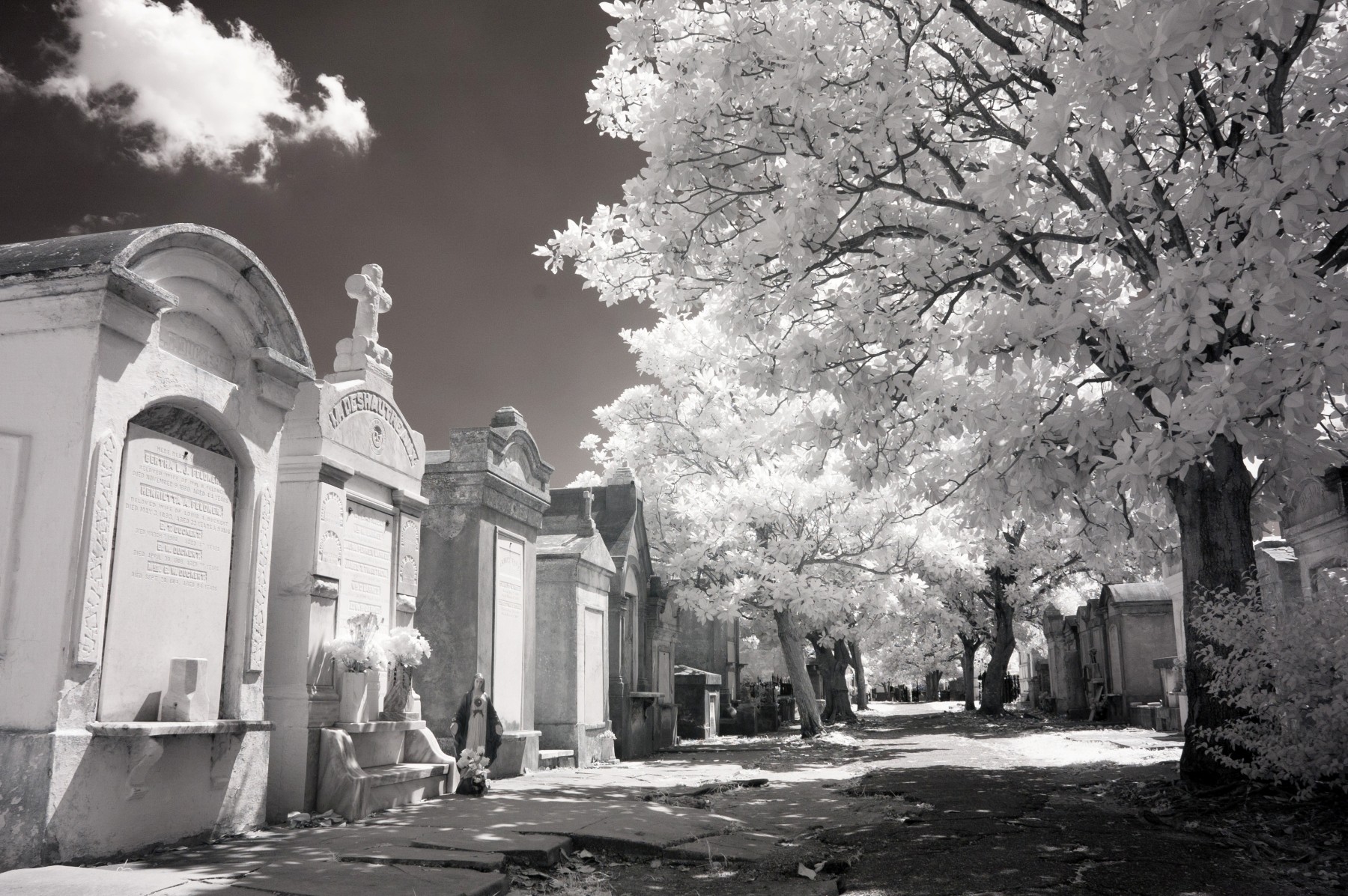
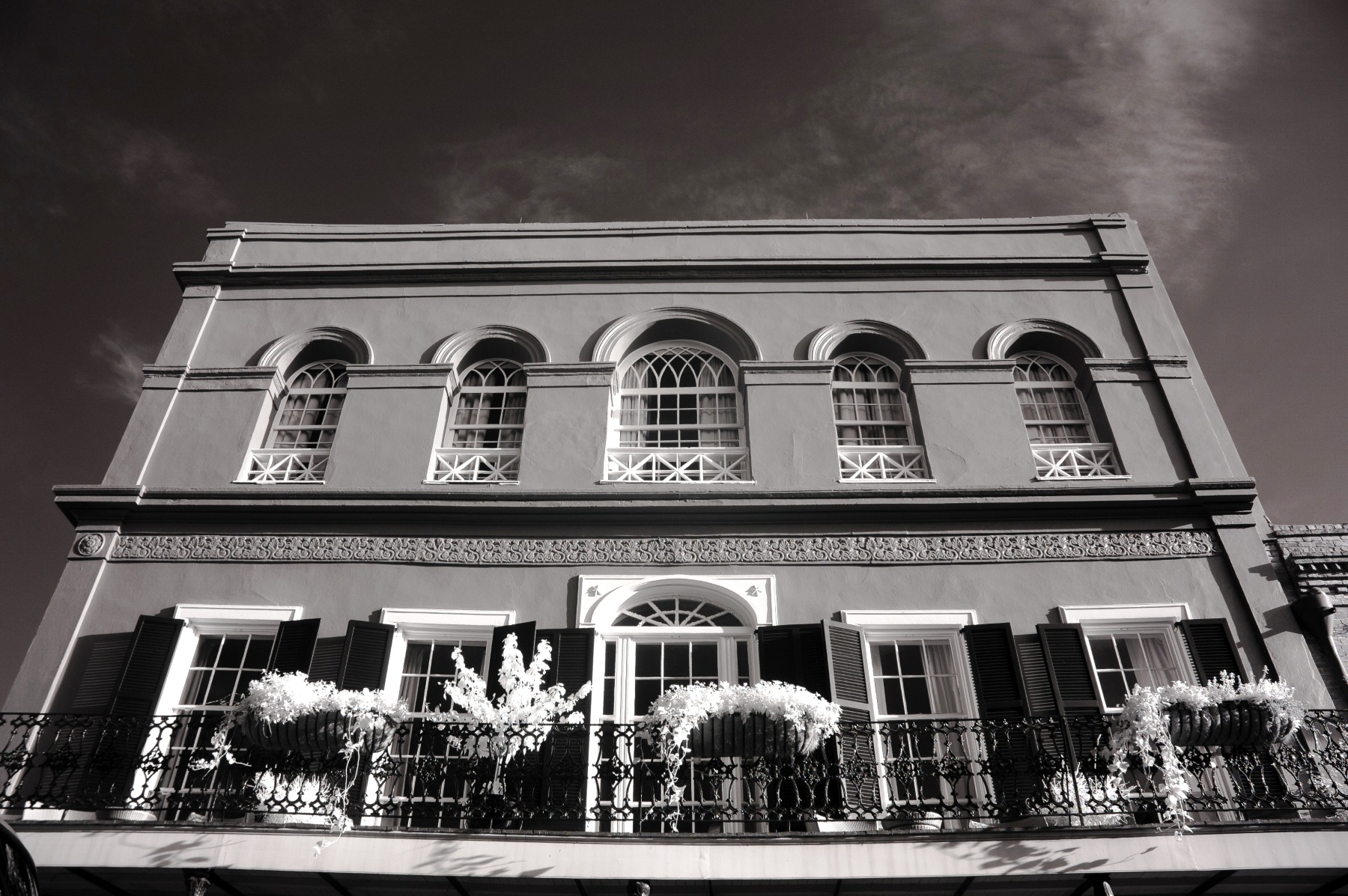
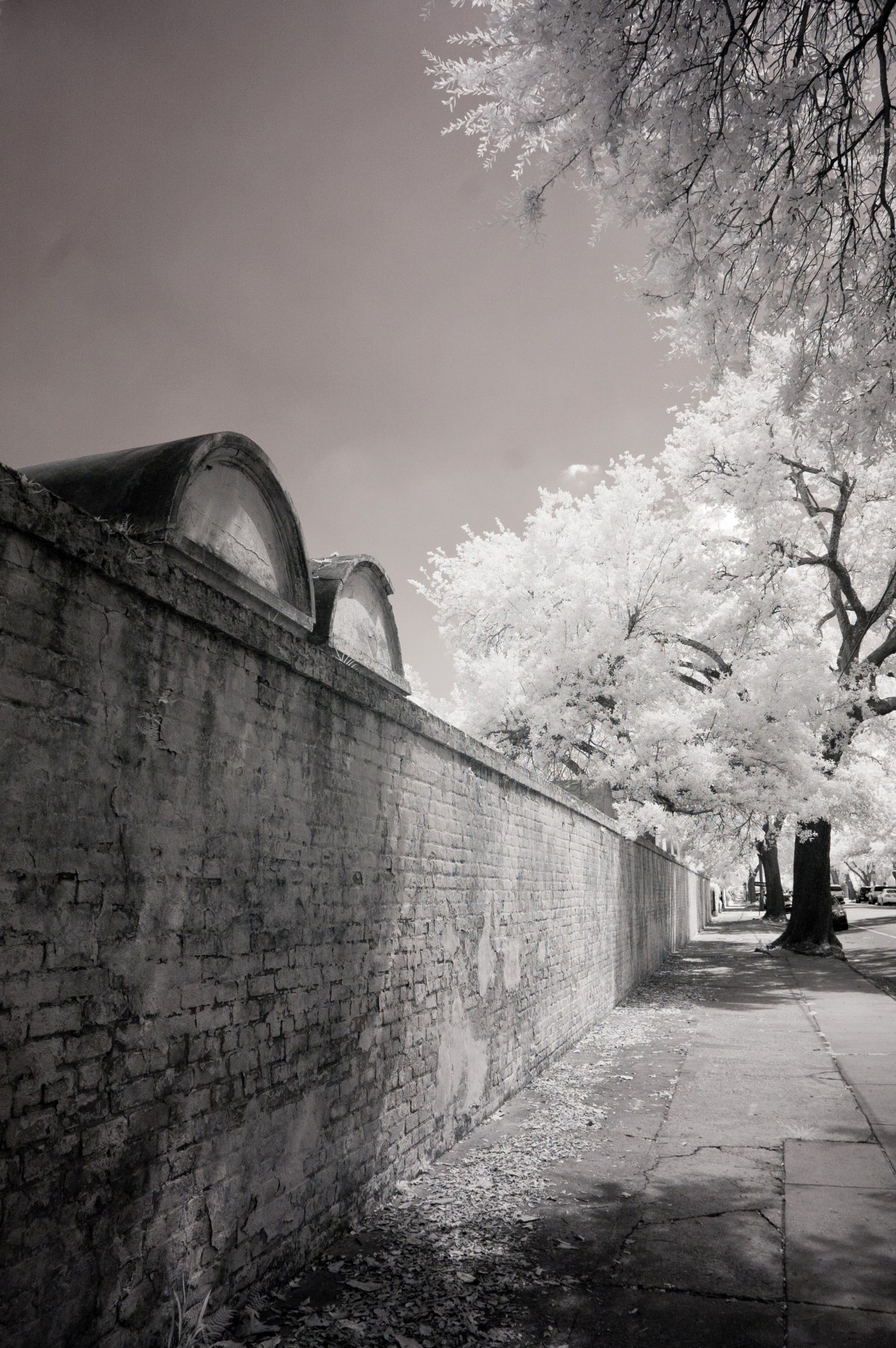

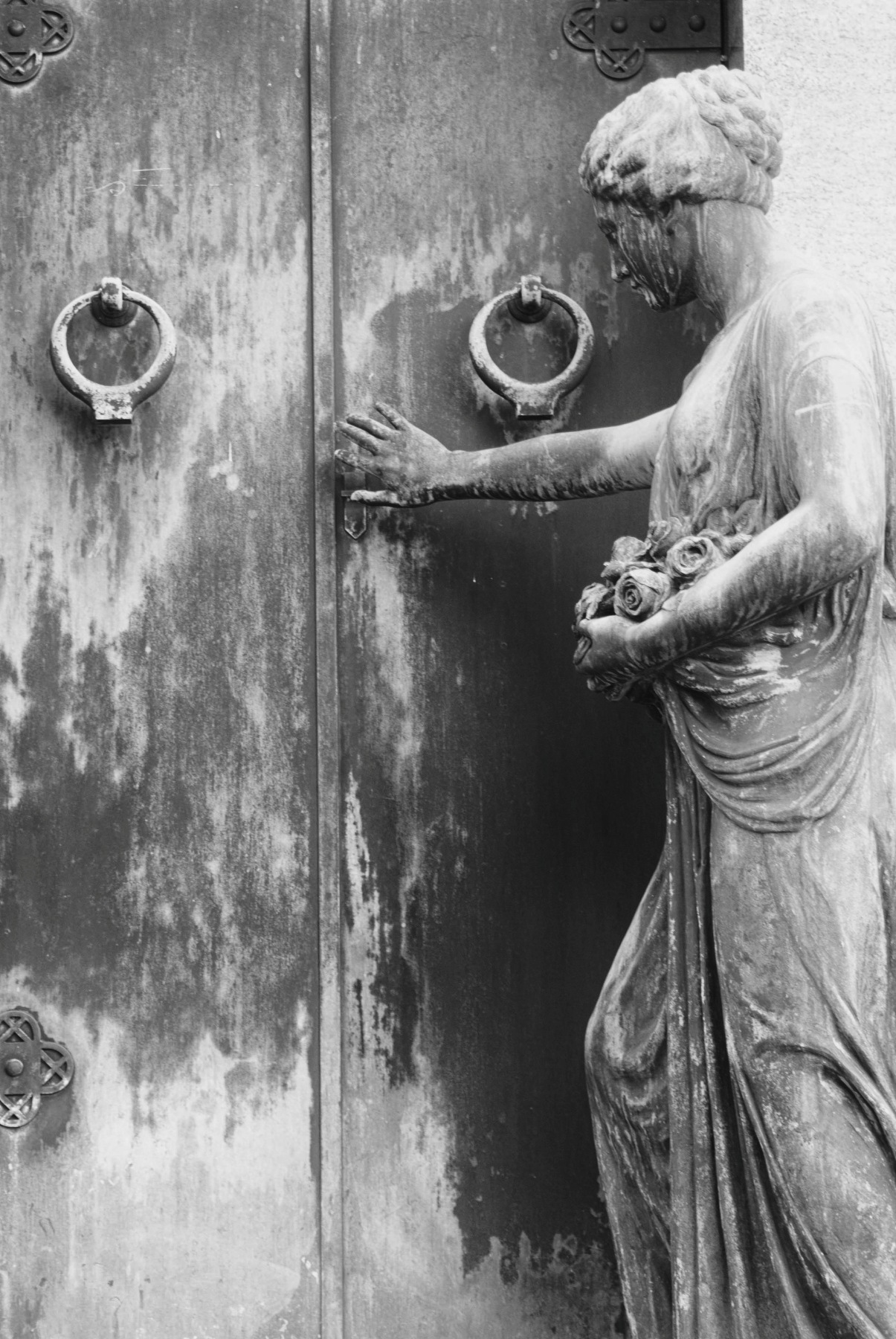
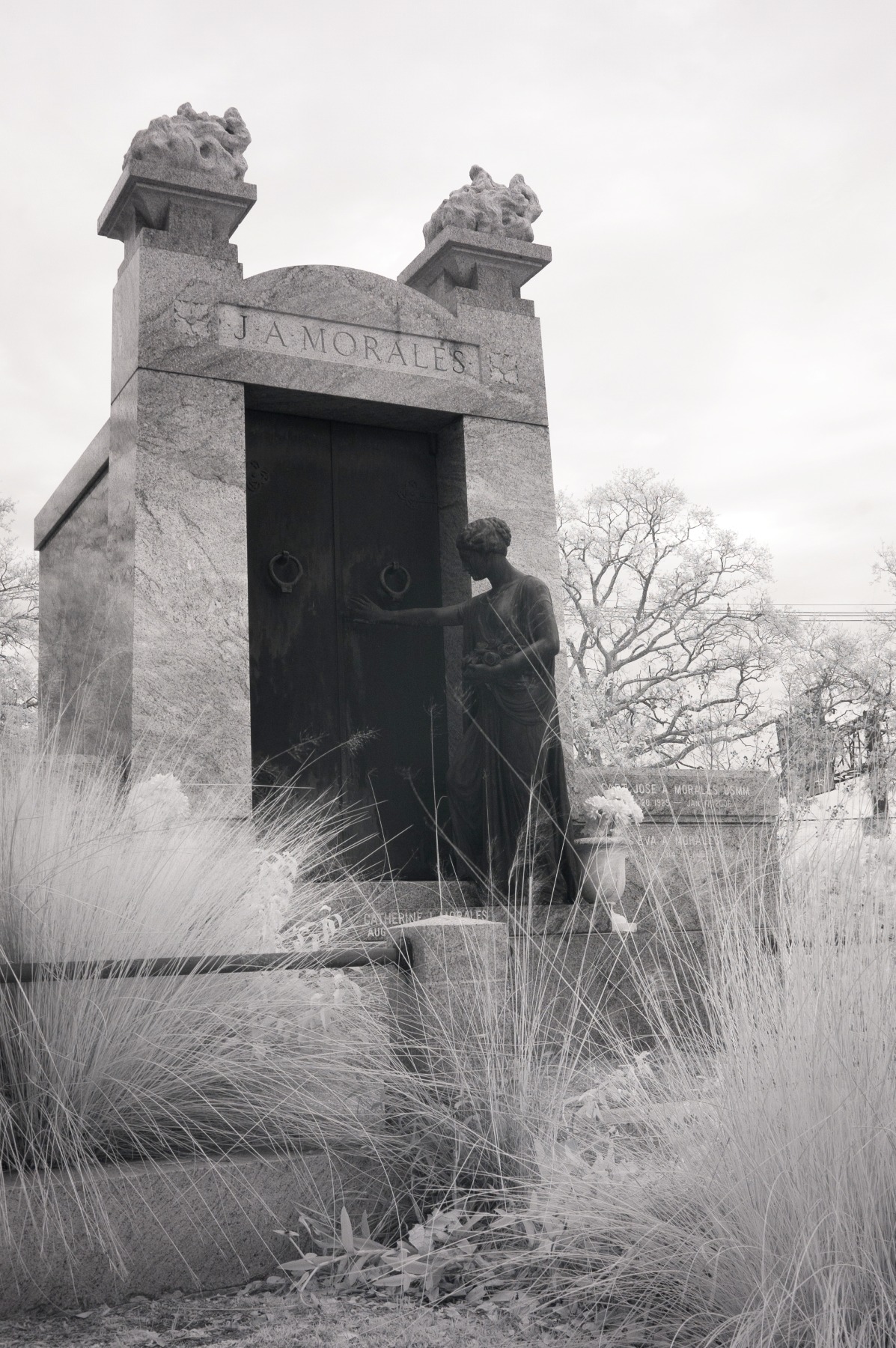

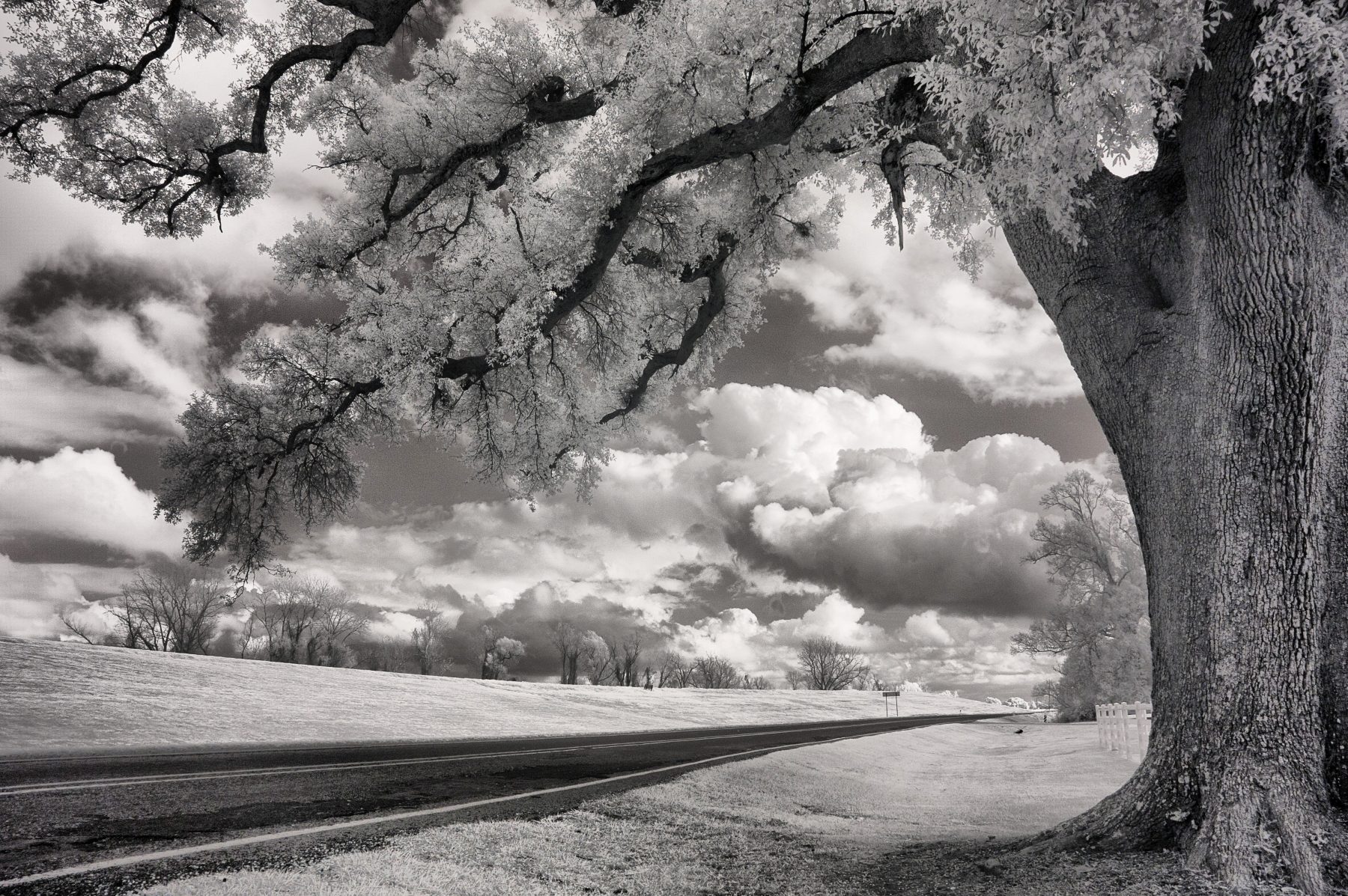

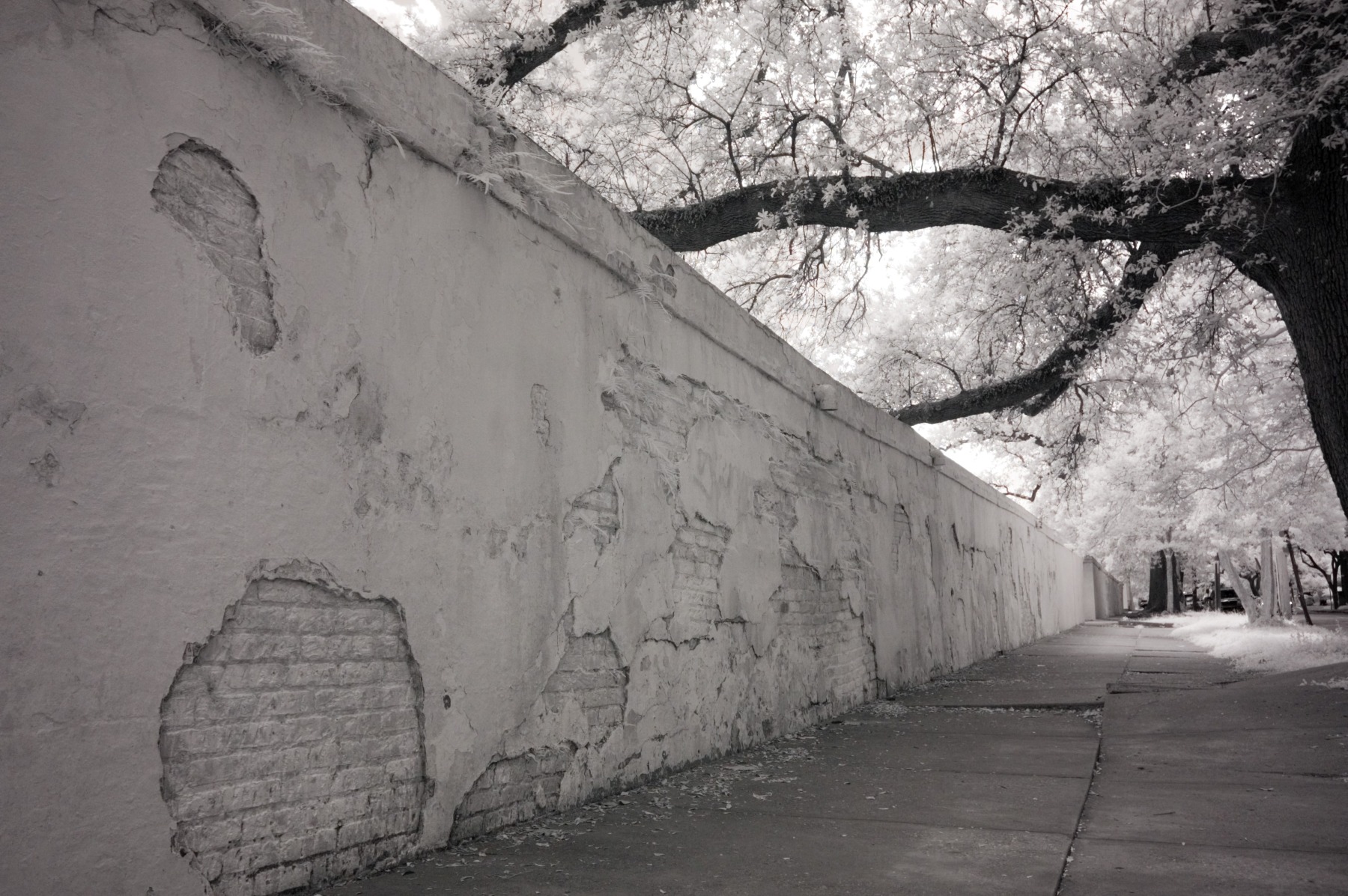


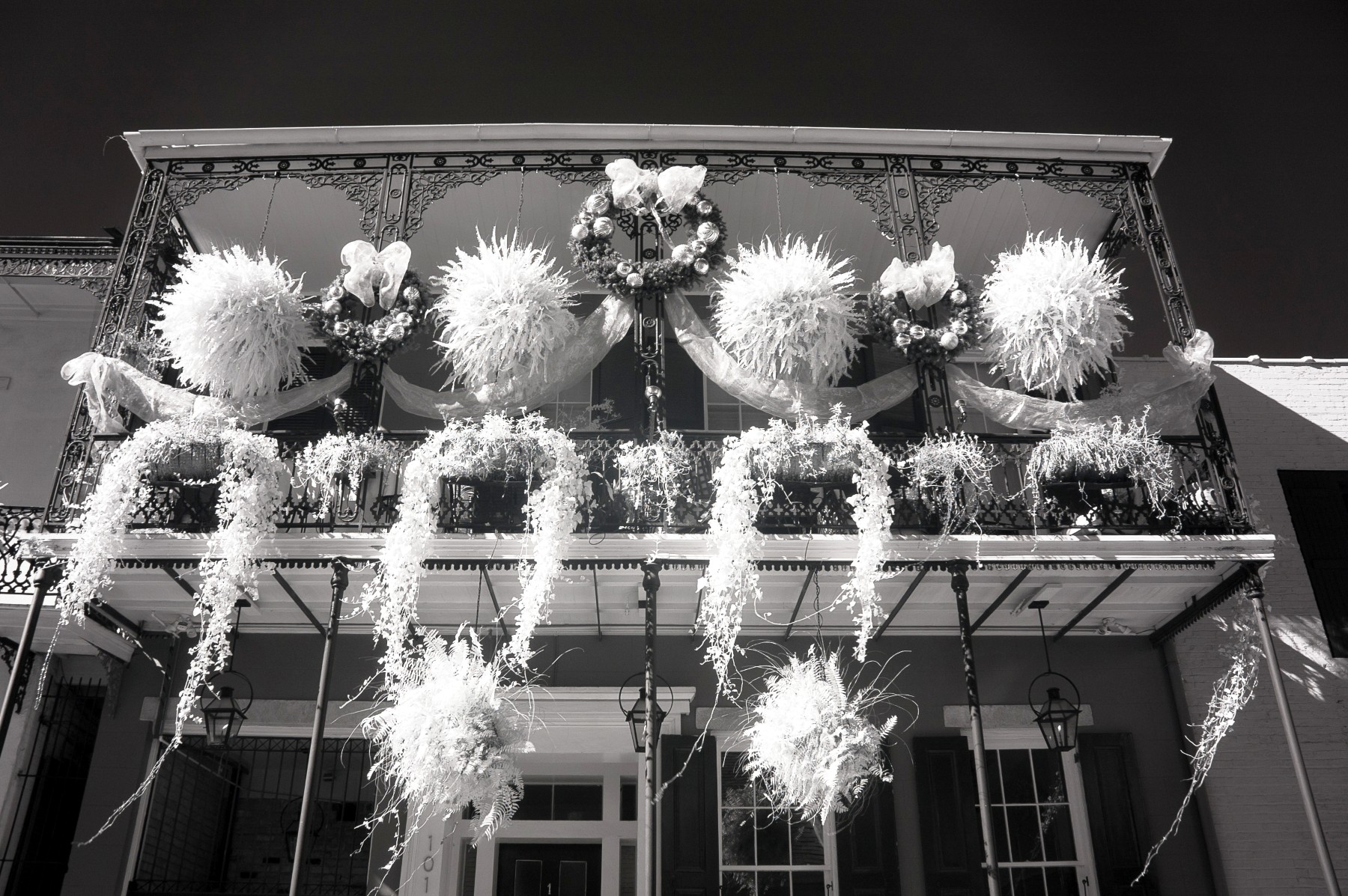

Description
Louisiana Fine Art 24×16 Prints
by Jacqueline LaRocca
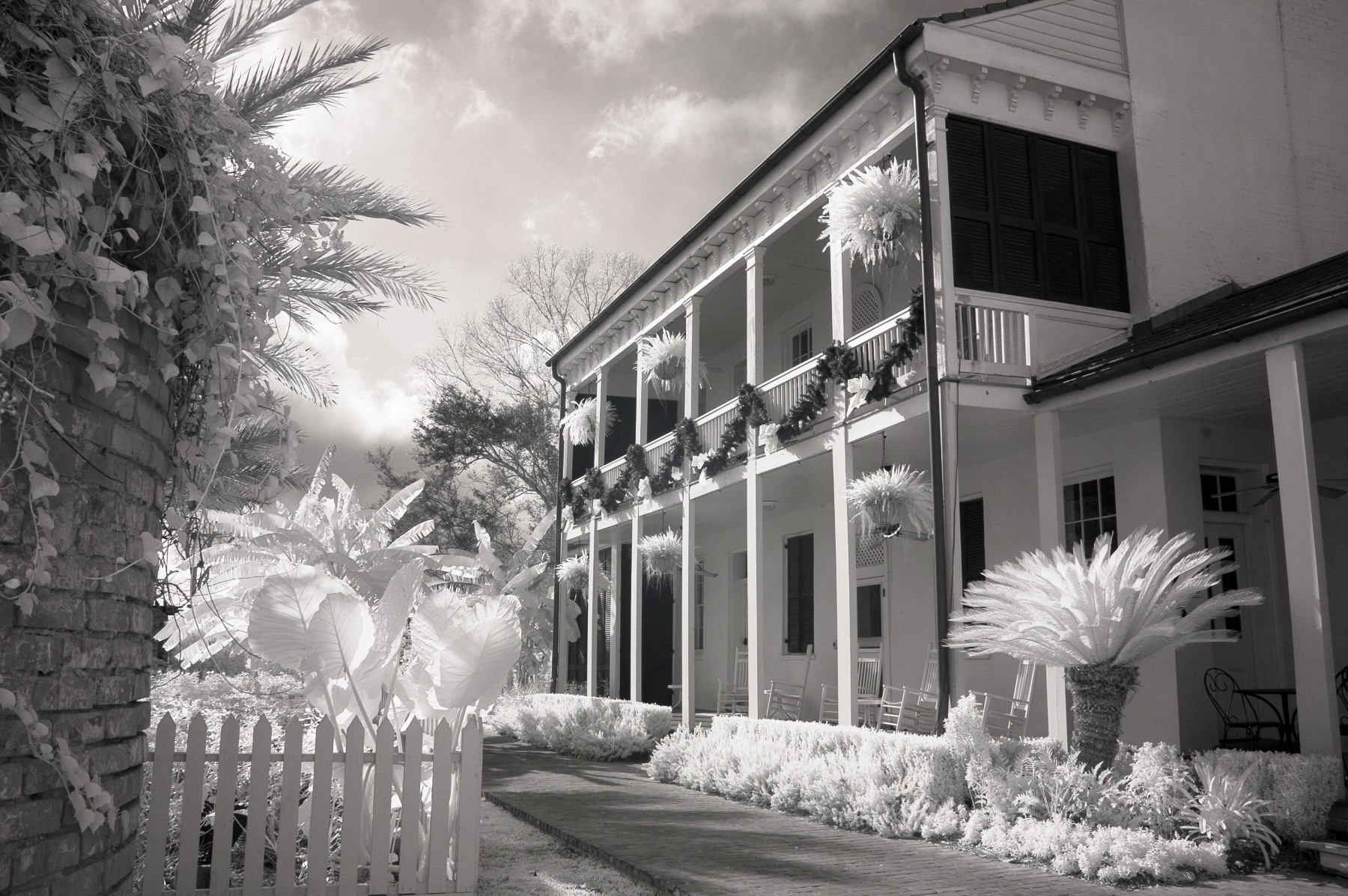
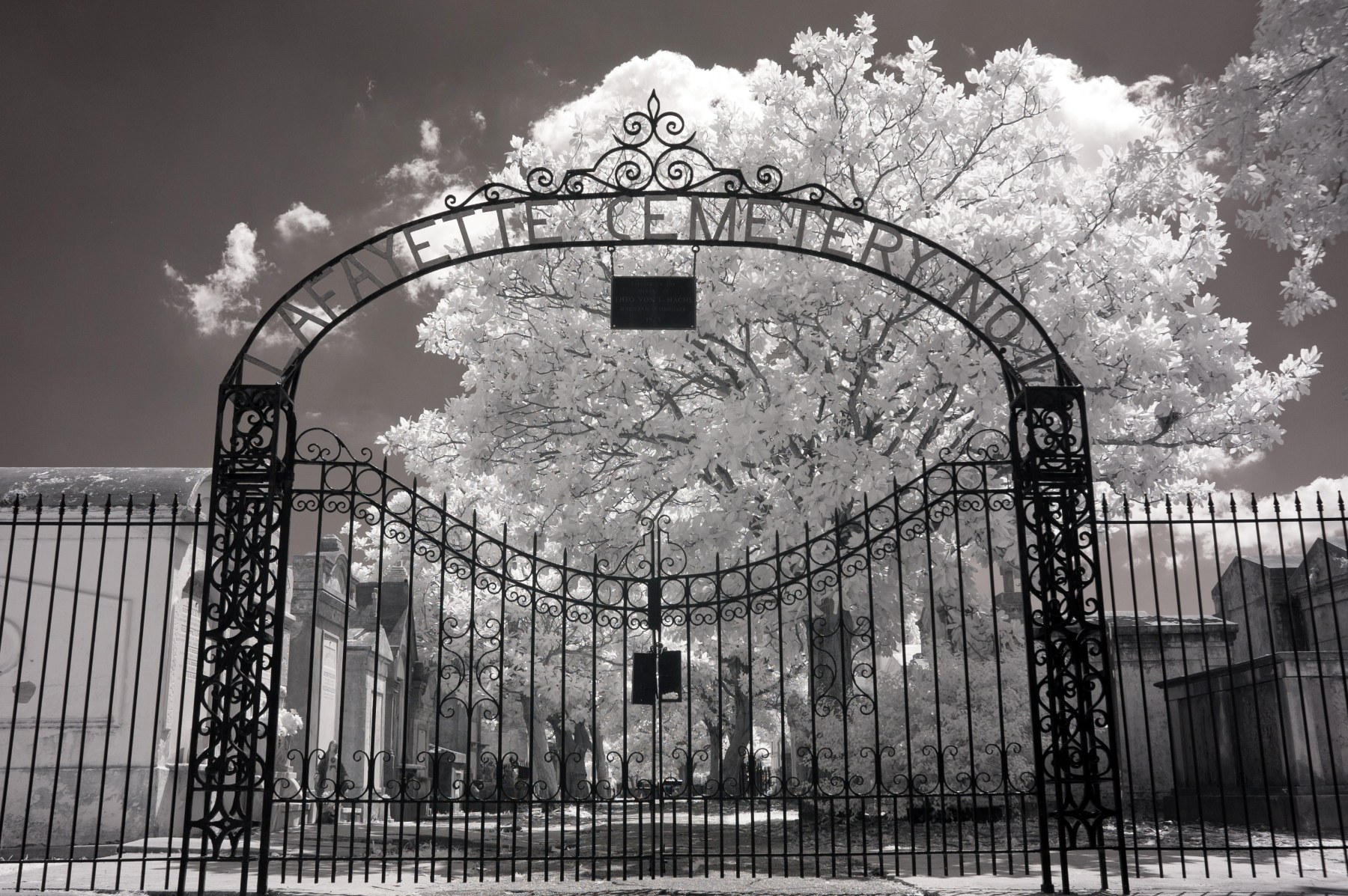
Geography
Louisiana, located in the southeastern United States, boasts a unique geography characterized by its extensive waterways and diverse landscapes. The Mississippi River, one of the world’s major river systems, flows through the state, creating fertile delta regions.
Additionally, Louisiana features vast wetlands, bayous, and coastal marshes, which support rich biodiversity. The state’s geography also includes rolling hills in the north and sandy beaches along the Gulf of Mexico.
History
Historically, Louisiana’s story begins with its indigenous peoples, including the Choctaw and Natchez peoples. In 1682, French explorer Robert Cavelier de La Salle claimed the territory for France, naming it after King Louis XIV. The French established New Orleans in 1718, which became a vital port city.
In 1763, Spain gained control of Louisiana, only to return it to France in 1800. Three years later, the United States acquired Louisiana through the Louisiana Purchase, doubling the nation’s size.
Culture
Louisiana’s culture is a vibrant tapestry woven from its diverse heritage. French, Spanish, African, and Caribbean influences blend to create a unique cultural landscape. The state’s Creole and Cajun communities, descendants of French settlers and Acadians, respectively, contribute significantly to its cultural identity. Louisiana is renowned for its music, particularly jazz, which originated in New Orleans.
The city also hosts the world-famous Mardi Gras festival, a lively celebration featuring parades, music, and elaborate costumes.
French and Spanish Roots
Culinary traditions in Louisiana are equally rich and diverse. Creole cuisine, with its French and Spanish roots, features dishes like gumbo and jambalaya. Cajun cuisine, known for its bold flavors, includes specialties such as crawfish étouffée and boudin. Both culinary styles emphasize the use of local ingredients, including seafood from the Gulf of Mexico.
Modern Times
Transitioning to modern times, Louisiana continues to celebrate its cultural heritage while embracing progress. The state’s economy relies on industries such as oil and gas, agriculture, and tourism. New Orleans remains a cultural hub, attracting visitors from around the world with its historic architecture, vibrant music scene, and culinary delights.
Conclusion
In conclusion, Louisiana’s geography, history, and culture create a unique and dynamic state. From its scenic landscapes and rich history to its diverse cultural traditions, Louisiana offers a fascinating blend of the old and the new. The state’s ability to preserve its heritage while adapting to modern times ensures that its unique character will endure for generations to come.
If you like Louisiana Black & White Photos, you may also like


Reviews
There are no reviews yet.