Lafayette Cemetery Infrared Photography
Lafayette Cemetery Infrared Photography
by Jacqueline LaRocca
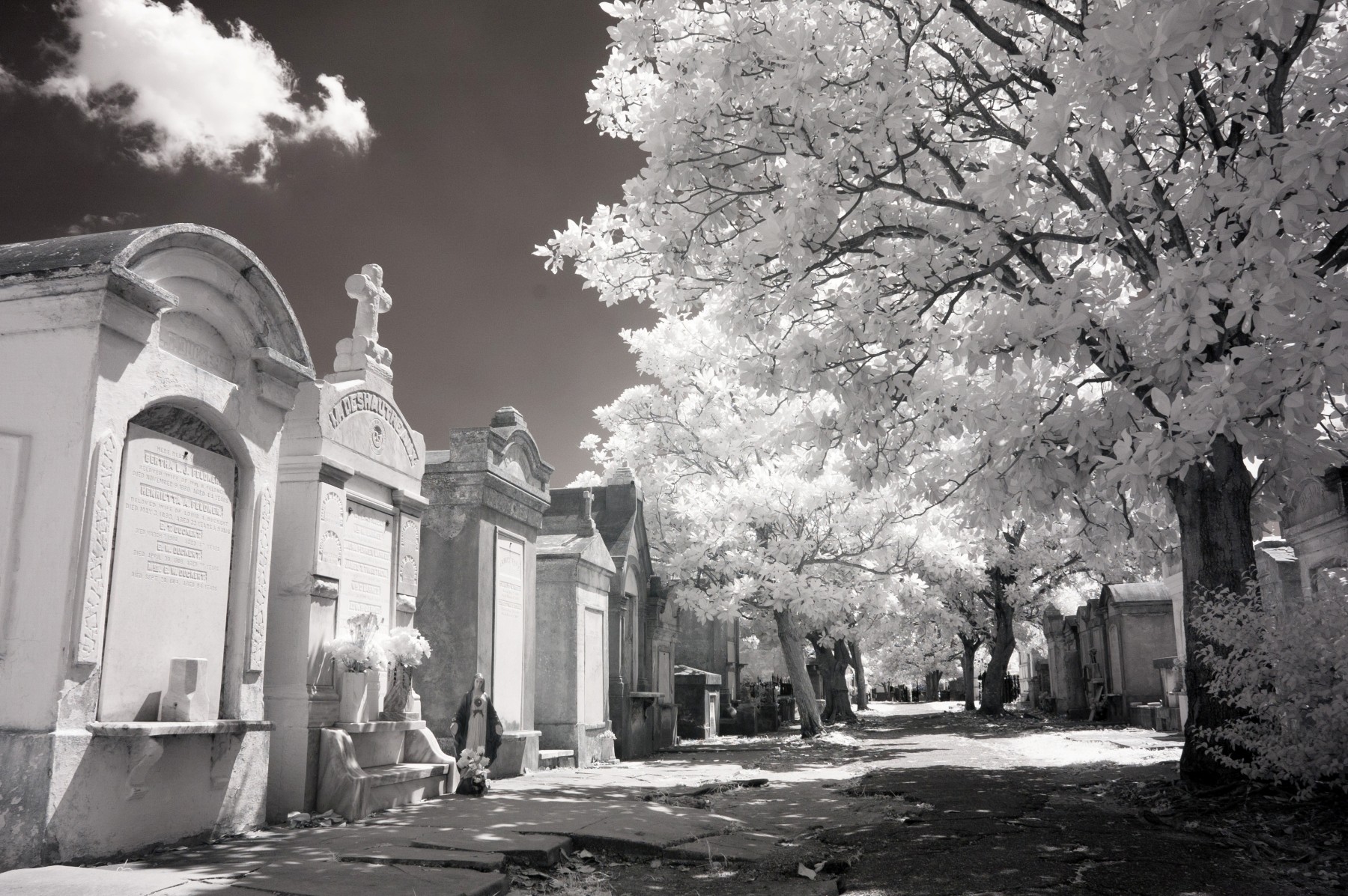
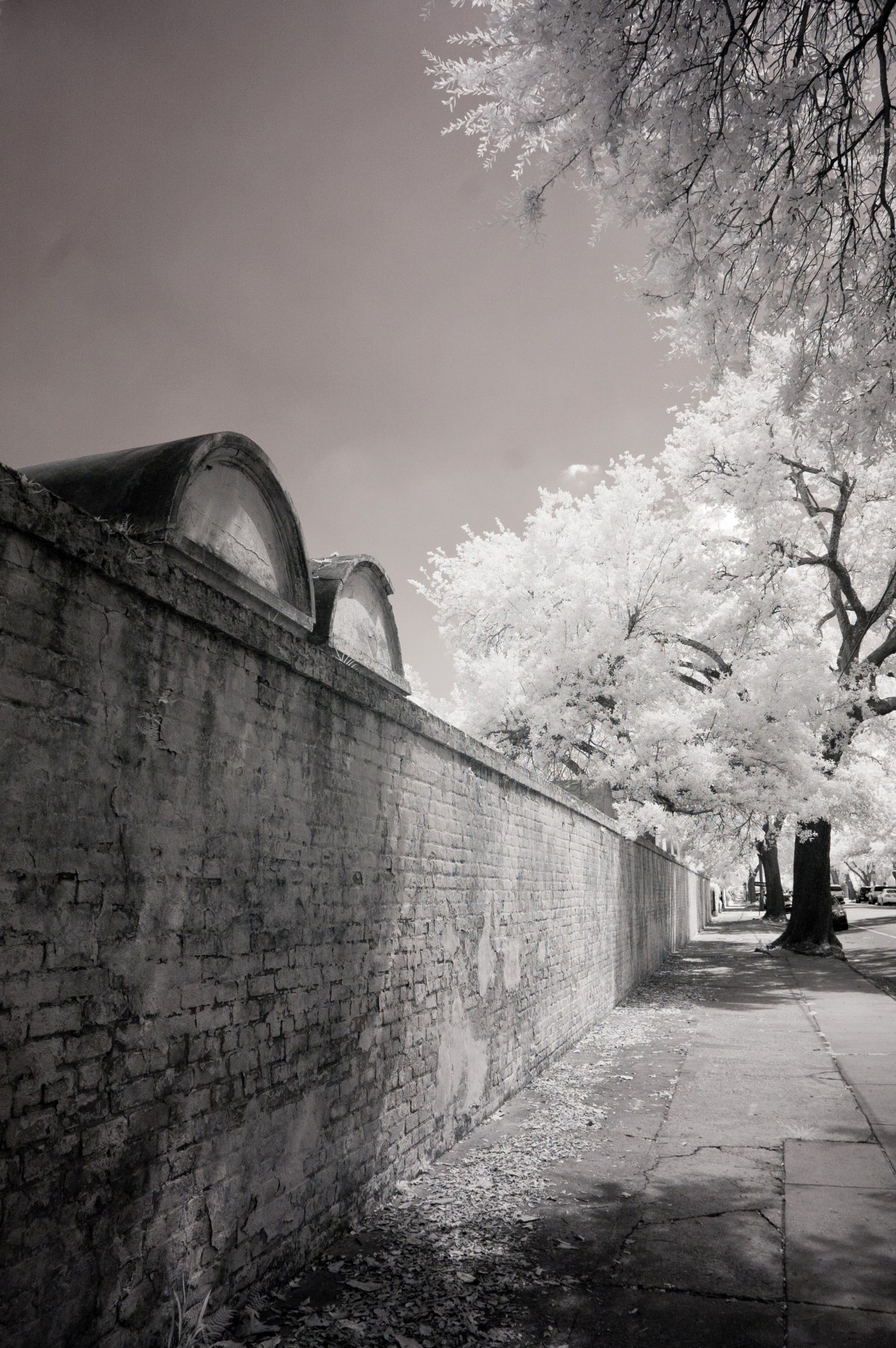
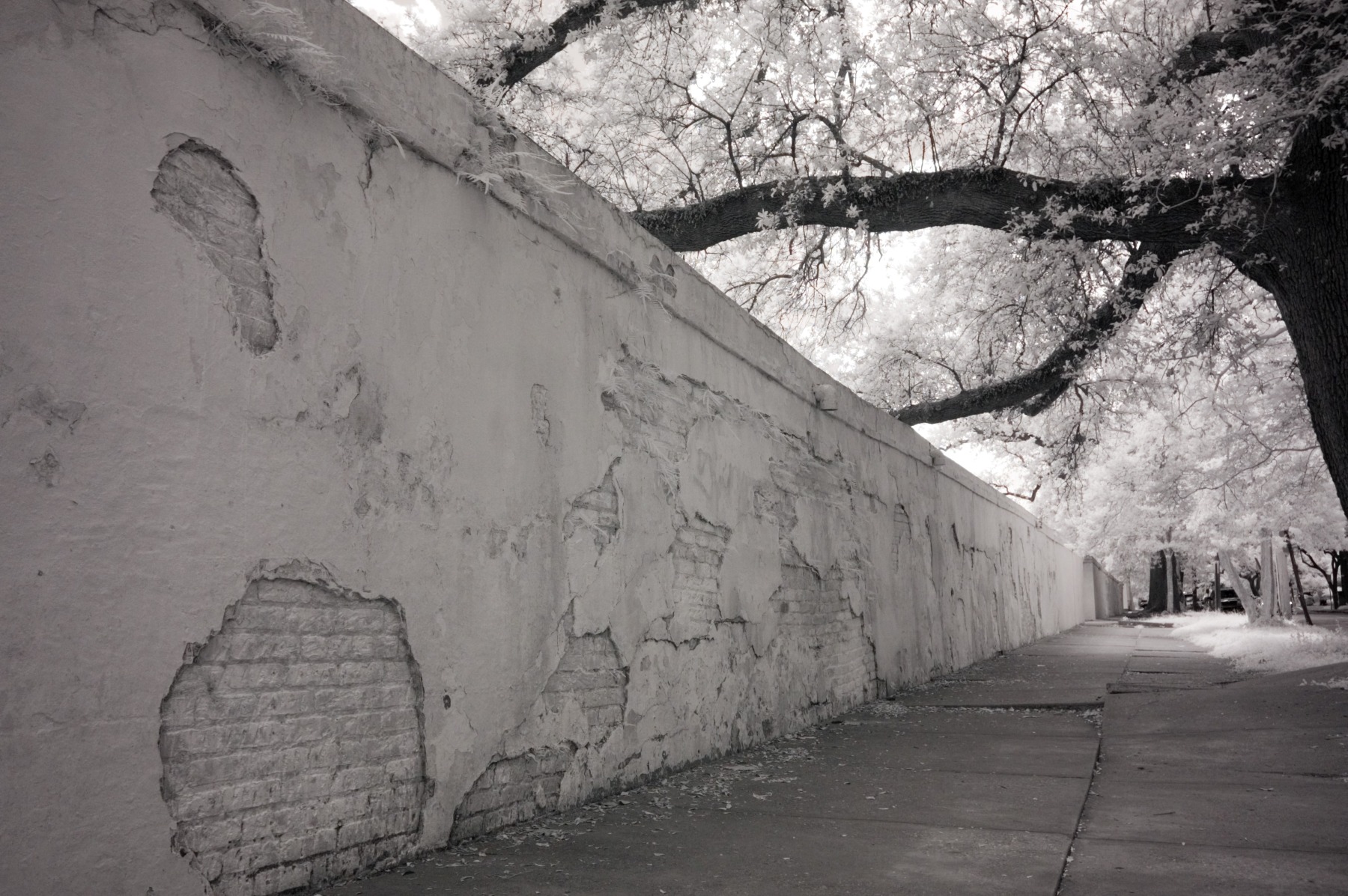
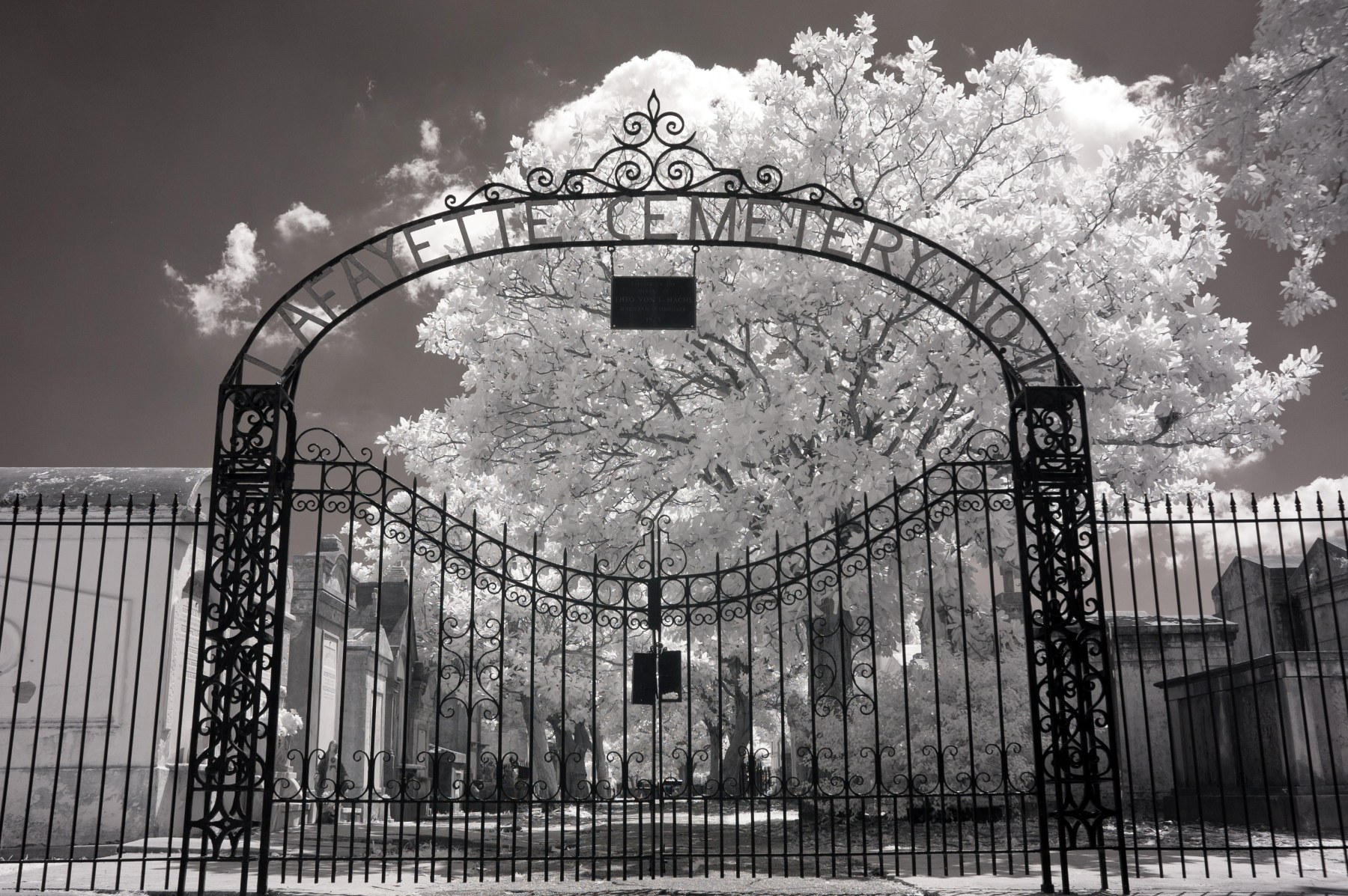
History of Lafayette Cemetery
Origins in a Growing American City
Lafayette Cemetery No. 1 began in the 1830s, during a period of rapid expansion in what was then the independent City of Lafayette. Immigrants from Germany, Ireland, and other parts of Europe settled in the area.
Because the population grew quickly, officials needed a formal burial ground that reflected civic order. They selected a spacious, oak‑lined block in the emerging Garden District.
Consequently, the cemetery became one of the first planned municipal cemeteries in the United States. Its grid layout, wide aisles, and organized tomb placements demonstrated a new approach to urban burial.
Above‑Ground Tombs and Cultural Traditions
New Orleans’ unique burial customs shaped the cemetery’s appearance from the start. High water tables made underground burials difficult. Therefore, families built above‑ground tombs, vaults, and mausoleums.
These structures blended French, Spanish, Caribbean, and American influences. Meanwhile, immigrant communities added their own artistic and religious traditions. As a result, Lafayette Cemetery developed a distinctive architectural character.
Rows of whitewashed tombs, family vaults, and society tombs created a landscape that felt both solemn and expressive.
The cemetery soon reflected the city’s multicultural identity in stone.
Community Societies and Shared Memory
Throughout the 19th century, benevolent societies played a major role in shaping the cemetery.
Groups such as the German Presbyterian community, firefighter’s associations, and fraternal organizations built collective tombs. These structures ensured that members received dignified burials regardless of wealth.
Consequently, the cemetery became a place where community bonds endured beyond life. Meanwhile, epidemics such as yellow fever brought waves of loss.
The cemetery absorbed these tragedies and became a symbol of resilience, remembrance, and shared grief.
Preservation Challenges and Cultural Significance
During the 20th century, Lafayette Cemetery faced storms, neglect, and shifting urban priorities. Even so, local residents and preservationists recognized its historical value.
Restoration efforts protected aging tombs and stabilized walkways. Films, novels, and cultural tours increased public interest.
Therefore, the cemetery evolved into both a heritage site and a symbol of New Orleans’ layered past. Its quiet avenues offered insight into immigration, architecture, and community life.
Lafayette Cemetery Today
Today, Lafayette Cemetery No. 1 remains one of New Orleans’ most atmospheric historic sites. Its tombs stand beneath ancient oaks. Its pathways reveal stories of families, societies, and generations.
Consequently, the cemetery continues to serve as a powerful reminder of the city’s cultural diversity, artistic traditions, and enduring spirit.
Showing all 3 results
-
Louisiana Canvas Art Prints
$229.00 (price_excluding_tax) Select options This product has multiple variants. The options may be chosen on the product page -

Louisiana Fine Art Prints
$350.00 (price_excluding_tax) Select options This product has multiple variants. The options may be chosen on the product page -

Louisiana Framed Art Prints
$550.00 (price_excluding_tax) Select options This product has multiple variants. The options may be chosen on the product page


Showing all 3 results