Metairie Cemetery Black and White Prints
Metairie Cemetery Black and White Prints
by Jacqueline LaRocca
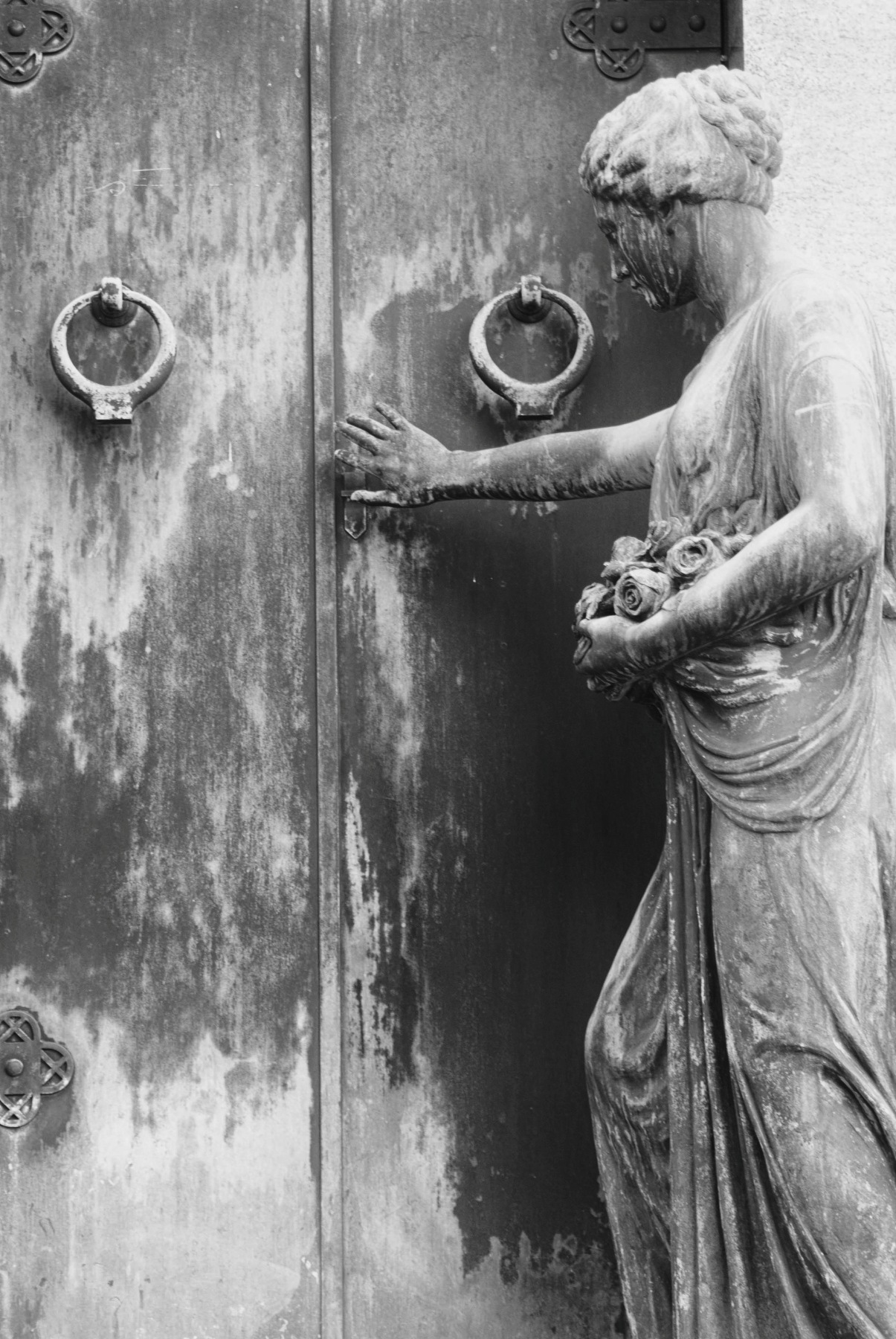
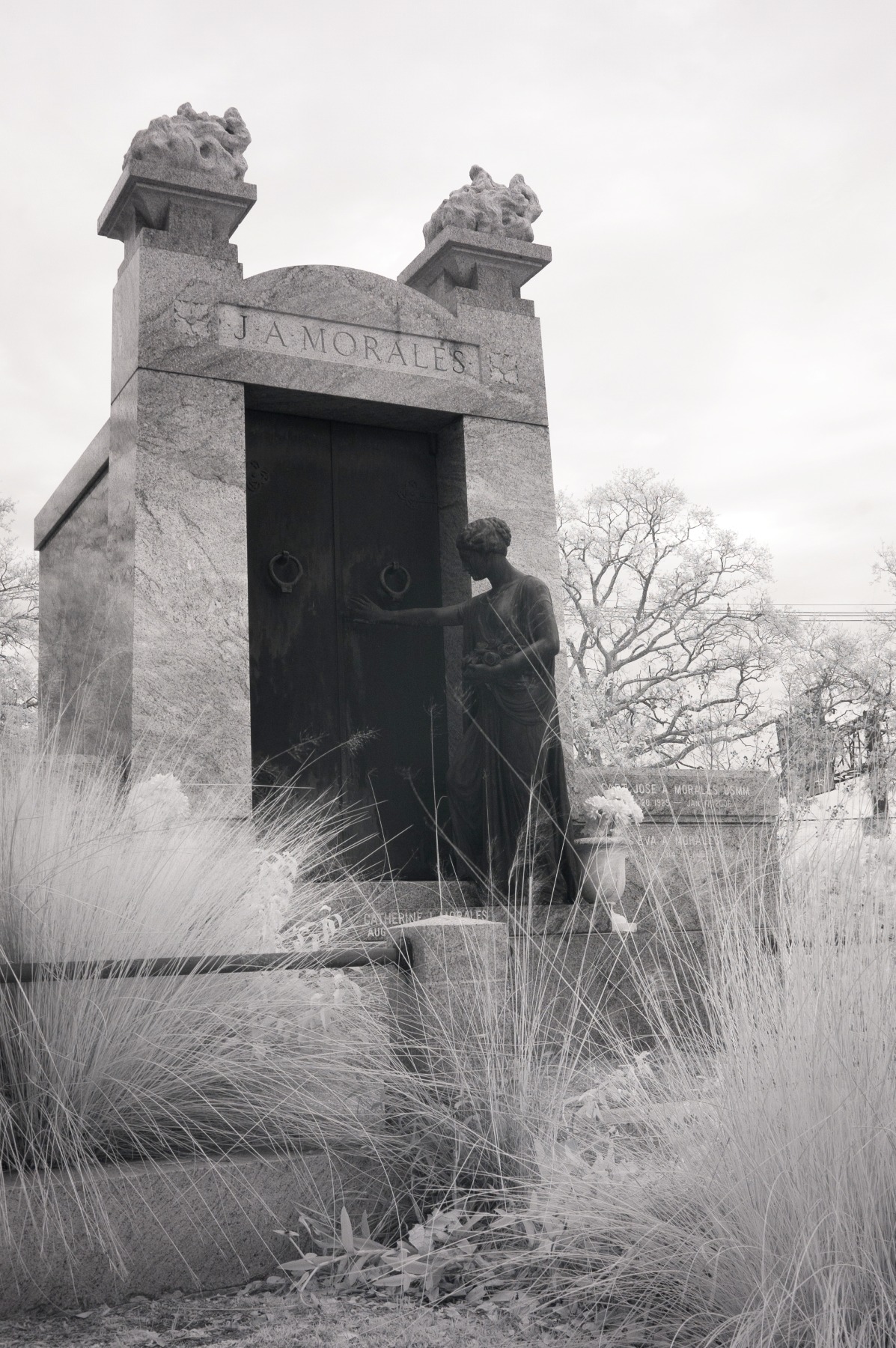


History of Metairie Cemetery
From Racetrack to Resting Place
Metairie Cemetery began in an unexpected setting. Before it became a renowned burial ground, the land served as the Metairie Race Course, a popular gathering place for New Orleans’ elite. Crowds arrived for horse racing, social events, and political meetings.
However, the Civil War disrupted the city’s economy. The racetrack declined, and its owners eventually sold the property. Consequently, the site shifted from entertainment to remembrance. In 1872, developers transformed the oval track into a grand cemetery.
Even today, its sweeping curves still echo the shape of the original course.
A Gilded Age Landscape of Memory
During the late 19th century, New Orleans families sought burial sites that reflected status, heritage, and artistic taste. Metairie Cemetery offered wide avenues, landscaped grounds, and ample space for elaborate monuments. Wealthy families commissioned marble sculptures, ornate tombs, and towering mausoleums.
Meanwhile, architects introduced Gothic Revival, Classical, and Egyptian styles. Therefore, the cemetery quickly evolved into an outdoor museum of funerary art. Its monuments expressed ambition, grief, and cultural identity. As a result, Metairie became one of the most visually striking cemeteries in the American South.
Notable Figures and Community Legacy
As the city expanded, Metairie Cemetery became the final resting place for many influential residents. Politicians, military leaders, musicians, and business figures chose the cemetery for its beauty and prestige.
The Army of Tennessee and Army of Northern Virginia monuments honored Confederate soldiers. Jazz legend Louis Prima rests there as well. Consequently, the cemetery reflects the layered and sometimes complicated history of New Orleans.
Each tomb adds another chapter to the city’s evolving story. Meanwhile, family vaults preserve generations of memory.
Resilience Through Change
Throughout the 20th century, the cemetery adapted to shifting cultural and environmental conditions. New Orleans faced storms, floods, and economic challenges. Even so, Metairie Cemetery remained a place of continuity. Preservation efforts protected historic tombs. Families restored aging monuments.
Meanwhile, new burials continued, blending modern memorials with older structures. Therefore, the cemetery evolved while maintaining its historic character.
As a result, it stands today as both a cultural landmark and a living memorial.
Metairie Cemetery Today
Today, Metairie Cemetery offers a landscape of reflection, artistry, and history. Its winding avenues, sculpted angels, and grand mausoleums invite visitors to explore stories of faith, resilience, and identity.
Consequently, the cemetery remains one of New Orleans’ most iconic and enduring places—where memory, architecture, and tradition meet.
Showing all 3 results
-
Louisiana Canvas Art Prints
$229.00 (price_excluding_tax) Select options This product has multiple variants. The options may be chosen on the product page -
Louisiana Fine Art Prints
$350.00 (price_excluding_tax) Select options This product has multiple variants. The options may be chosen on the product page -

Louisiana Framed Art Prints
$550.00 (price_excluding_tax) Select options This product has multiple variants. The options may be chosen on the product page


Showing all 3 results