New Orleans Black and White Prints
New Orleans Black and White Prints
by Jacqueline LaRocca
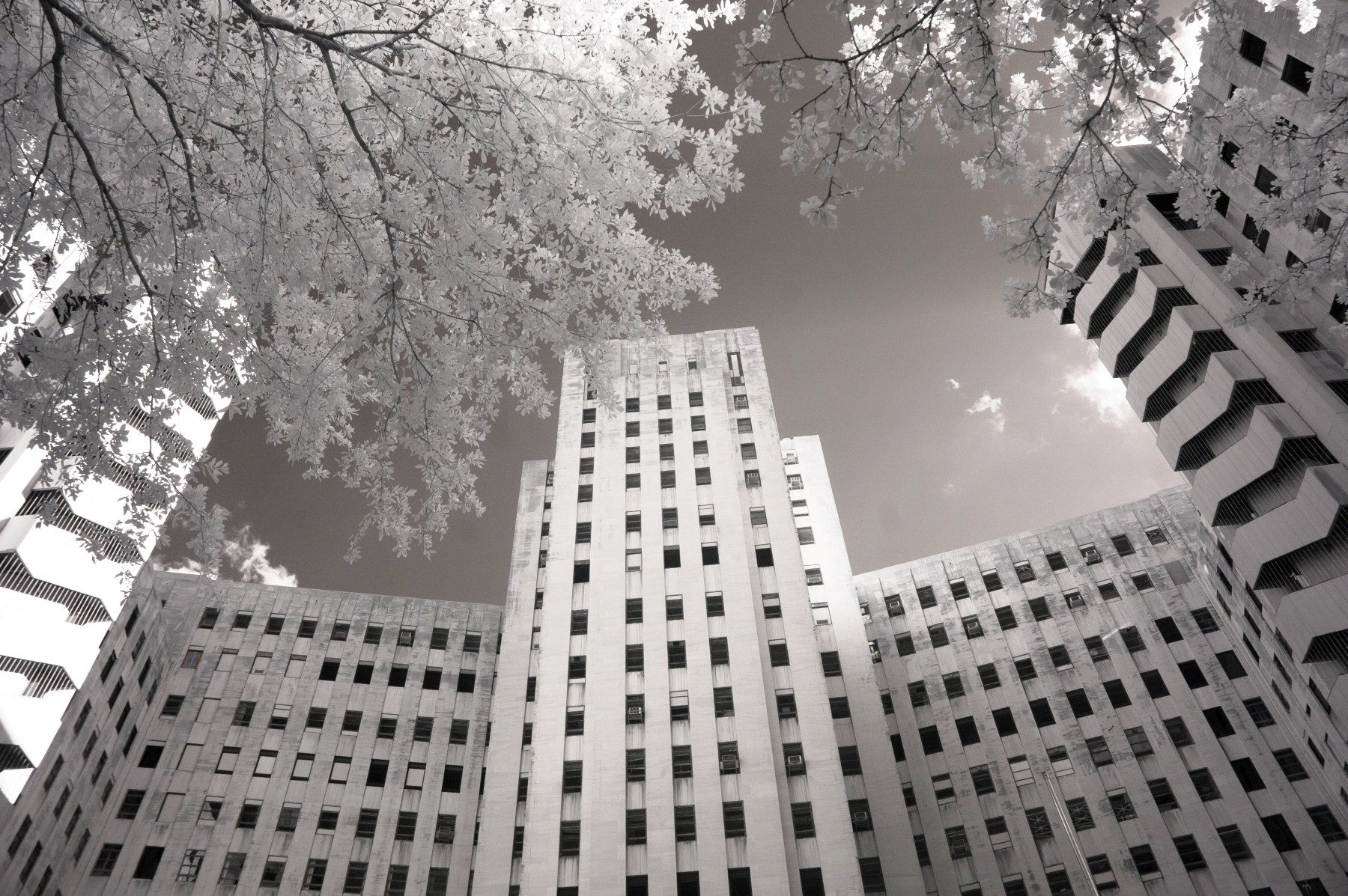
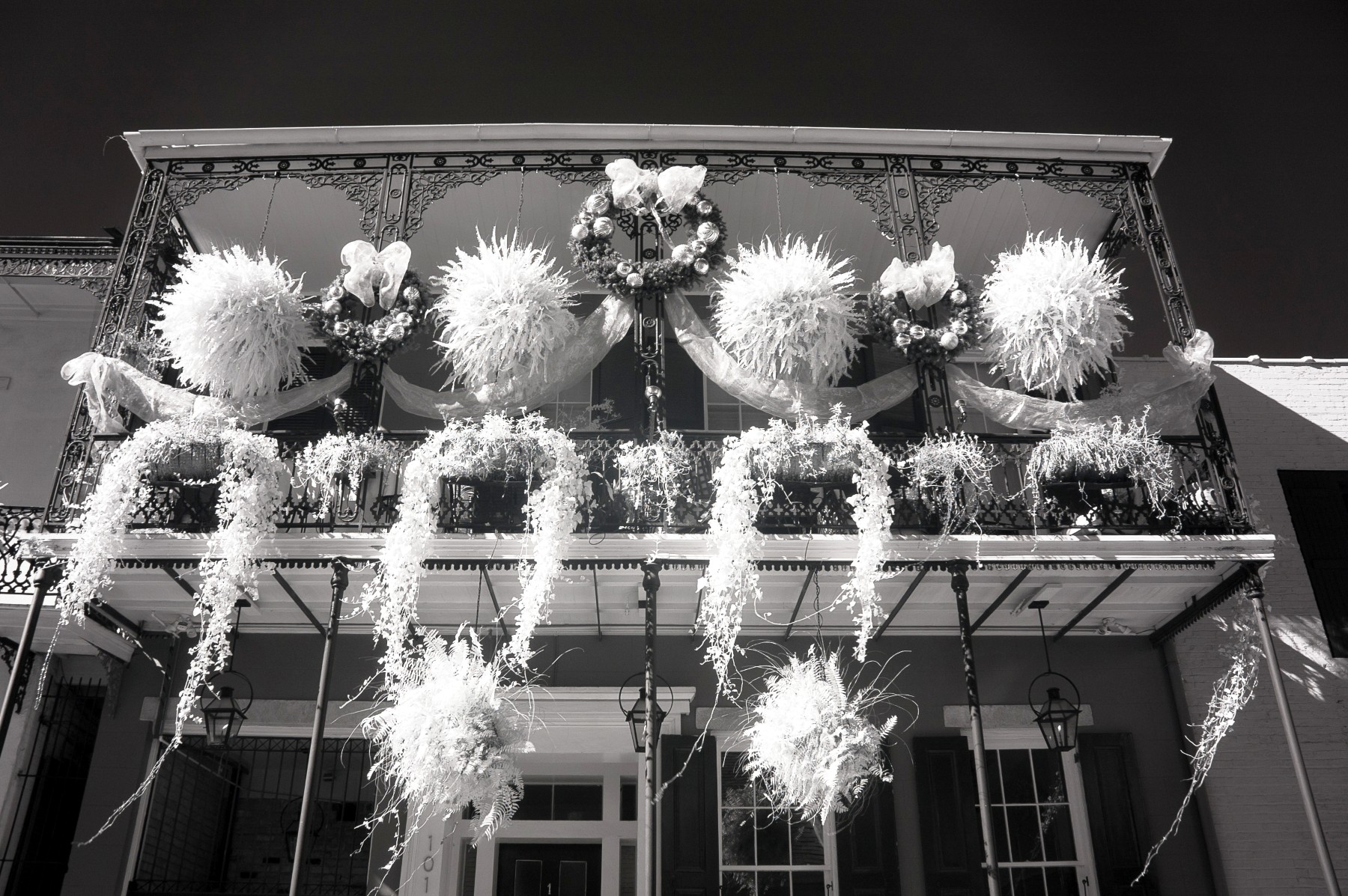

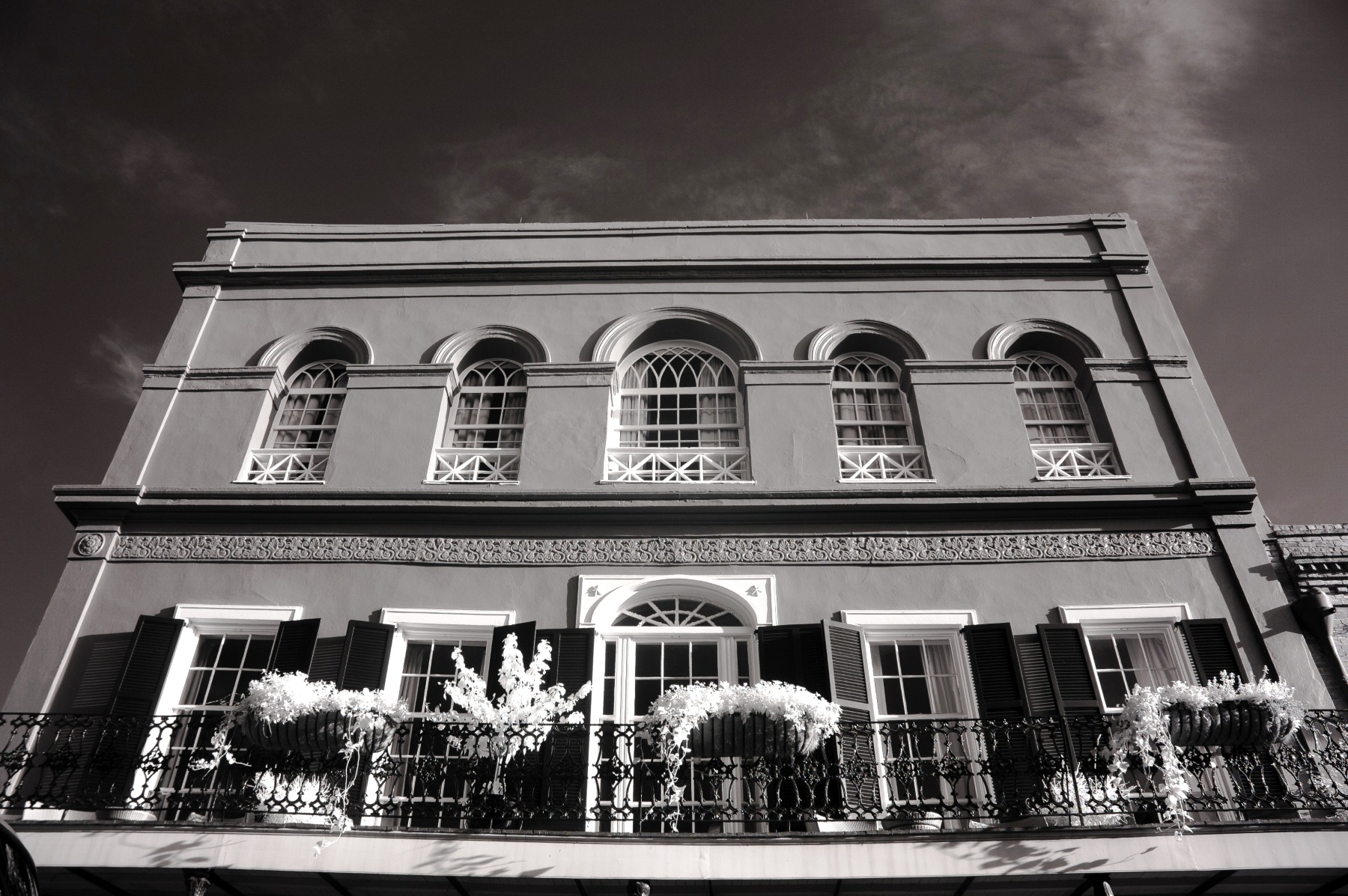
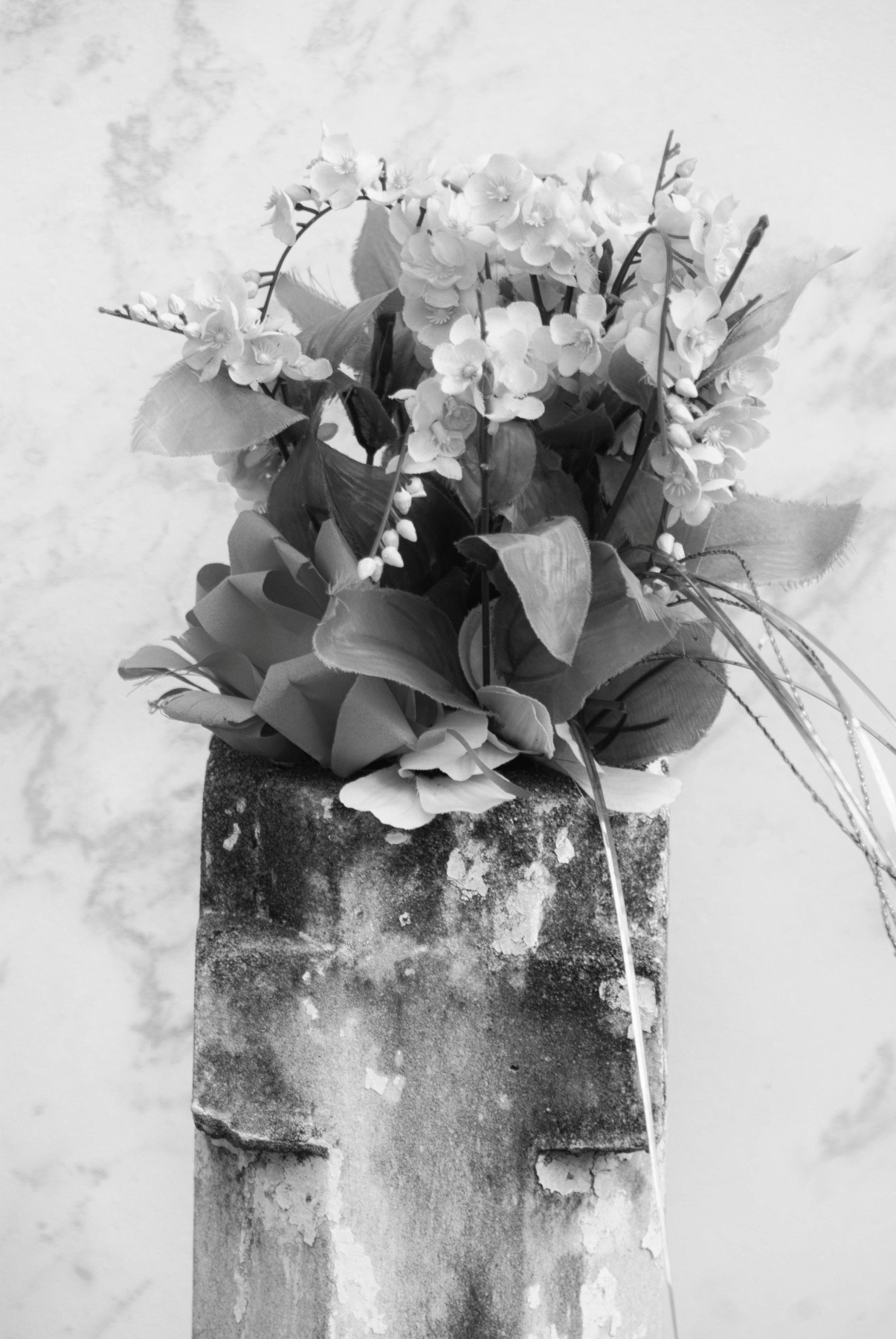
History of New Orleans
Founding a Port City on the Mississippi
New Orleans began in 1718, when French colonists established a settlement along a sharp bend in the Mississippi River. Because the location offered access to inland trade routes and the Gulf of Mexico, it quickly became a strategic port.
The city grew around a planned grid known as the French Quarter. Meanwhile, French settlers, enslaved Africans, and Indigenous peoples shaped its early cultural identity.
Consequently, New Orleans developed a diverse population from the very beginning. Over time, this diversity became one of its defining strengths.
Colonial Shifts and Cultural Blending
During the 18th century, the city changed hands several times. France ceded Louisiana to Spain in 1762.
Spanish officials introduced new laws, rebuilt after devastating fires, and strengthened the port. However, French language and customs remained deeply rooted.
In 1803, the United States purchased Louisiana, bringing New Orleans into a new political era. Soon afterward, American merchants, Caribbean migrants, and free people of color added new layers to the city’s identity.
Therefore, New Orleans blended French, Spanish, African, Caribbean, and American influences.
As a result, the city developed a cultural landscape unmatched anywhere else in the country.
Commerce, Immigration, and Creole Identity
During the 19th century, New Orleans became one of the busiest ports in the world. Cotton, sugar, and goods from the interior flowed through its docks. Immigrants from Germany, Ireland, and Italy arrived in large numbers.
Meanwhile, free people of color contributed to the city’s artistic, musical, and literary life.
Consequently, Creole identity flourished. Neighborhoods such as the Faubourg Marigny and Tremé reflected this cultural richness. Music, cuisine, and architecture evolved in ways found nowhere else.
Therefore, New Orleans emerged as a vibrant center of creativity and commerce.
War, Reconstruction, and Transformation
The Civil War and Reconstruction brought major changes. Union forces captured the city early in the conflict. After the war, political tensions and racial struggles shaped daily life.
Even so, New Orleans continued to grow. Streetcars expanded transportation. New industries supported the port.
Meanwhile, jazz emerged in the early 20th century, blending African rhythms, European instruments, and Creole traditions.
Consequently, the city became a global center for music and cultural innovation.
New Orleans Today
Today, New Orleans stands as a city defined by resilience, diversity, and artistic spirit. Its streets echo with music. Its food reflects centuries of cultural blending. Its neighborhoods preserve stories of survival and celebration.
As a result, New Orleans remains one of America’s most distinctive and unforgettable cities.
Showing all 3 results
-
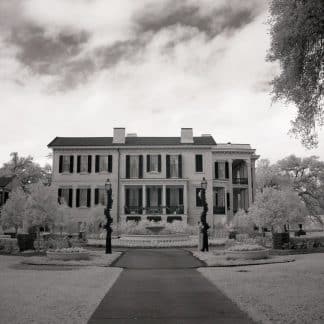
Louisiana Canvas Art Prints
$229.00 (price_excluding_tax) Select options This product has multiple variants. The options may be chosen on the product page -

Louisiana Fine Art Prints
$350.00 (price_excluding_tax) Select options This product has multiple variants. The options may be chosen on the product page -

Louisiana Framed Art Prints
$550.00 (price_excluding_tax) Select options This product has multiple variants. The options may be chosen on the product page


Showing all 3 results