The White House
The White House
Washington DC
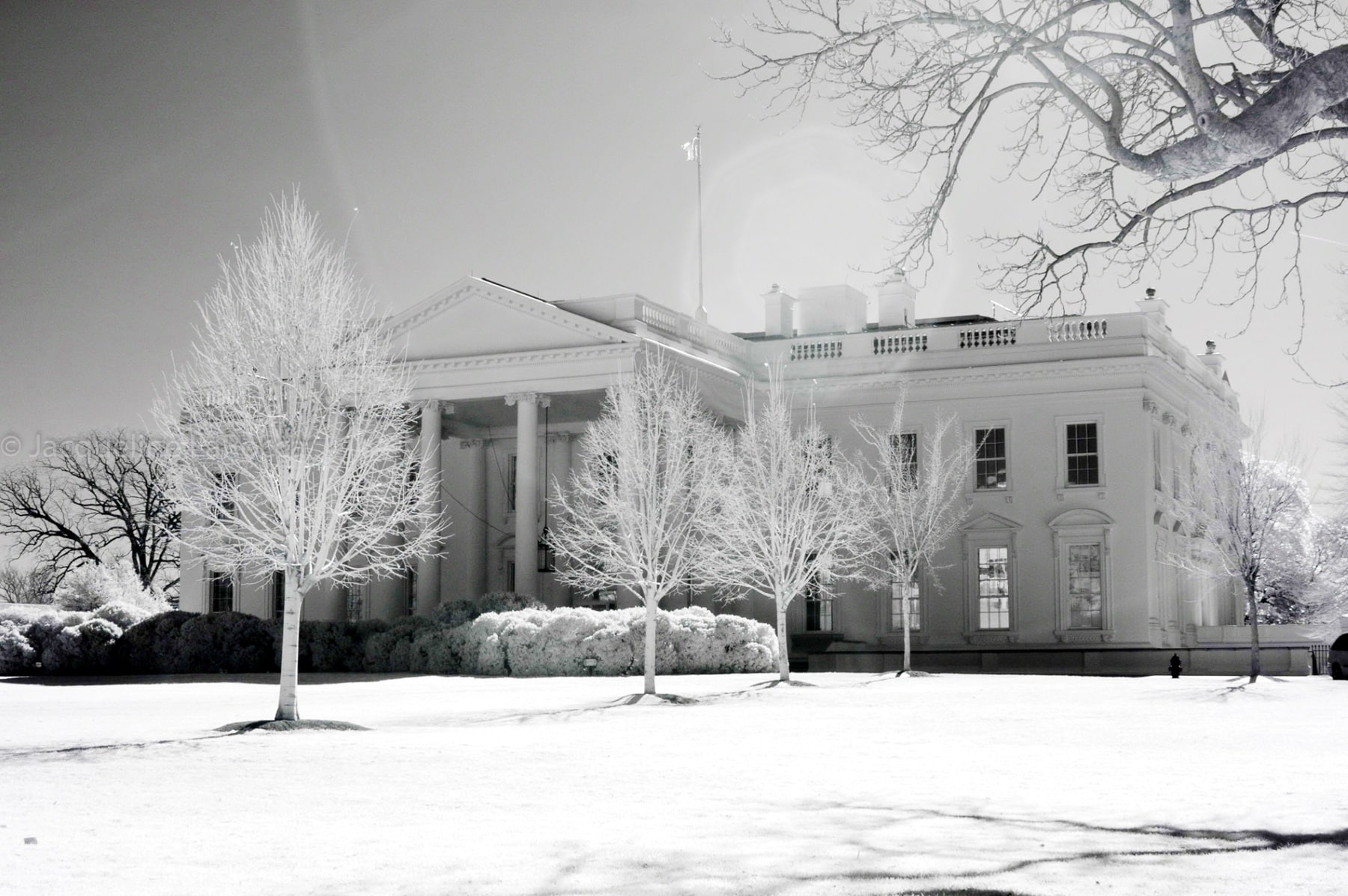
Construction
Construction of the White House began in 1792, shortly after Irish-born architect James Hoban completed his design.
Soon after, a diverse workforce—including enslaved and free African Americans, European immigrants, and local laborers—started the building process.
In October of that year, they laid the cornerstone, marking the official start of the project.
Over the next eight years, they steadily built the neoclassical mansion using Aquia Creek sandstone.
Eventually, they painted the stone white to shield it from weather and give the building its iconic appearance.
History
By 1800, builders completed the White House and welcomed its first residents, President John Adams and First Lady Abigail.
Since then, leaders have renovated and expanded the mansion many times to meet changing needs and styles.
War of 1812
In 1814, British troops attacked the White House during the War of 1812 and set it ablaze.
Soon after, James Hoban returned to lead the reconstruction and restore the damaged structure.
By 1817, workers completed the repairs, and President James Monroe moved into the renewed residence.
20th century
Later, in the early 20th century, President Theodore Roosevelt and President William Howard Taft made substantial changes, including the addition of the West Wing and the Oval Office.
Haunted White House
Shifting to its haunted tales, many consider the White House one of the most haunted buildings in the United States.
Over the years, presidents, first ladies, and staff members have reported eerie encounters and unexplained events.
Most famously, witnesses have claimed to see Abraham Lincoln’s ghost wandering the halls.
Among them, First Lady Grace Coolidge, Queen Wilhelmina of the Netherlands, and Prime Minister Winston Churchill shared chilling accounts.
These stories continue to fuel the White House’s reputation as a place of both history and mystery.
Lincoln Bedroom
Lincoln’s ghost is often spotted in the Lincoln Bedroom and the Yellow Oval Room, especially during times of national crisis.
Another well-known ghost is that of Abigail Adams, who is said to hang laundry in the East Room.
Staff members have reported the smell of wet laundry and lavender, reminiscent of her time in the White House.
Andrew Jackson Ghost
Andrew Jackson’s ghost is also a frequent visitor, with his guttural laugh often heard in the Rose Room.
During her time in the White House, Mary Todd Lincoln reportedly encountered several spirits.
Driven by grief, she held séances in the Red Room to reach her deceased son, Willie.
Meanwhile, witnesses claim the ghost of a British soldier from the War of 1812 roams the grounds.
Rose Garden
At the same time, many believe Dolley Madison’s spirit guards the Rose Garden she once cherished.
Oval Office
In addition, Thomas Jefferson allegedly plays his violin in the Yellow Oval Room late at night.
Finally, some say President William Henry Harrison still lingers in the attic, haunting the upper floors
Conclusion
In conclusion, the White House showcases a rich history that rivals the haunted tales surrounding it.
From its early role as a symbol of a new nation, it quickly became the home of American presidents.
Over time, it continued to evolve, blending political legacy with eerie legends that still spark curiosity.
Today, the White House captivates visitors with its powerful mix of historical depth and supernatural intrigue.
Showing all 3 results
-

DC Fine Art Prints
$229.00 (price_excluding_tax) Select options This product has multiple variants. The options may be chosen on the product page -
District of Columbia Canvas Prints
$229.00 (price_excluding_tax) Select options This product has multiple variants. The options may be chosen on the product page -

District of Columbia Framed Prints
$550.00 (price_excluding_tax) Select options This product has multiple variants. The options may be chosen on the product page


Showing all 3 results