Glasnevin Cemetery
Glasnevin Cemetery Infrared Photography
by Jacqueline LaRocca
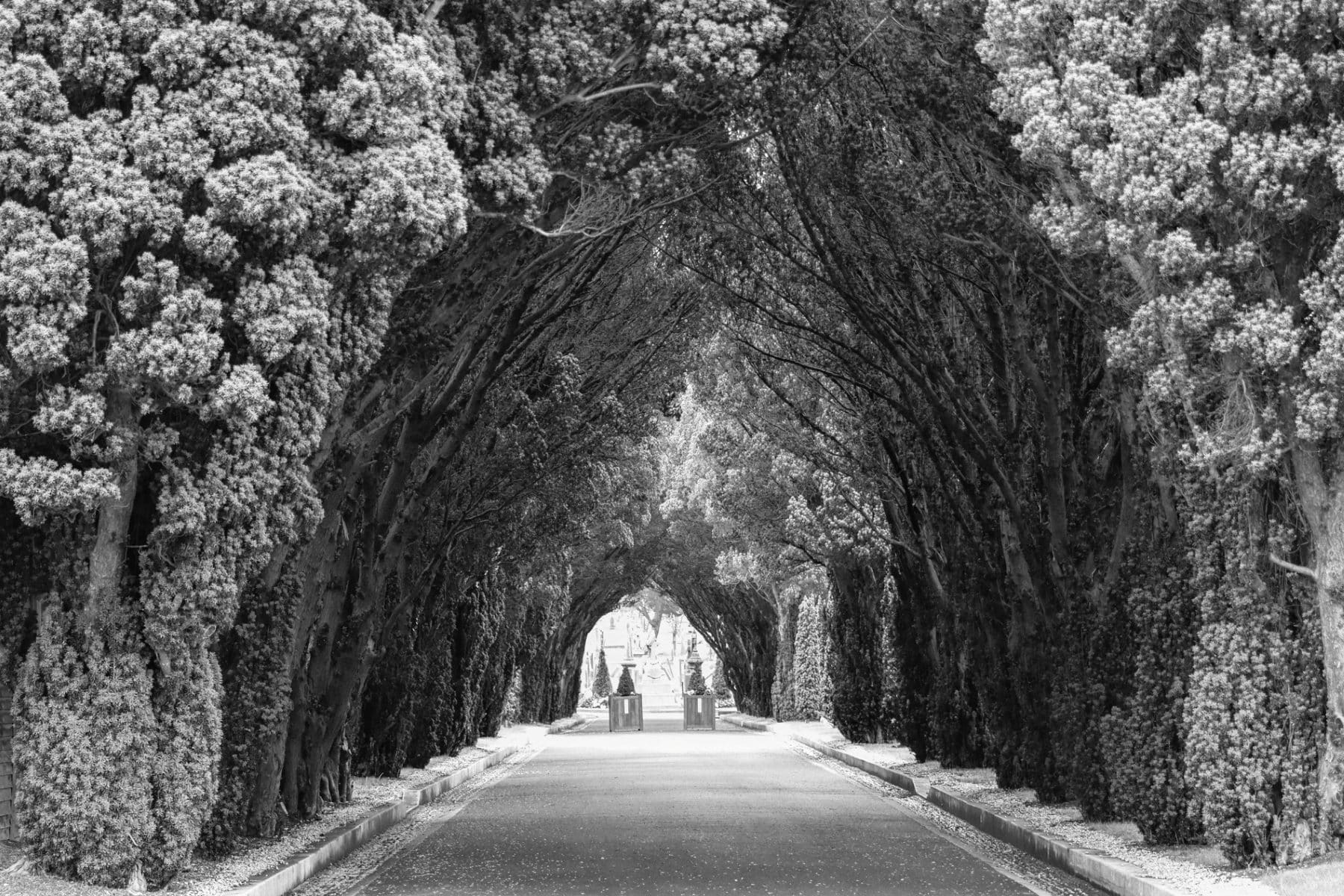
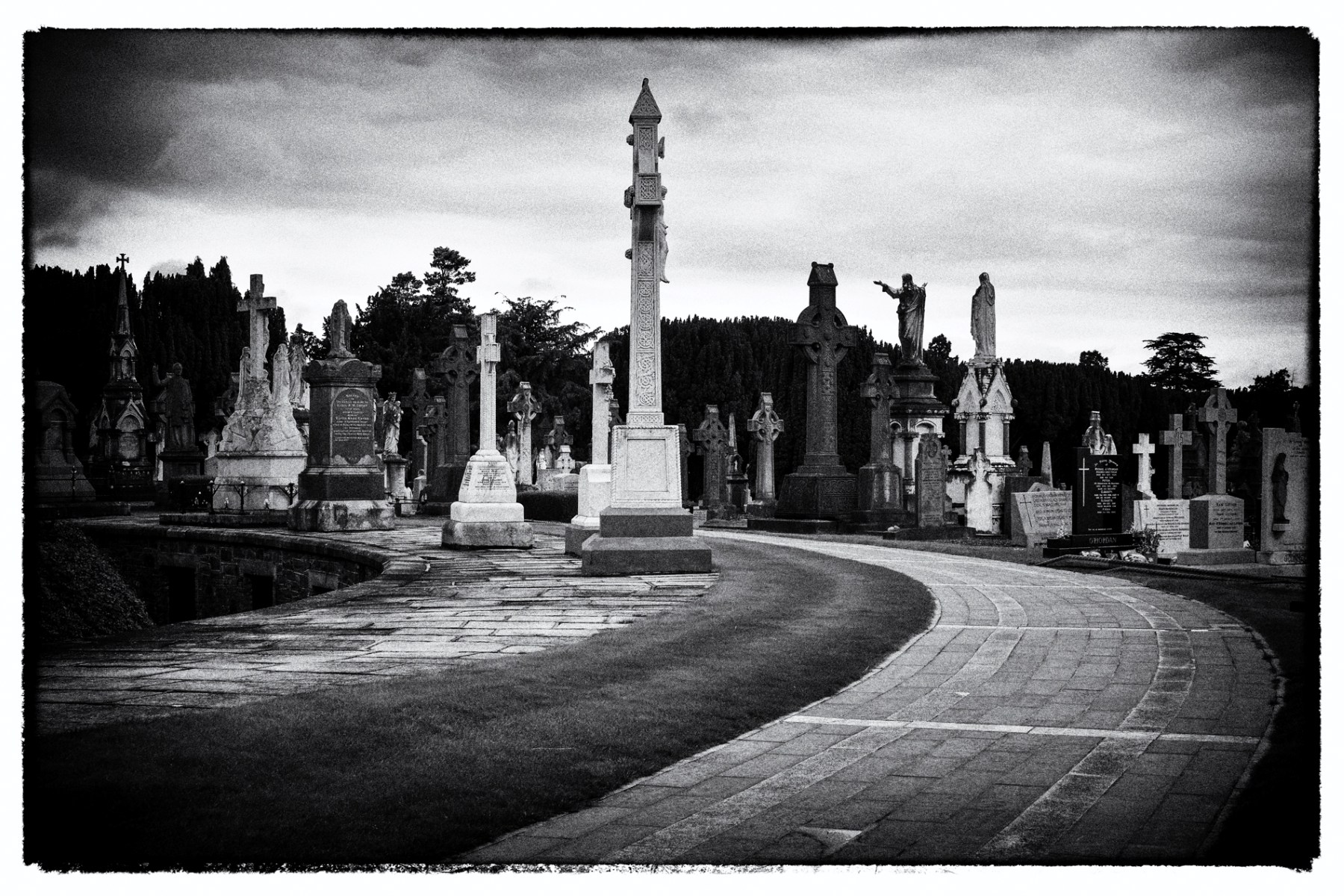
Founded by Daniel O’Connell
Glasnevin Cemetery rises in Dublin, Ireland, and proudly reflects the nation’s deep history and cultural pride.
In 1832, leaders established the cemetery to meet the growing need for dignified burials.
Originally named Prospect Cemetery, it quickly gained importance as a symbol of inclusion and respect.
Soon after, Daniel O’Connell, a leading Irish nationalist, founded it to ensure equal burial rights for all faiths.
Since that time, families across generations have chosen Glasnevin to honor loved ones and preserve their memory.
Today, the cemetery continues to unite Ireland’s past with its present through every name etched in stone.
Historical Resting Place
As you enter Glasnevin Cemetery, restored Victorian gardens immediately greet you with color and calm.
Next, rows of Celtic and plain gravestones stretch across the grounds, shaping a peaceful and historic atmosphere.
As you walk further, the towering O’Connell Tower rises ahead, marking Daniel O’Connell’s final resting place.
Visitors climb the tower to enjoy wide views of Dublin and reflect on Ireland’s layered past.
Finally, the round tower draws attention as both a scenic lookout and a tribute to Irish legacy.
Museum
Moreover, Glasnevin Cemetery is not just a burial ground; it is also a museum and a place of learning. The cemetery’s museum provides insights into the lives of many notable figures buried there, including political leaders, poets, and revolutionaries.
Collins and De Valera
For example, visitors often discover the graves of Michael Collins and Éamon de Valera, two major figures in Irish history.
Admirers regularly place flowers and tributes at these sites, honoring their roles in Ireland’s fight for independence and leadership
Guided Tours
Transitioning to the cemetery’s educational aspect, Glasnevin offers guided tours that bring history to life. These tours cover various themes, such as the Irish War of Independence and the Great Famine.
Additionally, the cemetery hosts an indoor visitor experience called “Extra-ordinary Lives,” which highlights the stories of ordinary people who made significant contributions to Irish society. This exhibition is particularly engaging, as it uses multimedia displays to narrate these compelling stories.
High Walls and Watchtowers
Furthermore, Glasnevin Cemetery is adjacent to the National Botanic Gardens, and a gateway between the two has been reopened in recent years. This proximity allows visitors to enjoy a peaceful stroll through the gardens before or after exploring the cemetery. The cemetery also features high walls and watchtowers, which were originally built to prevent grave robbing, a common issue in the 19th century.
Conclusion
In conclusion, Glasnevin Cemetery is a place where history, culture, and nature converge. Its beautifully maintained grounds, rich historical significance, and educational offerings make it a must-visit destination in Dublin.
Whether you are a history enthusiast, a nature lover, or simply seeking a moment of reflection, Glasnevin Cemetery offers a unique and enriching experience.
Showing the single result
-
Ireland BW Canvas Prints
$229.00 (price_excluding_tax) Select options This product has multiple variants. The options may be chosen on the product page
Showing the single result