






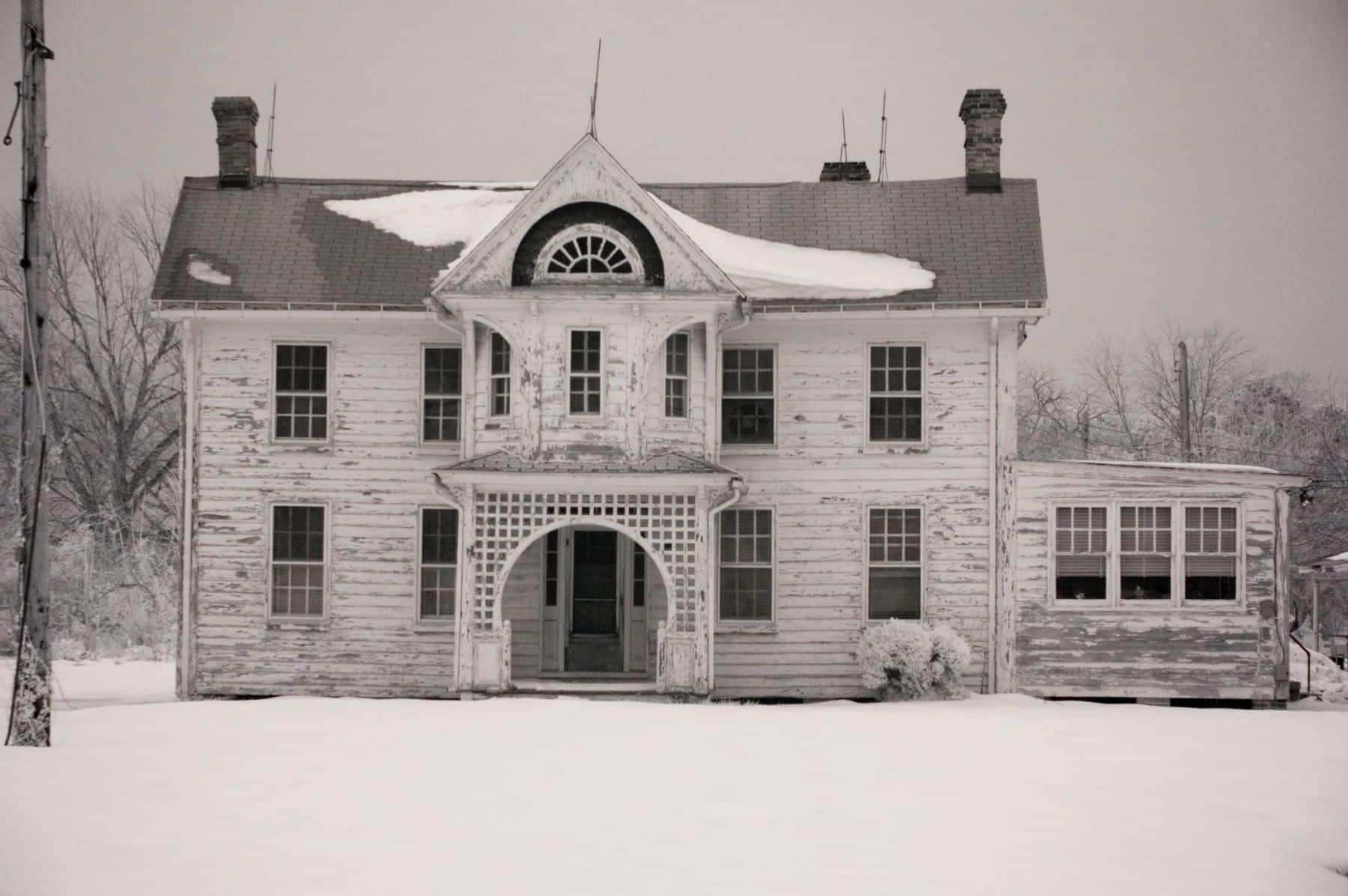
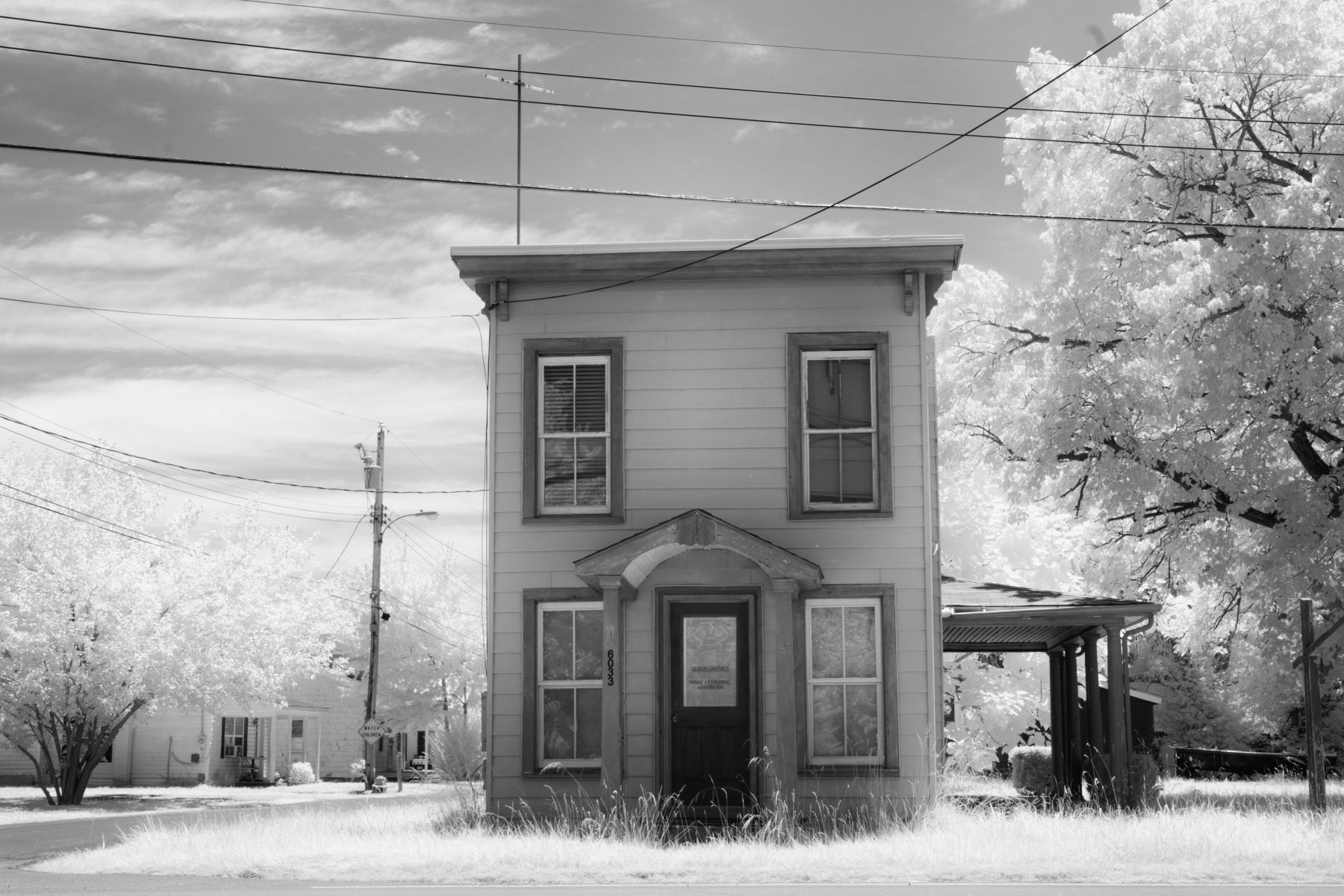

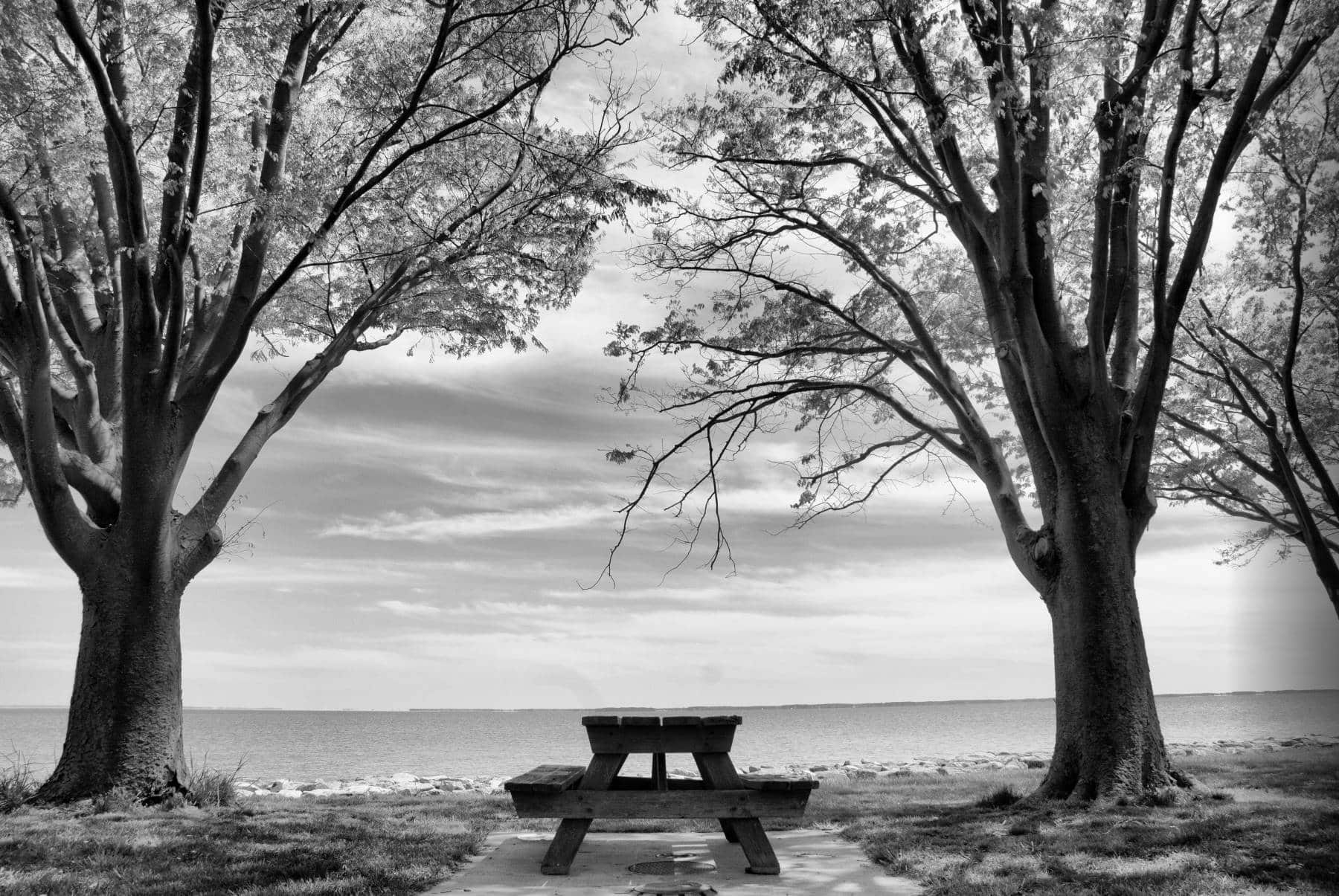
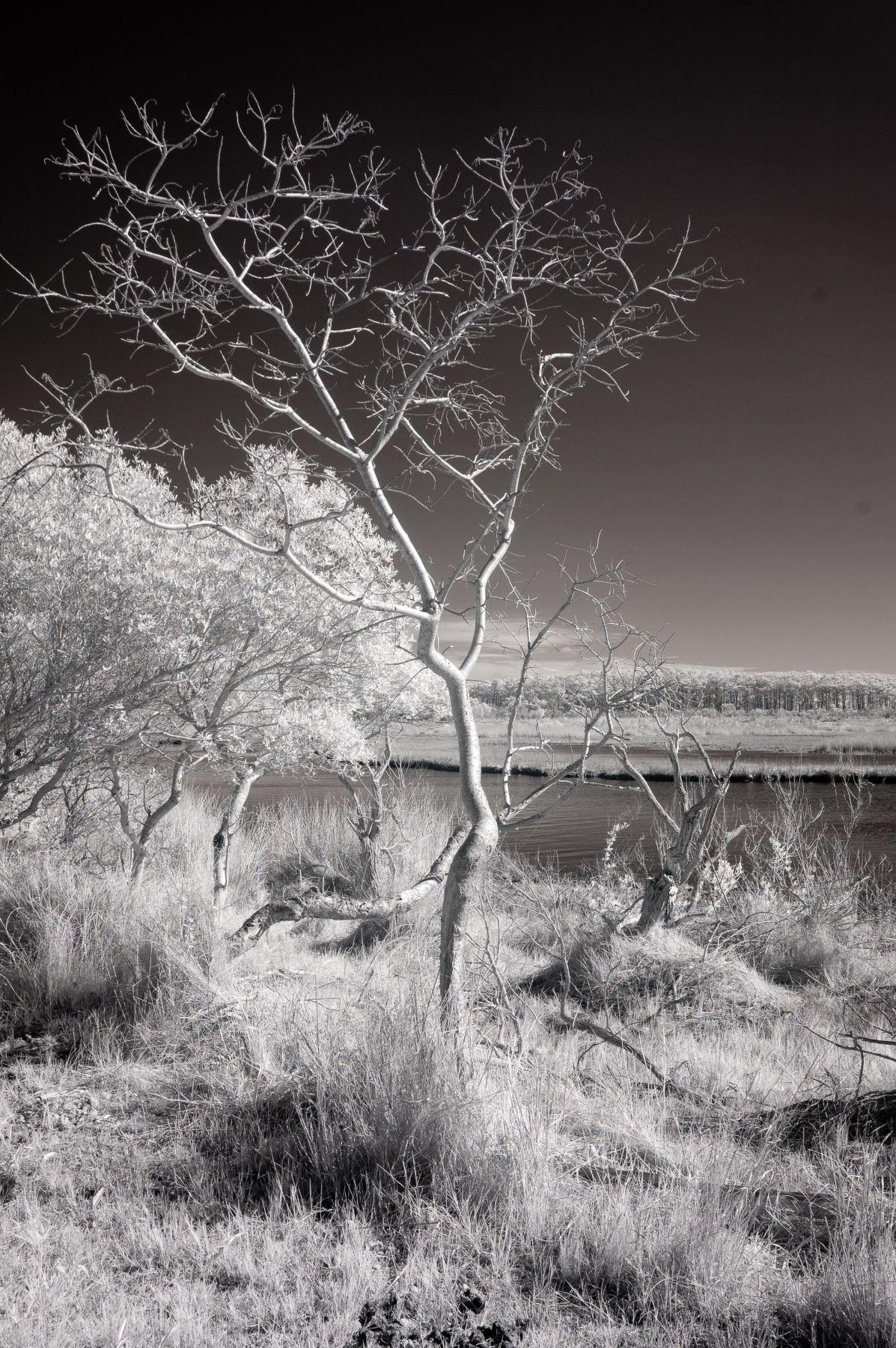
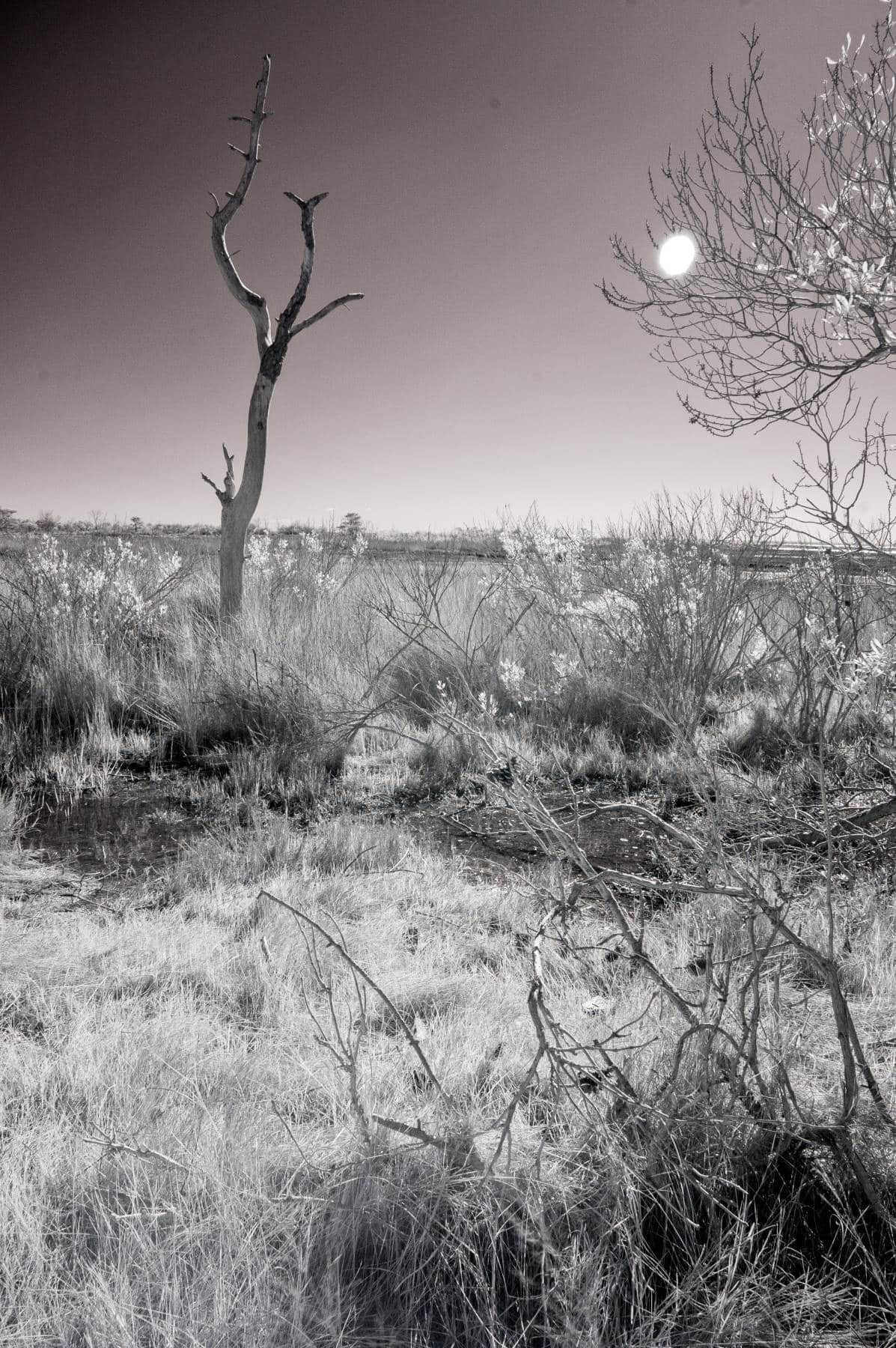


Description
Maryland Fine Art Prints
by Jacqueline LaRocca
Maryland’s Geography
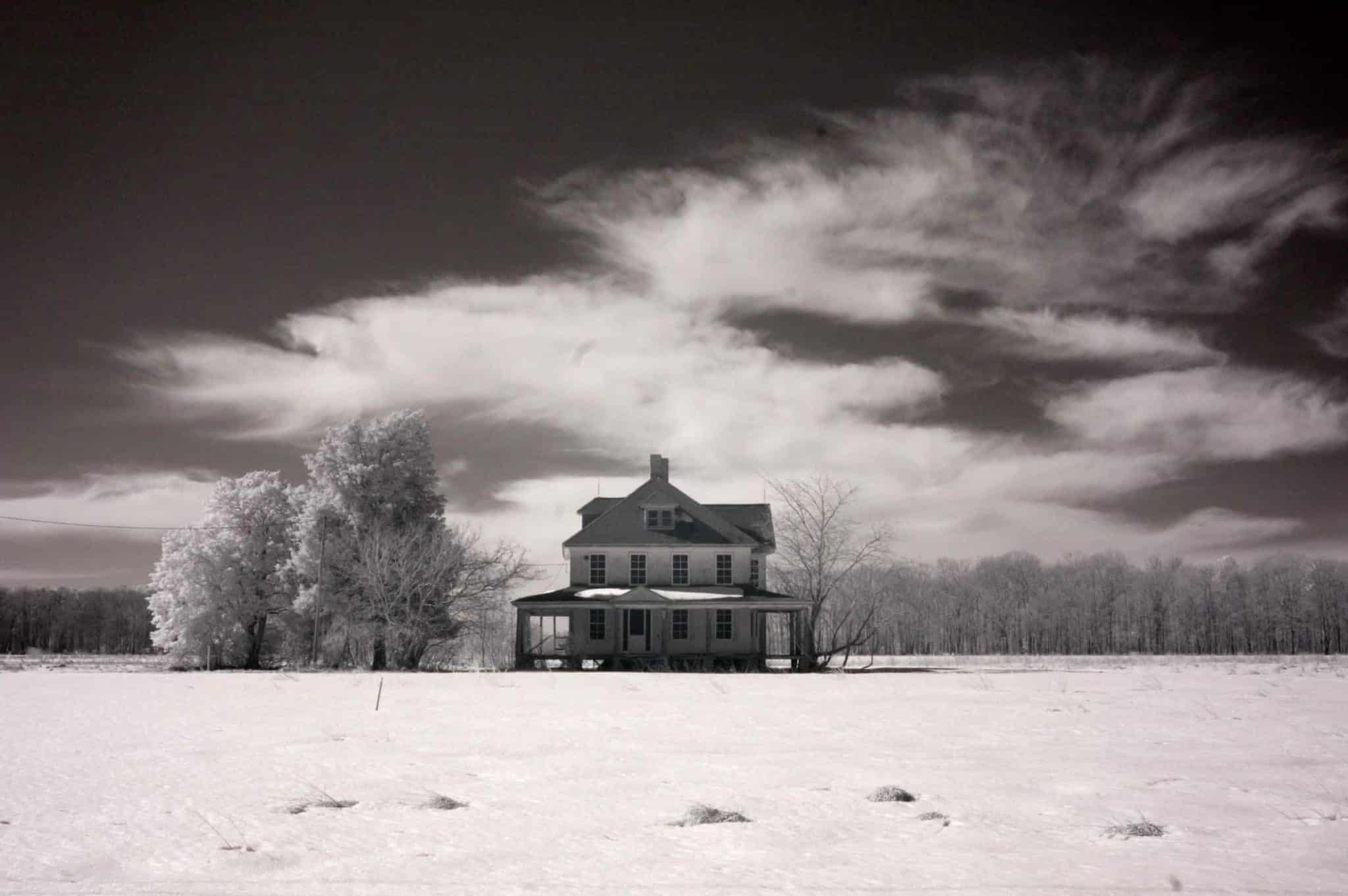
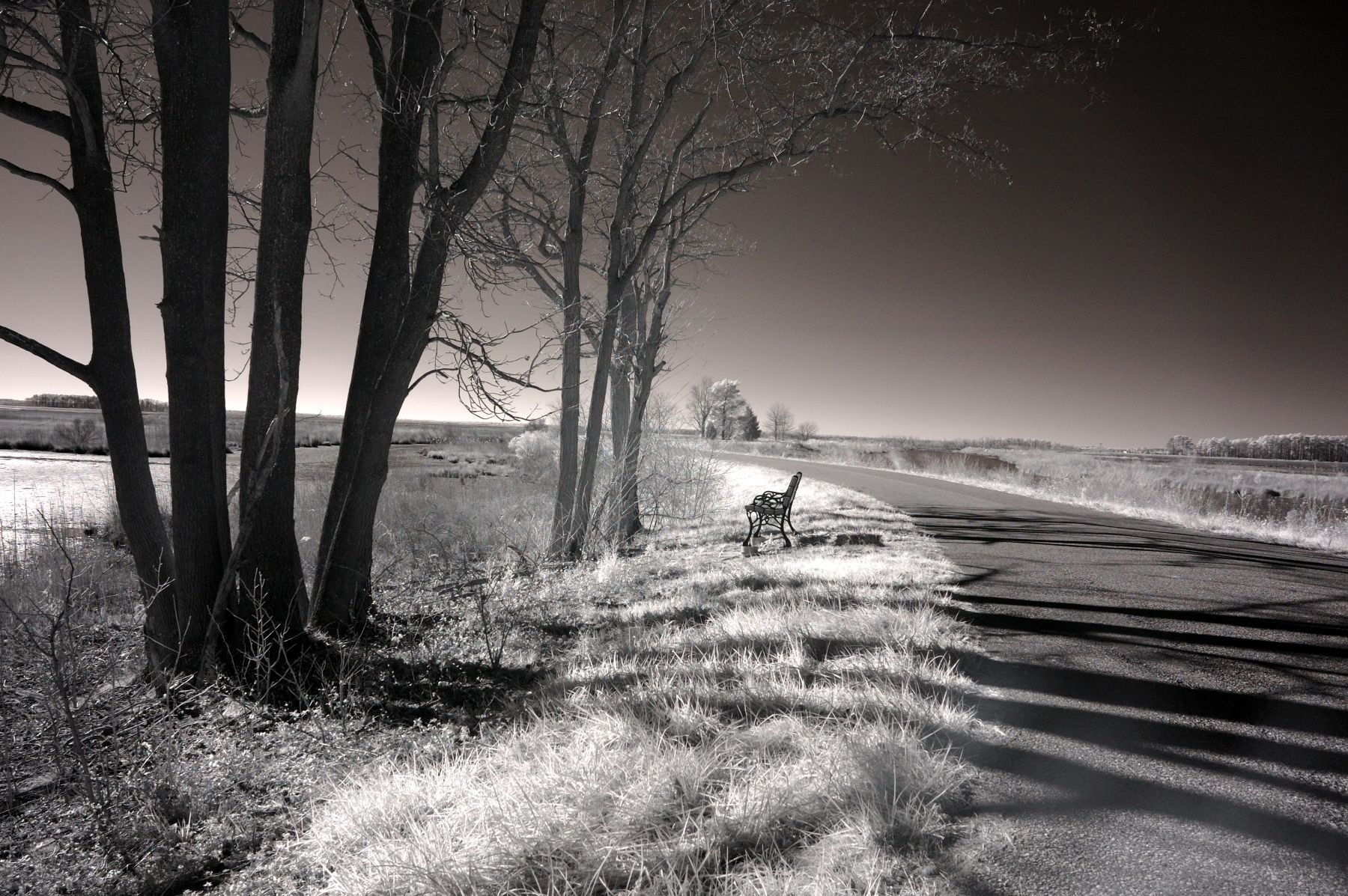
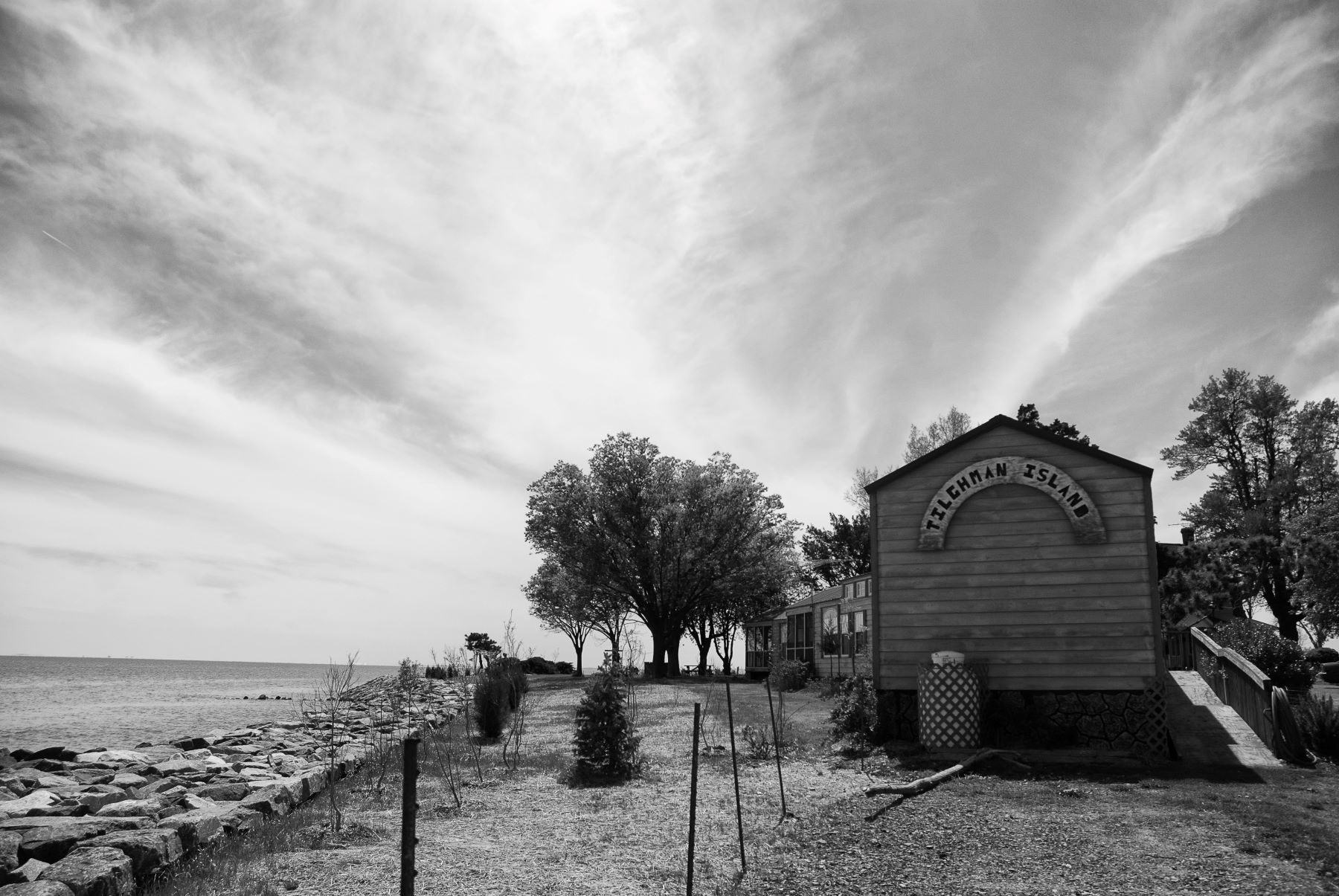
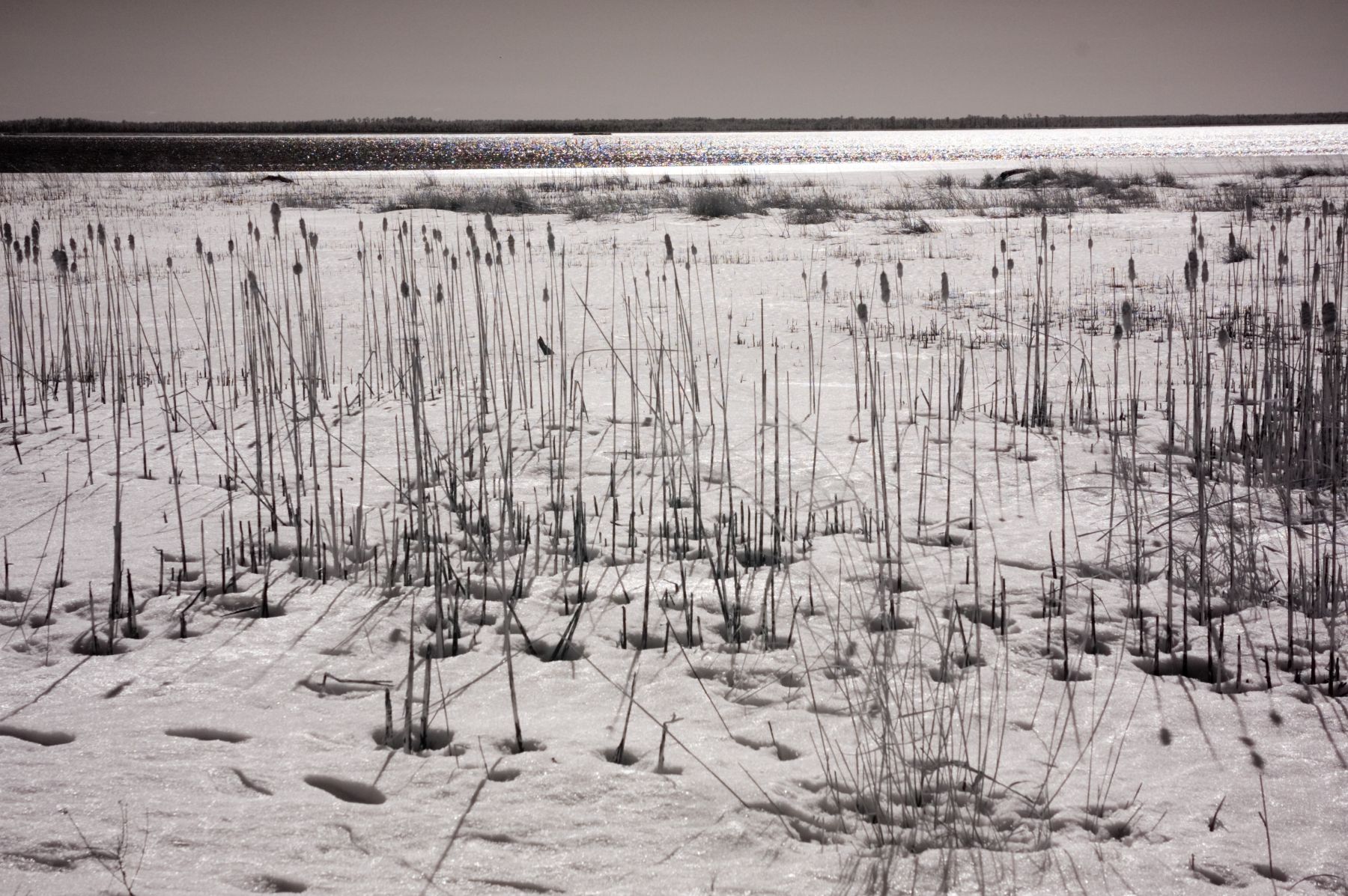
Maryland stretches from the Atlantic coast to the Appalachian Mountains. Consequently, the state shows striking geographic variety. The Chesapeake Bay nearly splits Maryland in two. Meanwhile, the Eastern Shore features flat plains and tidal marshes. Farther west, the Piedmont rises with rolling hills and deep river valleys.
Eventually, the land climbs into rugged Appalachian ridges. Major rivers like the Potomac and Susquehanna shape regional borders. Overall, Maryland’s landscape shifts quickly and dramatically.
History
Early Native Cultures
Maryland’s story begins with Native communities. They lived along rivers and hunted abundant game. Moreover, they traded widely and built stable villages. Their cultures shaped the region for centuries.
European Arrival
English explorers reached the Chesapeake in 1608. Soon after, interest in the area grew quickly. In 1632, King Charles I granted the Maryland charter to Cecilius Calvert. Two years later, settlers founded St. Mary’s City as a refuge for Catholics. Additionally, tobacco farming soon dominated the economy. Enslaved Africans and indentured servants powered this growth.
Colonial Tensions
During the 1600s, conflicts with Native peoples increased. Disease and warfare reduced Indigenous populations dramatically. Meanwhile, political and religious tensions shaped colonial life. By 1695, Annapolis became the capital. Furthermore, Baltimore emerged as a major port after its founding in 1729.
Revolutionary Era
Maryland supported independence in 1776. Although battles avoided its soil, Maryland troops fought bravely elsewhere. The “Maryland Line” earned praise for discipline and courage. Later, Maryland ratified the Articles of Confederation in 1781. Soon after, it became the seventh state to approve the U.S. Constitution in 1788.
Nineteenth-Century Change
Maryland grew rapidly during the 1800s. The B&O Railroad began service in 1830 and transformed transportation. Additionally, Baltimore expanded into a major industrial center. Although Maryland allowed slavery, many African Americans gained freedom before the Civil War. By 1860, nearly half of the state’s Black population lived free.
War and Reconstruction
Maryland stayed in the Union during the Civil War. Nevertheless, divisions ran deep. After the war, industry and trade revived quickly. Railroads, shipping, and manufacturing fueled new prosperity.
Modern Maryland
During the twentieth century, Maryland diversified its economy. Government, science, and education grew rapidly. Furthermore, Baltimore became a cultural hub. Today, Maryland blends historic landscapes with modern innovation. Its past continues to shape its identity and resilience.
If you like Maryland Fine Art Prints, you may also like

Reviews
There are no reviews yet.