Blackwater National Wildlife Refuge
Blackwater National Wildlife Refuge
by Jacqueline LaRocca

History of Blackwater National Wildlife Refuge
A Landscape Shaped by Water and Time
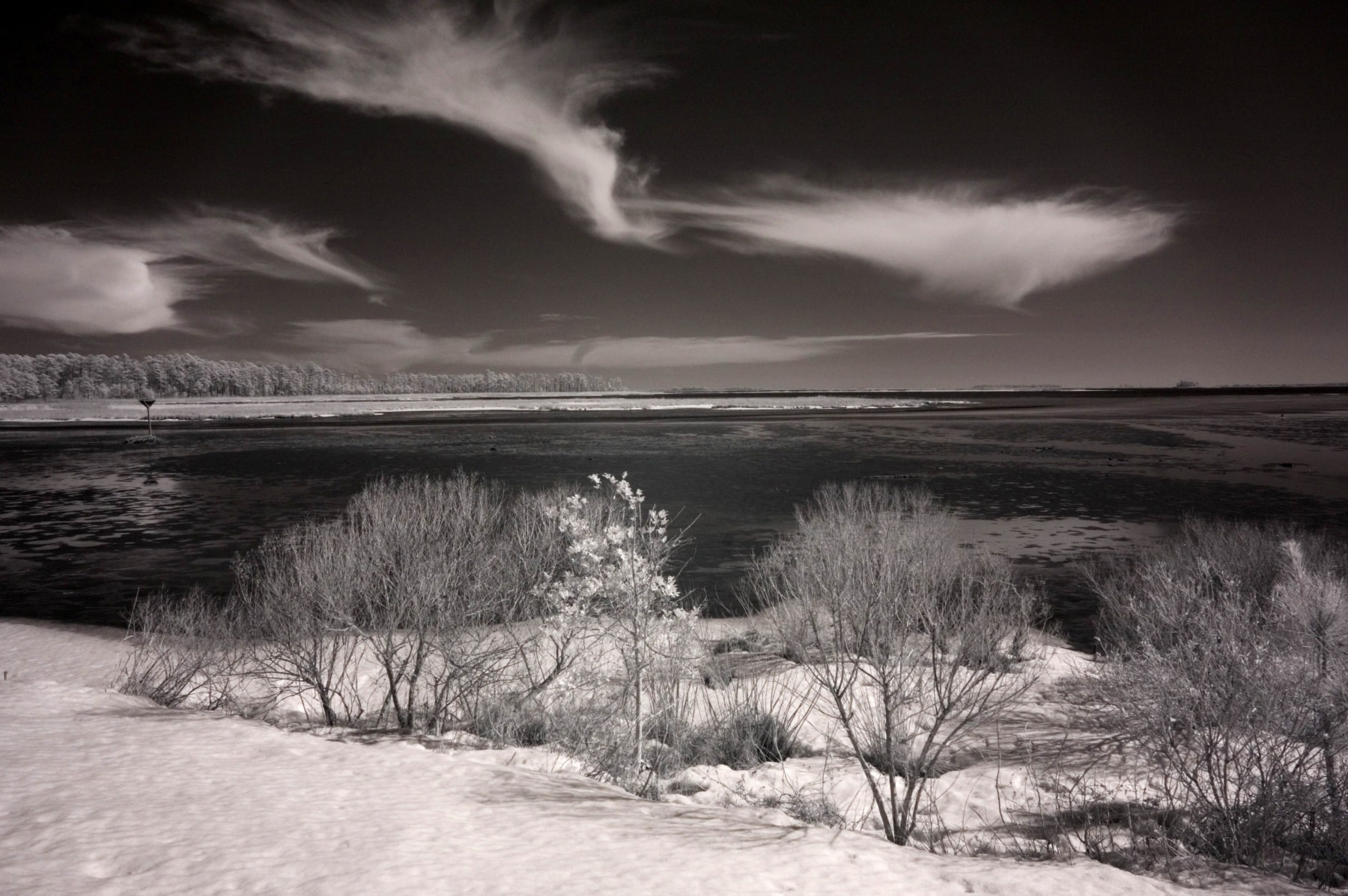
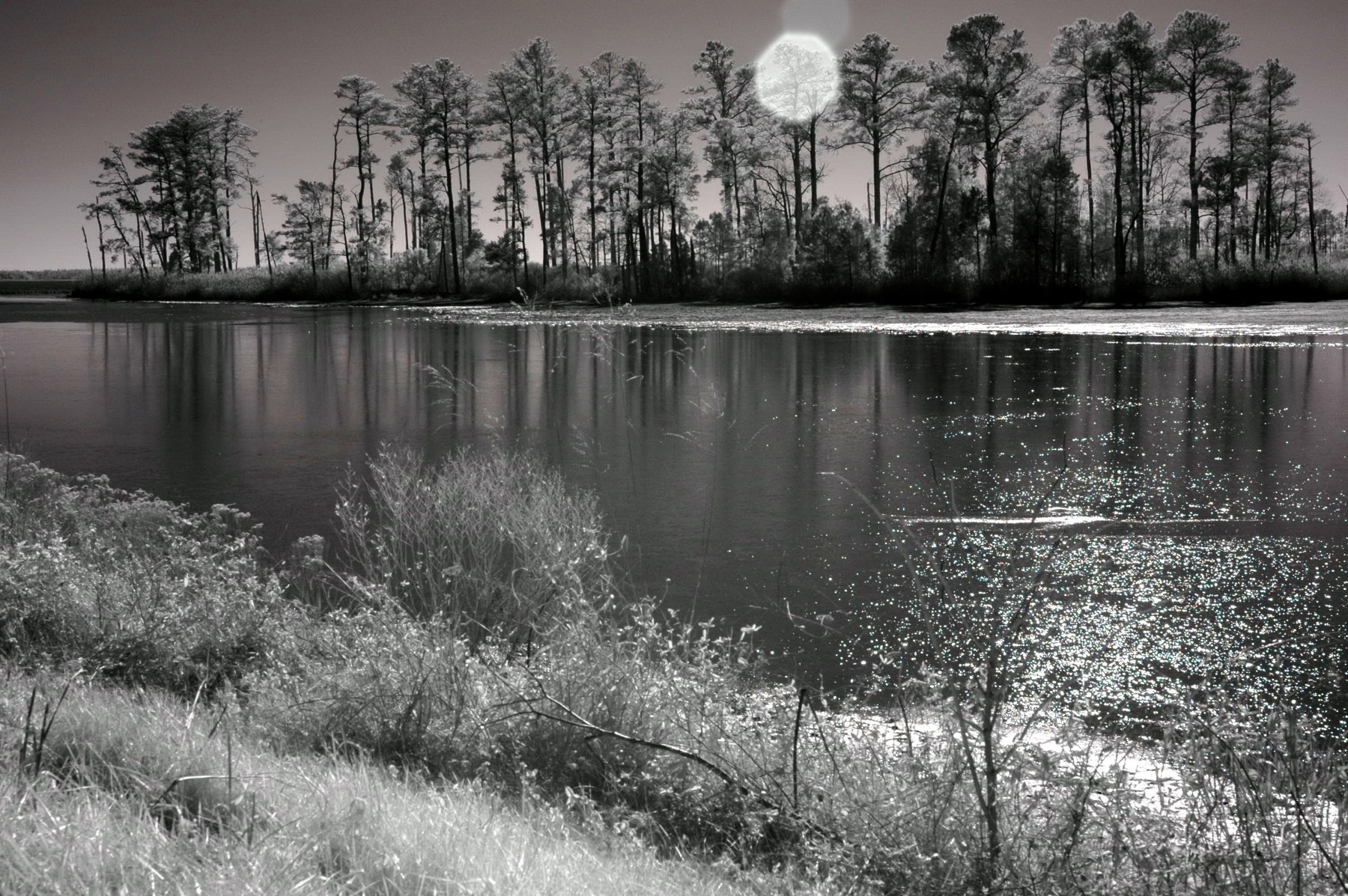
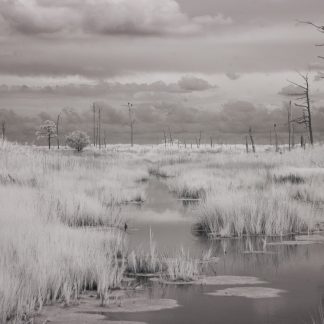
Blackwater National Wildlife Refuge lies within Maryland’s vast tidal marshes. These wetlands formed over thousands of years as rising waters shaped the Chesapeake Bay.
Because the land sits low and flat, tides constantly reshape its channels and marsh grasses. As a result, the area developed rich habitats that supported Indigenous communities long before European arrival.
Native peoples hunted waterfowl, gathered plants, and navigated the waterways with seasonal precision.
Early Settlement and Changing Land Use
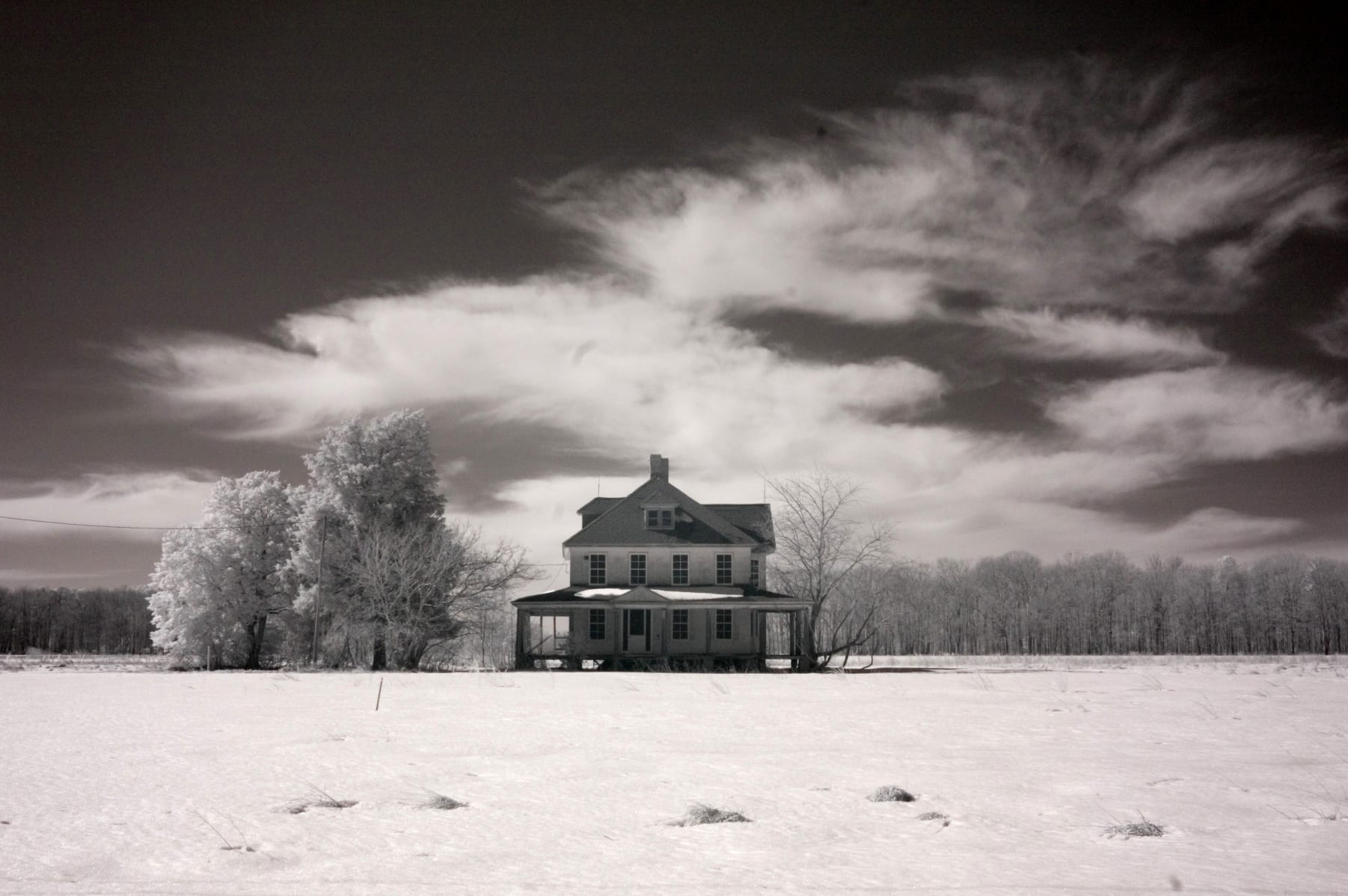
European settlers reached the region in the 1600s. They established farms, timber operations, and small river communities. Meanwhile, the marshes continued supporting abundant wildlife. Hunters, trappers, and fishermen relied on the area’s natural resources.
However, expanding agriculture and logging gradually altered the landscape. Despite these changes, the wetlands remained ecologically important. Therefore, conservationists eventually recognized the need to protect the region’s wildlife.
A Refuge Born from Conservation Efforts
In 1933, the federal government created Blackwater National Wildlife Refuge. The goal was simple: protect migratory birds along the Atlantic Flyway. The refuge quickly became a sanctuary for ducks, geese, and swans.
Meanwhile, conservation programs restored marshes and managed water levels. These efforts strengthened habitats for countless species.
As a result, Blackwater became one of the most significant waterfowl refuges on the East Coast.
Wildlife Recovery and Ecological Importance
Throughout the 20th century, the refuge supported major wildlife recoveries. Bald eagles returned in growing numbers as habitat improved. Today, Blackwater hosts one of the largest eagle populations on the Atlantic coast. Delmarva fox squirrels also rebounded after decades of decline.
Meanwhile, the refuge’s marshes continued supporting muskrats, herons, ospreys, and migratory songbirds. Therefore, Blackwater evolved into a vital ecological stronghold for the Chesapeake region.
Challenges from Erosion and Rising Seas
Despite its success, Blackwater faces ongoing threats. Rising sea levels and land subsidence steadily erode the marshes. Saltwater intrusion kills trees and transforms forests into open wetlands. Consequently, the refuge loses habitat each year.
Scientists and managers now work to rebuild marshes, slow erosion, and protect vulnerable species. These efforts highlight the refuge’s importance in a changing climate.
A Modern Haven for Wildlife and Visitors
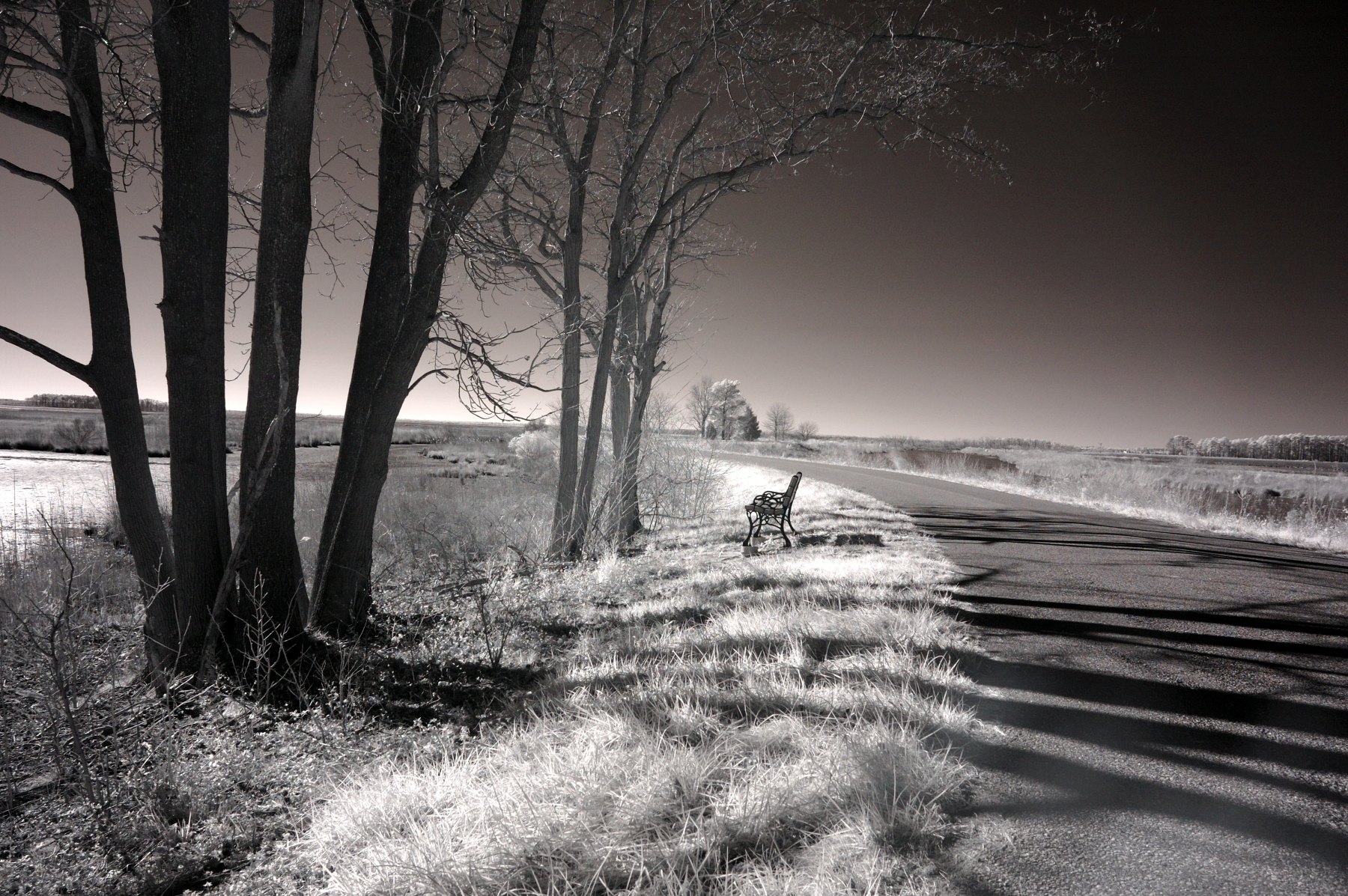
Today, Blackwater National Wildlife Refuge protects more than 30,000 acres of marsh, forest, and open water. Visitors explore scenic drives, trails, and observation platforms.
Meanwhile, conservation teams monitor wildlife and restore fragile habitats. As a result, Blackwater remains a living landscape where nature, history, and stewardship come together.
Its marshes continue to inspire travelers, photographers, and naturalists from around the world.
If you like Blackwater National Wildlife Refuge, you may also like
Showing all 3 results
-

Maryland Canvas Art Prints
$229.00 (price_excluding_tax) Select options This product has multiple variants. The options may be chosen on the product page -
Maryland Fine Art Prints
$229.00 (price_excluding_tax) Select options This product has multiple variants. The options may be chosen on the product page -
Maryland Framed Art Prints
$550.00 (price_excluding_tax) Select options This product has multiple variants. The options may be chosen on the product page

Showing all 3 results