











Description
Italy Fine Art Color
by Jacqueline LaRocca


The Colors of Rome, Florence, and Venice
Rome: Earth, Stone, and Sunset Light
Rome greets visitors with warm, earthy tones shaped by centuries of history. Its buildings glow with ochre, terracotta, and soft gold. Because the city uses traditional lime‑based plasters, its walls absorb sunlight and release it slowly. As a result, Rome appears to shift color throughout the day. Morning light reveals pale yellows and muted creams.
Afternoon sun deepens façades into rich oranges and warm browns. Meanwhile, sunset transforms the city into a glowing palette of rose and amber.
Ancient monuments add another layer of color. The Colosseum blends pale travertine with weathered gray stone. The Roman Forum mixes marble fragments, brick arches, and sun‑bleached columns. Consequently, Rome’s archaeological core feels both monumental and delicate. Its colors tell stories of erosion, restoration, and time.
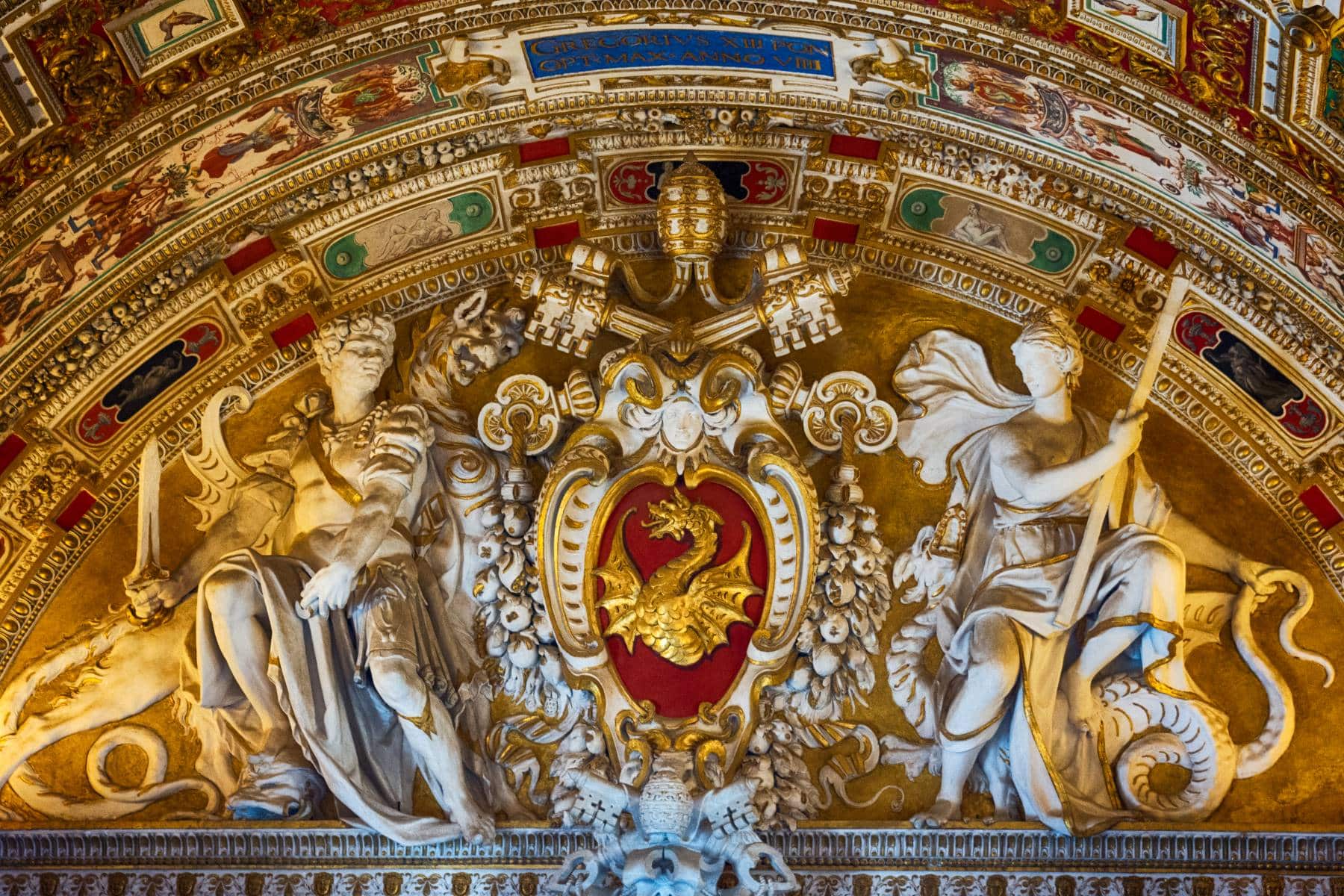
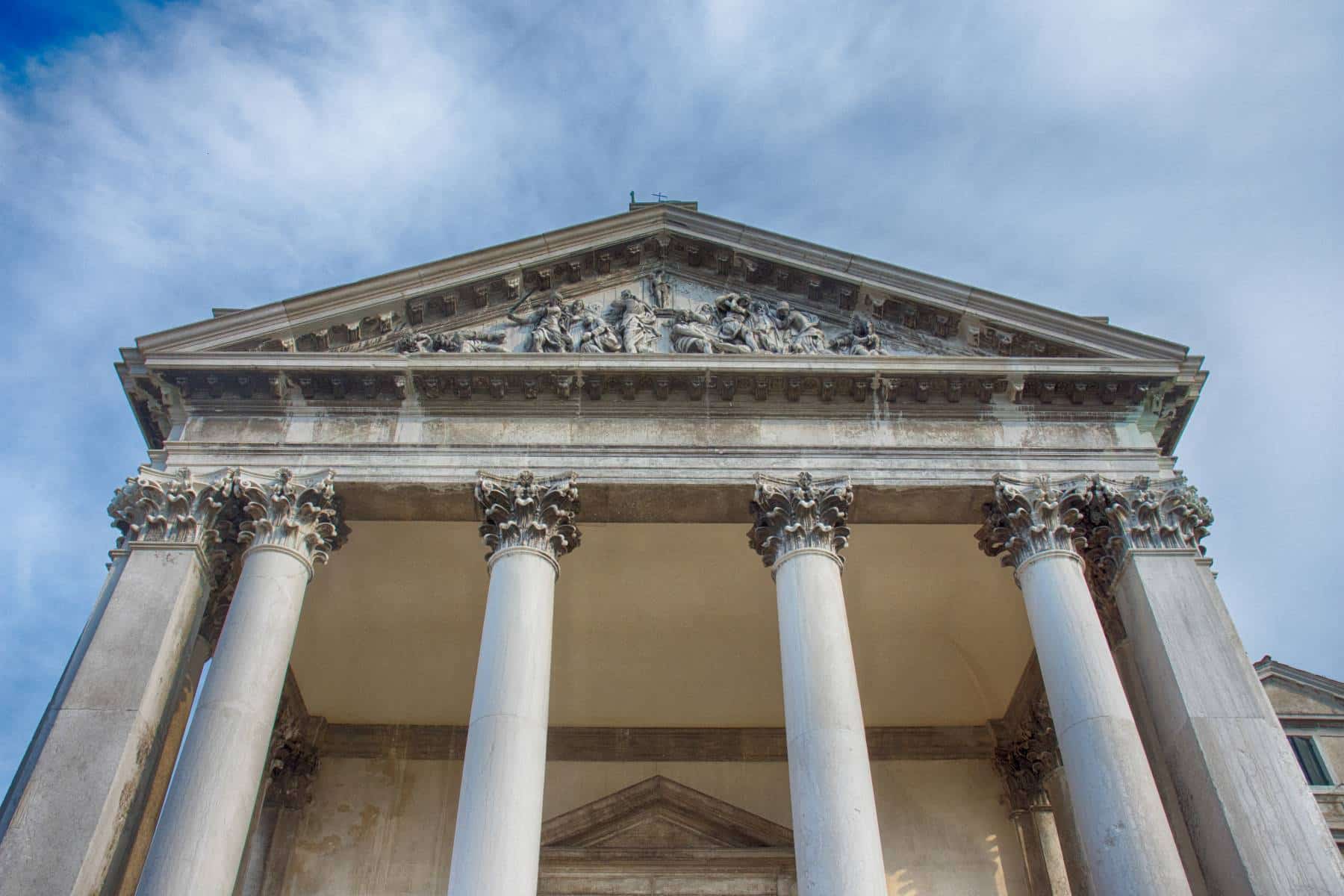
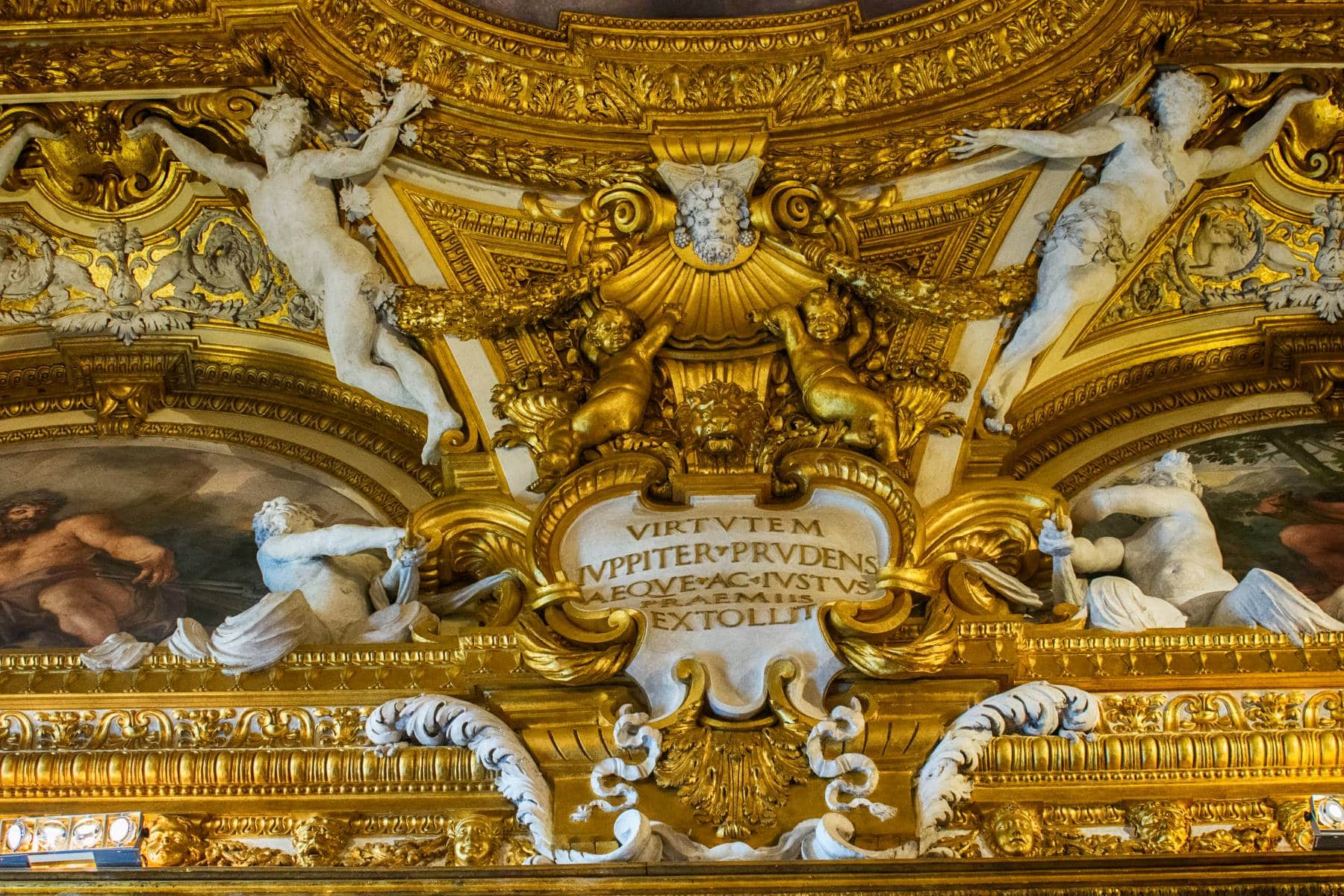
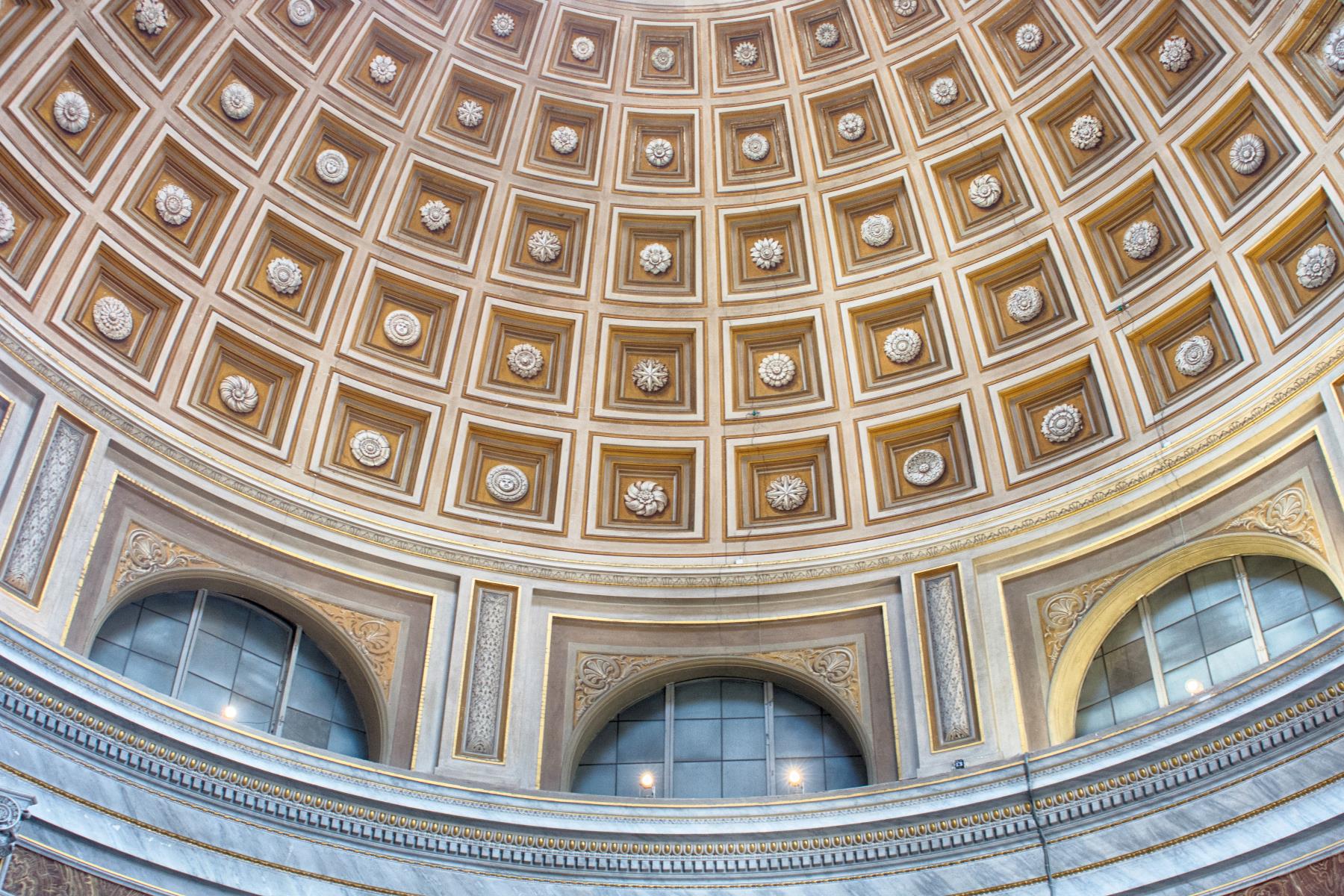
Baroque Rome introduces brighter contrasts. White marble fountains sparkle against darker stone streets. Churches display deep reds, polished greens, and gilded interiors. Therefore, Rome’s color palette moves constantly between earth and brilliance. Even its streets contribute to the experience. Basalt cobblestones shift from charcoal to silver depending on the light. Meanwhile, green shutters, potted plants, and laundry lines add small bursts of color in quiet neighborhoods.
By night, Rome softens again. Golden streetlamps illuminate piazzas and fountains. Warm light reflects off ancient walls and creates gentle shadows. As a result, Rome’s colors feel timeless, layered, and deeply connected to its long history.
Florence: Renaissance Warmth and Artistic Harmony
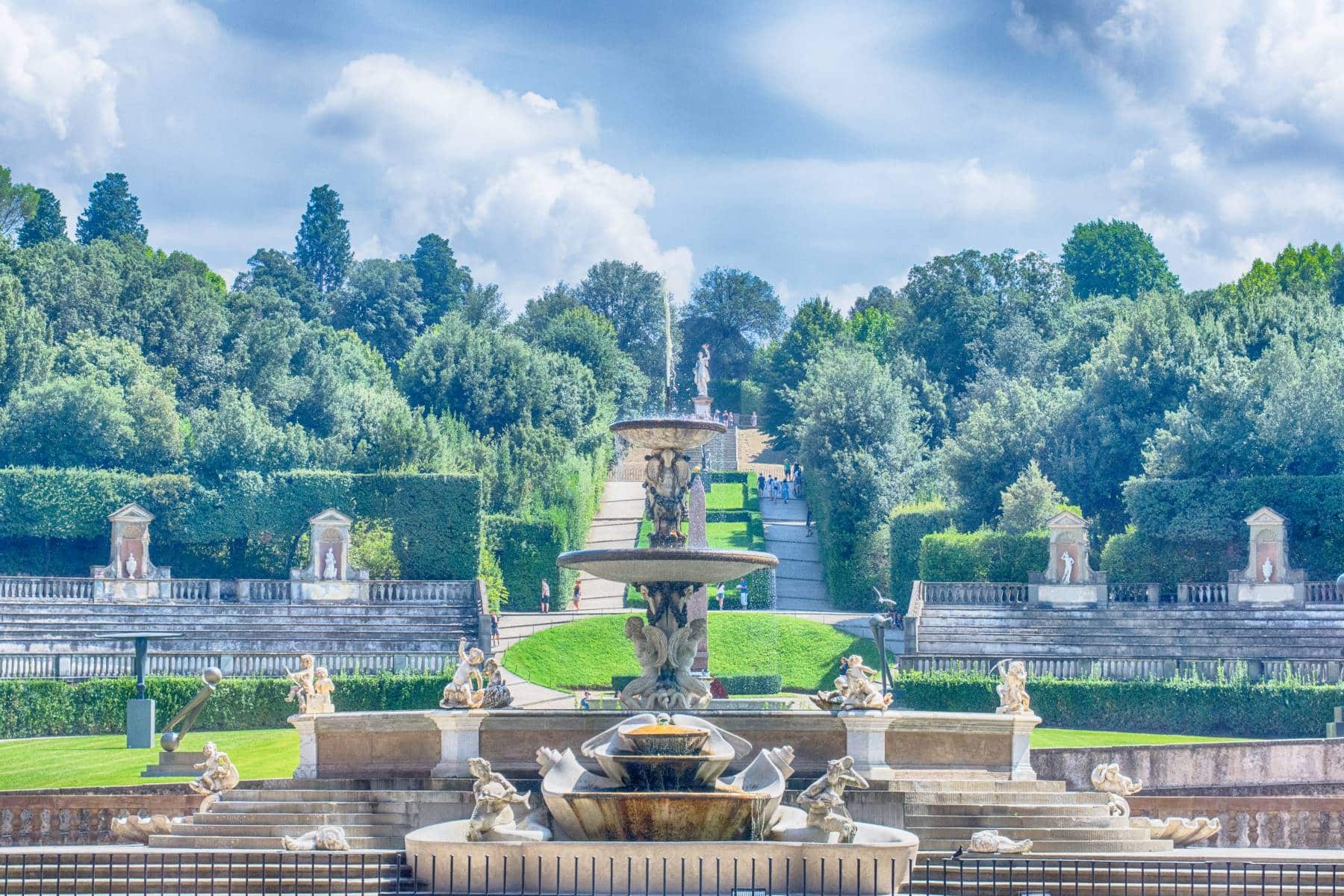
Florence expresses its identity through warm, harmonious tones shaped by Renaissance ideals. Its buildings feature soft yellows, pale oranges, and creamy whites. Because the city sits in a valley, sunlight often arrives at an angle. This light enhances the warmth of its stone and plaster. Consequently, Florence glows with a gentle radiance that feels both elegant and intimate.
The city’s most iconic colors appear in its architecture. The Duomo combines white marble, green serpentine, and also pink stone. These colors create a balanced, geometric pattern that reflects Renaissance design principles. Meanwhile, the Baptistery displays bold black‑and‑white stripes that contrast with the surrounding warm tones. As a result, Florence’s religious center feels both unified and visually striking.
Across the river, the Oltrarno district introduces deeper hues. Workshops, artisan studios, and older houses use darker yellows and burnt oranges. Wooden shutters add greens and browns that complement the warm walls. Therefore, Florence’s neighborhoods feel distinct yet connected through shared color traditions.
Art also shapes the city’s palette. Museums and churches display frescoes filled with soft blues, muted reds, and golden halos. These colors echo across the city’s architecture and create a sense of continuity. Meanwhile, the Arno River adds cooler tones. Its water shifts from green to silver depending on the weather. Bridges reflect these colors and soften the city’s warm palette.
Sunset
At sunset, Florence becomes especially vibrant. The sky turns pink and gold, and the city’s rooftops glow with deep red tiles. As a result, Florence feels like a living Renaissance painting—balanced, warm, and also full of quiet beauty.
Venice: Water, Light, and Fading Pastels
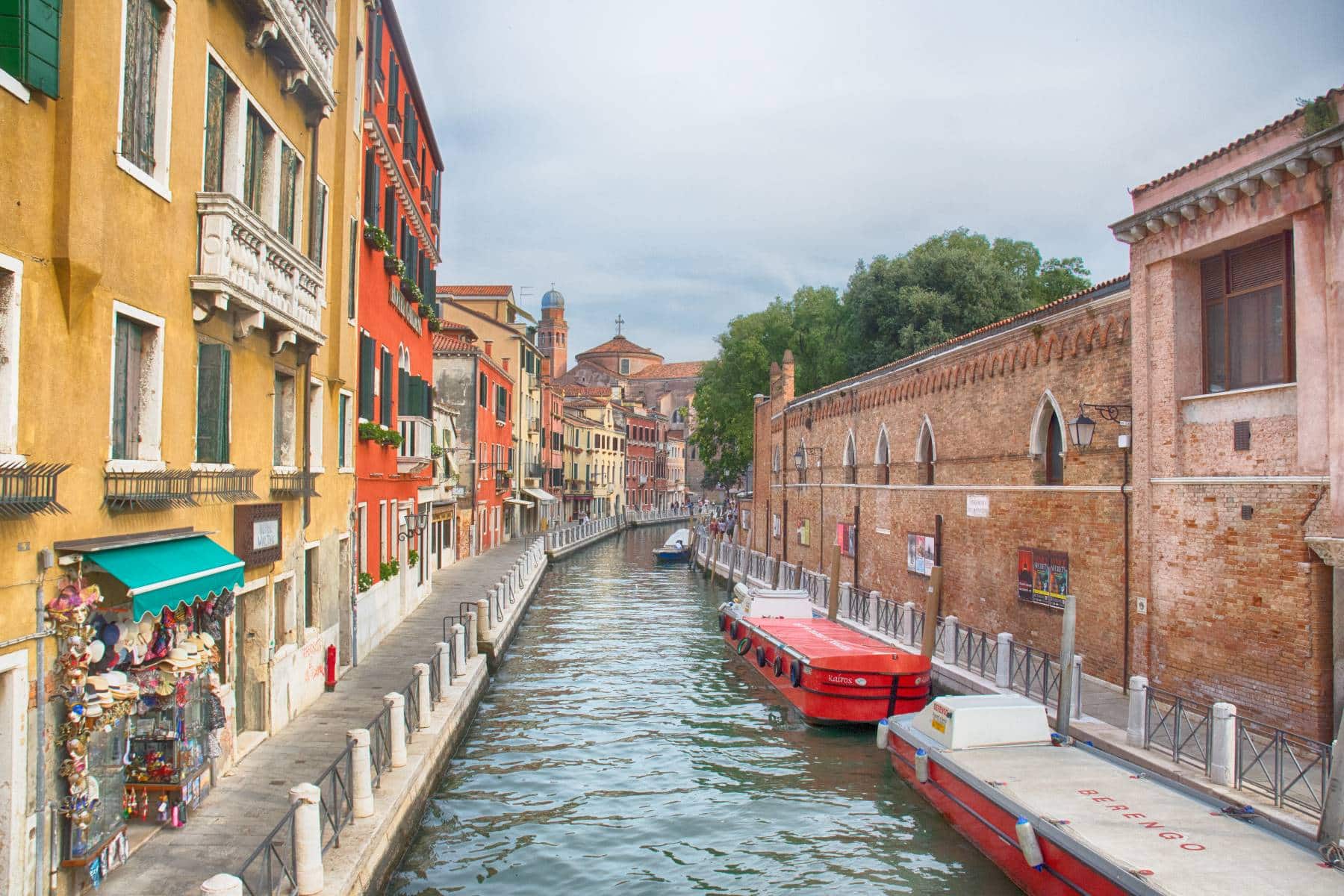
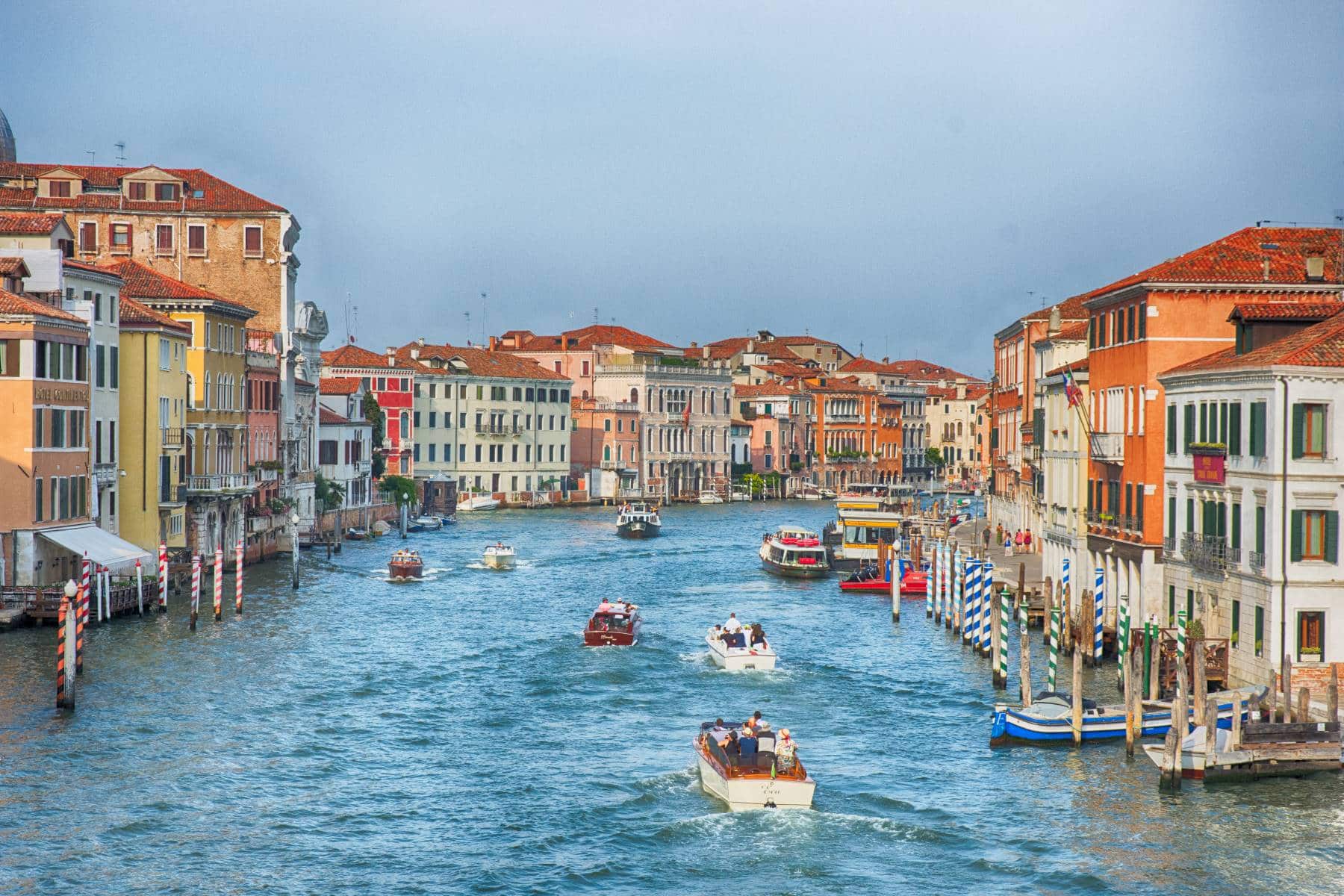
Venice reveals a completely different palette shaped by water, salt, and shifting light. Its buildings display faded pinks, soft reds, pale greens, and weathered creams. Because the lagoon constantly reflects sunlight, colors appear brighter and more fluid. As a result, Venice seems to shimmer throughout the day.
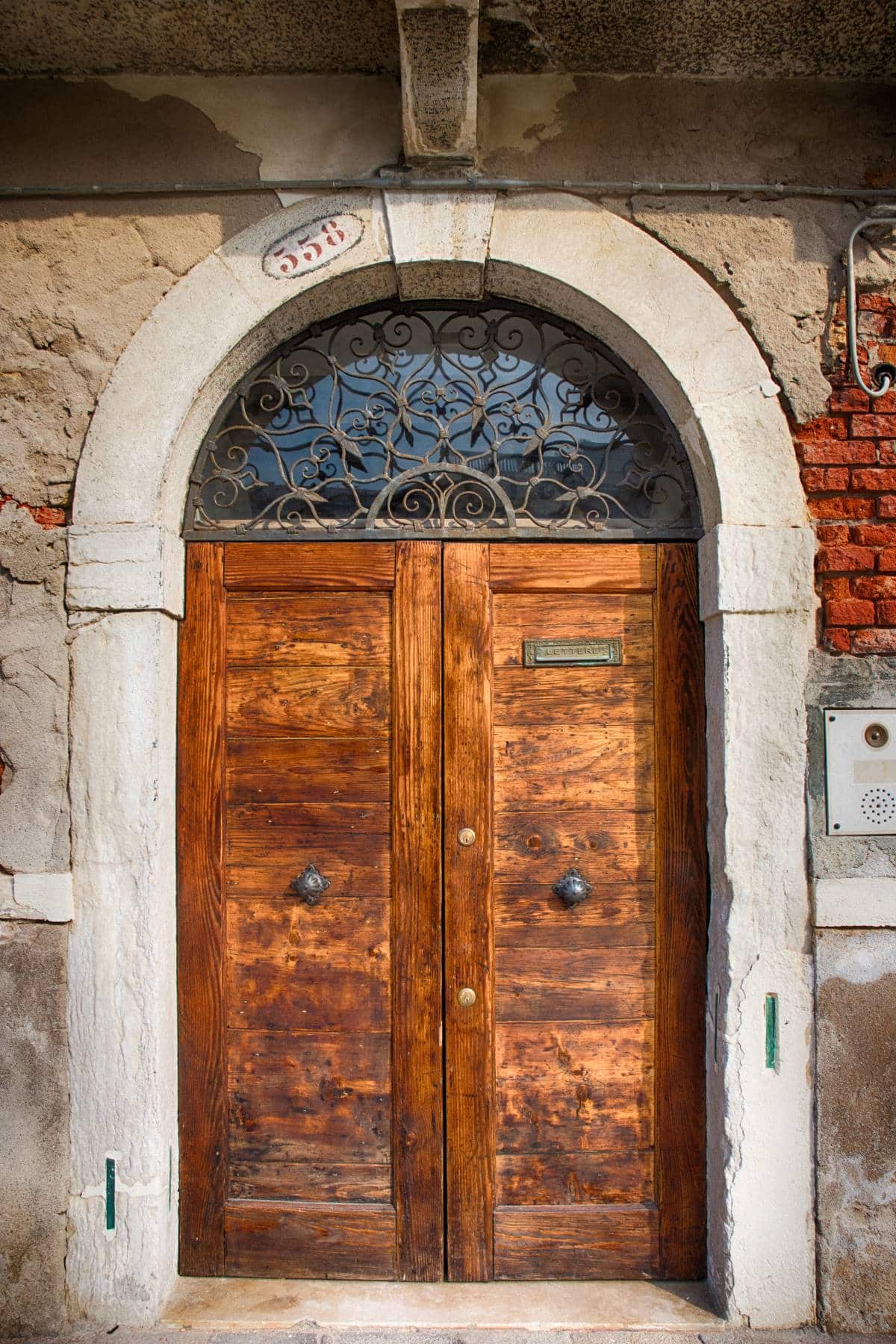
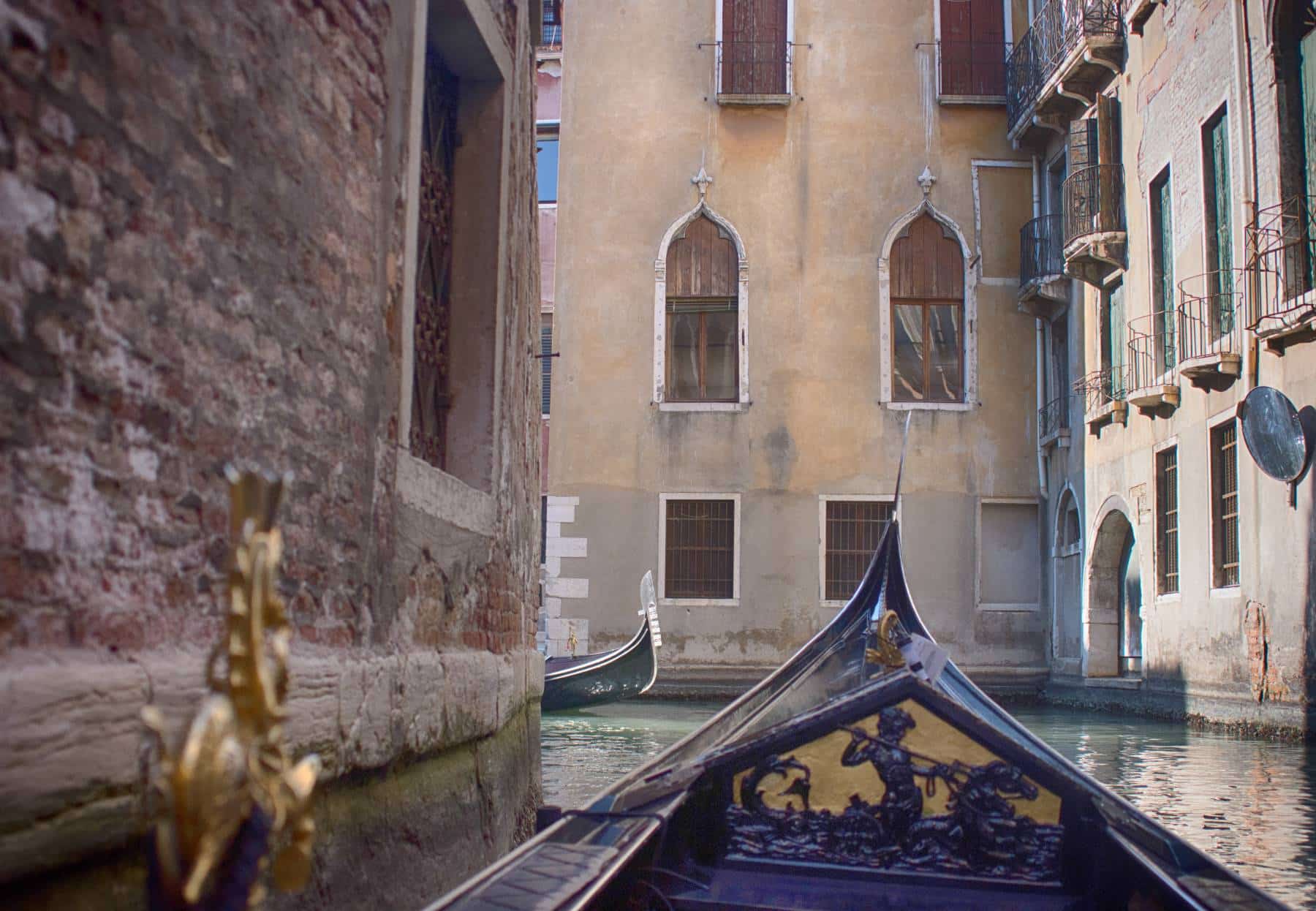
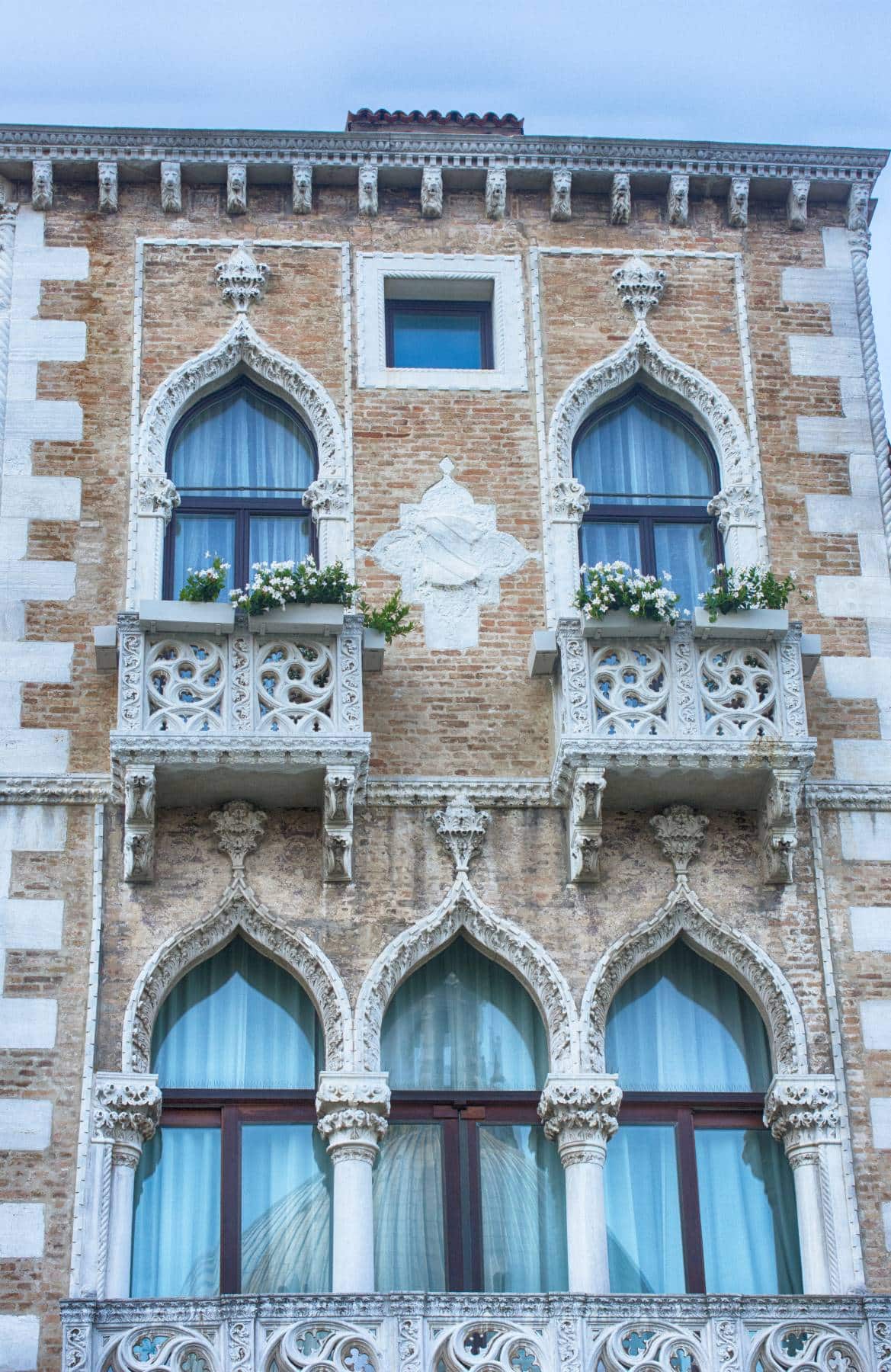
The city’s façades show centuries of weathering. Saltwater rises and falls against foundations, leaving marks that create unique textures. Plaster peels into layers of color, revealing older tones beneath. Consequently, Venice feels both fragile and enchanting. Its colors tell stories of tides, storms, and slow transformation.
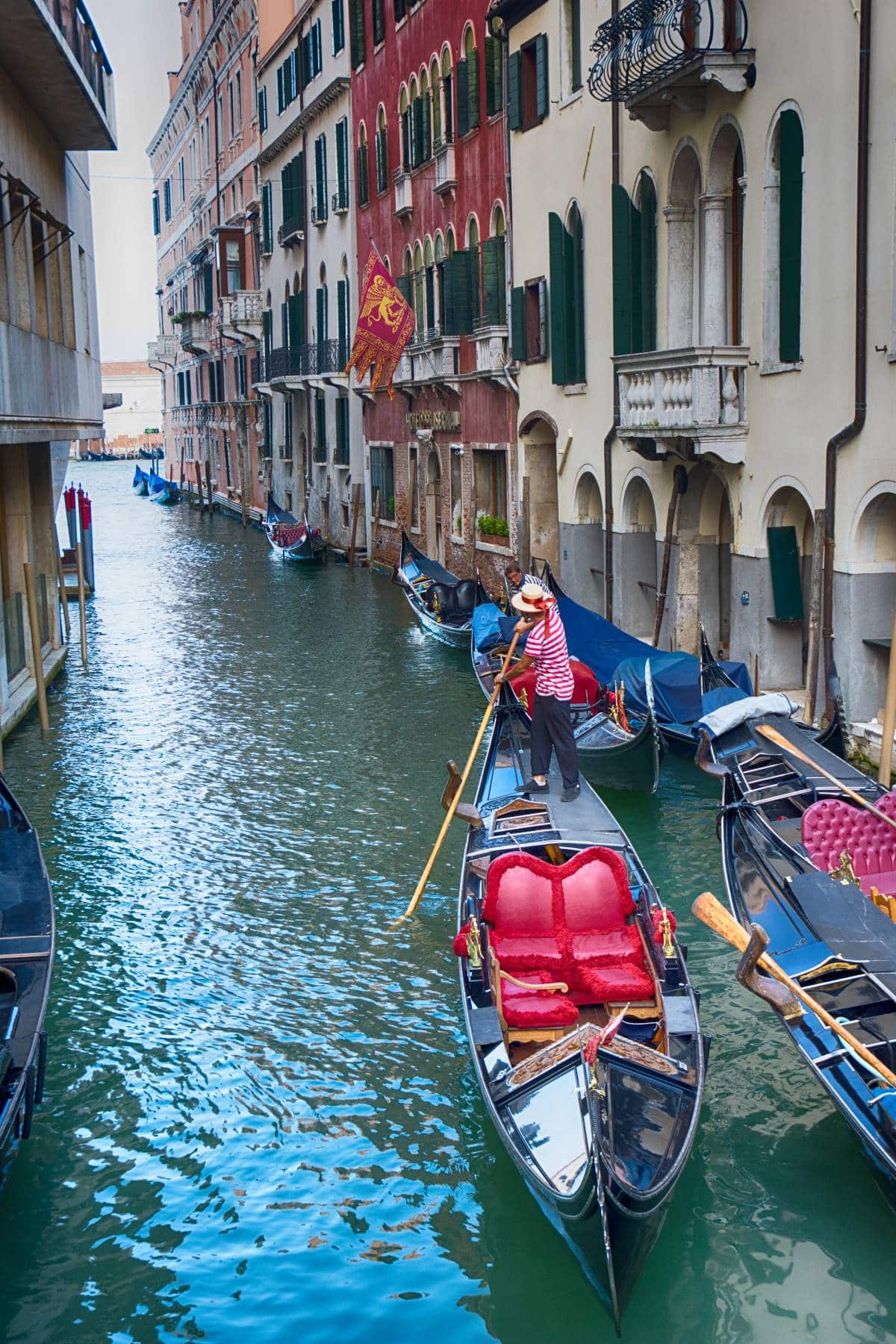
Canals add another dimension. Water reflects buildings, bridges, and sky. Morning light creates cool blues and greens. Afternoon sun warms the reflections into gold and bronze. Meanwhile, narrow alleys produce deep shadows that contrast with bright open squares. Therefore, Venice’s colors shift constantly as visitors move through the city.
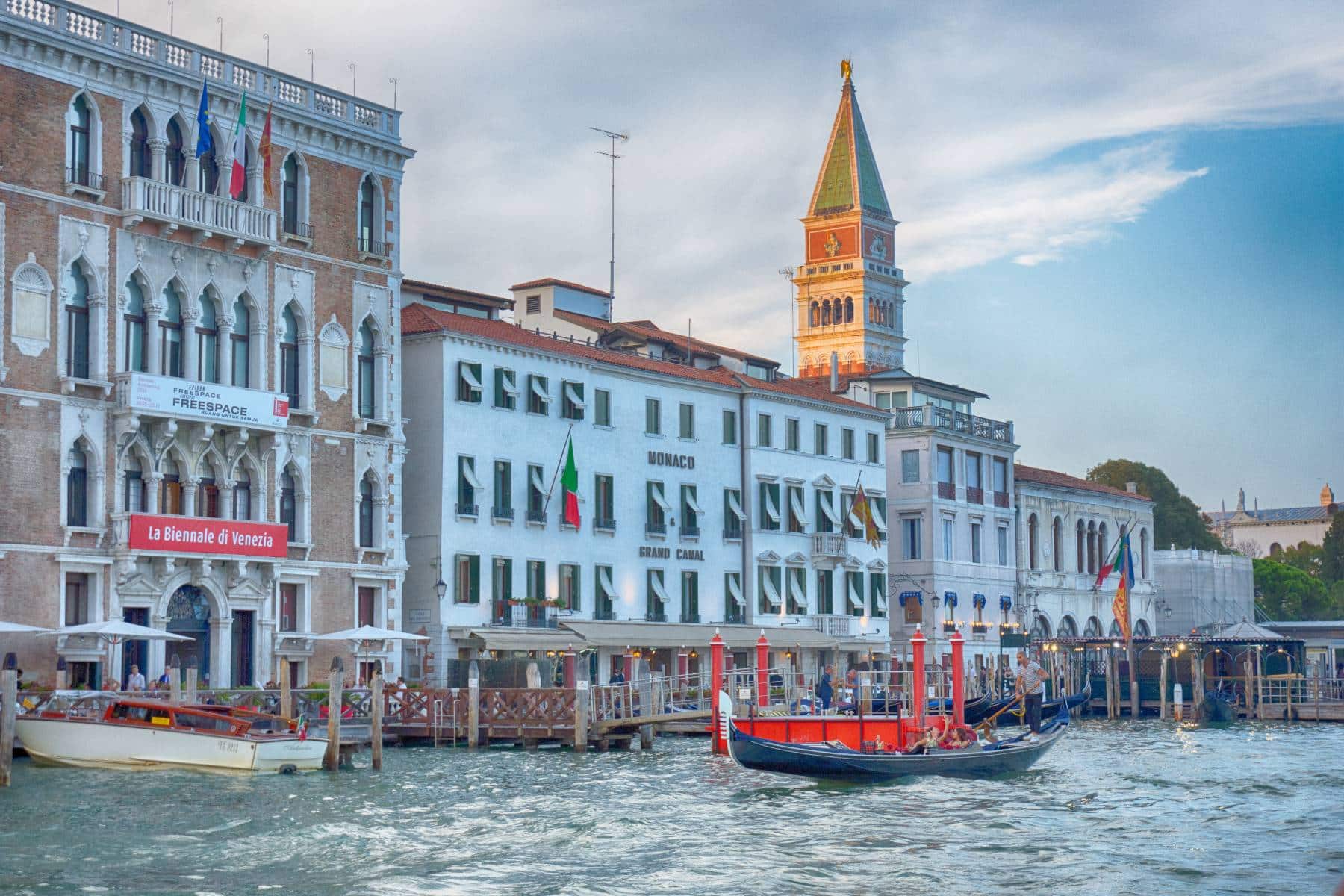
Iconic landmarks introduce richer tones. St. Mark’s Basilica displays gold mosaics, dark marble columns, and shimmering domes. The Doge’s Palace blends pale pink stone with white tracery. These colors create a sense of elegance and lightness. Gondolas add deep blacks and polished reds that stand out against the pastel surroundings.
At sunset, Venice becomes especially magical. The lagoon turns silver, and buildings glow with soft peach and rose tones. As night falls, warm lights reflect on the water and create shimmering patterns. Consequently, Venice feels dreamlike, delicate, and endlessly atmospheric.
A Shared Palette of History and Light
Although Rome, Florence, and Venice differ in architecture and geography, their colors share a common thread. Each city uses warm tones shaped by tradition, climate, and natural materials. Additionally, each responds to light in a distinctive way. Rome glows with earthy strength. Florence radiates balanced warmth. Venice shimmers with watery pastels.
Together, these cities create a visual journey through Italian history. Their colors reveal ancient foundations, Renaissance ideals, and also maritime elegance. As a result, travelers experience not just architecture but atmosphere—shaped by sunlight, stone, and also centuries of human creativity.


Reviews
There are no reviews yet.