The Colosseum
The Colosseum
Rome, Italy

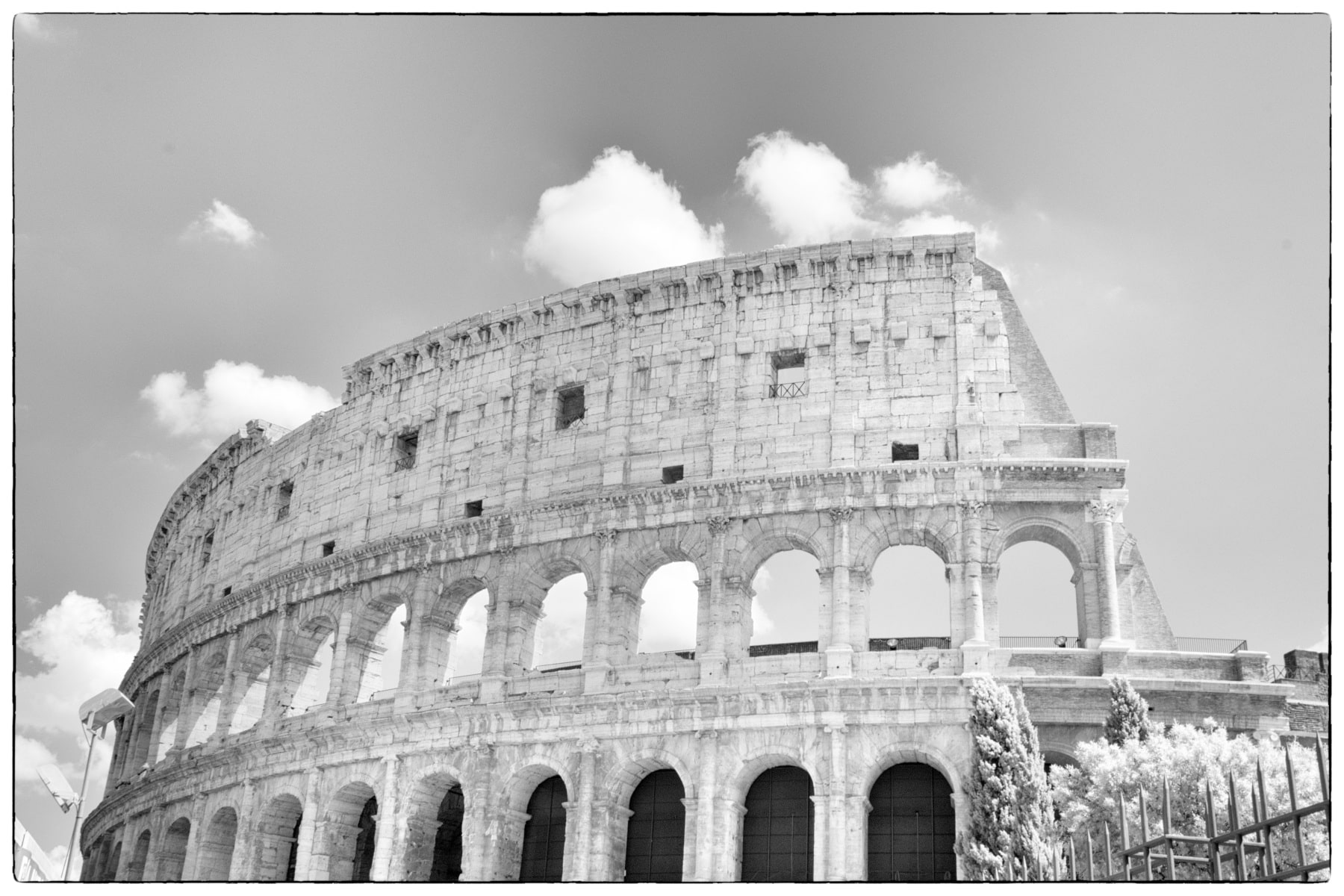


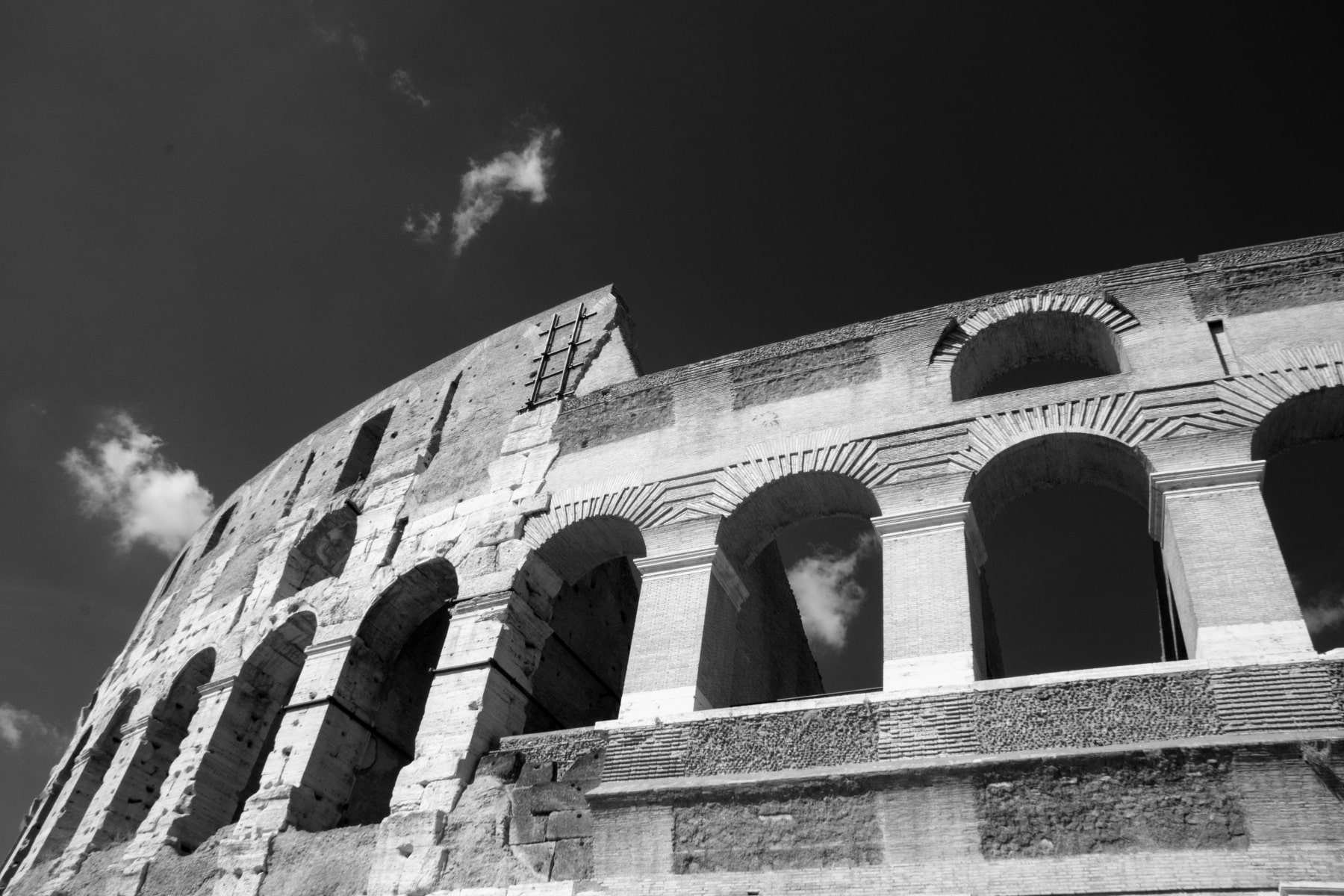
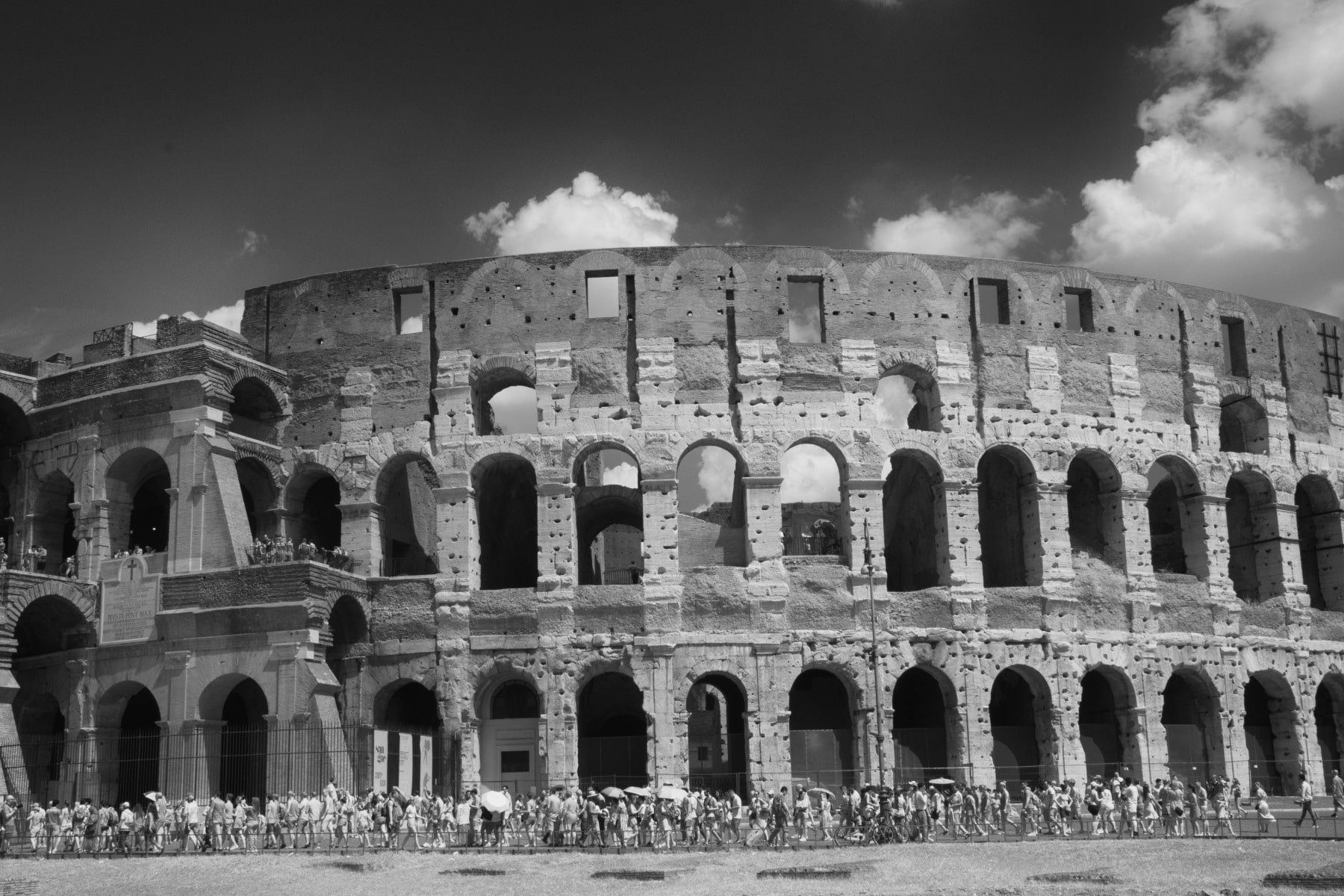

Available as a Fine Art Print, Framed Print, and as a Gallery-Wrapped Canvas Print.
History
Construction
The Colosseum stands as a testament to the architectural and engineering prowess of the Roman Empire. It is an iconic symbol of ancient Rome. Construction of this massive amphitheater began under Emperor Vespasian around 70-72 AD and was completed in 80 AD by his son, Titus.
Located just east of the Roman Forum, the Colosseum was built on the site of Nero’s Golden House. This symbolized a return of the land to the people after Nero’s extravagant reign.
Design
Firstly, the Colosseum’s design is remarkable. Earlier amphitheaters were typically built into hillsides for support. The Colosseum is a freestanding structure made of stone and concrete. It measures 620 by 513 feet (189 by 156 meters) and could hold up to 50,000 spectators.
The exterior features three stories of arched entrances, framed by columns in the Doric, Ionic, and Corinthian orders. It showcases the Romans’ mastery of architectural styles.
Entertainment Site
Moreover, the Colosseum was a hub of entertainment. It hosted gladiatorial contests, animal hunts, and even mock naval battles, thanks to its ability to be flooded. These events were not only a form of public spectacle but also a means for emperors to gain favor with the populace.
The inaugural games, held by Titus, lasted 100 days and included gladiatorial combats and wild animal fights.
Historical Significance
Transitioning to its historical significance, the Colosseum reflects the social and political dynamics of ancient Rome. It served as a venue for emperors to demonstrate their power and generosity.
Additionally, it provided a space for the public to witness the might and discipline of the Roman military, as well as the empire’s ability to control and entertain its citizens.
Furthermore, the Colosseum’s structure has endured through centuries of change. Despite damage from earthquakes and stone robbers, it remains a powerful symbol of Rome’s enduring legacy. Today, it attracts millions of tourists annually, offering a glimpse into the grandeur of ancient Rome.
Conclusion
In conclusion, the Colosseum is more than just an ancient ruin; it is a monument to the ingenuity and ambition of the Roman Empire. Its impressive architecture, historical significance, and enduring presence make it a must-visit landmark for anyone interested in history and culture.
As you walk through its ancient arches, you can almost hear the echoes of the past, bringing to life the vibrant history of Rome.
Showing all 7 results
-

Greece Black and White Prints
$350.00 (price_excluding_tax) Select options This product has multiple variants. The options may be chosen on the product page -
Greece Canvas Art Prints
$229.00 (price_excluding_tax) Select options This product has multiple variants. The options may be chosen on the product page -

Italy Canvas Art Prints
$229.00 (price_excluding_tax) Select options This product has multiple variants. The options may be chosen on the product page -
Italy Color Canvas Prints
$229.00 (price_excluding_tax) Select options This product has multiple variants. The options may be chosen on the product page -

Italy Color Photography
$350.00 (price_excluding_tax) Select options This product has multiple variants. The options may be chosen on the product page -

Italy Framed Art Prints
$550.00 (price_excluding_tax) Select options This product has multiple variants. The options may be chosen on the product page -

Italy Framed Color Prints
$550.00 (price_excluding_tax) Select options This product has multiple variants. The options may be chosen on the product page
Showing all 7 results