

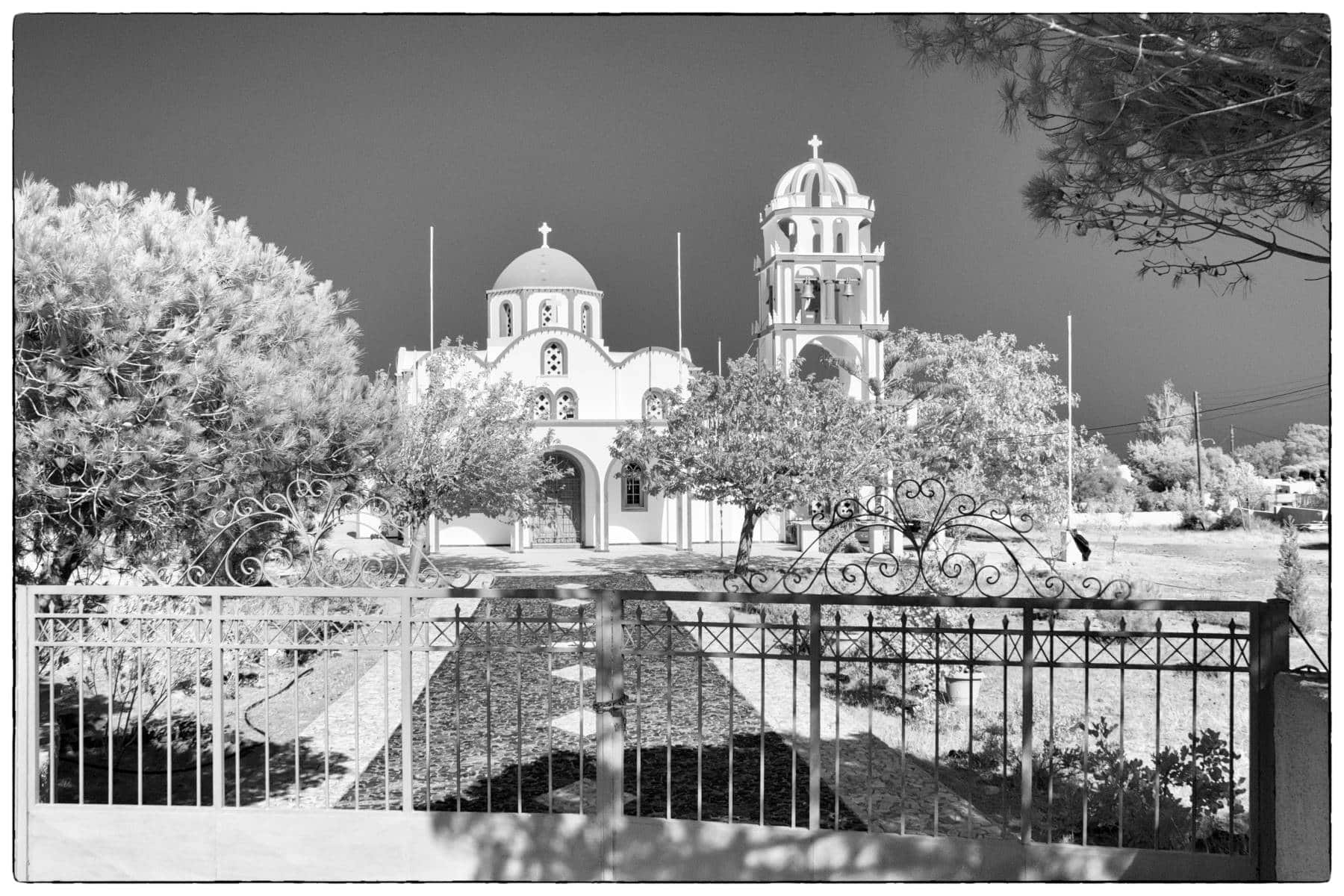


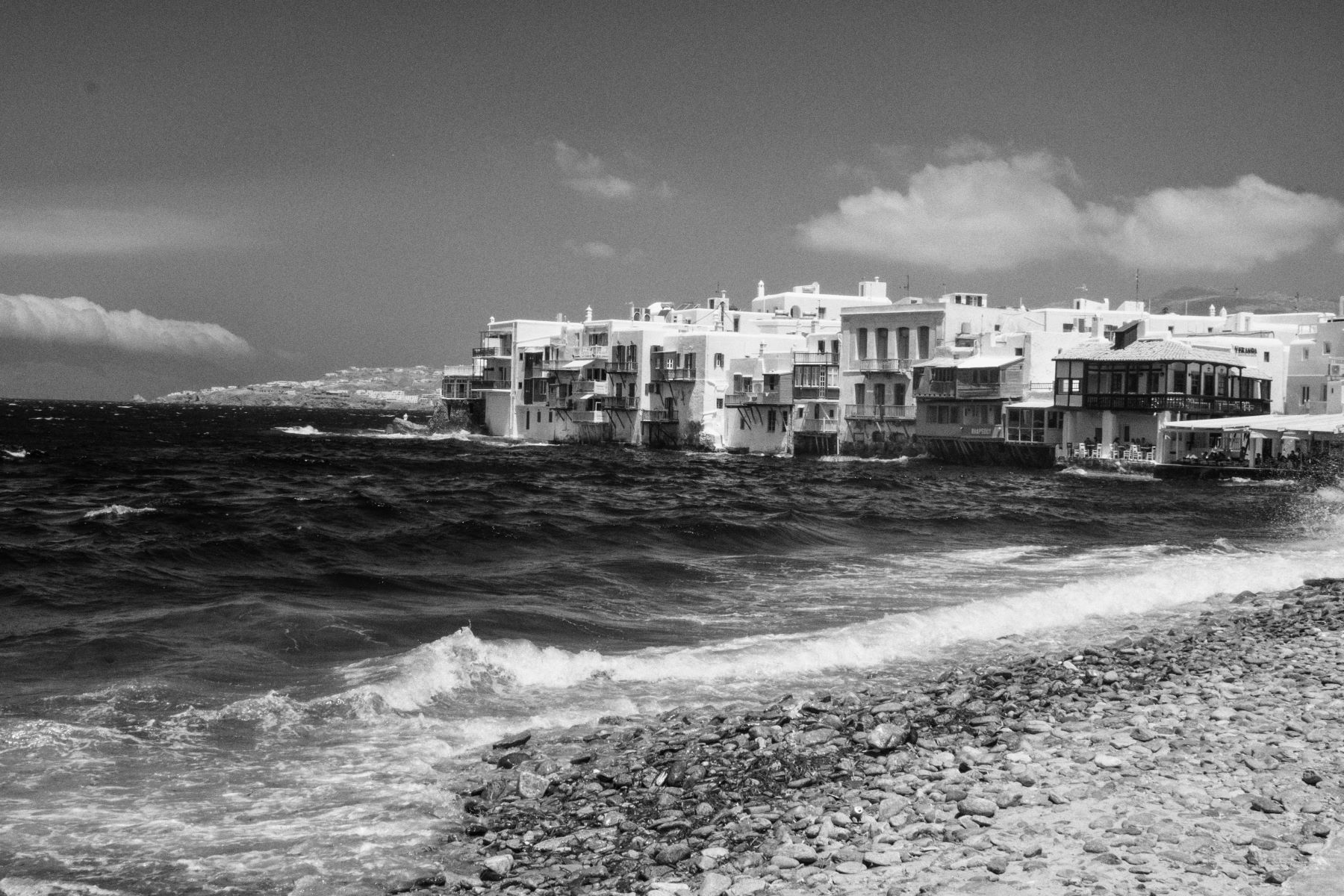
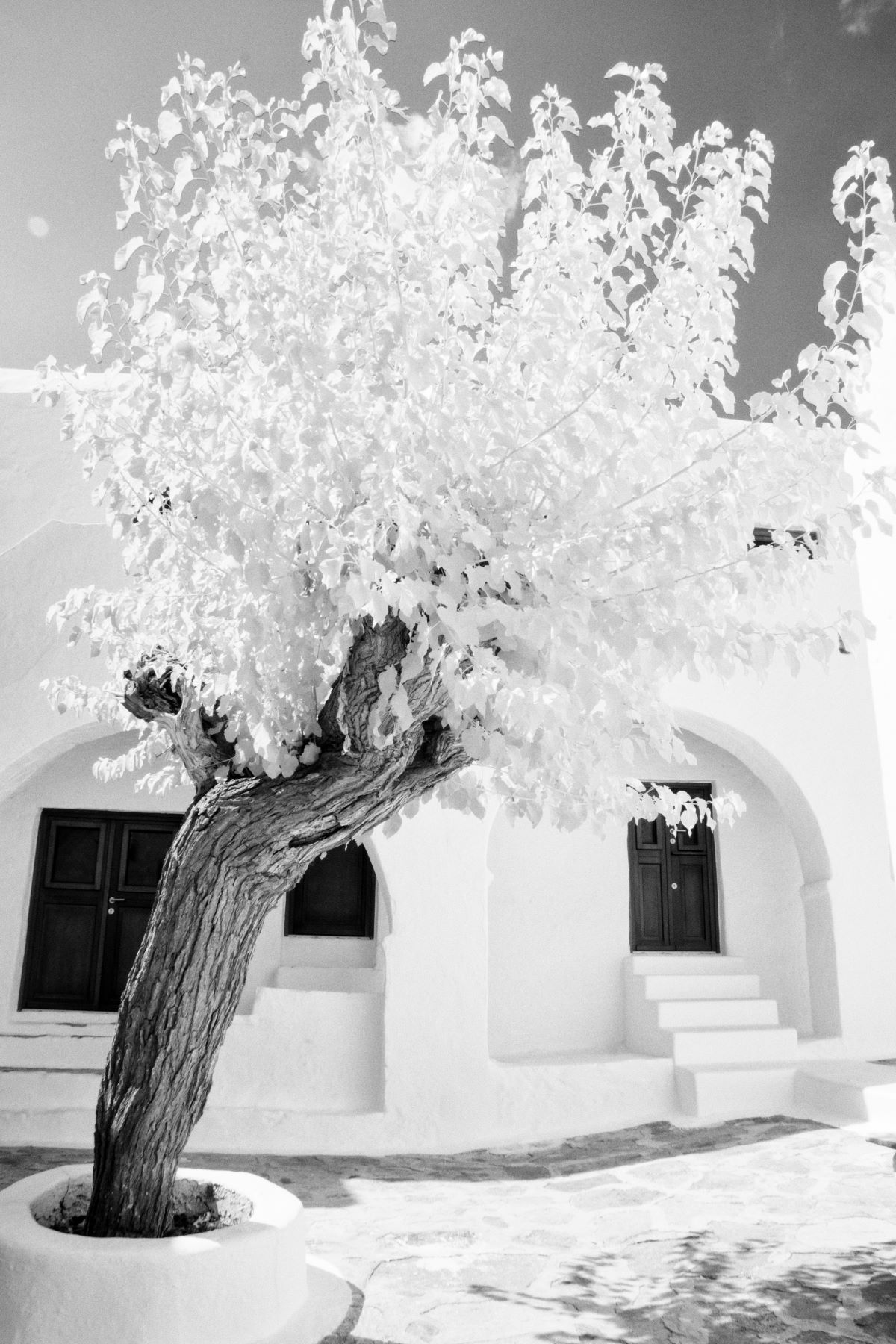


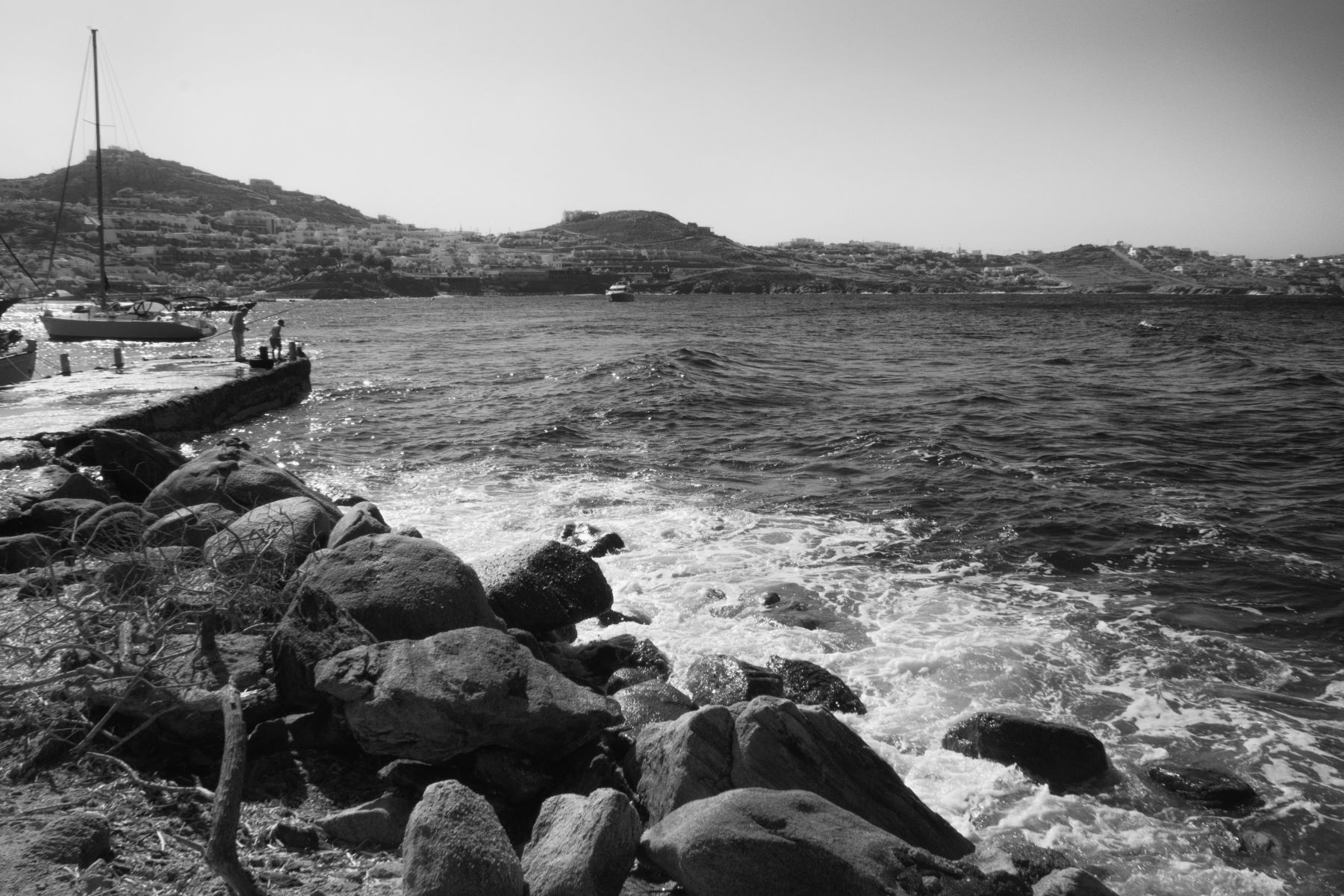

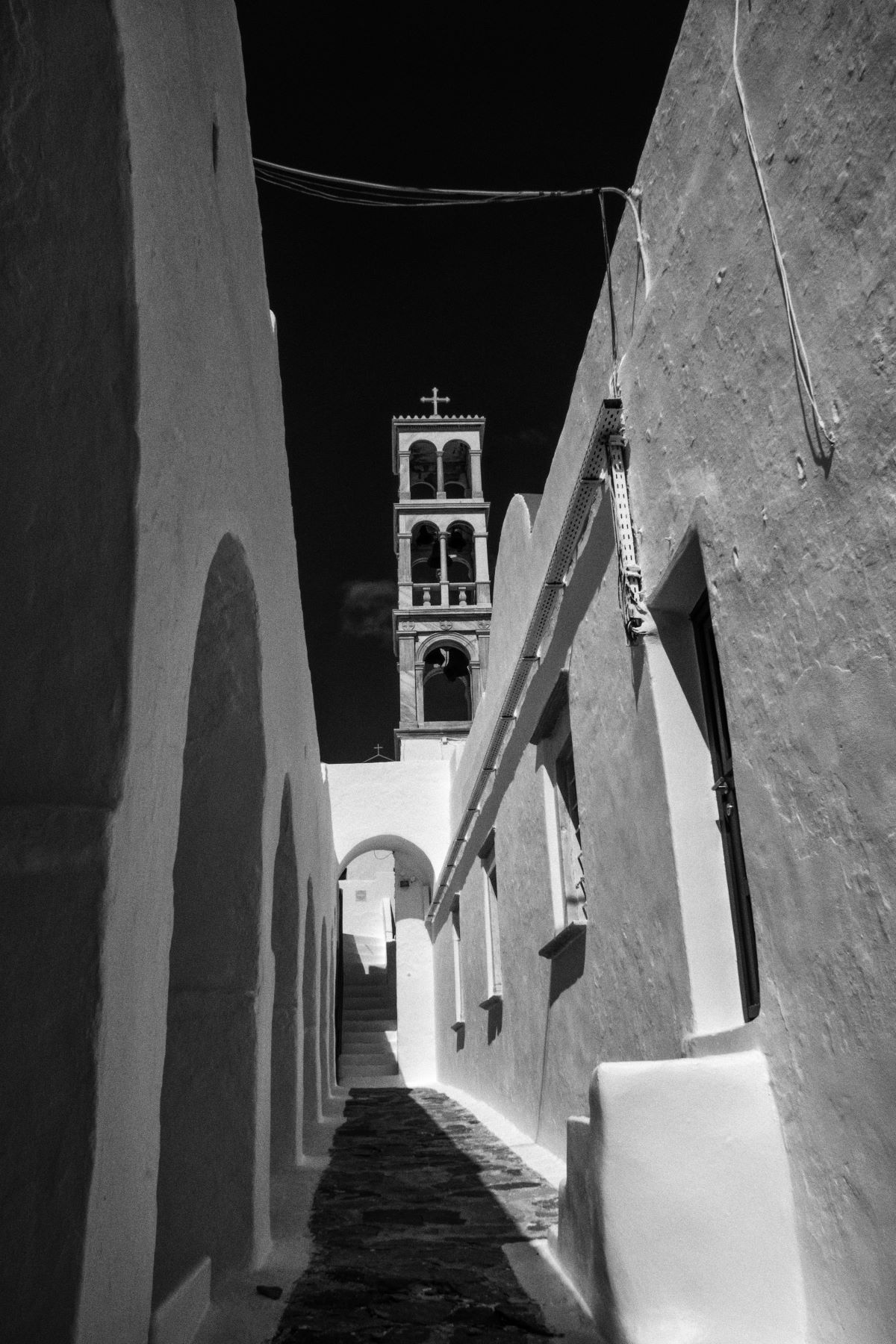


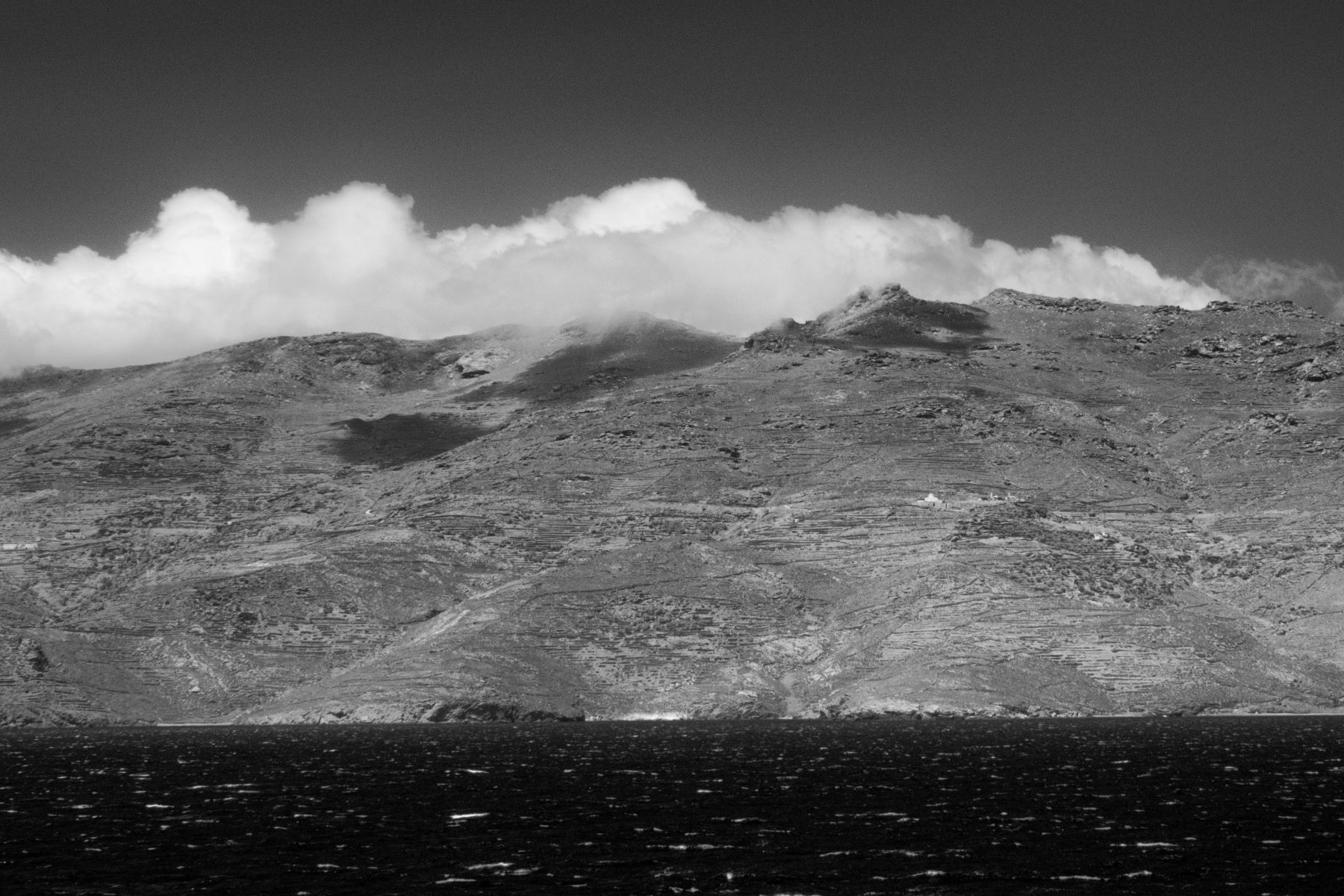
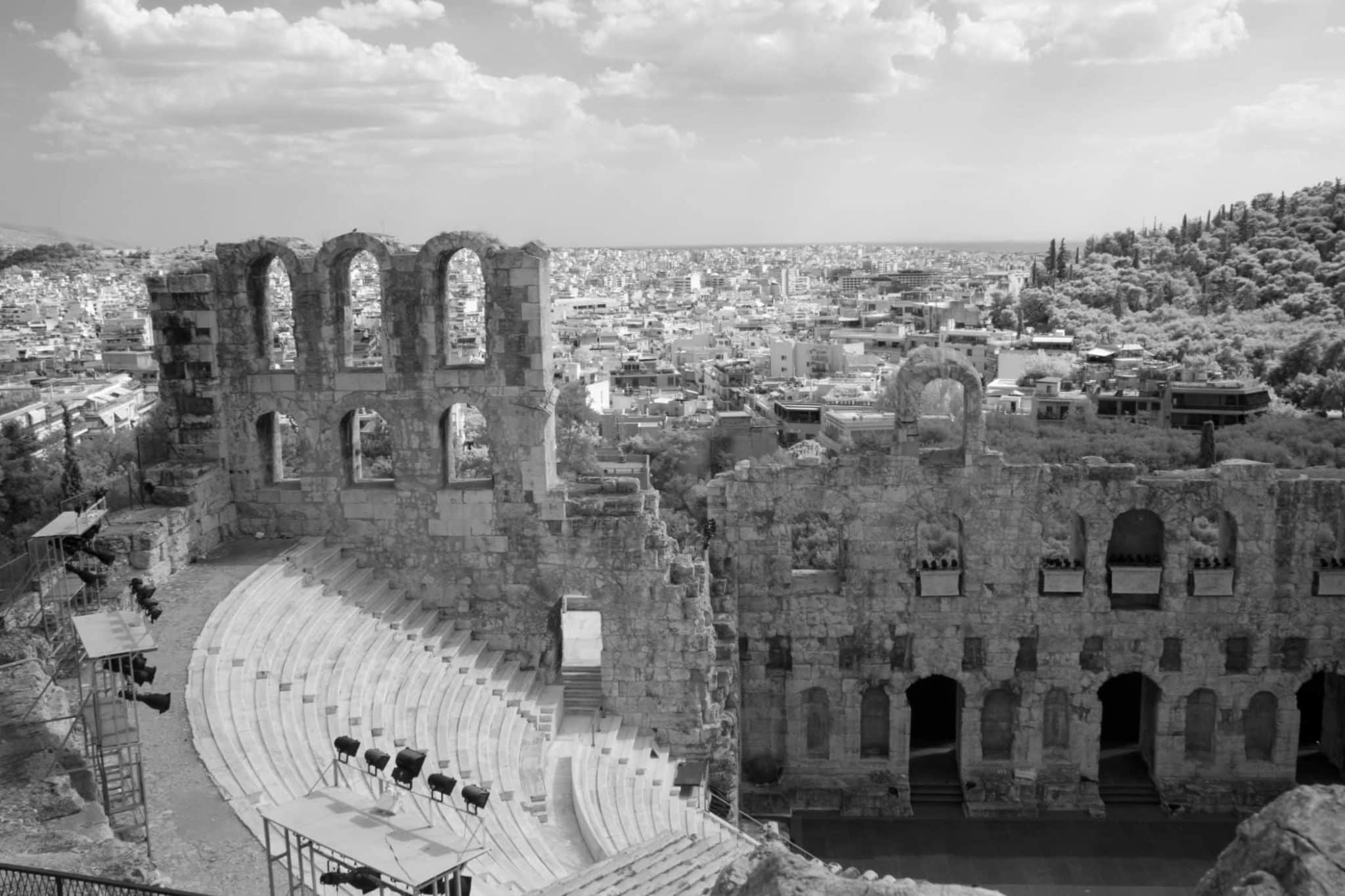
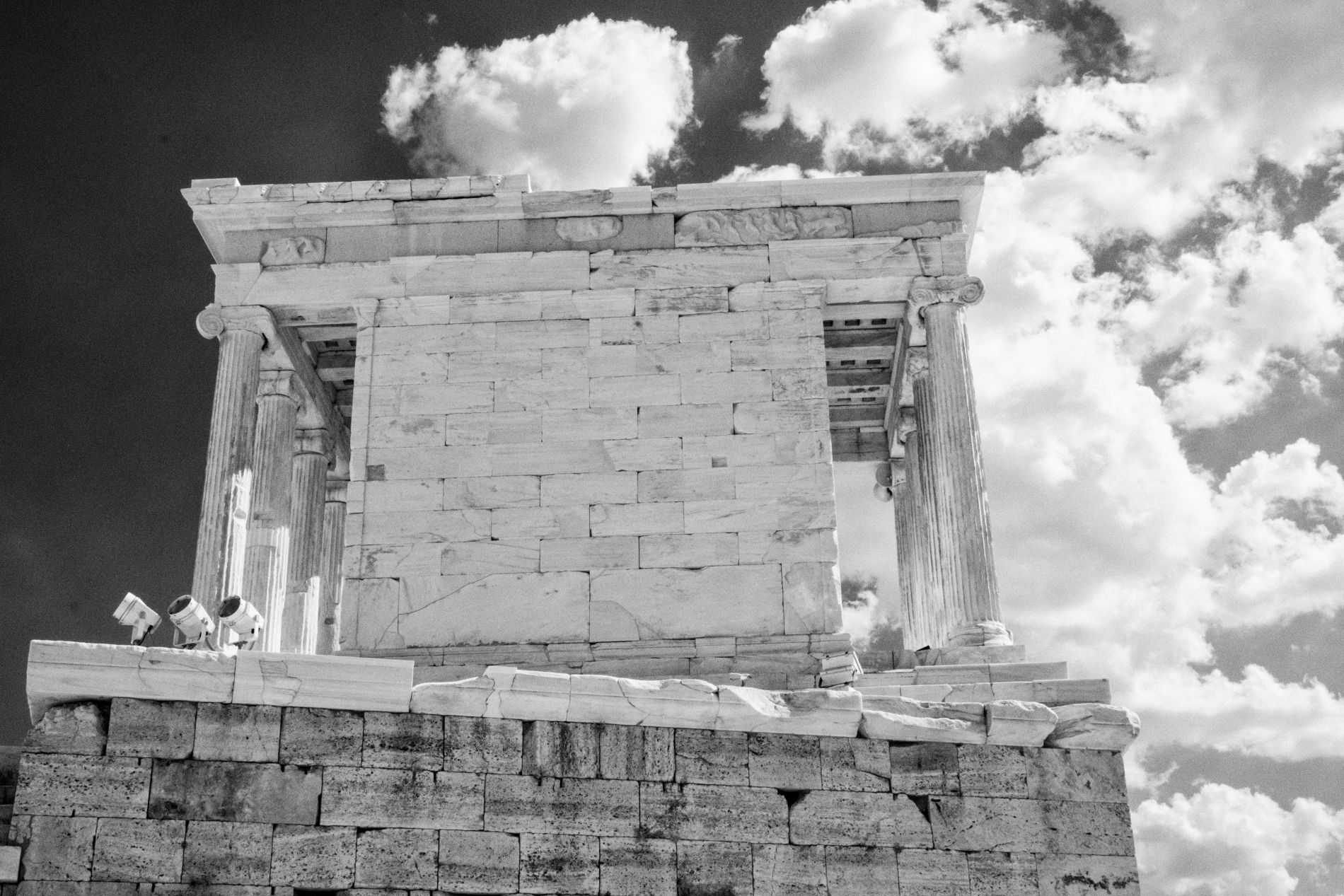
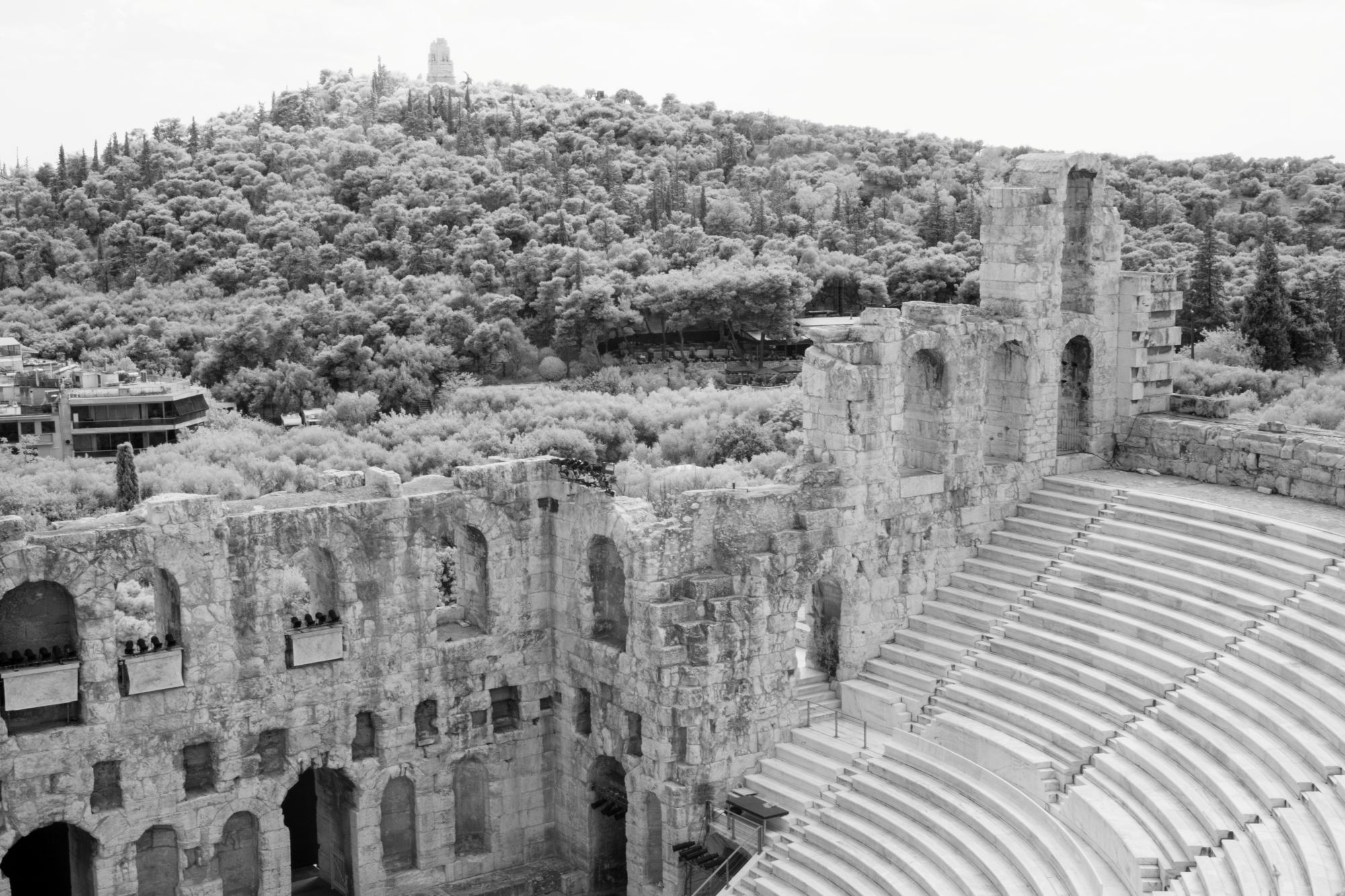
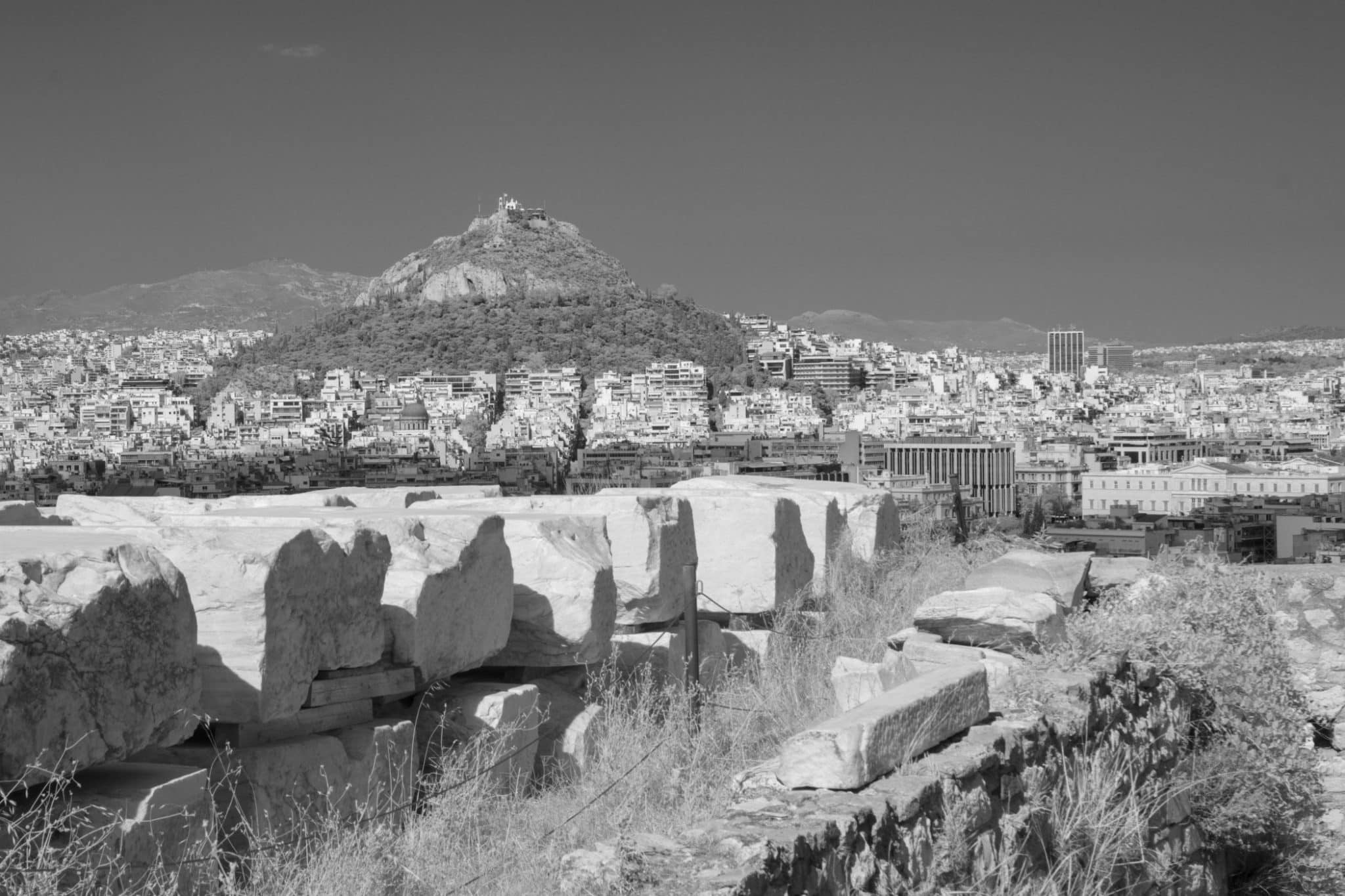
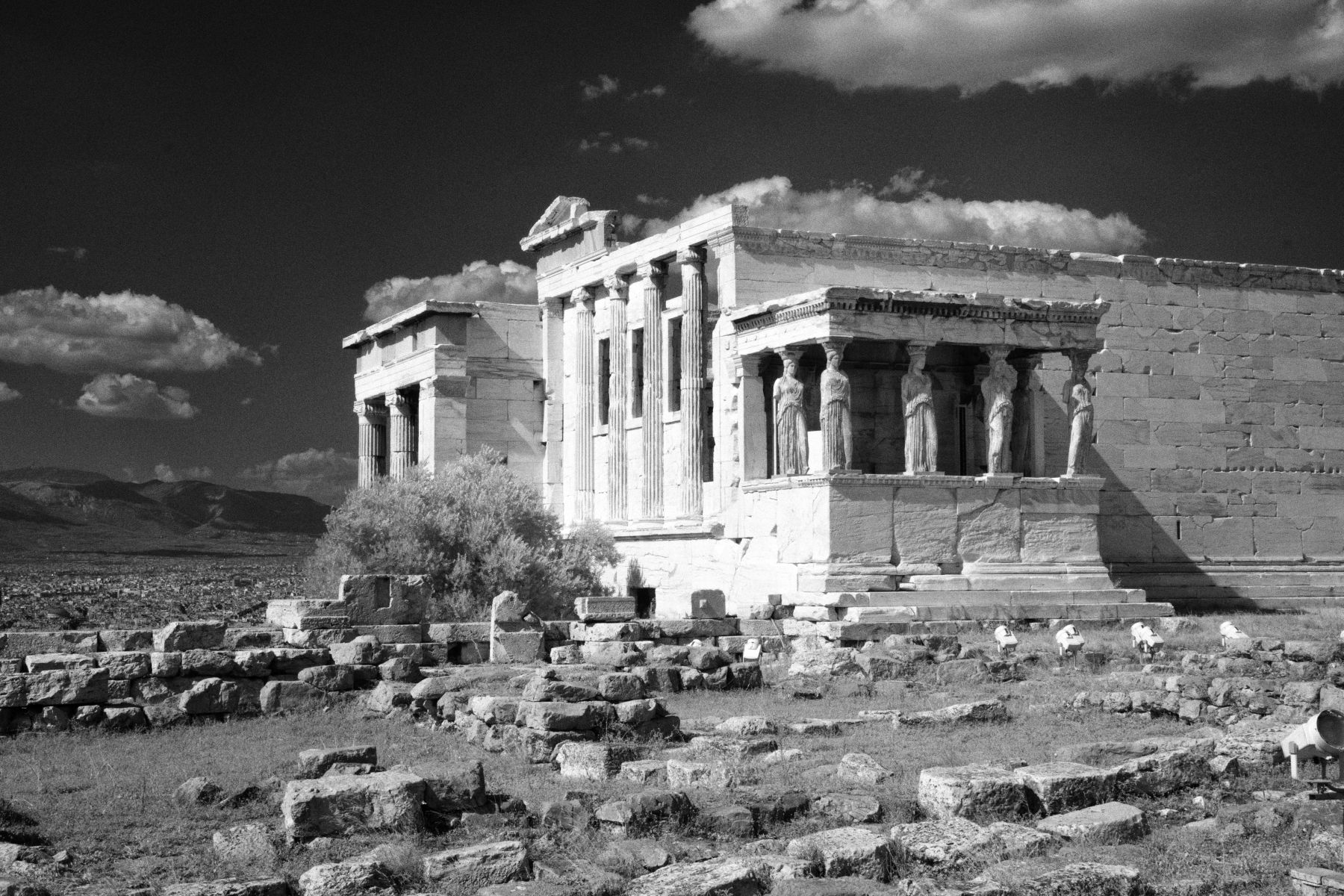
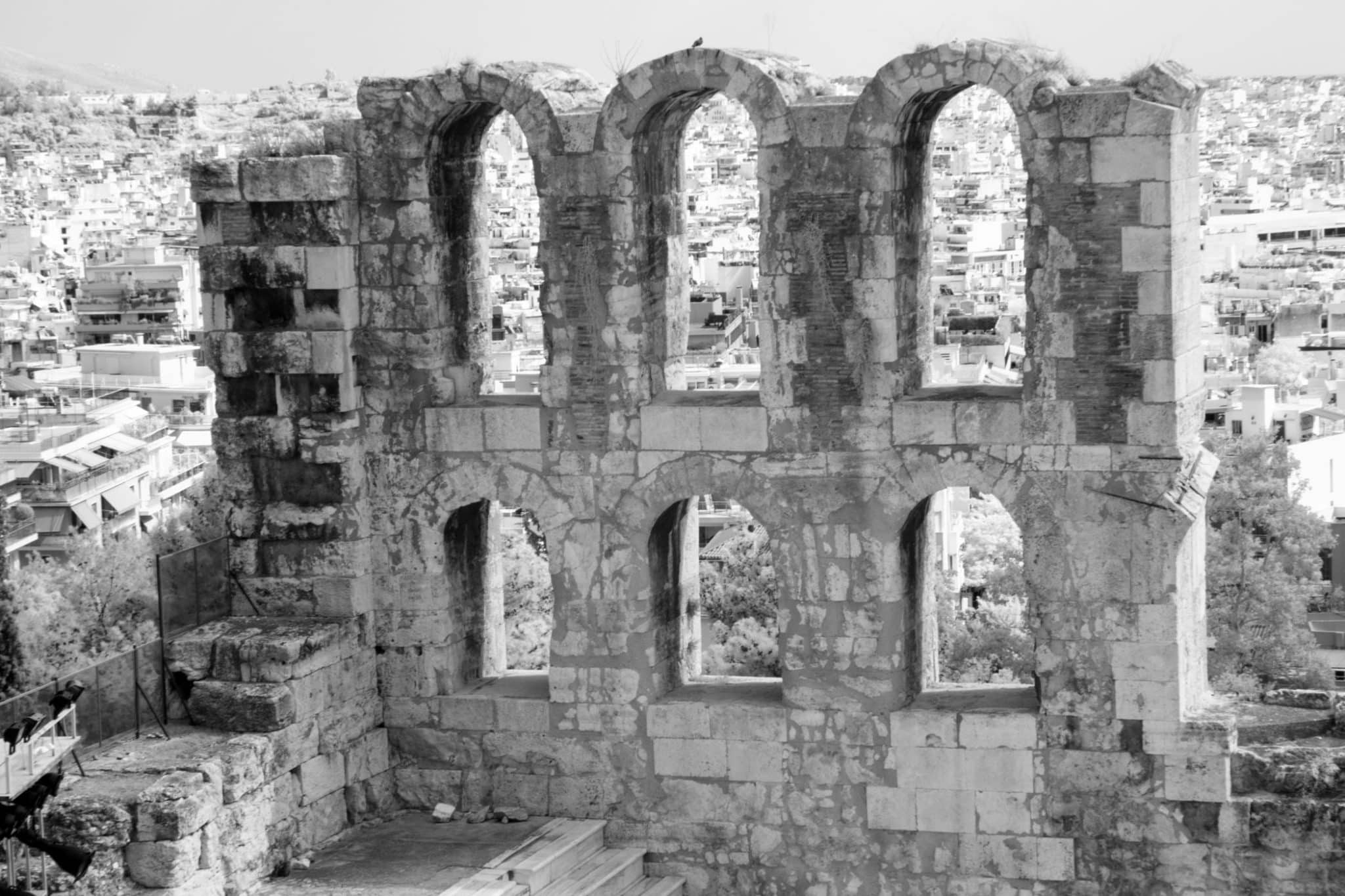
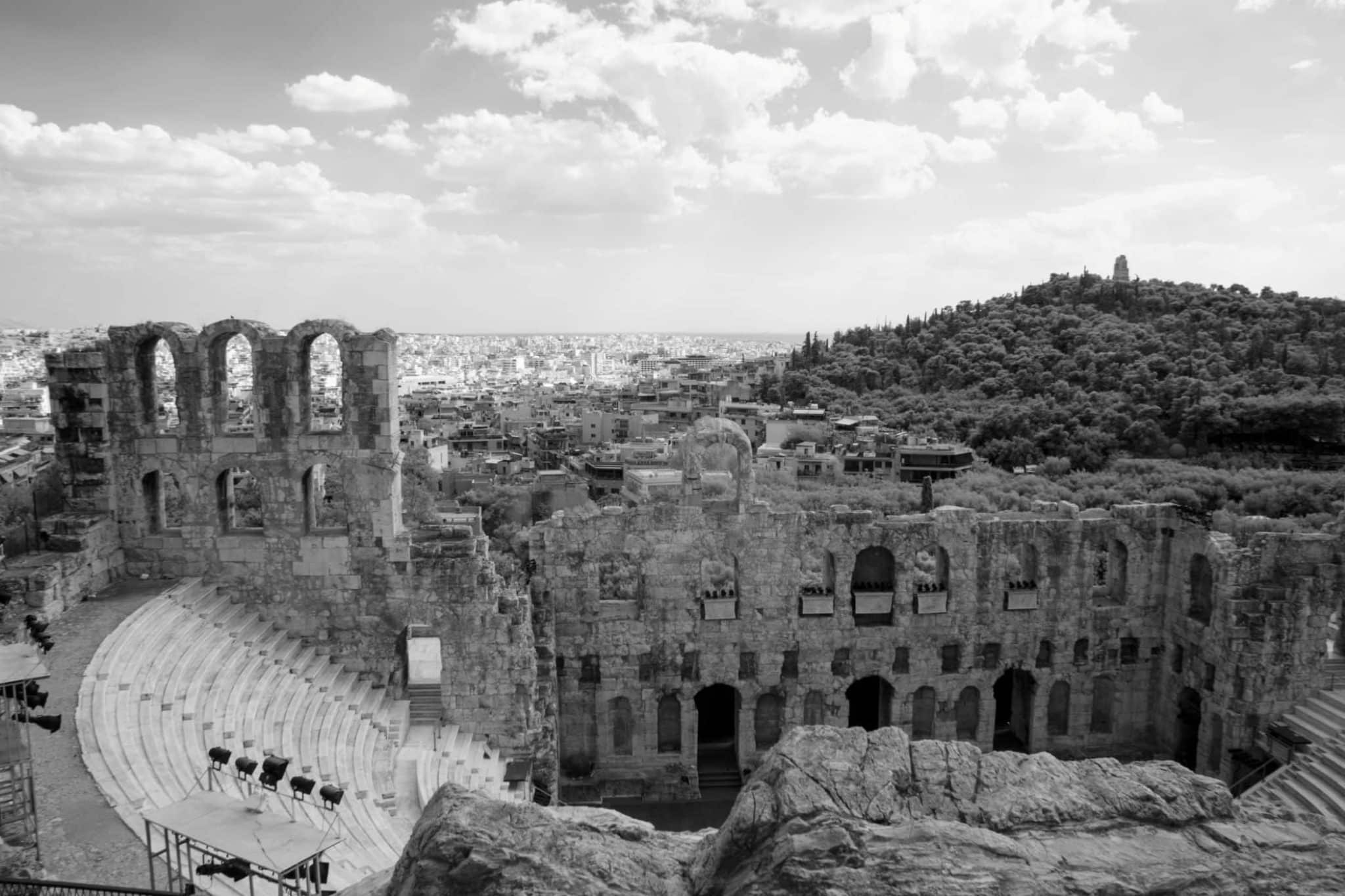
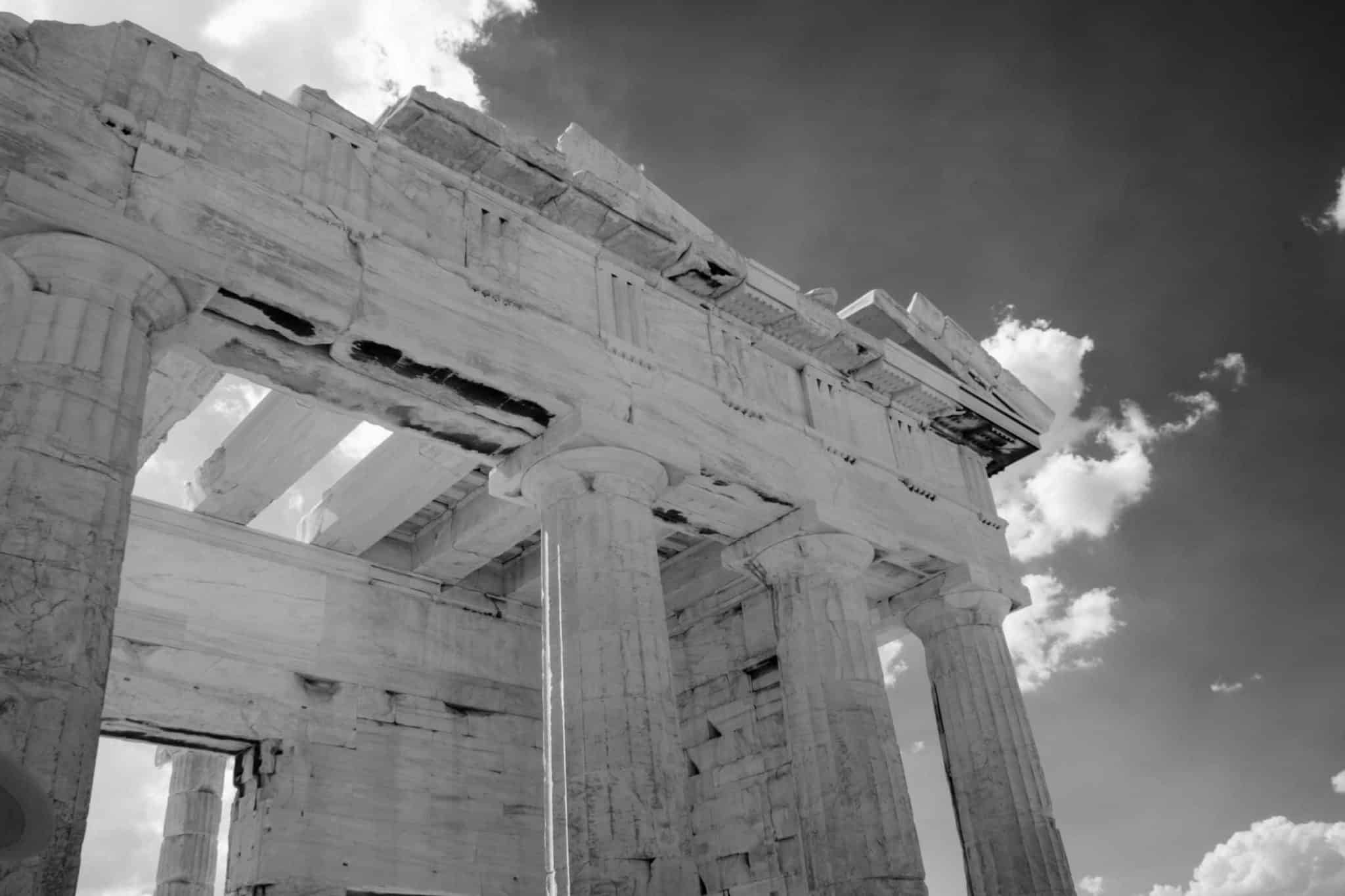


Description
Greece Fine Art Prints
by Jacqueline LaRocca

History of Greece
Early Civilizations
Greek history began with the Minoans on Crete around 3000 BCE. Soon afterward, the Mycenaeans rose on the mainland. They built palaces and controlled trade routes. Eventually, their power collapsed after 1200 BCE. Consequently, Greece entered the difficult Dark Age. During this period, populations shrank and skills declined. Nevertheless, local traditions survived in many communities.
Archaic Revival
By 800 BCE, Greek society revived. City‑states, or poleis, appeared across the region. Meanwhile, trade expanded and connected distant ports. As a result, new ideas spread quickly. Poets like Homer shaped shared identity.
Soon, Athens and Sparta gained influence. Consequently, political experiments and military reforms accelerated. Gradually, Greek culture grew more confident and outward‑looking.
Classical Brilliance
The Classical era began after the Persian Wars. Greek city‑states united briefly against Persia. After victory, Athens led a strong maritime league.
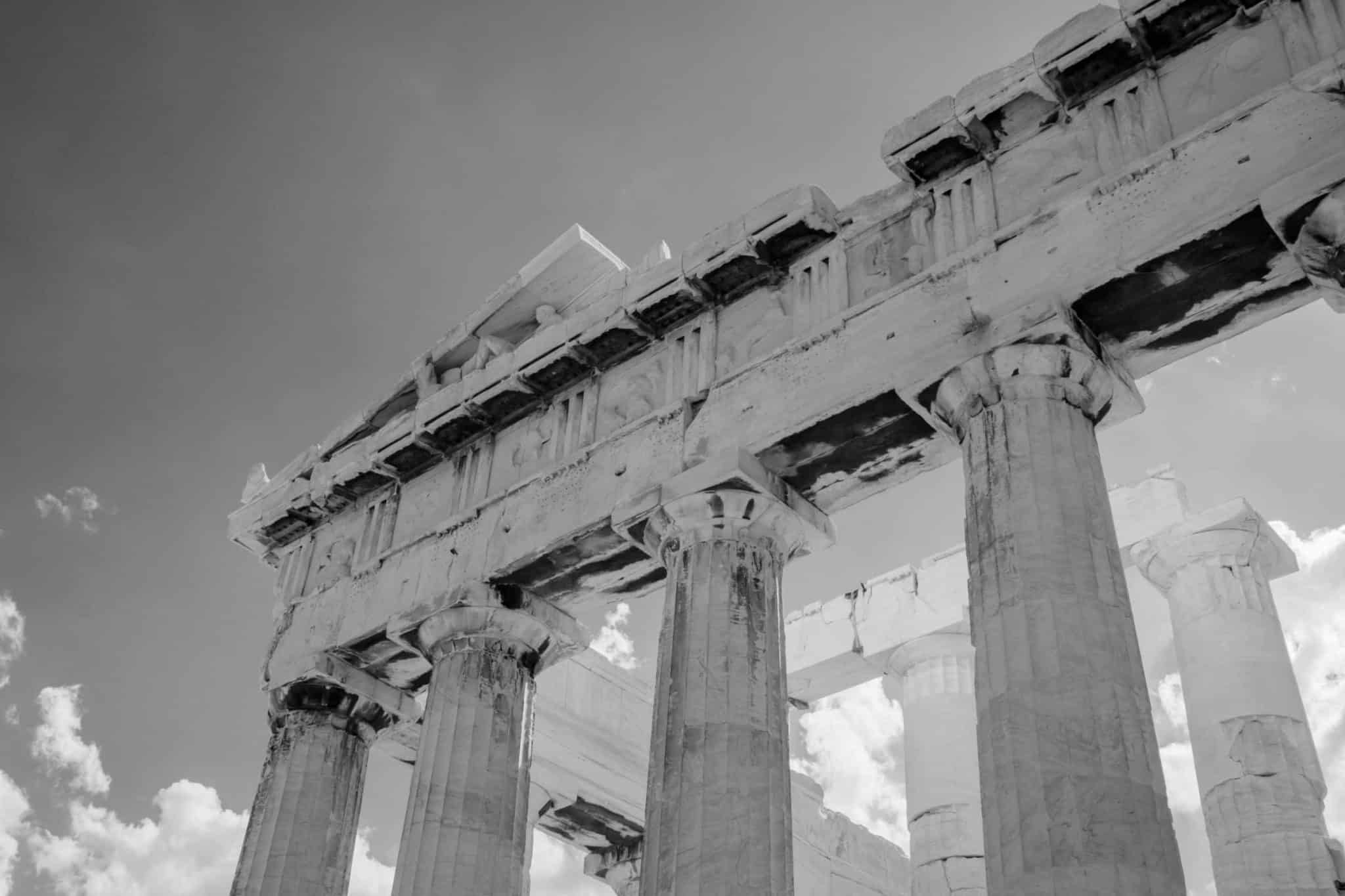
Consequently, wealth fueled art, drama, and philosophy. Pericles rebuilt the Acropolis and strengthened democracy. However, rivalry with Sparta increased. Eventually, the Peloponnesian War erupted. After long conflict, Sparta defeated Athens. Therefore, Greek unity weakened.Even so, Greek thinkers continued shaping Western ideas.
Macedonian Expansion
Soon, Macedon rose under Philip II. He unified Greece through diplomacy and force. Then Alexander the Great launched vast conquests. He spread Greek culture across Egypt, Persia, and India. As a result, the Hellenistic world blended traditions. New cities flourished with science, art, and trade. Consequently, Greek influence reached far beyond the Aegean.
Roman and Byzantine Eras
Rome conquered Greece in 146 BCE. Nevertheless, Roman leaders admired Greek learning. Greek teachers shaped Roman culture and education.
Later, the Byzantine Empire preserved Greek traditions. Christianity spread, and ancient temples changed roles.Meanwhile, invasions and internal struggles weakened the empire.
Ottoman Rule
Ottoman forces captured Greece in the 1400s. Consequently, Greek communities lost political autonomy. However, they preserved language, faith, and identity. Despite hardship, cultural life continued through trade and local leadership.
Modern Independence
A national uprising began in 1821. After years of fighting, Greece gained independence. Soon afterward, Athens became the capital. Throughout the 20th century, Greece faced wars and political shifts. Nevertheless, democratic institutions eventually stabilized.Later, Greece joined the European Union.
Greece Today
Today, Greece blends ancient heritage with modern energy. Consequently, the country remains a vital Mediterranean crossroads.
If you like Greece Fine Art Prints, you may also like

Reviews
There are no reviews yet.