





Description
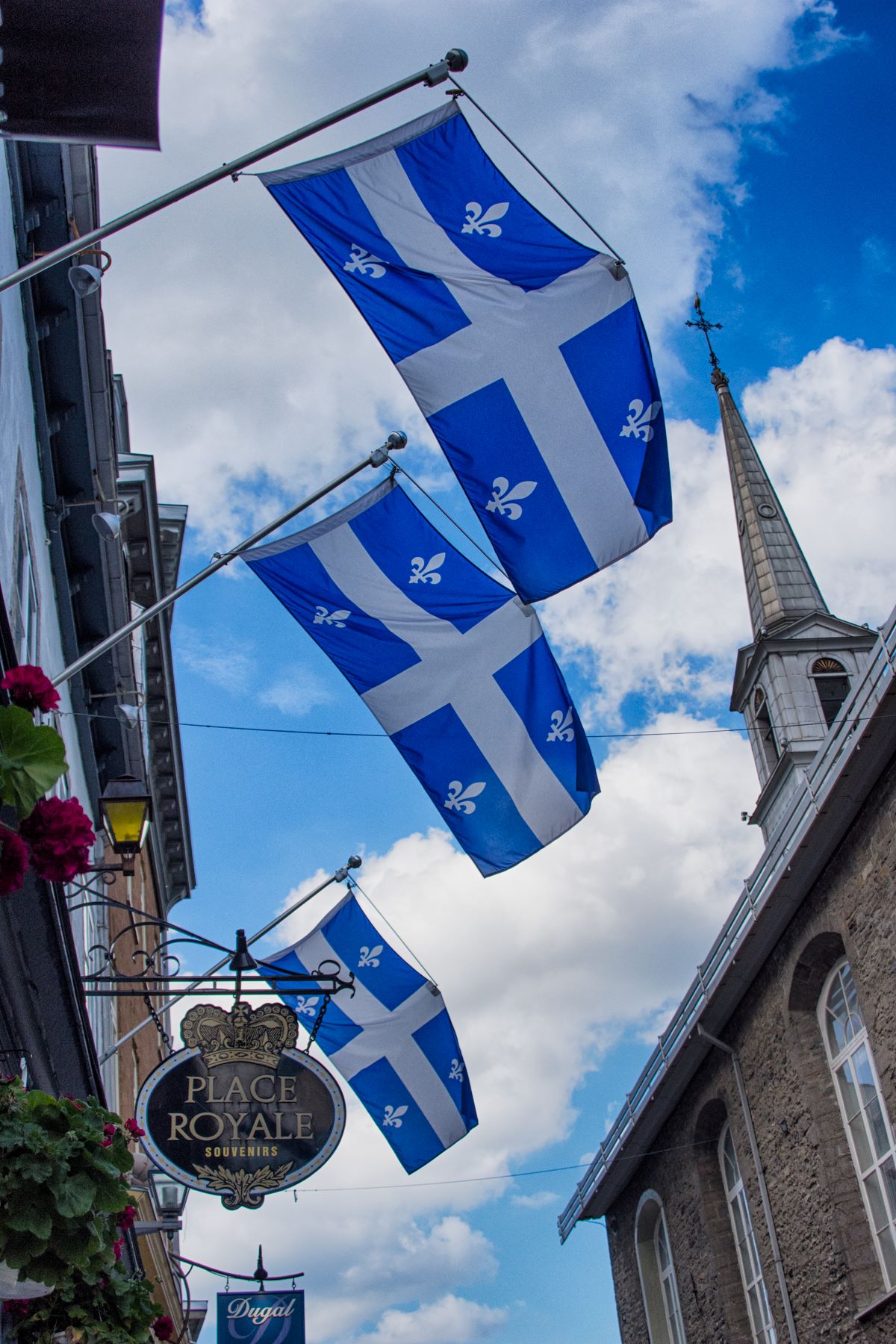
Quebec City Color Photography
by Jacqueline LaRocca

Founding and French Settlement (1608–1759)
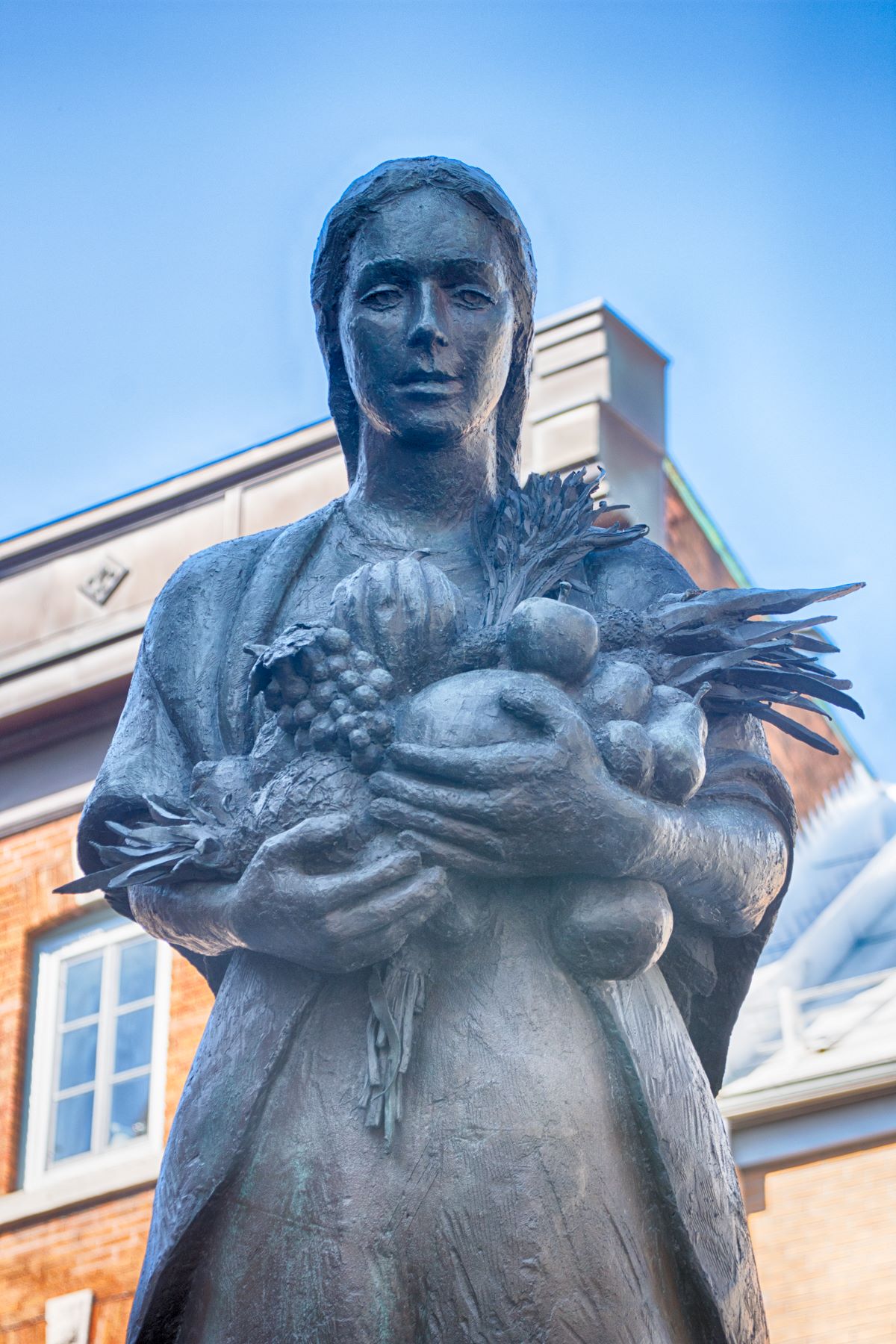
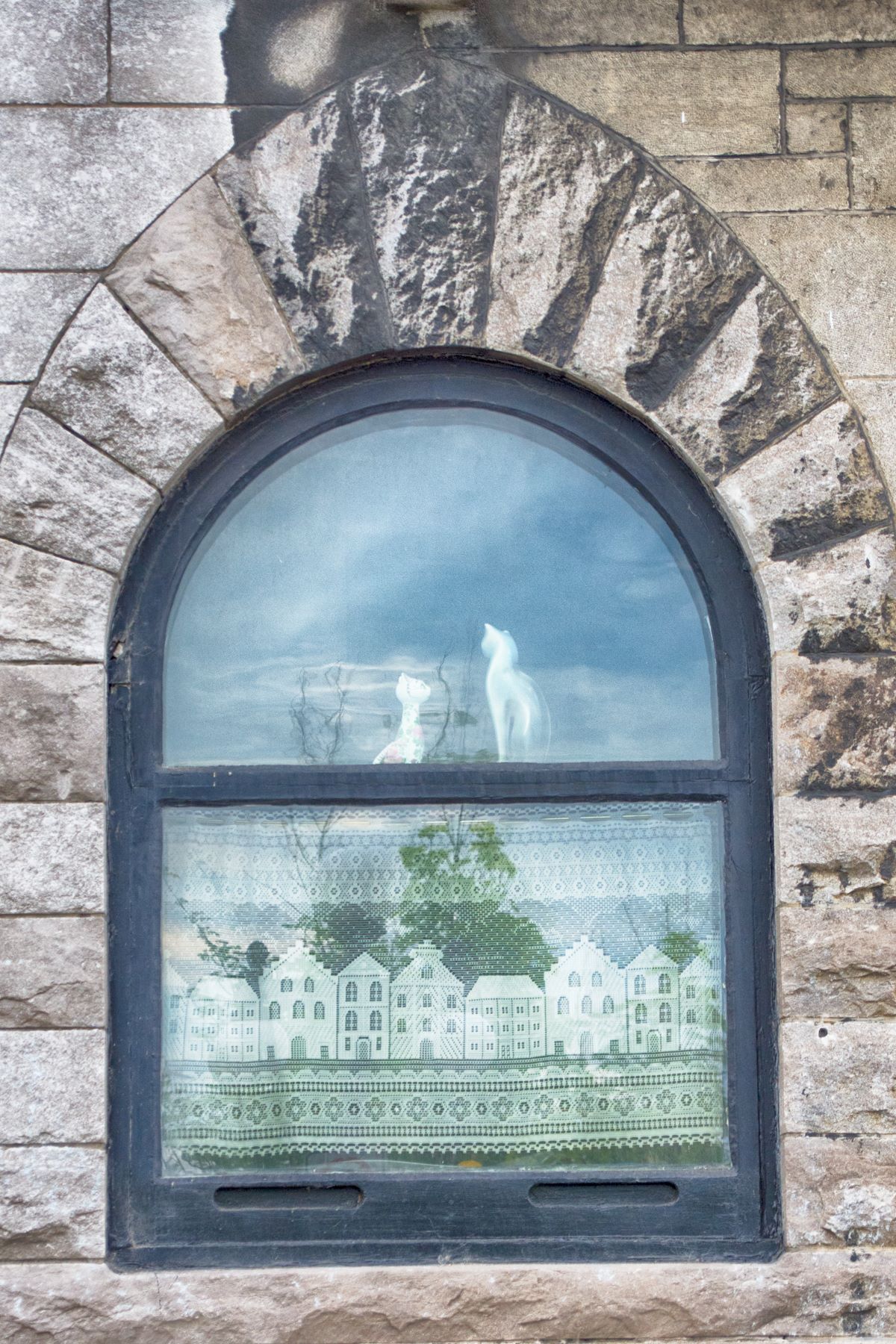
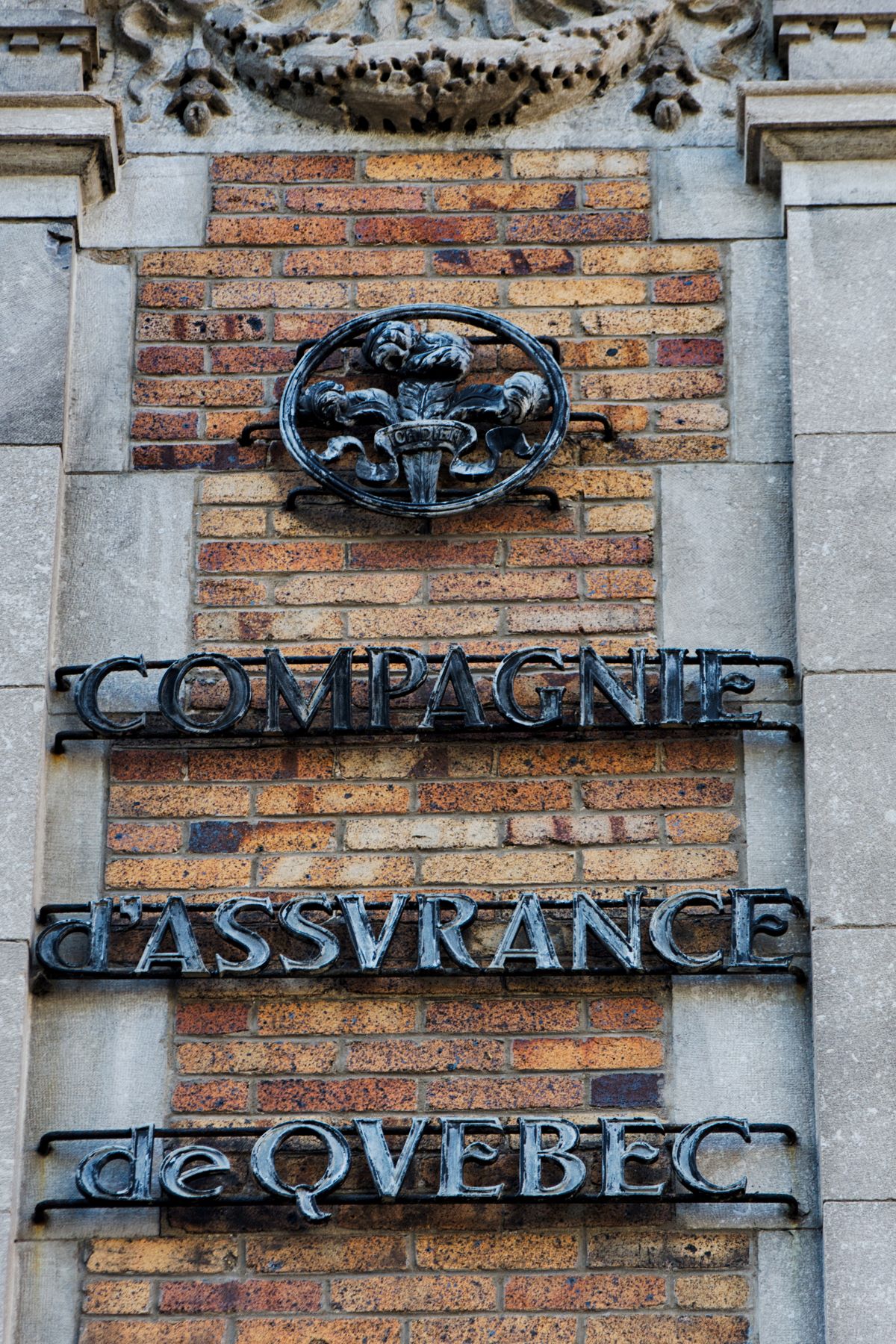
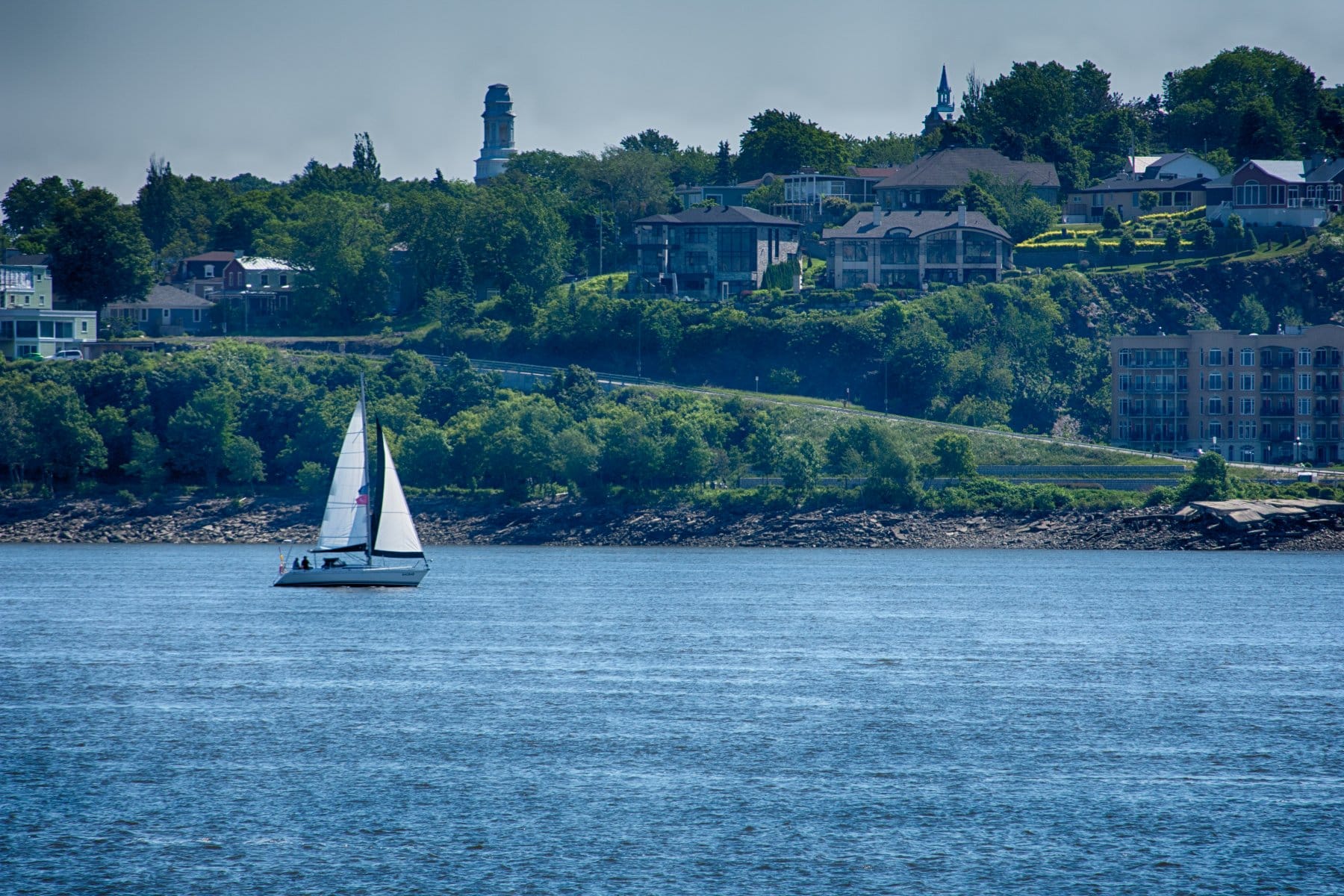
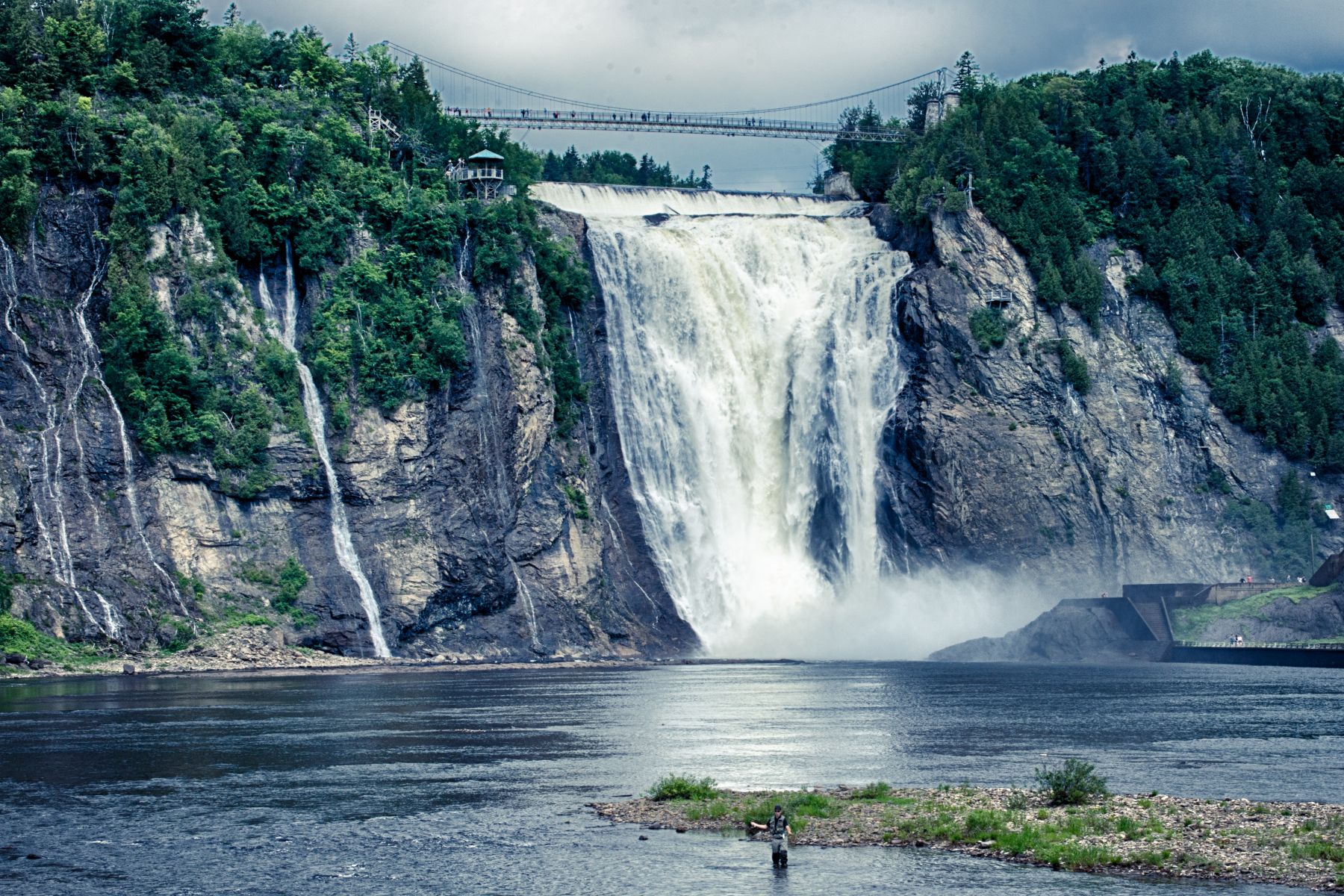
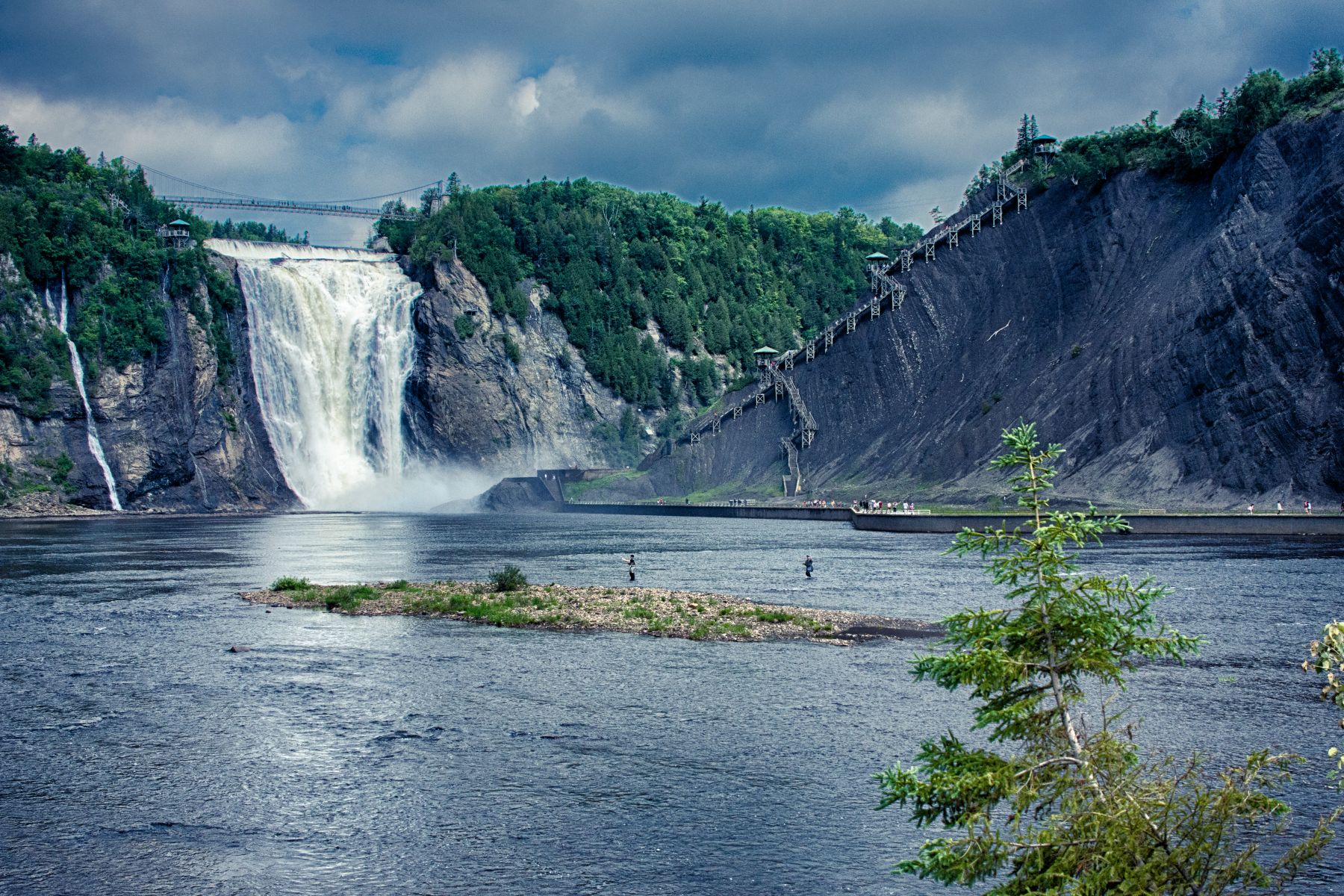
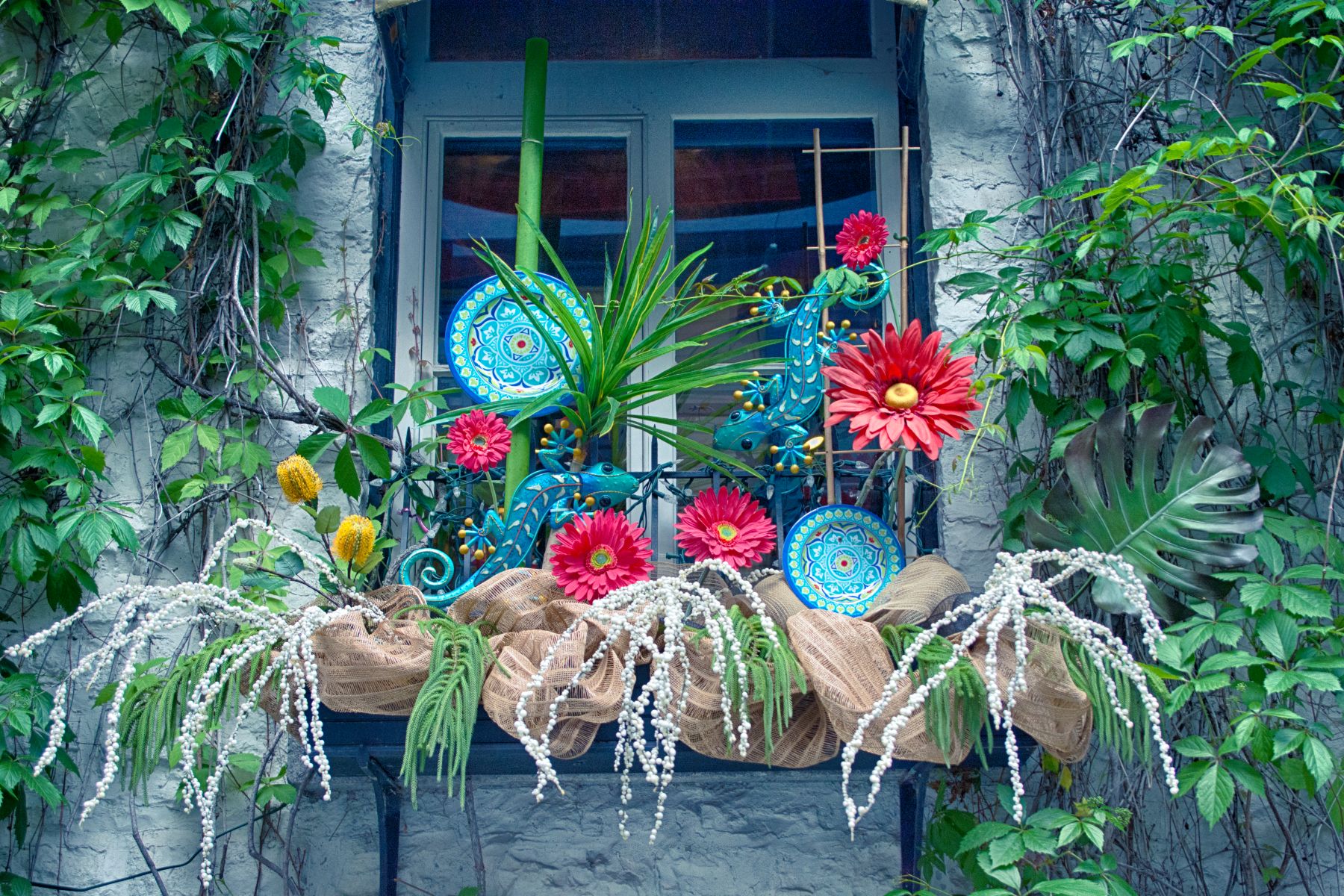
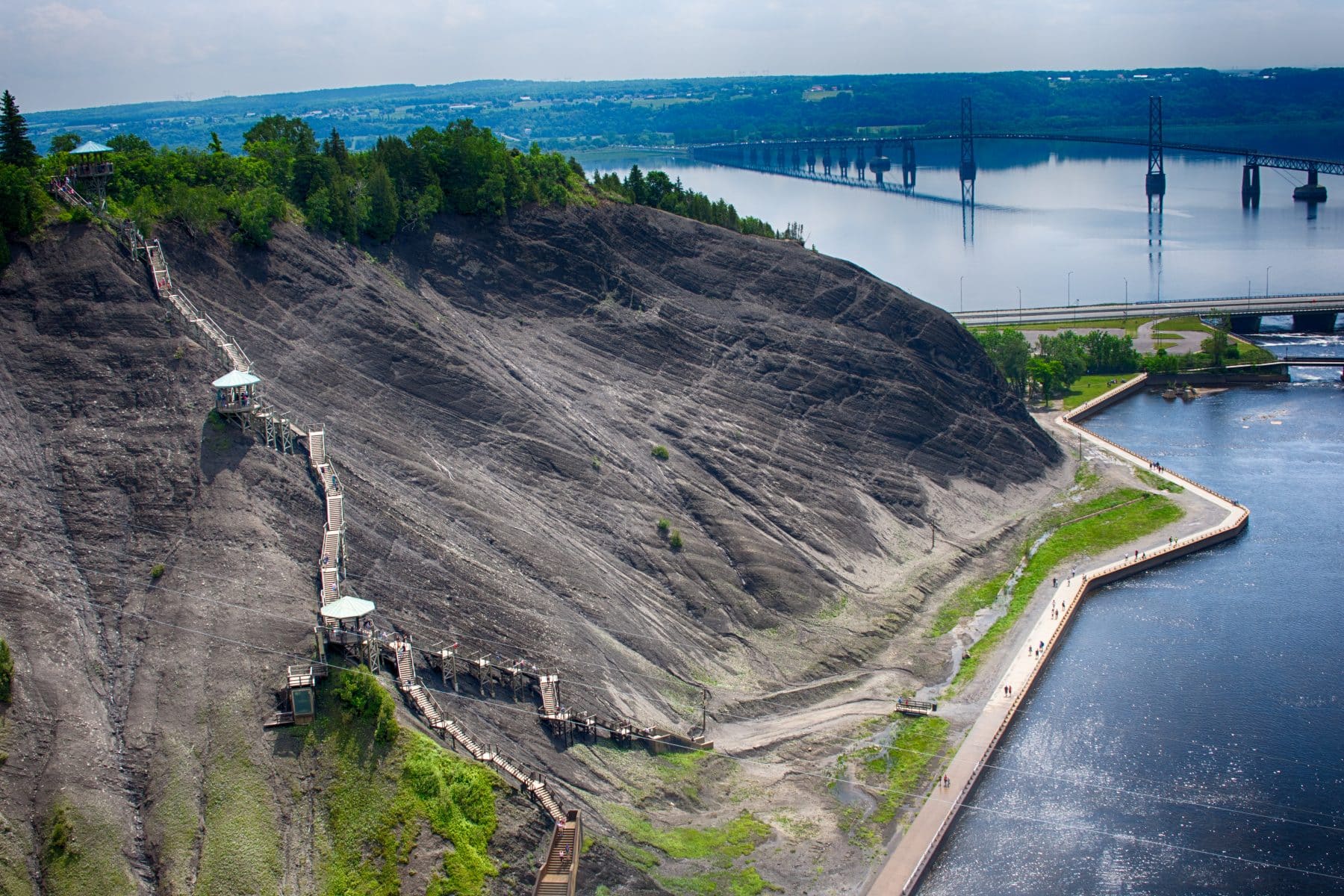
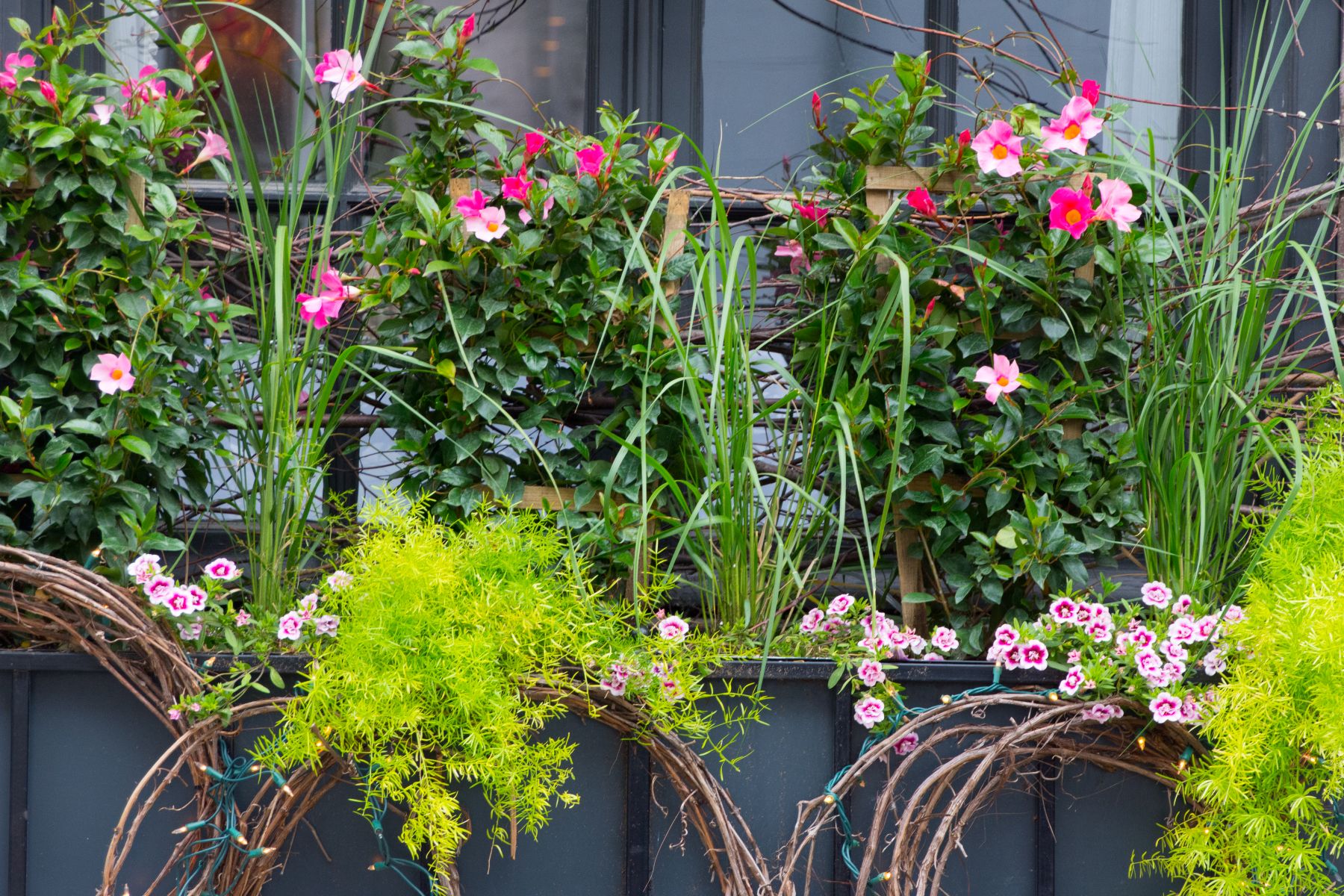
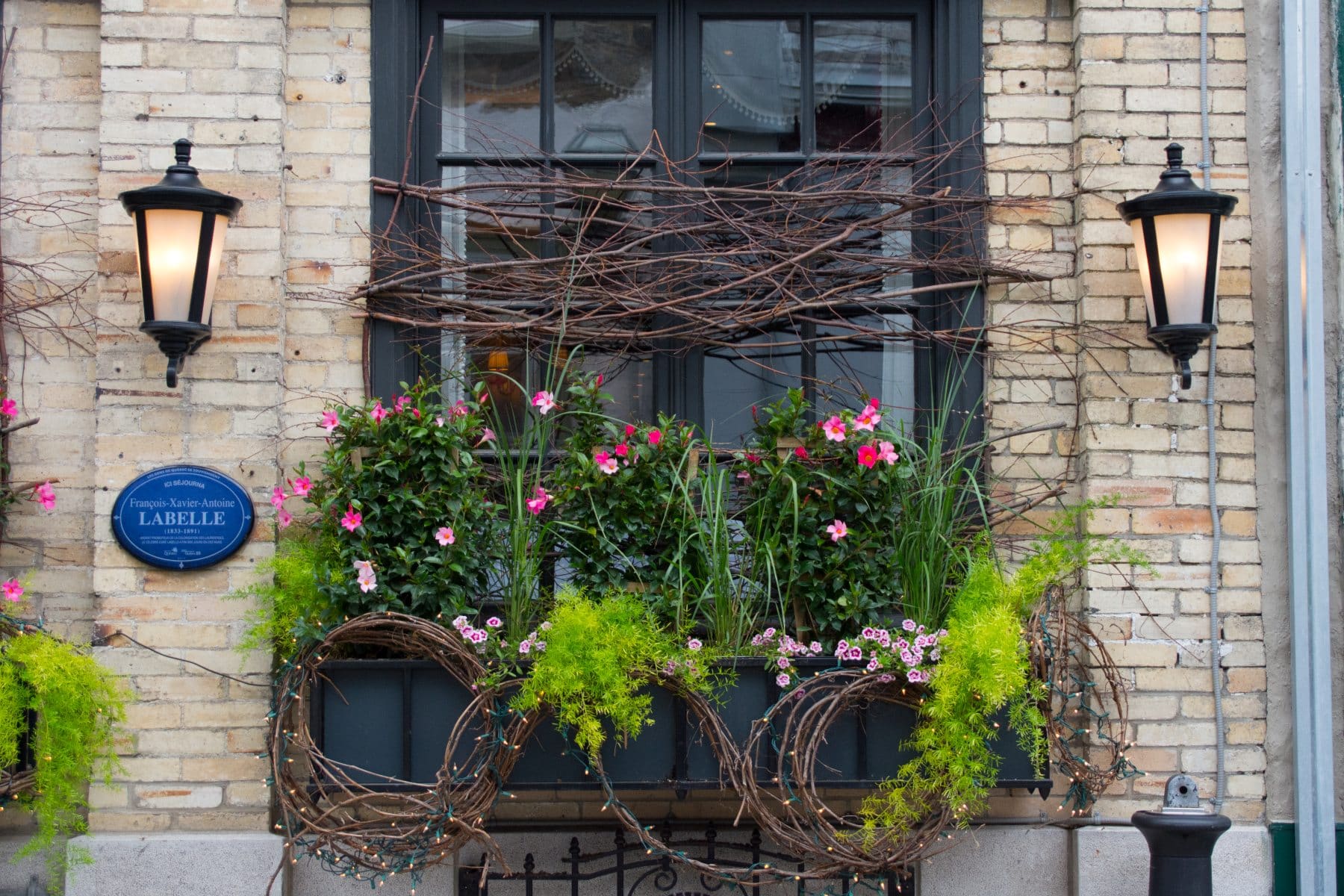
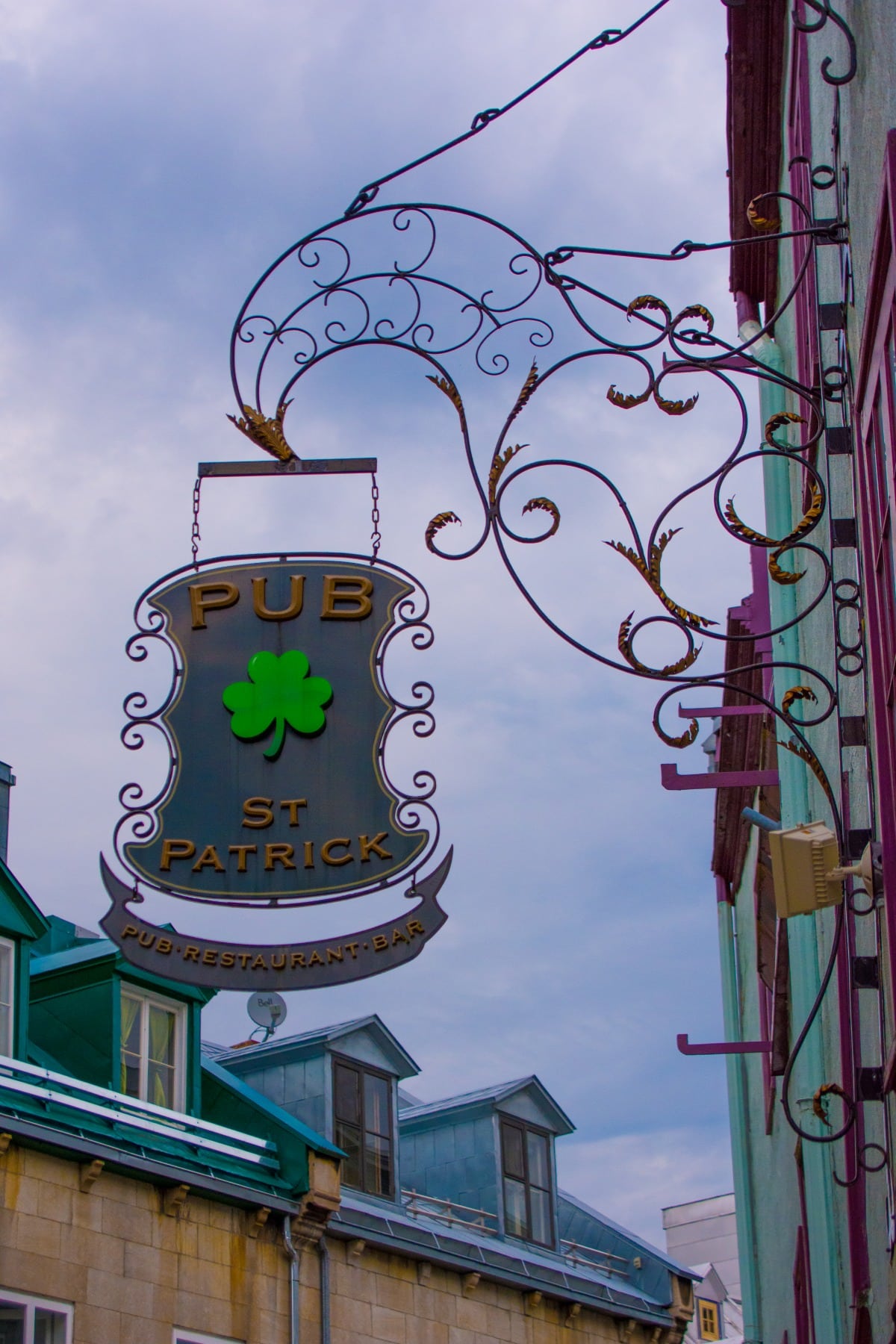
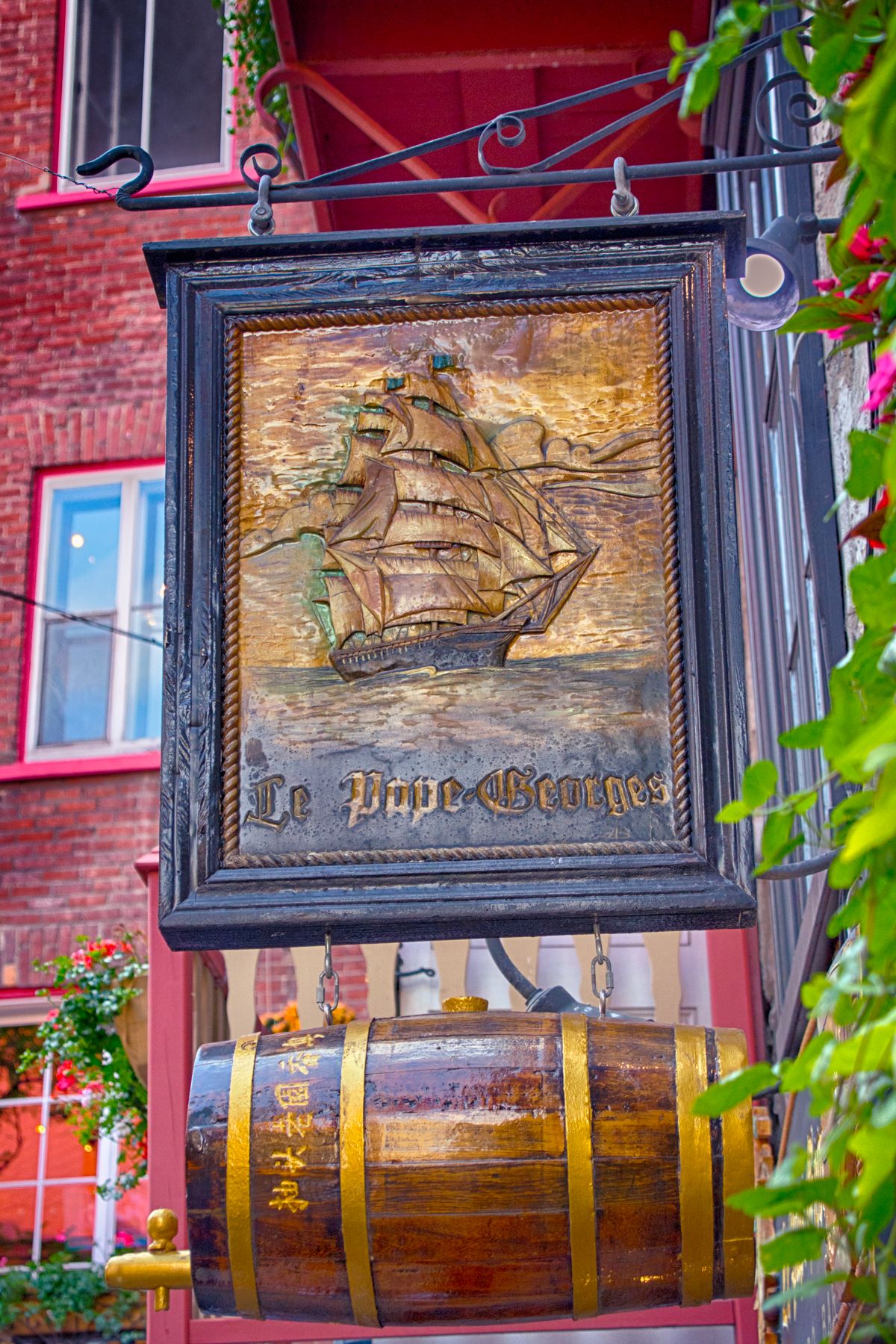
Quebec City offers a vibrant palette that makes it a perfect subject for color photography. Samuel de Champlain founded Quebec City in 1608 as a fur trading post. From the start, its location along the St. Lawrence River gave it strategic value for both trade and also defense. As settlers arrived, they constructed stone houses, churches, and protective walls.
Meanwhile, Jesuit missionaries established schools and religious institutions. Gradually, Quebec City evolved into New France’s administrative center. By the mid-18th century, it had become a vibrant colonial stronghold.
British Conquest and Colonial Transition (1759–1867)
Then came the pivotal Battle of the Plains of Abraham in 1759. British forces under General Wolfe defeated the French and seized the city. From that point forward, Quebec fell under British control. Nevertheless, French language and traditions remained strong.
The 1791 Constitutional Act subsequently created Lower Canada, with Quebec City as its capital. Over time, economic expansion—driven by timber exports and shipping—strengthened the city’s importance. Still, cultural tensions between French and English communities grew steadily.
Confederation and Urban Development (1867–1945)
When Canadian Confederation took shape in 1867, Quebec became one of its founding provinces. Quebec City remained its political capital. At the same time, the city modernized rapidly. It expanded roads, improved railways, and upgraded its port.
Meanwhile, public institutions in education and health continued to grow. During World War II, the city hosted two major Allied conferences. These historic meetings, attended by Churchill and Roosevelt, highlighted Quebec’s global relevance.
Cultural Revival and Preservation (1945–Present)
Following the war, a strong cultural revival emerged. The Quiet Revolution of the 1960s accelerated reforms in language rights and secular education. In parallel, historic preservation gained momentum. As a result, UNESCO designated Old Quebec a World Heritage Site in 1985. Since then, tourism and civic pride have flourished.
Through festivals, museums, and architecture, the city continues to celebrate its layered identity. French and British influences remain woven into the urban landscape.
Legacy and Global Significance
To this day, Quebec City stands as one of North America’s oldest and most storied cities. It embodies centuries of colonial rivalry, cultural resilience, and also national pride. With every cobblestone and turreted wall, the city reminds visitors of its enduring spirit.
Ultimately, Quebec’s fusion of old and new continues to inspire awe around the globe.
If you like Quebec Fine Art Color Photography, you may also like
Reviews
There are no reviews yet.