

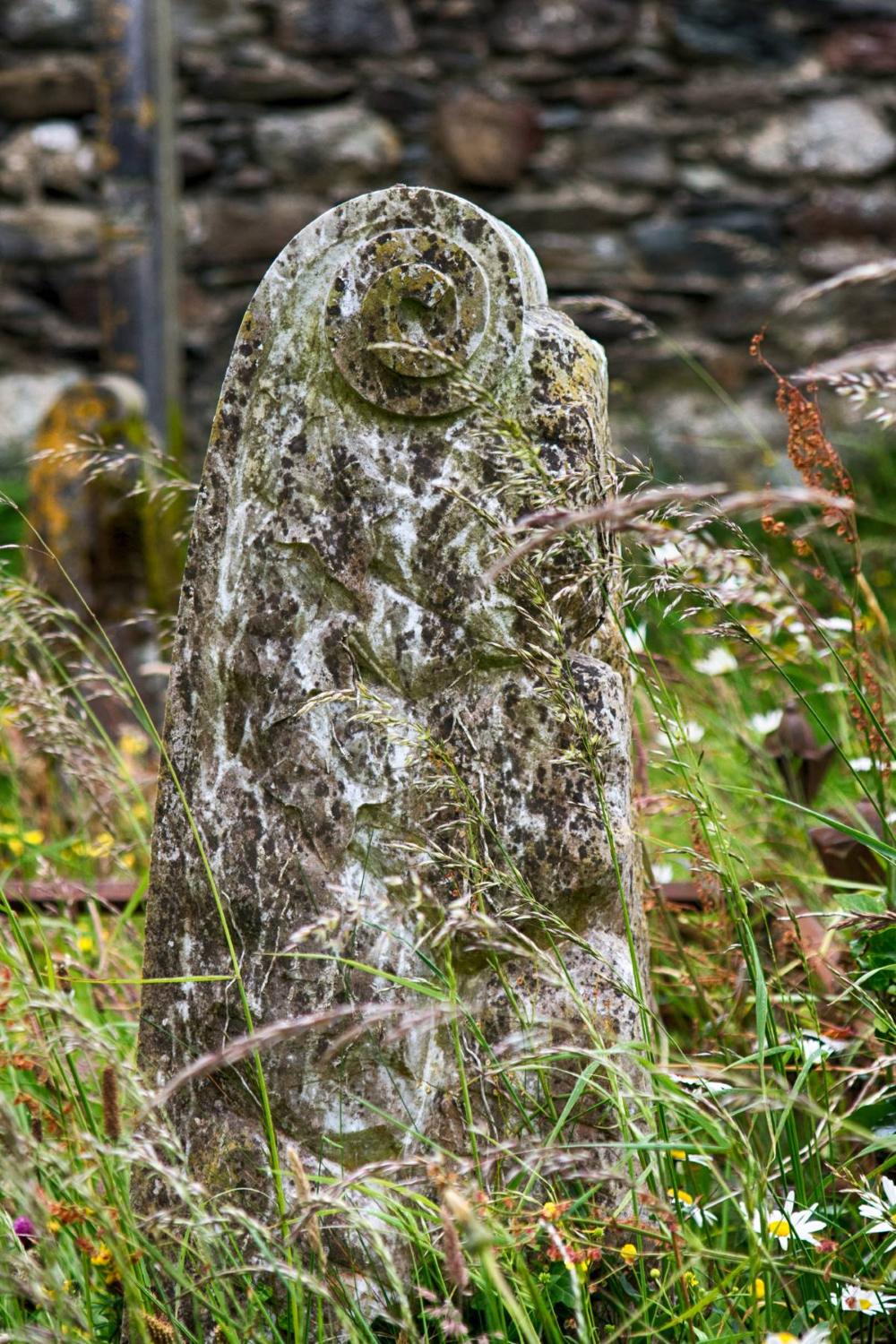
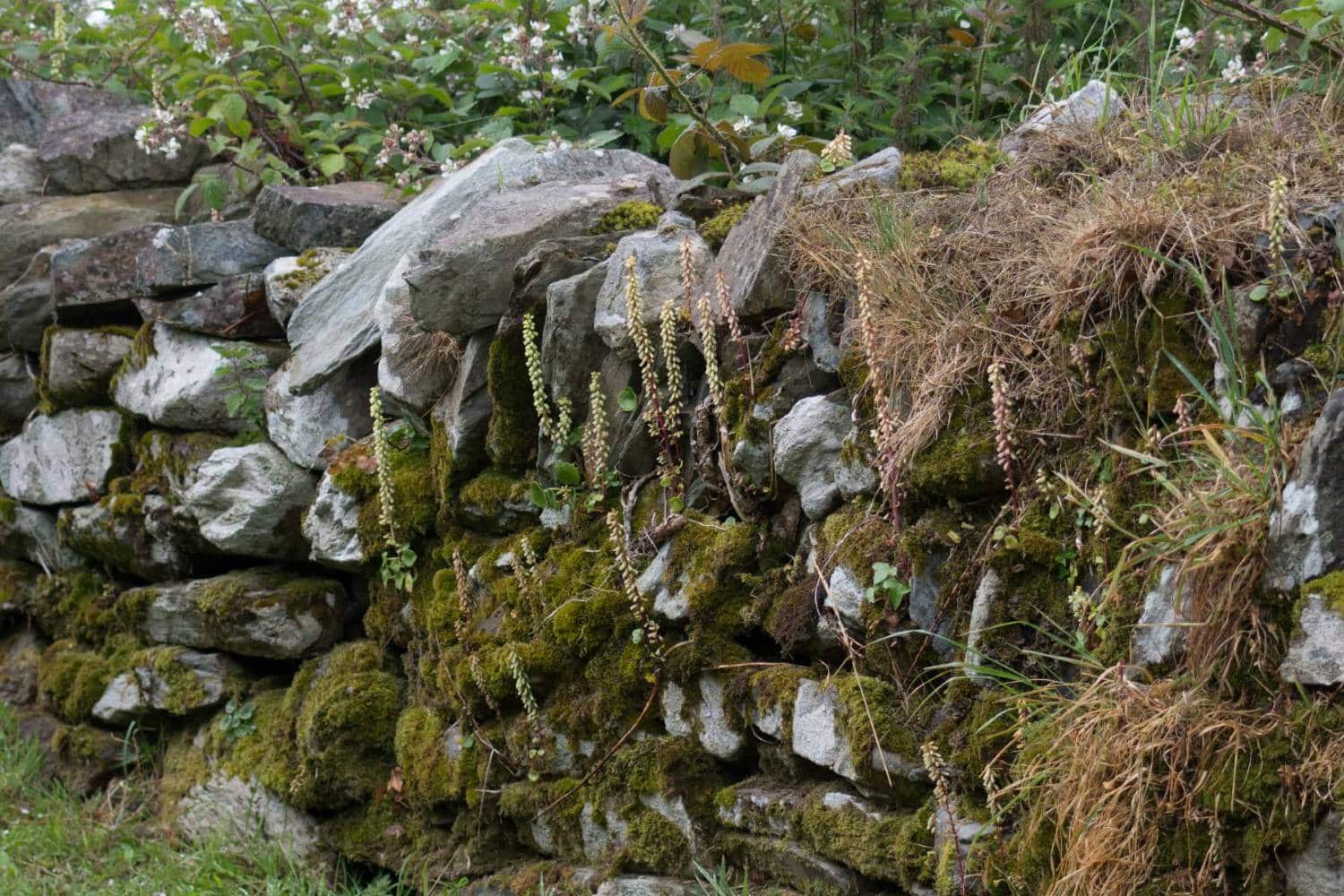
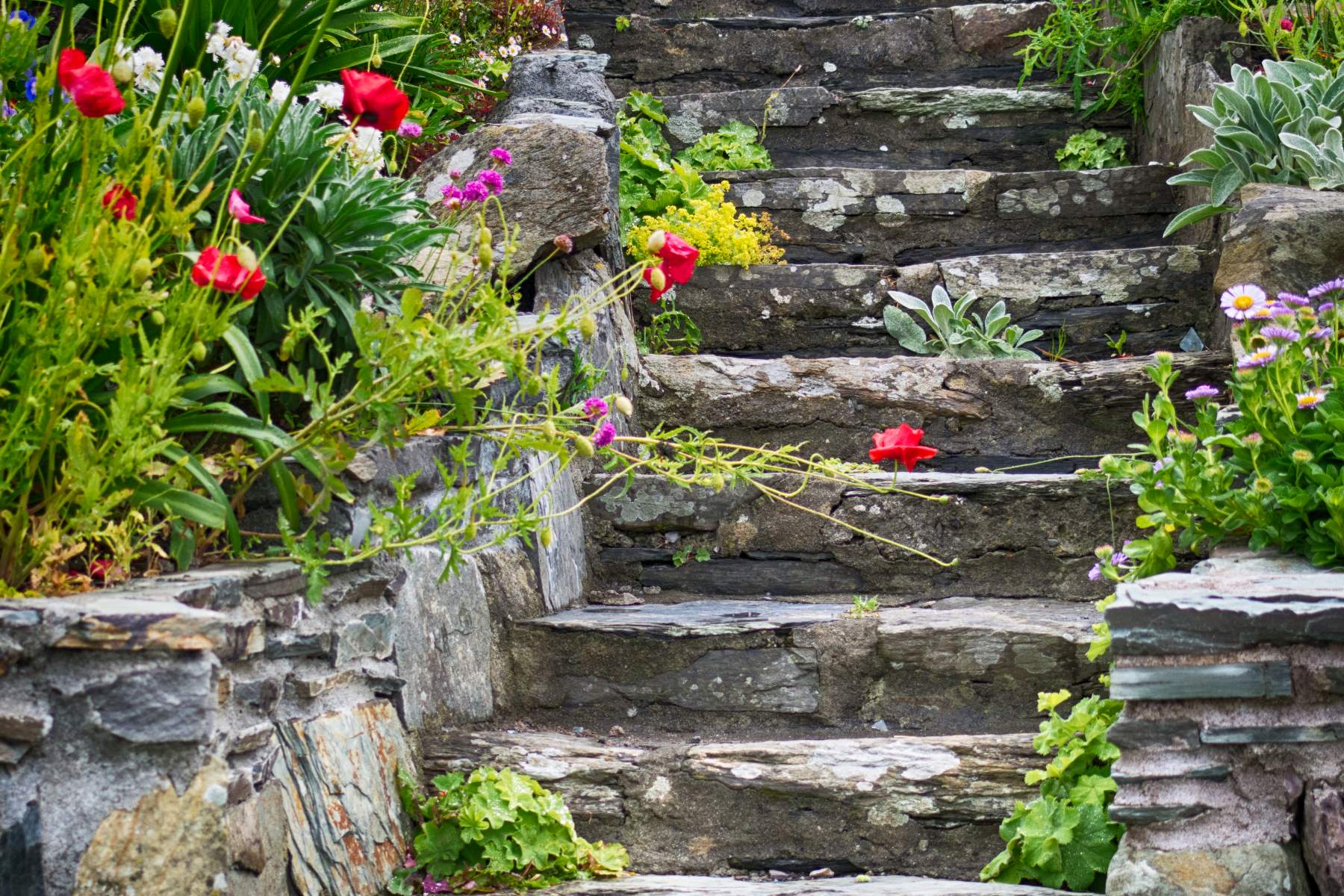

Description
County Cork Color Photography
by Jacqueline LaRocca


Prehistoric Foundations
Long before written records, people lived in Cork. Over 9,000 years ago, hunter-gatherers settled along rivers and forests. Eventually, they built megalithic tombs and stone circles. These ancient monuments still grace the landscape today.
Rise of Celtic Peoples
As the Bronze Age gave way to the Iron Age, Celtic peoples took root. They constructed ringforts and forged social networks. Meanwhile, oral traditions passed down myths, genealogies, and laws. Celtic culture thrived across the region.
Spread of Christianity
By the 5th century, Christianity began to spread. Soon after, Saint Finbarr founded a monastery at Cork. Monastic settlements grew rapidly. Consequently, they fostered education, trade, and spiritual life throughout the region.
Viking Raids and Settlements
Then came the 9th century—and with it, Viking raids. Norsemen attacked coastal sites but gradually established trade hubs. Cork emerged as one such center. Despite conflict, Norse influence enriched local trade and urbanization.
Norman Conquest and Expansion
In the 12th century, Norman knights invaded Ireland. Following their arrival, stone castles and walled towns appeared across Cork. Native Irish rulers resisted; however, Norman governance slowly reshaped feudal power and landownership.
Tudor Rule and Rebellions
Under the Tudors, English control intensified. Protestant settlers arrived, seizing lands from Gaelic chieftains. Although resistance flared, especially during the Desmond Rebellions, English dominance grew firmer. As a result, Cork’s politics aligned increasingly with the Crown.
Penal Laws and Cultural Decline
After Cromwell’s brutal campaigns, harsh Penal Laws followed. These restricted Catholic rights and crushed Irish autonomy. Still, rural Cork preserved Irish customs, language, and folklore—quietly resisting cultural erasure.
The Great Famine
In the 1840s, disaster struck. Potato crops failed, and famine swept the countryside. Starvation, disease, and eviction ravaged Cork’s towns and farmlands. Consequently, over 200,000 emigrated, many sailing to America. Entire villages disappeared. Even today, the loss echoes through Cork’s collective memory.
Revolutionary Spirit
By the early 1900s, rebellion stirred again. Cork became a hub for the Irish Republican Army during the War of Independence. In 1920, British troops burned part of Cork City in retaliation—a move that backfired by fueling national resistance. Although the Civil War divided loyalties, the region ultimately embraced independence.
Contemporary Cork
Today, County Cork stands proud as Ireland’s largest county. It seamlessly blends tradition with modern innovation. The city champions tech, education, and culture. Meanwhile, coastal villages and rolling farmland preserve deep heritage. Tourists flock to its festivals, scenic drives, and ancient ruins. Thus, Cork continues to evolve—always rooted in resilience, history, and pride.
If you like County Cork Fine Art Color Photography, you may also like


Reviews
There are no reviews yet.