Kylemore Abbey
Kylemore Abbey
by Jacqueline LaRocca


A Romantic Beginning
In 1867, Mitchell Henry built Kylemore Abbey in Connemara, Ireland. He dedicated it to his wife, Margaret Vaughan. After purchasing the land during their honeymoon, he soon envisioned a grand estate nestled in the wild landscape. Consequently, he began transforming the remote terrain into a lasting tribute to love and devotion.
Building the Dream
To begin construction, workers cleared rugged land and laid strong foundations. Gradually, the neo-Gothic castle emerged. Furthermore, the castle featured seventy rooms, including a ballroom, library, and drawing room with elegant Italian decor. In addition, the estate included gardens, woodlands, and lakes, enhancing its romantic atmosphere.
Tragedy and Transformation
Unfortunately, Margaret died suddenly in 1875. In response, Mitchell built a memorial church near the Abbey. As a result of his grief, he eventually left Kylemore. Nevertheless, the estate remained a symbol of enduring love. Over time, the property changed hands but retained its emotional and architectural significance.
A Spiritual Chapter
In 1920, Benedictine nuns fleeing war in Belgium arrived at Kylemore and purchased the estate. Soon after, they restored the Abbey and preserved its spiritual essence. Meanwhile, they opened a boarding school and welcomed visitors seeking peace and reflection. Additionally, they maintained the gardens and chapel, enriching the site’s cultural value.
Legacy and Preservation
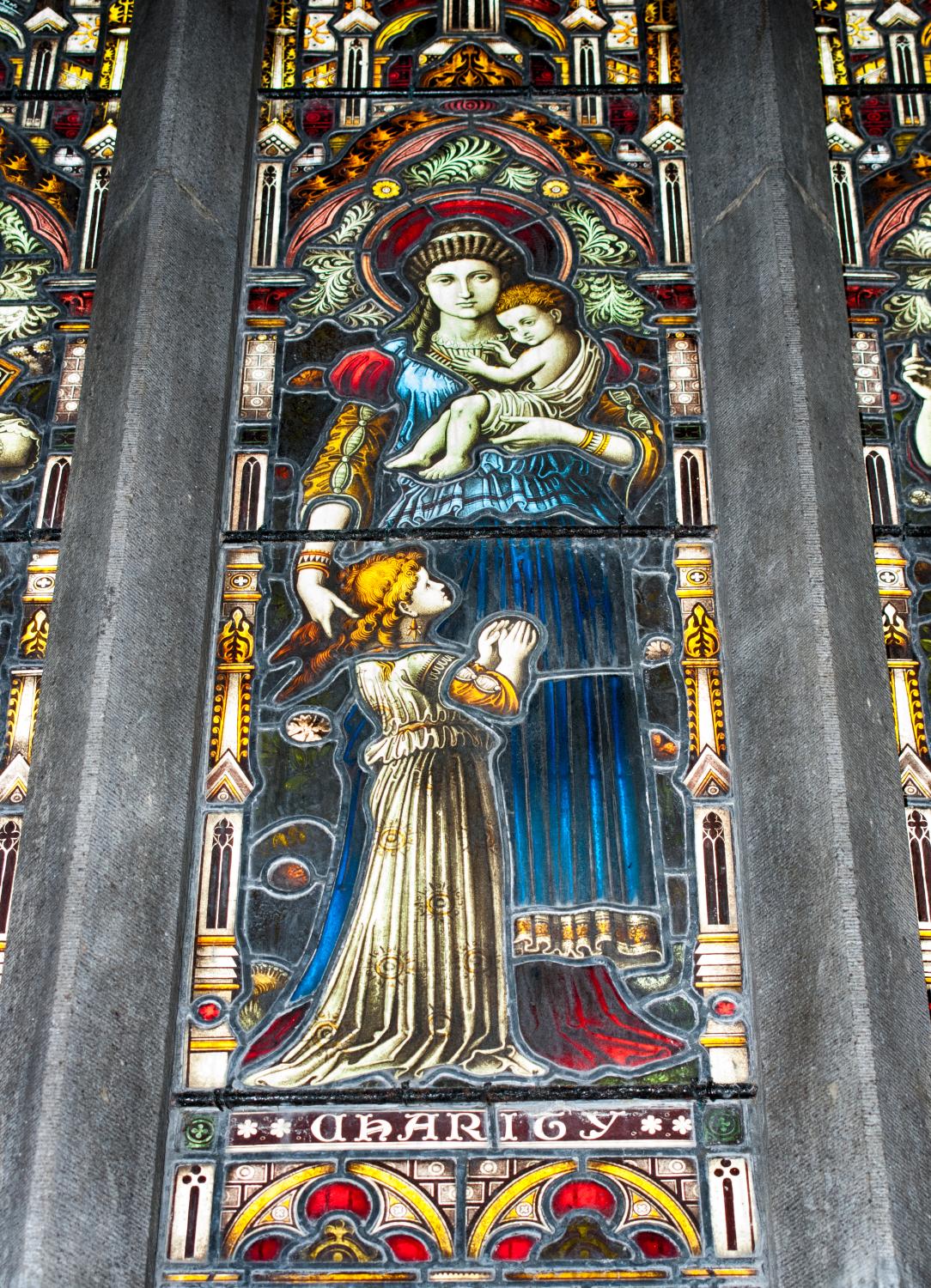
Today, Kylemore Abbey stands as a cultural and spiritual landmark in western Ireland. Visitors explore its historic rooms, Victorian gardens, and Gothic chapel. Ultimately, the Abbey continues to inspire with its story of love, loss, and resilience.
Showing the single result
-

Ireland BW Canvas Prints
$229.00 (price_excluding_tax) Select options This product has multiple variants. The options may be chosen on the product page

Showing the single result