Posted on

Top Tips for Hanging Artwork

Top Tips for Hanging Artwork

by Jacqueline LaRocca
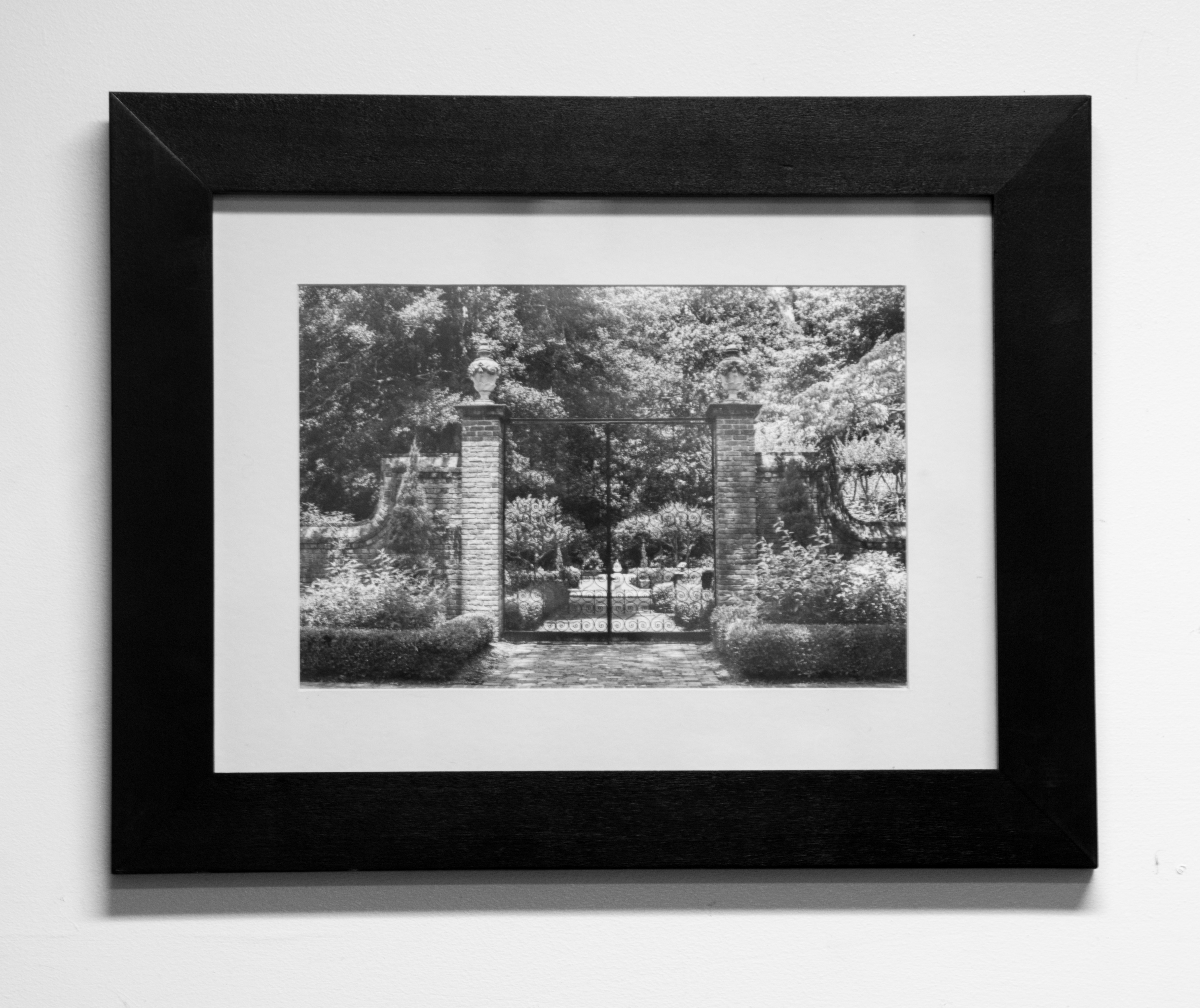
 

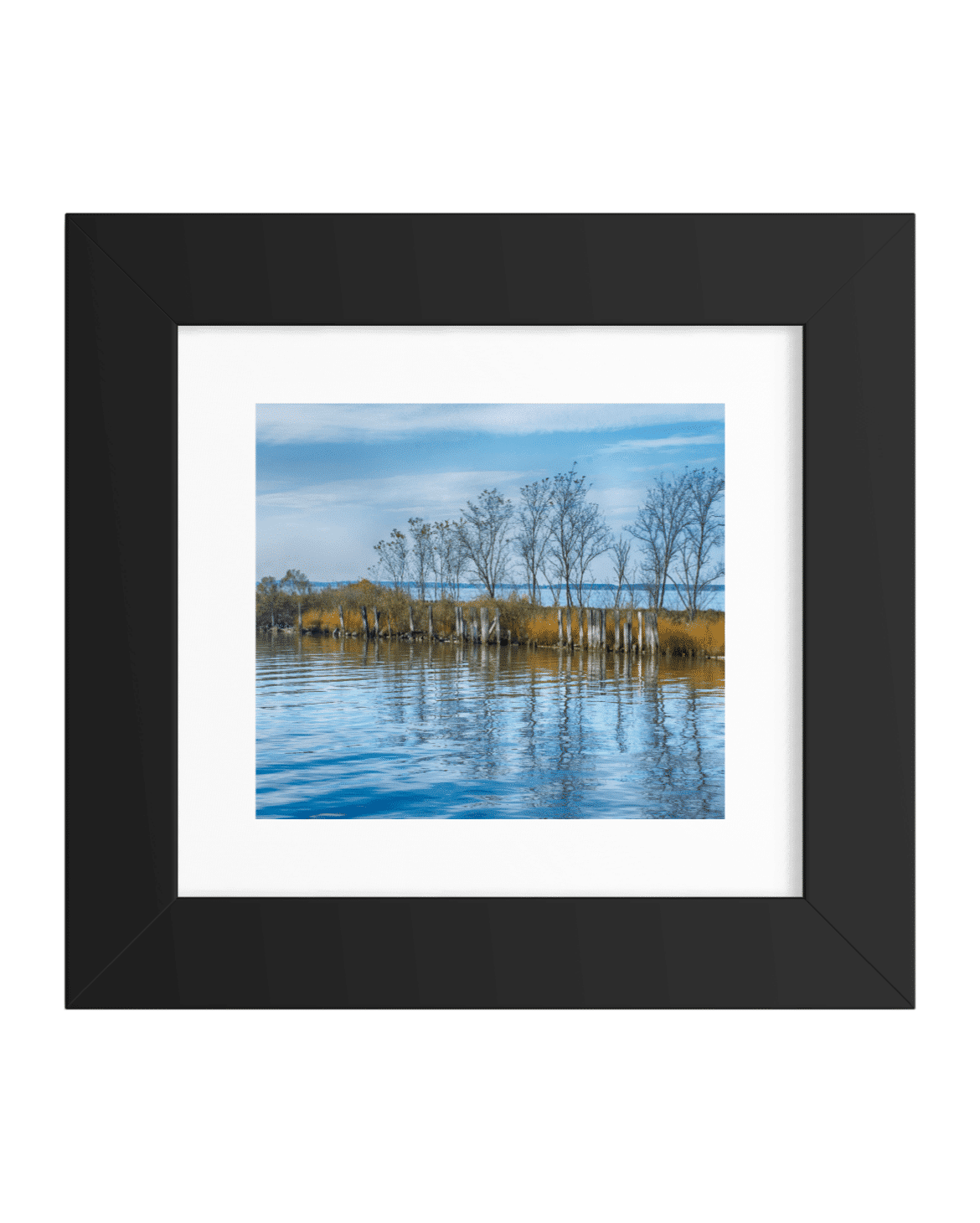
Sample Framed Photo, how to decorate with black and white art, matted print with black frame, Top Tips for Hanging Artwork
Sample Framed Photo

Displaying artwork enhances a room’s aesthetic appeal and projects a specific feeling to a space. Here are the top tips for hanging artwork effectively:

1. Get artwork professionally framed.

This ensures it looks its best and stays well-protected.

2. Plan your layout before hanging.

Trace the pieces on paper, cut out the patterns, and tape them on the wall. This method saves your walls from unnecessary holes and allows you to visualize the arrangement. By doing this, you can easily adjust the placement until you find the perfect configuration.

3. Hang artwork at eye level.

Typically, 60 to 66 inches from the floor is optimal for viewing. This height is generally comfortable for most people and ensures that the artwork is easily seen and appreciated. If you have high ceilings, you might consider hanging the artwork slightly higher to balance the space.

4. Center the largest piece when hanging multiple artworks.

Arrange smaller pieces around it for a balanced look. This creates a focal point and helps to anchor the arrangement. By placing the largest piece in the center, you draw attention to it and create a cohesive grouping with the surrounding smaller pieces.

5. Group smaller pieces together.

Place them 2 inches apart. In small spaces like bathrooms or kitchens, hang a single small piece. Grouping smaller pieces creates a sense of unity and can make a bigger impact than scattering them individually. In tight spaces, a single piece can add a touch of personality without overwhelming the area.

6. Space larger pieces 3 inches apart.

This avoids a cluttered appearance. Larger artworks need more breathing room to be appreciated fully. By spacing them appropriately, you ensure that each piece stands out and the overall display looks organized and intentional.

7. Position artwork 6 to 8 inches above a couch.

This creates a cohesive look. This distance keeps the artwork connected to the furniture without feeling too high or too low. It also helps to visually anchor the artwork to the room’s main seating area, creating a harmonious flow.

8. Use proper picture hanging hardware.

Select hardware based on the artwork’s weight to ensure it stays securely on the wall. Choosing the right hardware is crucial for safety and stability. Heavy pieces require sturdy hooks or brackets, while lighter pieces can be hung with simpler solutions.

9. Place small artwork in bookcases or on tables.

Lean heavier pieces against a wall for a casual display. This approach adds visual interest to different areas of the room and allows for easy rearrangement. Leaning artwork can create a relaxed, informal vibe and is perfect for pieces that you might want to move around frequently.

10. Use geometric shapes as guides.

Form a square with four small pieces or align three pieces horizontally in a row for a structured arrangement. Geometric patterns help to create order and symmetry in your display. By following these shapes, you can achieve a polished and professional look.

By following these top tips for hanging artwork, you can create a visually appealing and harmonious display of your artwork. Each piece will be showcased to its best advantage, enhancing the overall aesthetic of your space.

Hope you enjoyed Top Tips for Hanging Artwork

Top Ten International Travel Tips

Posted on

How to Decorate with Black and White Art

Byzantine Style Church Architecture in Santorini, Greece, Greece Black and White Prints

Blog by Jacqueline LaRocca

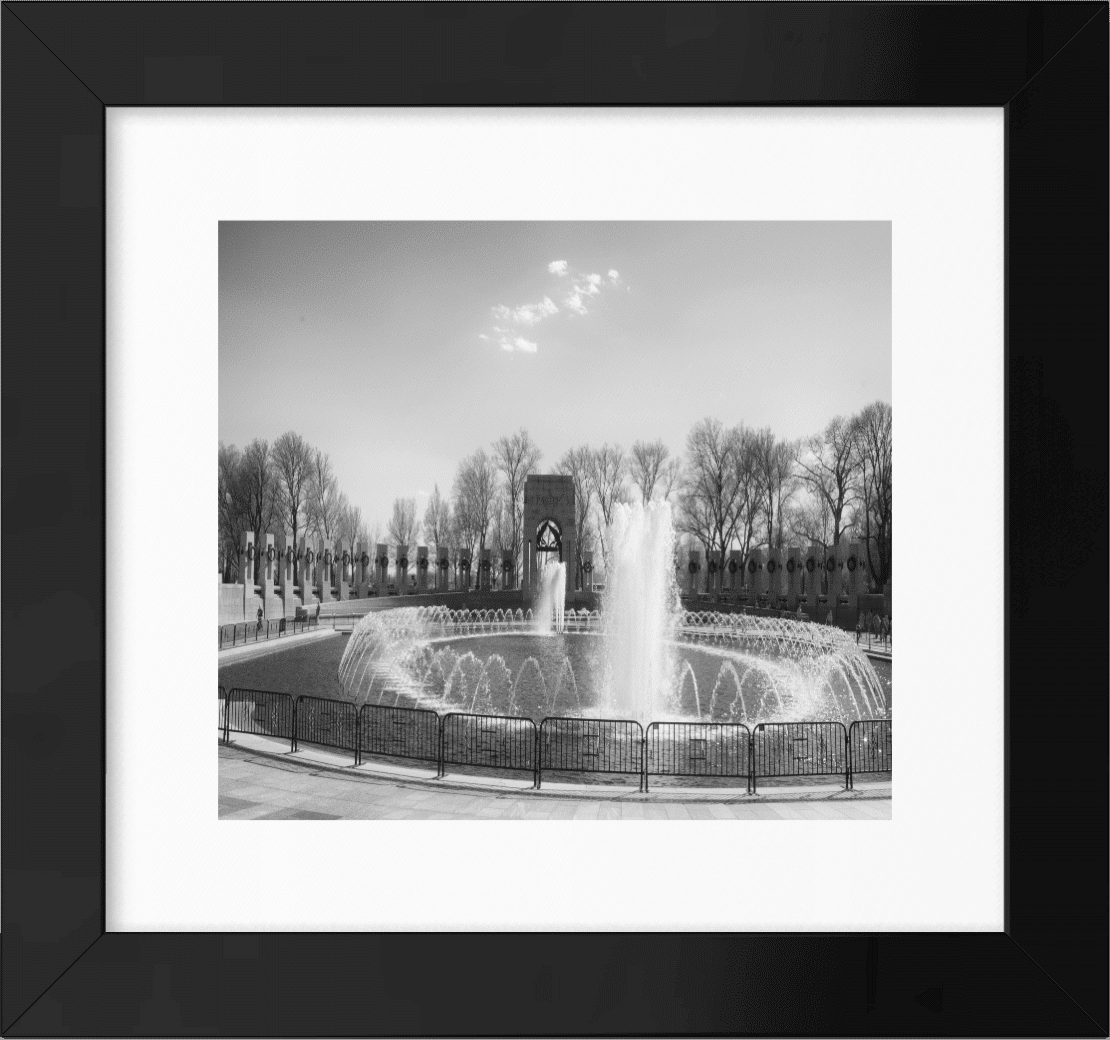
World War II Memorial, District of Columbia Framed Prints
World War II Memorial
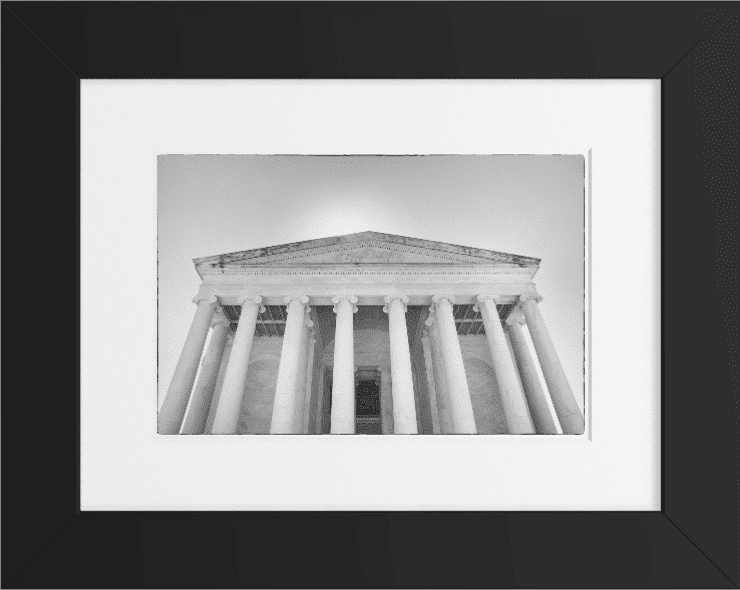
Thomas Jefferson Memorial, District of Columbia Framed Prints
Thomas Jefferson Memorial
Framed Print of The Supreme Court of the United States, District of Columbia Framed Prints.
Framed Print of The Supreme Court of the United States

How to Decorate with Black and White Art

Decorating with black-and-white art can be a great way to add a touch of sophistication and elegance to your living space. However, it can be challenging to know where to start when it comes to incorporating these monochromatic pieces into your home decor. This article will explore some tips and tricks for decorating with black-and-white art.

Consider the Style of Your Space

Firstly, when decorating with black-and-white art, it is essential to consider the style of your space. If you have a modern, minimalist interior, you may opt for abstract black-and-white pieces with bold lines and geometric shapes. On the other hand, if you have a more traditional home decor style, you may prefer classic black-and-white prints.  This might include photographs of iconic buildings or landscapes.

Consider the Size of Your Space

Additionally, consider the size of your space when choosing your black-and-white art pieces. If you have a small room, you may opt for smaller prints or a gallery wall with several smaller pieces rather than one large statement piece. In contrast, a large space may benefit from bold, oversized black-and-white artwork as a focal point.

Mix and Match

One way to create a cohesive look with black-and-white art is to mix and match different styles and sizes of prints. For instance, you can mix black-and-white photography with abstract prints or black-and-white sketches. This arrangement can create a layered, textured effect that adds depth and interest to your walls.

Select the Perfect Frame

Another idea is to pair black and white art with metallic accents like silver or gold frames. The perfect frame can create a glamorous and sophisticated look that adds a touch of luxury to your living space. Similarly, you can pair black and white art with colorful accessories. Examples could be bright cushions or a vibrant rug to create a bold and eclectic look.

Plan Your Layout

When hanging black and white art, consider the placement and layout of your pieces. For instance, you can create a gallery wall with several pieces of varying sizes and styles or opt for a more straightforward approach by hanging a single piece on a blank wall. You can also play with the placement of your artwork by arranging artwork in a diagonal pattern or creating a vertical or horizontal line.

Consider Using Lighting

In terms of lighting, consider adding accent lighting to your black-and-white art pieces to create a dramatic effect. You can install spotlights or directional lighting to highlight your artwork and create a focal point in your space. Alternatively, you can create a cozy ambiance by using warm, soft lighting to complement your art’s black and white tones.

Summary

In conclusion, decorating with black-and-white art can add sophistication and elegance to your living space. Consider the style and size of your space. Mix and match different styles and sizes of prints. Pairing black and white art with metallic accents or colorful accessories. You can create a cohesive and visually striking look.

By following these tips and tricks and experimenting with different layouts and lighting, you can create a personalized and unique black-and-white art display in your home.

Posted on

Tips on Selecting Artwork

Blog by Jacqueline LaRocca

Tips on Selecting Artwork for Your Home or Office

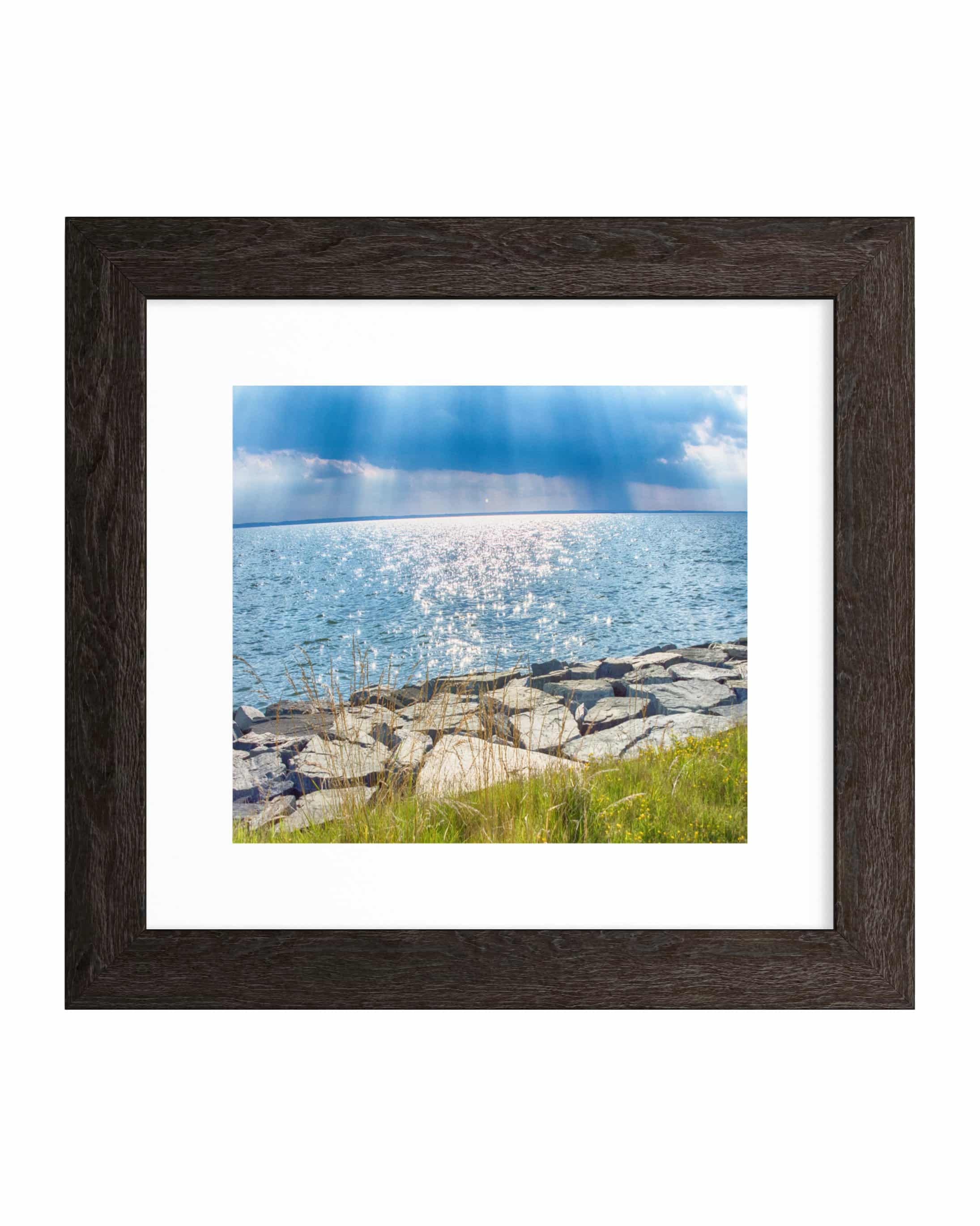
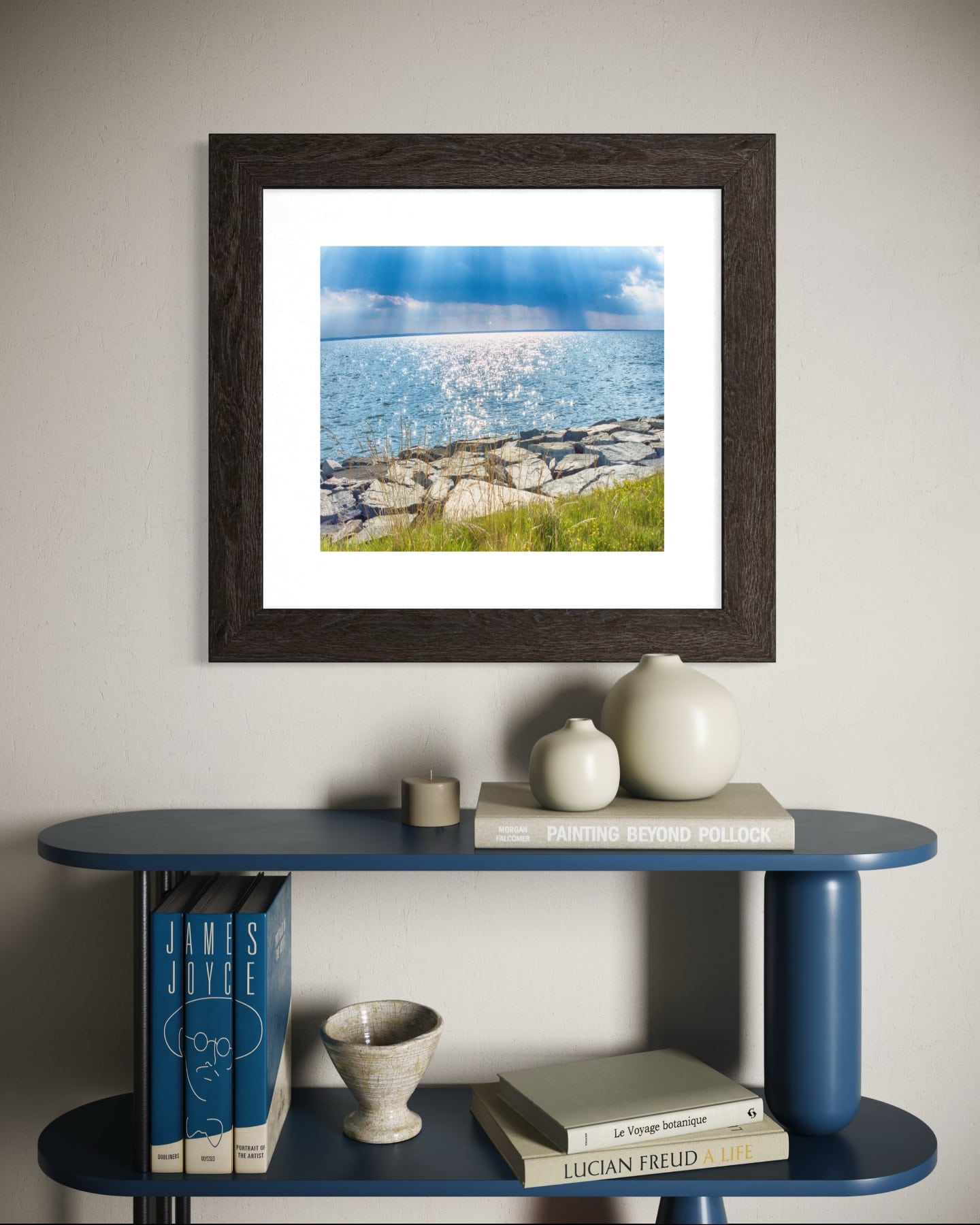
Framed Print Tilghman Island Bay Shore
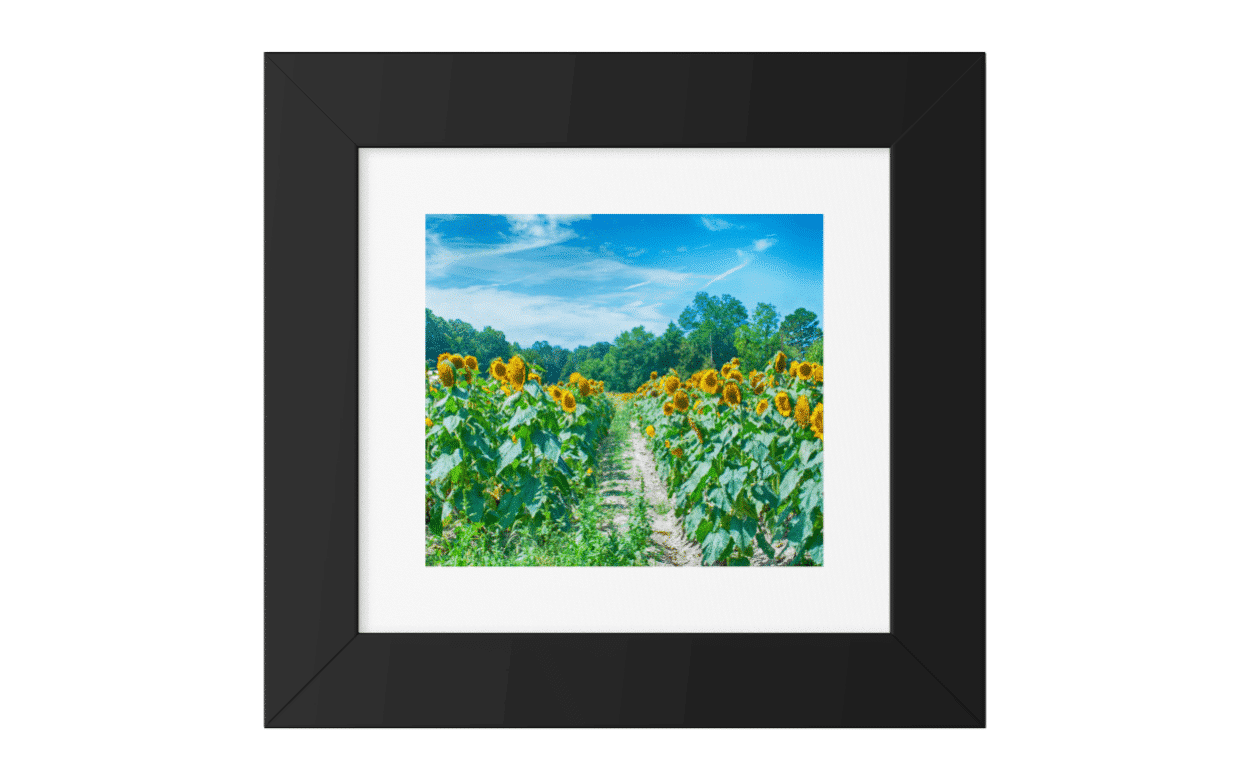
Framed Print Sunflower Field, Maryland Color Framed Prints
Framed Print Sunflower Field
Framed Print Serenity of Claiborne, Maryland Color Framed Prints
Framed Print Serenity of Claiborne
Framed Print Home or Office Tilghman Island Bay Shore, Maryland Color Framed Prints
Framed Print Home or Office Tilghman Island Bay Shore
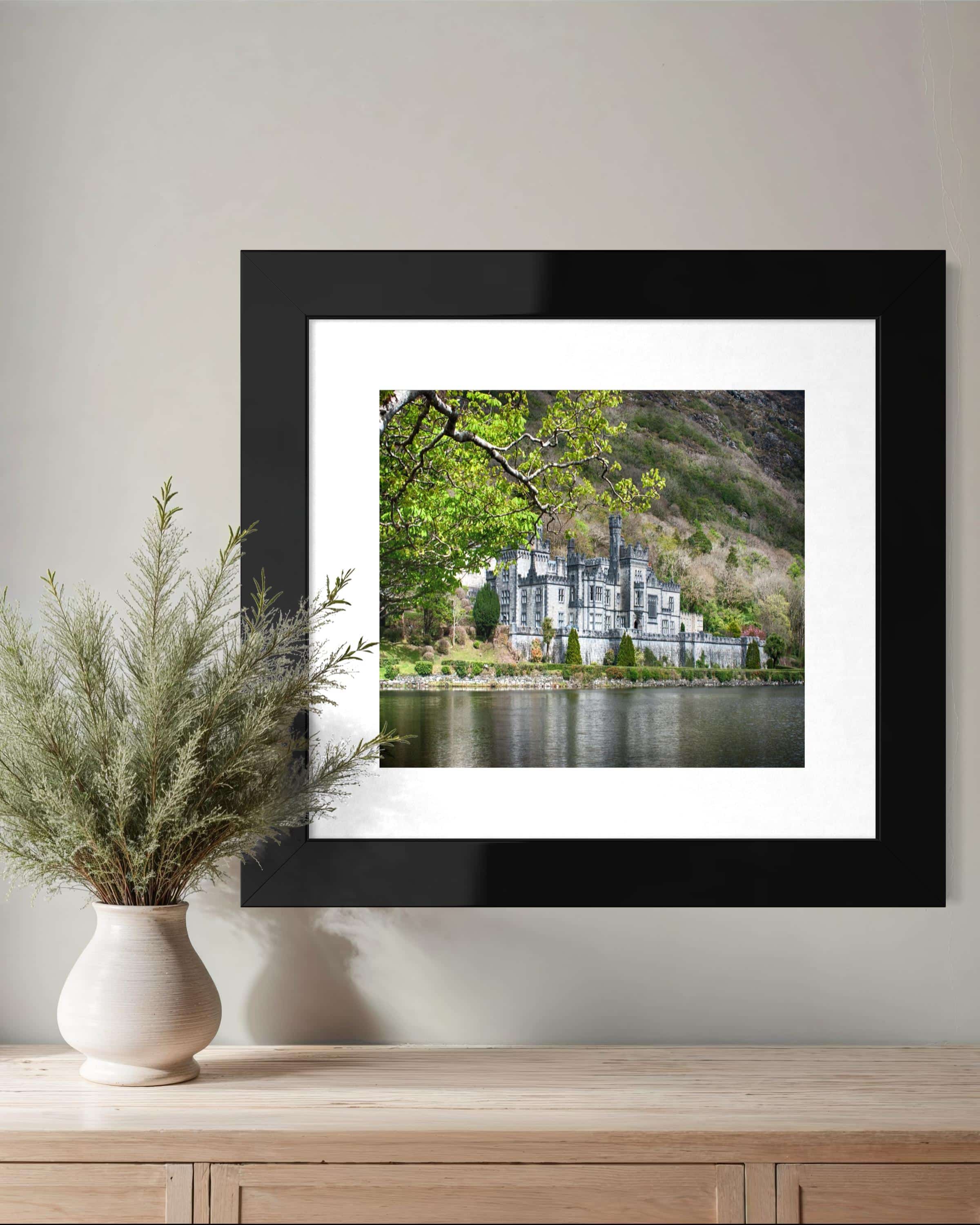
Framed Print Kylemore Abbey in Color, West of Ireland Color Photography
Framed Print Kylemore Abbey in Color
Framed Print of The Supreme Court of the United States, District of Columbia Framed Prints.
Framed Print of The Supreme Court of the United States
Thomas Jefferson Memorial, District of Columbia Framed Prints
Thomas Jefferson Memorial
World War II Memorial, District of Columbia Framed Prints
World War II Memorial
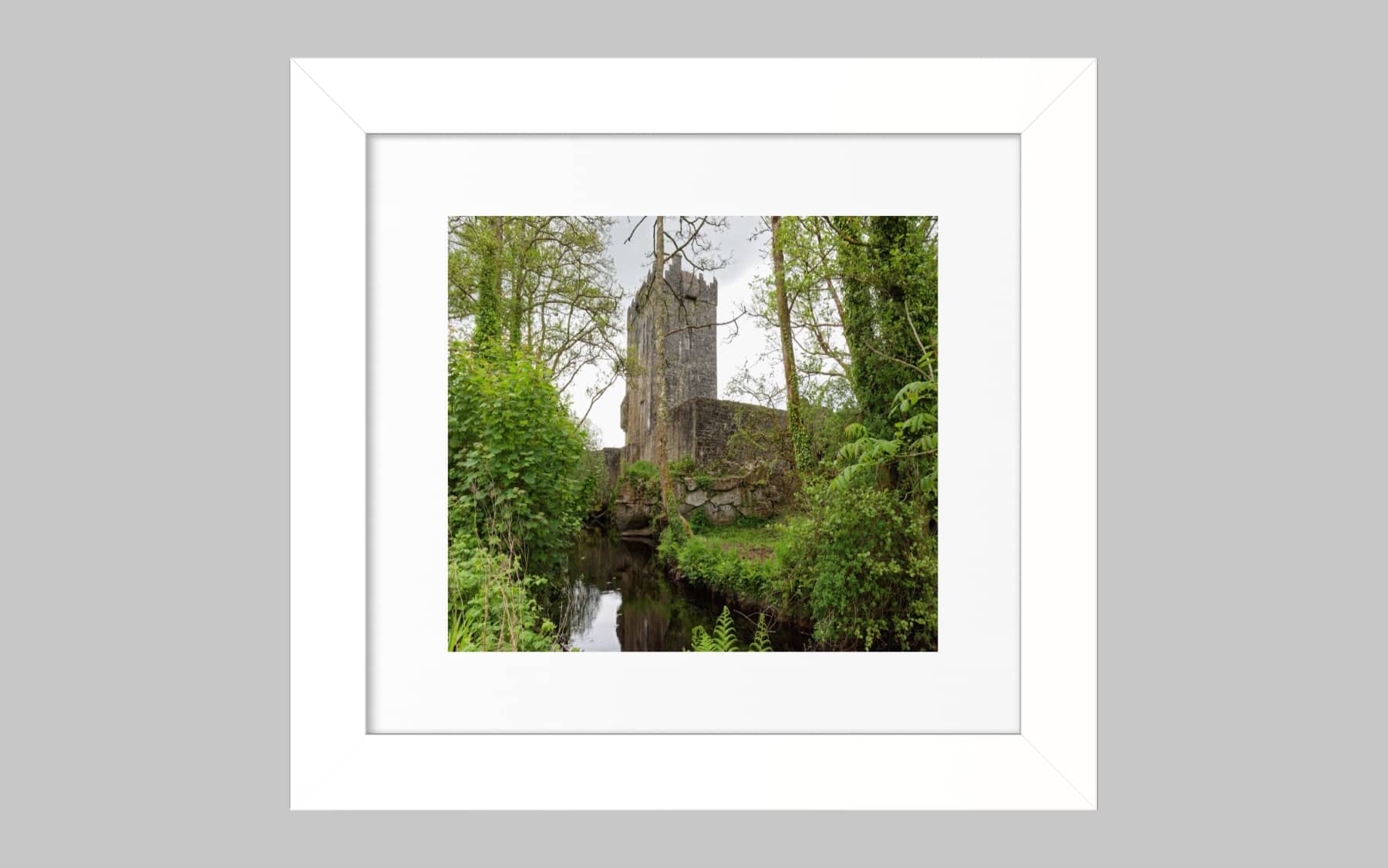
Framed Print Aughnanure Castle, West of Ireland Color Photography
Framed Print Aughnanure Castle
Sample Framed Photo, how to decorate with black and white art, matted print with black frame, tips on selecting artwork for your home or office
Sample Framed Photo

Selecting artwork for your home or office is a personal and subjective experience that can be exciting and overwhelming. Art can enhance the aesthetic appeal of a space, evoke emotions, and even inspire creativity. This article will provide professional tips on selecting artwork for your home or office.

Style

First and foremost, it’s essential to consider the style of your space. The artwork you choose should complement and enhance the existing decor. Consider selecting abstract or contemporary pieces if your area has a minimalist, modern style. On the other hand, if your space has a more traditional or classical style, consider selecting landscape or objects. Make sure to choose artwork that will not clash with the colors or patterns of your furniture and accessories.

Space

Next, consider the size of the artwork in relation to the wall or space where it will be displayed. Oversized artwork can make a bold statement and become a focal point, but it may not be suitable for smaller spaces or rooms with low ceilings. On the other hand, small artwork may get lost in a large room and fail to make an impact. Take measurements of your space and consider the proportion of the artwork to ensure it fits and looks balanced.

Theme

Another important consideration is the theme or subject matter of the artwork. Art can be a great way to showcase your interests, hobbies, or beliefs. For example, if you’re passionate about travel, consider selecting artwork featuring images from your favorite destinations. Alternatively, if you’re a nature lover, choose artwork featuring landscapes. The theme or subject matter of the artwork should reflect your personality and add meaning to your space.

Color

The color of the artwork is also an important consideration. The colors in the artwork should complement or contrast the colors in the space. If your area has a neutral color scheme, consider selecting bold, bright artwork to add a pop of vibrancy. Alternatively, consider selecting artwork with more muted tones to balance the space if your room has many colors. Black and white artwork is an excellent addition to a colorful room.

Placement

When selecting artwork, it’s essential to consider the piece’s placement. Artwork can be displayed in various ways, such as on the wall, a shelf, or a table. If you plan to hang the artwork on the wall, consider the piece’s height and placement. Artwork should be hung at eye level and centered on the wall. If you’re displaying the artwork on a shelf or table, consider the piece’s size and height relative to the other objects in the space.

Lighting

It’s also important to consider the lighting in the space. Artwork can look dramatically different depending on the lighting. Consider the natural light in the room and the artificial lighting, such as lamps or overhead lights. Artwork displayed in a dimly lit room may appear muted or dark, while artwork displayed in a brightly lit room may appear more vibrant.

Emotion

When selecting artwork for your home or office, consider your emotional response to the piece. Art has the power to evoke emotions and create a mood in a space. Select artwork that speaks to you and makes you feel something. If a piece of artwork makes you feel happy, calm, or inspired, it’s likely a good choice for your space.

The Artist

Finally, consider the artist behind the artwork. When you purchase artwork, you’re not just buying a decorative item but also supporting an artist and their creative endeavors. Buying art directly from an artist can create a personal connection between you and the artist.

How to Decorate with Black and White Art