


Description
Santorini Black & White Photos
by Jacqueline LaRocca

Geography
Santorini, a stunning island in the southern Aegean Sea, also forms part of the Cyclades group. Its unique geography features a crescent shape, which resulted from a massive volcanic eruption around 1600 BCE. This eruption created a caldera, a large, submerged crater surrounded by steep cliffs. Consequently, the island’s volcanic origin gives it dramatic landscapes, with black sand beaches and striking red cliffs.
History
Historically, Santorini’s significance dates back to ancient times. The island, also known as Thira, was home to a flourishing Minoan civilization. The archaeological site of Akrotiri, often referred to as the “Minoan Pompeii,” reveals well-preserved ruins of this ancient society.
Around 1600 BCE, a catastrophic volcanic eruption buried the settlement in ash, preserving frescoes and artifacts that provide insights into Minoan life. Subsequently, Phoenicians settled on the island around 1300 BCE, followed by the Lacedaemonians around 1100 BCE.
Medieval Period
Transitioning to the medieval period, Santorini fell under Byzantine rule and later became part of the Duchy of Naxos. The island’s strategic location made it a valuable asset for various empires, including the Venetians and the Ottomans. Each of these cultures left their mark, contributing to Santorini’s rich historical tapestry.
Culture
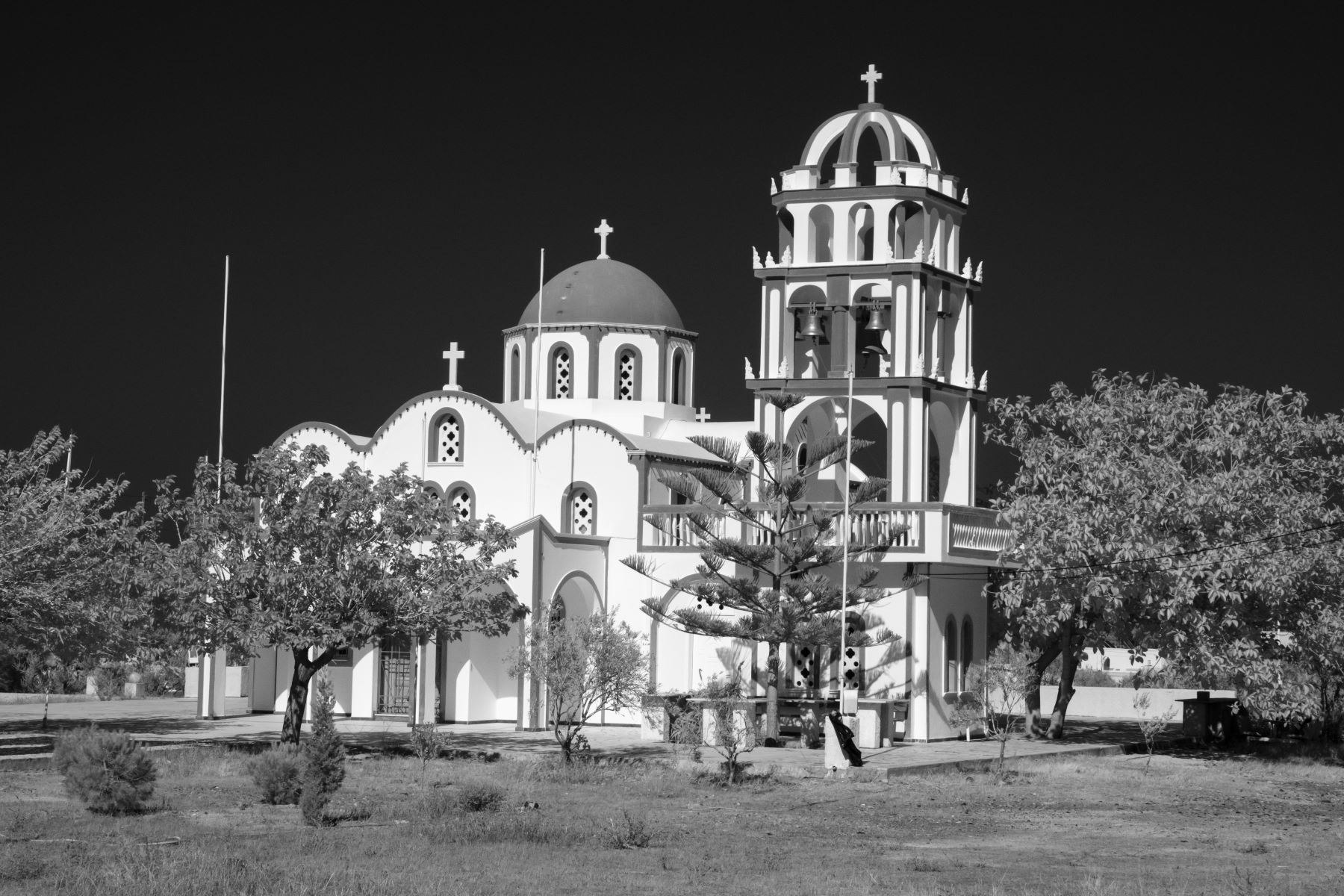
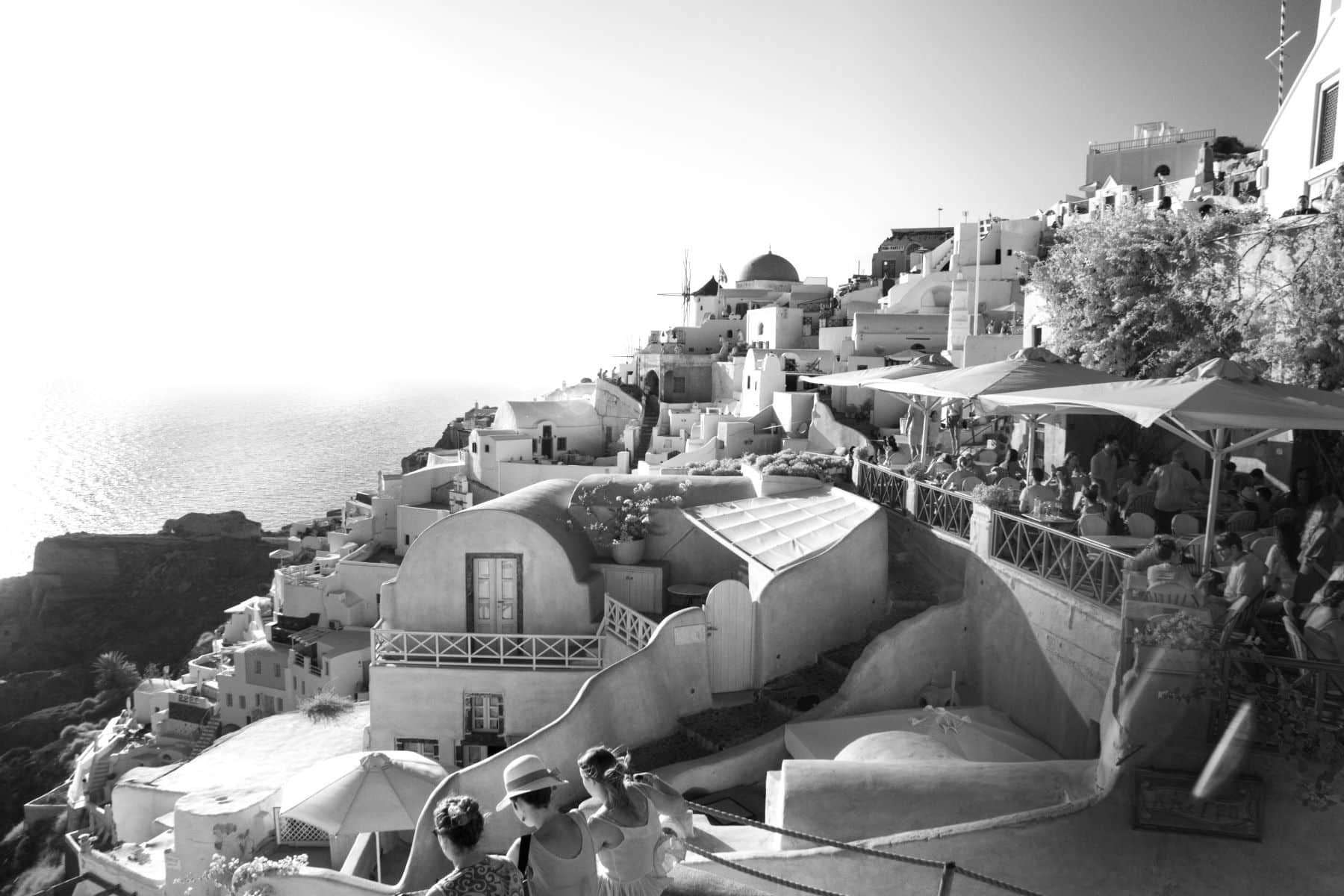
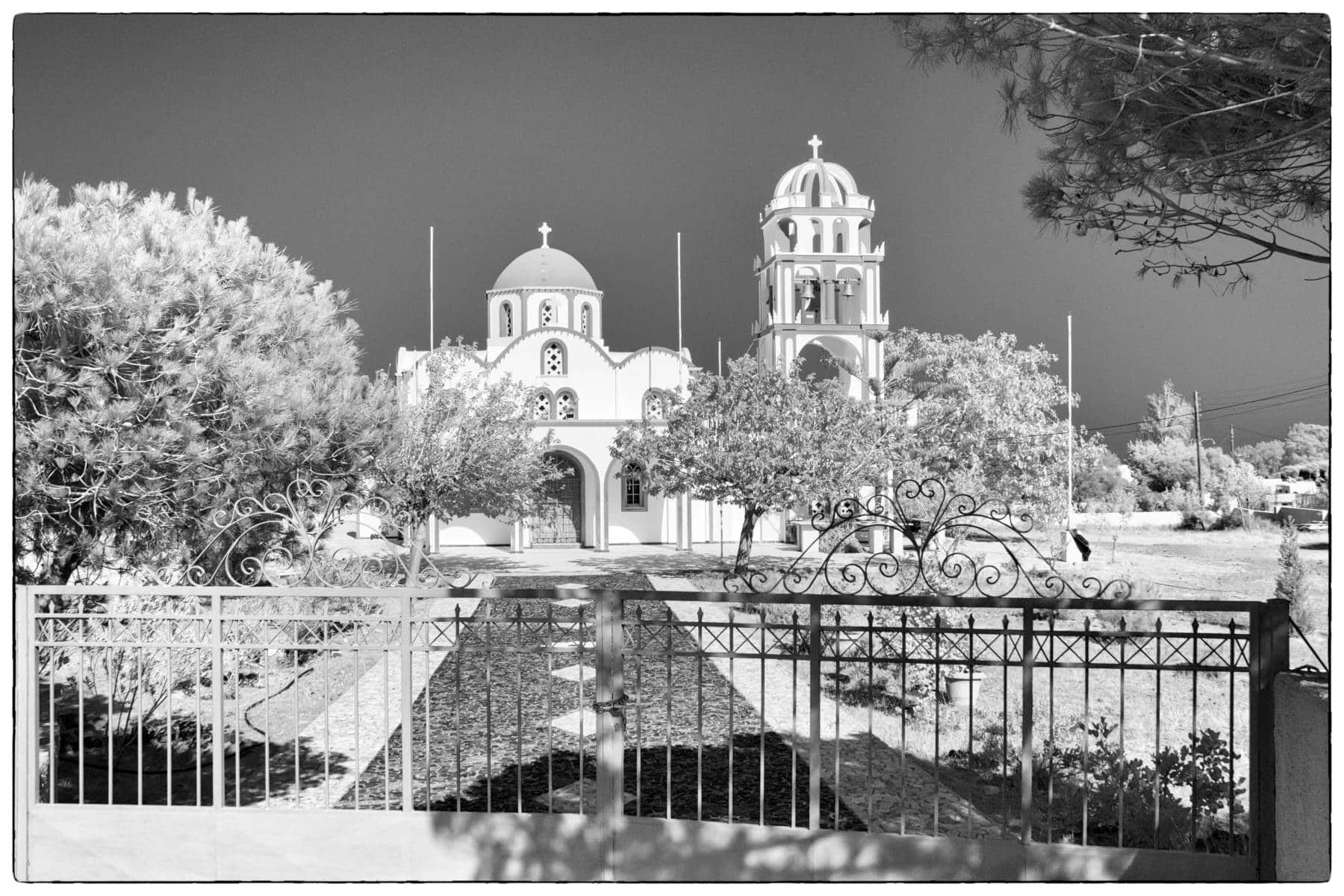
Culturally, Santorini is a vibrant blend of traditions and modern influences. The island’s architecture is iconic, with whitewashed buildings, blue-domed churches, and narrow winding streets. These structures, designed to withstand earthquakes, reflect the island’s resilience and adaptability. Also, festivals and religious celebrations play a significant role in Santorini’s cultural life. The Feast of Agios Ioannis, celebrated with music, dance, and local delicacies, is a highlight of the island’s calendar.
Agriculture
Moreover, Santorini’s cuisine is a testament to its agricultural heritage. The volcanic soil produces unique flavors in local products such as cherry tomatoes, white eggplants, and fava beans. Visitors can savor these ingredients in traditional dishes like tomatokeftedes (tomato fritters) and fava me koukia (fava bean puree).
Modern Times
In recent years, Santorini has become a premier tourist destination, attracting visitors with its breathtaking sunsets, luxurious resorts, and vibrant nightlife. Despite its popularity, the island maintains its charm and cultural integrity. Additionally, the local community continues to preserve its heritage while embracing the benefits of tourism.
Conclusion
In conclusion, Santorini’s geography, history, and culture intertwine to create a captivating destination. Also, from it’s volcanic origins and ancient civilizations to it’s modern-day allure, the island offers a rich tapestry of experiences for all who visit.
If you like Santorini Black & White Photos, you may also like



Reviews
There are no reviews yet.