


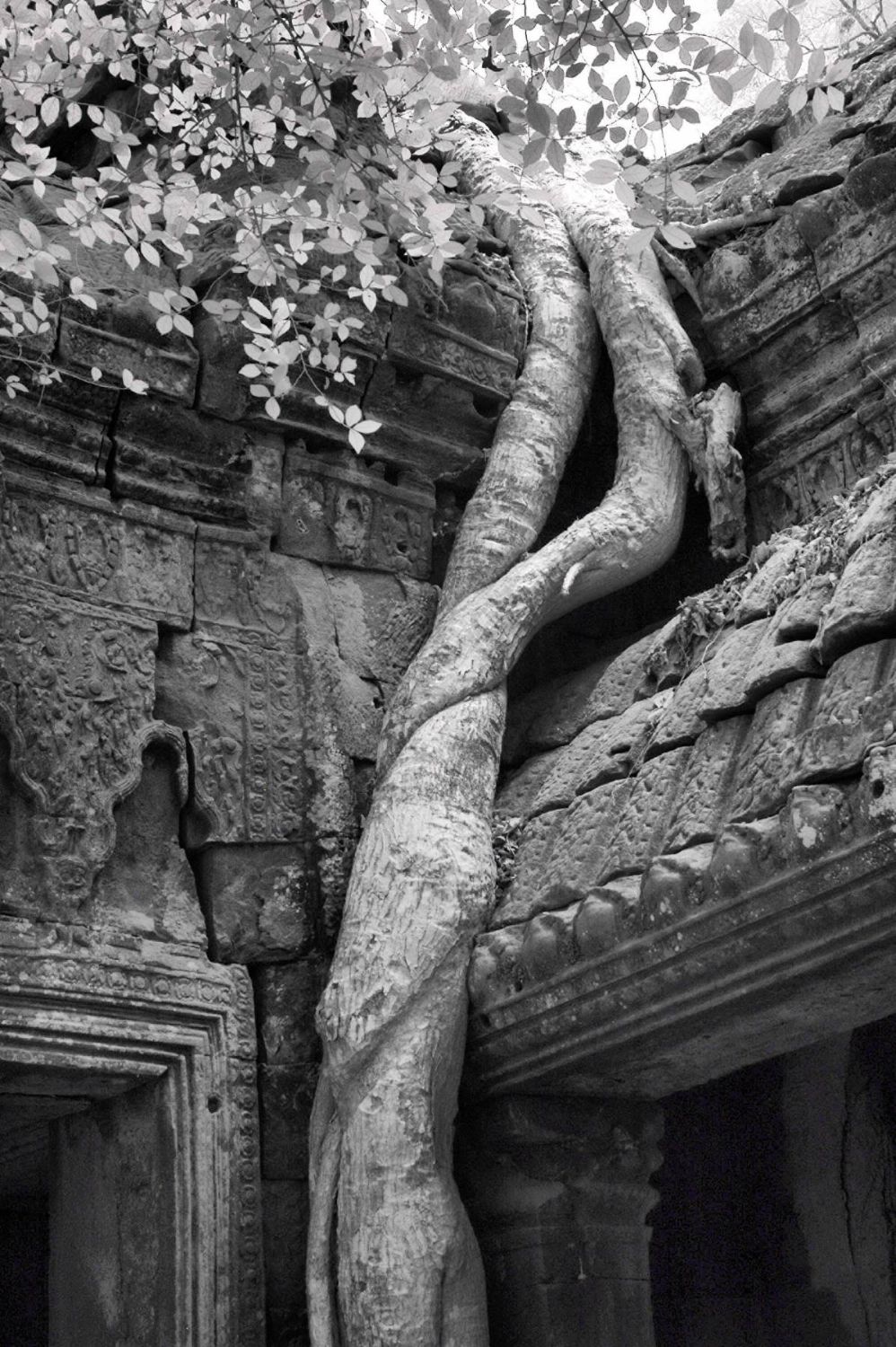


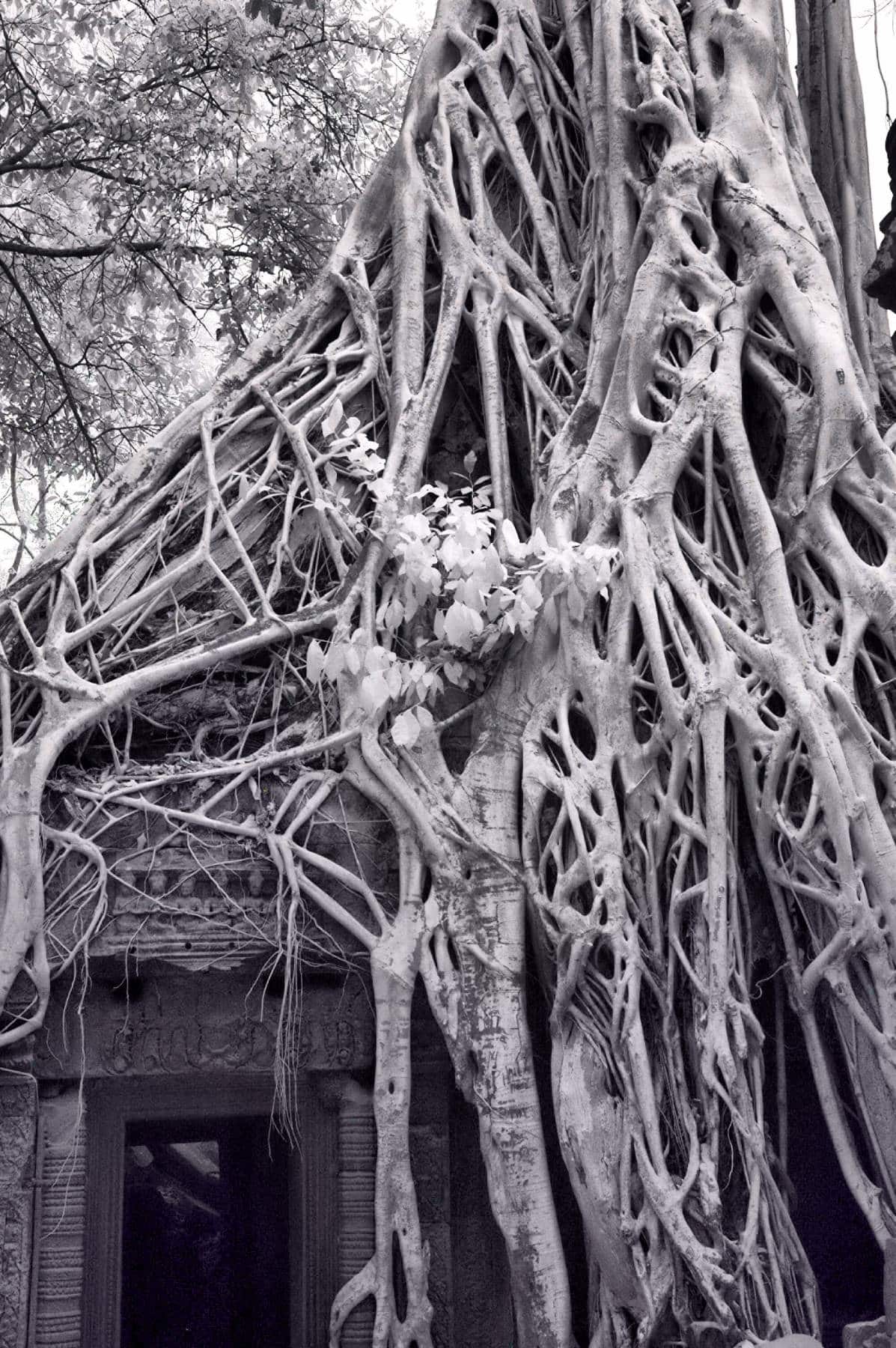
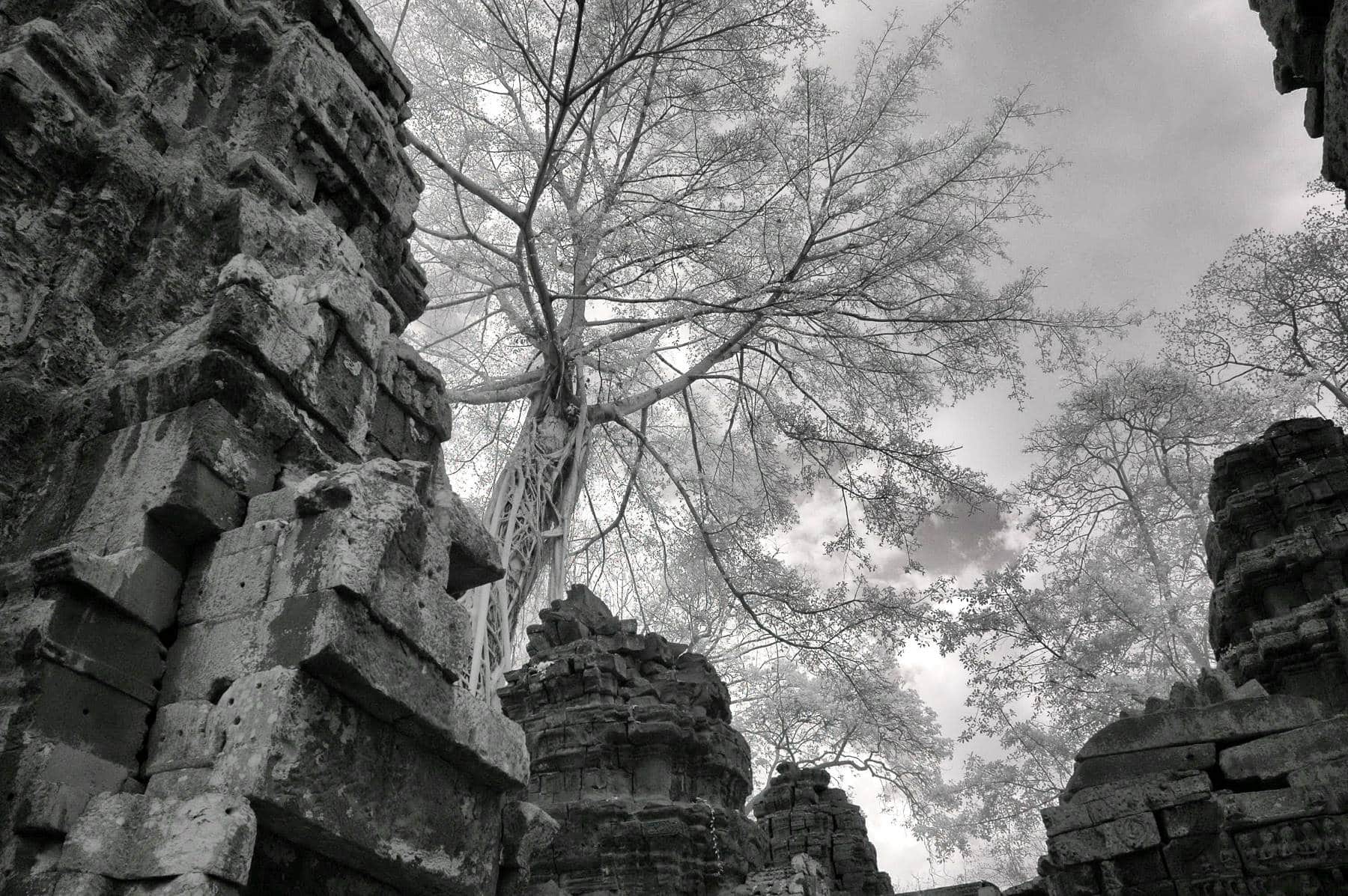
Description
Cambodia Fine Art Prints
by Jacqueline LaRocca


Early Beginnings
Cambodia’s story began with early settlements along the Mekong River. Soon afterward, farming communities expanded and formed small kingdoms. Meanwhile, Funan emerged in the 1st century CE and dominated regional trade. At the same time, Indian influence introduced Hinduism, Buddhism, and new political ideas. Consequently, Cambodia developed strong cultural foundations that shaped later kingdoms.
Rise of Chenla
After Funan declined, Chenla rose in the 6th century. Then internal pressures caused Chenla to split into Land Chenla and Water Chenla. Even so, both regions expanded their authority. Eventually, their combined legacy prepared the way for a unified Khmer state.
Angkor Empire
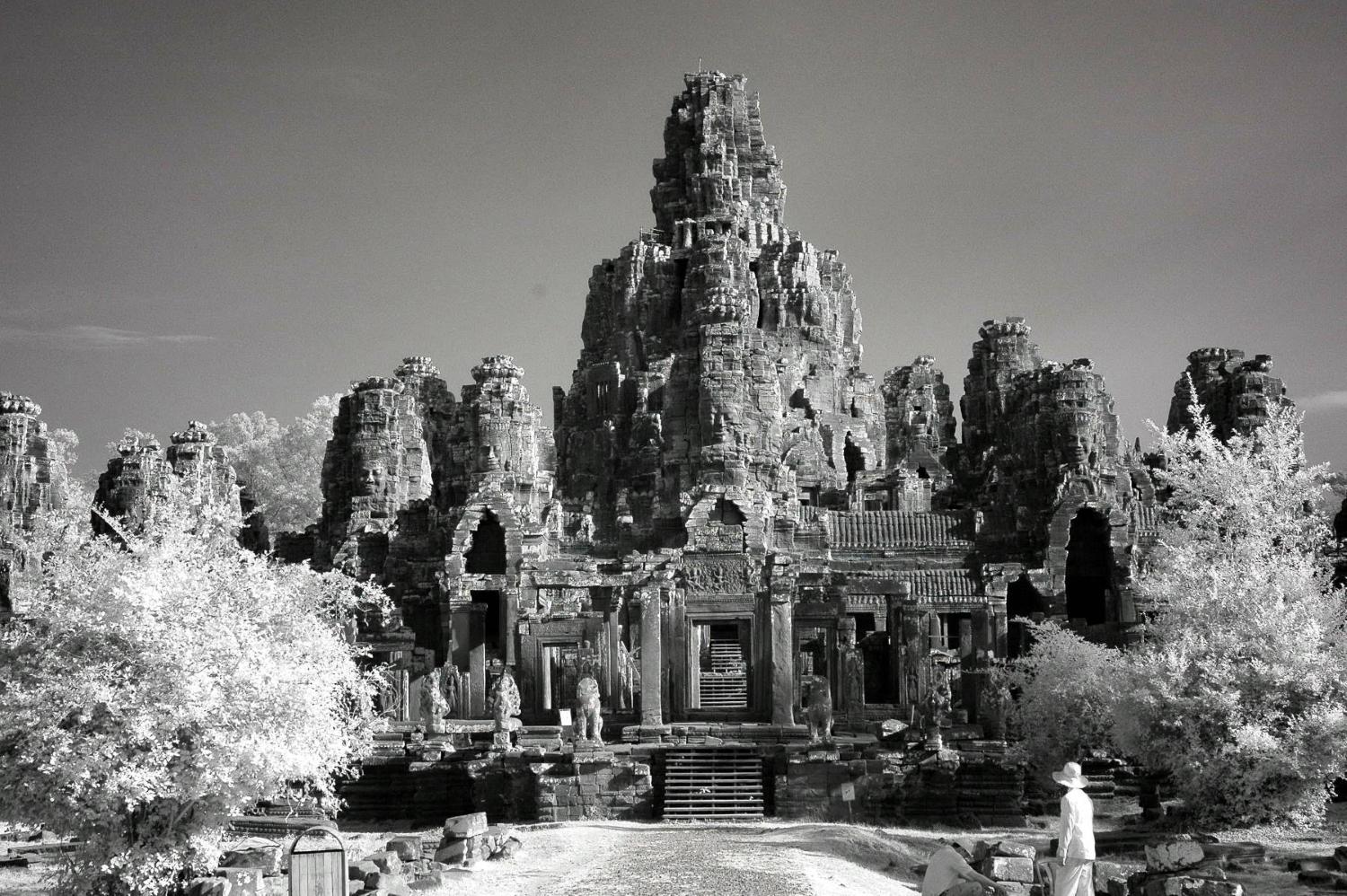
The Khmer Empire began in 802 CE when Jayavarman II declared independence. Soon afterward, Angkor grew into a powerful regional force. Kings built vast irrigation systems that increased rice production. As a result, the population expanded and cities flourished. Then Suryavarman II constructed Angkor Wat in the early 12th century.
Meanwhile, Jayavarman VII expanded the empire and promoted Buddhism. However, repeated wars with Champa weakened Khmer strength. Later, environmental stress and shifting trade routes accelerated decline.
By the 15th century, Angkor fell and the capital moved south.
Post‑Angkor Challenges
After Angkor’s fall, Cambodia faced constant pressure from Siam and Vietnam. Consequently, the kingdom lost territory and political stability. Rulers struggled to maintain independence. Eventually, Cambodia sought foreign protection to survive.
French Colonial Rule
In 1863, King Norodom accepted French protection. Soon, France controlled Cambodia’s foreign affairs and trade. Colonial rule modernized infrastructure but limited local autonomy. Meanwhile, nationalist ideas slowly spread among Cambodians. After World War II, independence movements gained momentum. Finally, Cambodia regained independence in 1953 under King Sihanouk.
Independence and Turmoil
After independence, Cambodia tried to stay neutral. However, the Vietnam War destabilized the region. In 1970, a coup removed Sihanouk and created the Khmer Republic. Soon, civil war intensified and devastated the countryside. In 1975, the Khmer Rouge seized Phnom Penh.
Then the regime forced mass evacuations and abolished institutions.
Consequently, nearly two million people died from executions, starvation, and disease. Vietnam invaded in 1979 and removed the Khmer Rouge. Afterward, Cambodia entered a long and difficult reconstruction period.
Recovery and Peace
Throughout the 1980s, conflict continued along the borders. Meanwhile, international pressure pushed for negotiations. In 1991, the Paris Peace Agreements ended major fighting. Soon, the United Nations organized elections and helped rebuild institutions. Cambodia adopted a constitutional monarchy in 1993. Although political tensions persisted, stability slowly improved.
Modern Cambodia
Today, Cambodia blends ancient heritage with rapid development. Tourism, textiles, and construction drive economic growth. Meanwhile, Angkor remains a global symbol of Khmer identity. Consequently, Cambodia continues to balance tradition and modernization.
-
Venice Italy Color Photography
-
County Kerry in Color
-
Clare Ireland BW Photos
-
How to decorate with black and white art
-
FAQ
Reviews
There are no reviews yet.