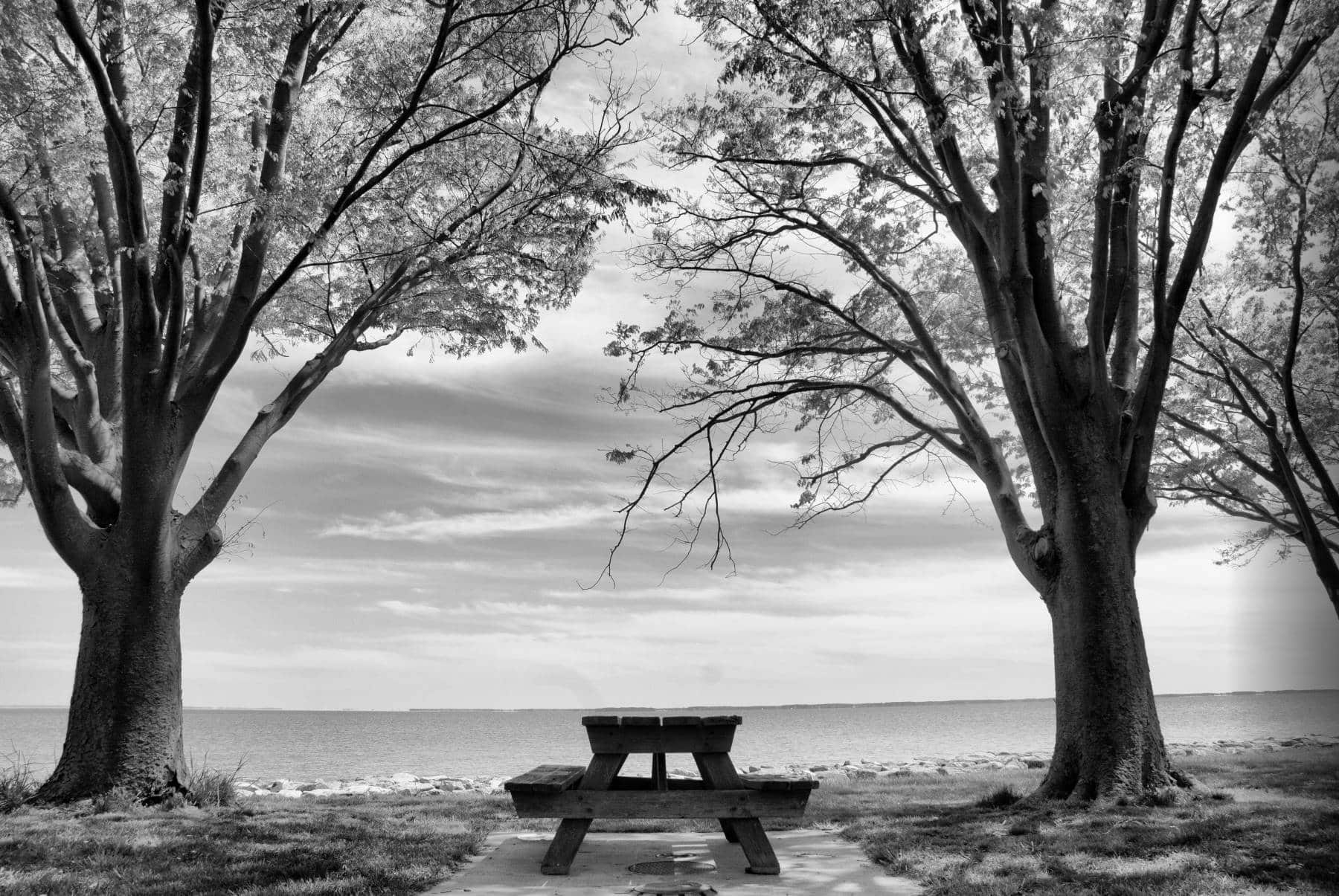
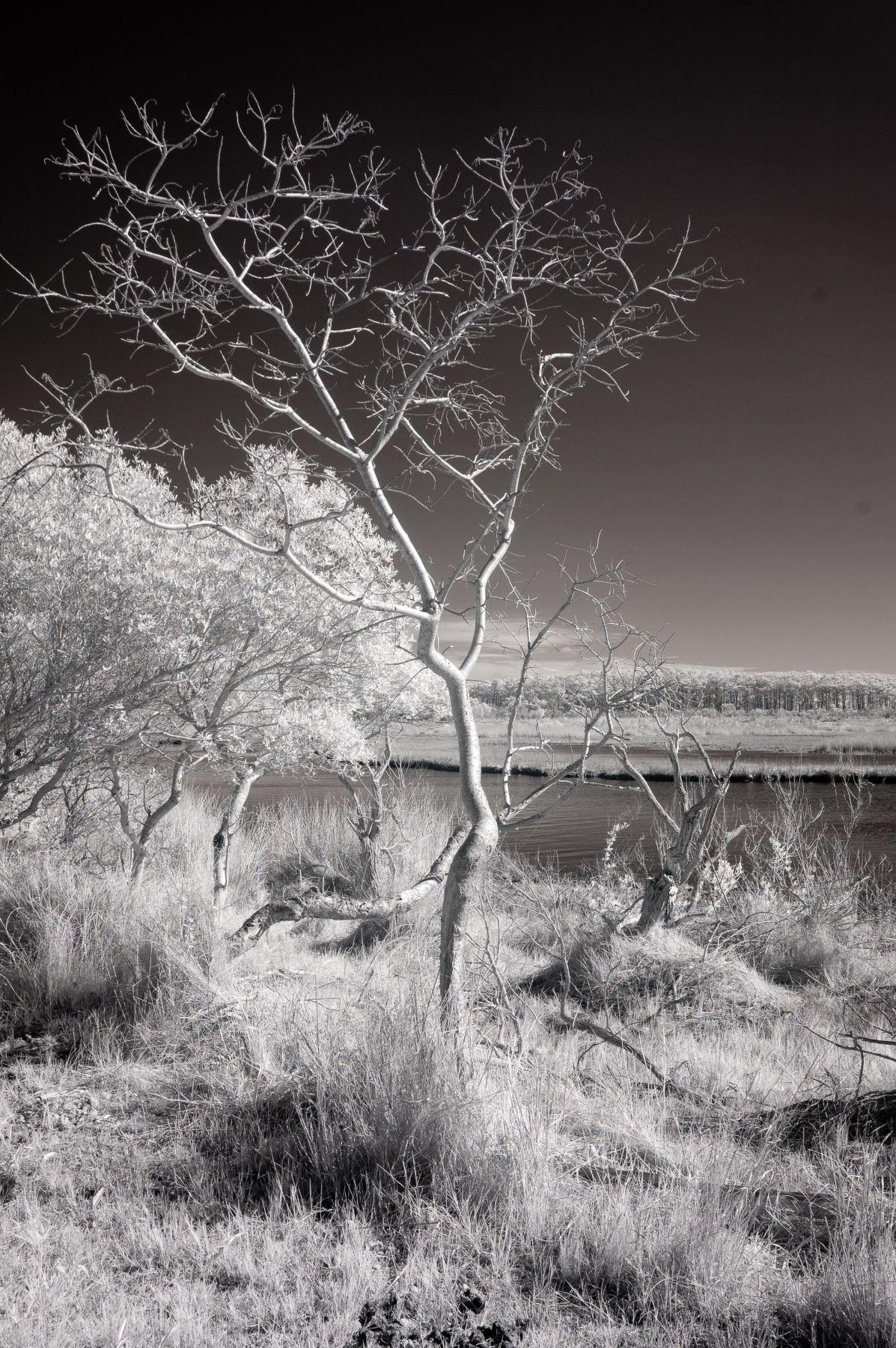
Tilghman Island Black and White Prints
Tilghman Island Black and White Prints
by Jacqueline LaRocca



History
Ancient Roots and Early Settlement
Tilghman Island has hosted human activity for over 13,000 years. Initially, Indigenous peoples fished and hunted along its shores. Then, in 1656, English settlers arrived. Just three years later, the Crown granted the island to Seth Foster.
Eventually, in 1741, Matthew Tilghman inherited it, giving the island its name. For nearly 175 years, it remained a productive family farm. Residents raised livestock and harvested timber, grains, and fruit.
Shift Toward the Water (1830s–1860s)
By the 1830s, the Tilghman family began selling land parcels. As a result, new settlers arrived, drawn by the Chesapeake Bay’s bounty. The island’s central location allowed watermen to fish year-round. They harvested oysters, crabs, and fish in every season.
After the Civil War, the oyster industry exploded. Consequently, families moved in, eager to work the water. Seafood packing operations soon sprang up along Dogwood Cove.
Boom Years and Maritime Identity (1870s–1940s)
During the late 1800s, Tilghman Island became a maritime powerhouse. Steamboats transported seafood to Baltimore and beyond. Meanwhile, the Tilghman Packing Company employed hundreds at its peak. Skipjacks and bugeyes lined the docks, ready for harvest. Simultaneously, boatbuilding flourished, supporting the watermen’s growing fleet.
The island also developed a vibrant community. It boasted four villages, three schools, and multiple churches. In addition, a movie theater and bowling alley added to the charm.
Postwar Changes and Decline (1950s–1990s)
Following World War II, the seafood industry began to decline. Overfishing and environmental changes reduced oyster harvests. Eventually, the Tilghman Packing Company closed its doors. Consequently, many younger residents left to seek work elsewhere. Older watermen retired, and skipjacks vanished from the harbor.
Nevertheless, the island retained its close-knit spirit. Locals adapted by turning to tourism and heritage preservation.
Modern Revival and Cultural Legacy
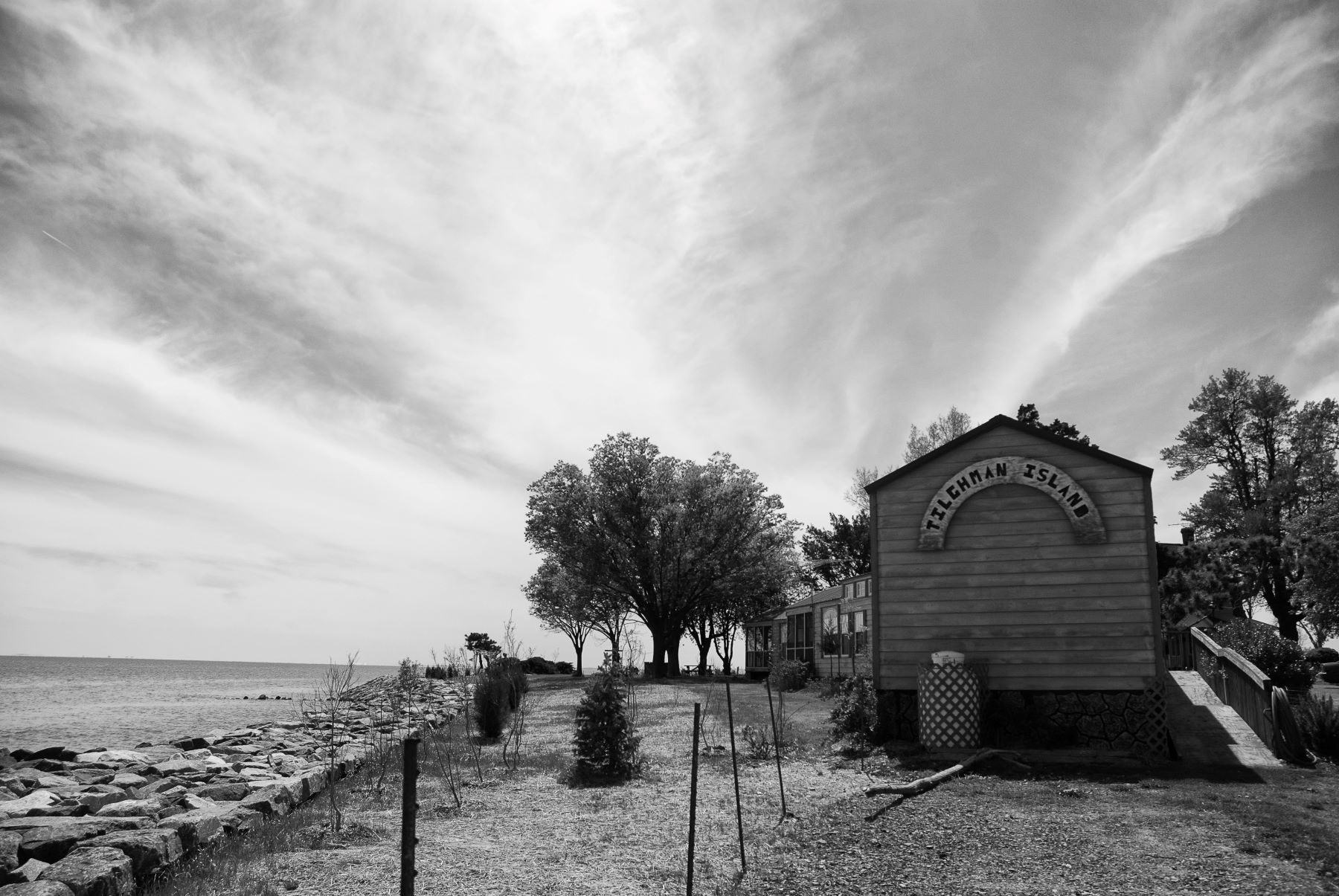
Today, Tilghman Island blends tradition with modern life. Increasingly, artists and heritage tourists flock to its shores. The Tilghman Watermen’s Museum preserves maritime stories and artifacts. Furthermore, annual events like Tilghman Island Day celebrate its working roots.
Visitors enjoy fishing, kayaking, and fresh seafood year-round. The island’s iconic “W” houses still catch the breeze. Though quieter now, Tilghman remains proud and resilient.
Enduring Significance
Ultimately, Tilghman Island tells a story of adaptation and perseverance. From farming to fishing, its people shaped the Chesapeake’s legacy. Even as industries faded, the island’s identity endured. Its history lives on in every dock, boat, and breeze.
Showing the single result
-

Maryland Fine Art Prints
$229.00 (price_excluding_tax) Select options This product has multiple variants. The options may be chosen on the product page

Showing the single result