The Parthenon
The Parthenon
Athens, Greece

Built in 5th century
To begin with, the Parthenon rises proudly atop the Acropolis in Athens, Greece.
Built between 447 and 432 BC, it reflects the peak of the ancient Greek Empire.
Next, Athenians dedicated the temple to Athena, goddess of wisdom and war.
Over time, the Parthenon became a lasting symbol of Greek glory and architectural skill.
Even today, its marble columns continue to inspire awe and admiration around the world.
Construction
First, Pericles led the Parthenon’s construction, launching one of ancient Greece’s most ambitious building projects.
Next, architects Ictinus and Callicrates joined forces with sculptor Phidias to shape the temple’s design and decoration.
Then, builders chose Pentelic marble for its bright color and fine grain, ensuring strength and beauty.
Afterward, they crafted a rectangular floor plan measuring 69.5 by 30.9 meters.
Finally, they placed the structure on a three-stepped base to elevate and stabilize the temple.
Architecture
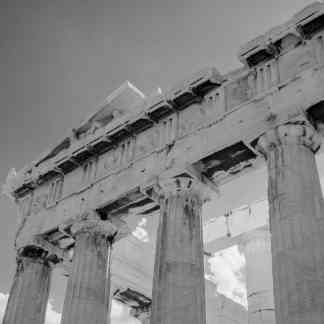
Moreover, the Parthenon exemplifies the Doric order, the simplest of the three classical Greek architectural styles. It features 46 outer columns and 19 inner columns, all slightly tapered to create an illusion of straight lines. This subtle curvature, known as entasis, corrects optical distortions and adds to the temple’s aesthetic appeal.
The columns support an entablature, which includes a plain architrave, a frieze with alternating triglyphs and metopes, and a pediment adorned with intricate sculptures.
Artistic Significance
Transitioning to its artistic significance, the Parthenon housed a colossal statue of Athena, crafted by Phidias. This statue, made of gold and ivory, stood approximately 12 meters tall and was a focal point of worship.
Additionally, the Parthenon’s decorative sculptures depicted various mythological scenes, including the birth of Athena and the battle between the gods and giants2.
Furthermore, the Parthenon served multiple purposes throughout history. Initially, it was a temple dedicated to Athena and a treasury for the Delian League, an alliance of Greek city-states led by Athens.
Christian Church
Later, it became a Christian church, a mosque, and even a gunpowder magazine during the Ottoman occupation. Despite suffering damage from explosions, earthquakes, and looting, the Parthenon remains a powerful symbol of ancient Greek culture.
Conclusion
In conclusion, the Parthenon is not just an architectural marvel; it is a testament to the ingenuity and artistic achievements of ancient Greece. Its enduring presence on the Acropolis continues to inspire awe and admiration.
As you explore this historic site, you can feel the legacy of the ancient Greeks, who created a masterpiece that has withstood the ravages of time.
Athens
Showing the single result
-

Athens Fine Art Photos
$350.00 (price_excluding_tax) Select options This product has multiple variants. The options may be chosen on the product page
Showing the single result