Rome Black and White Prints
Rome Black and White Prints
by Jacqueline LaRocca
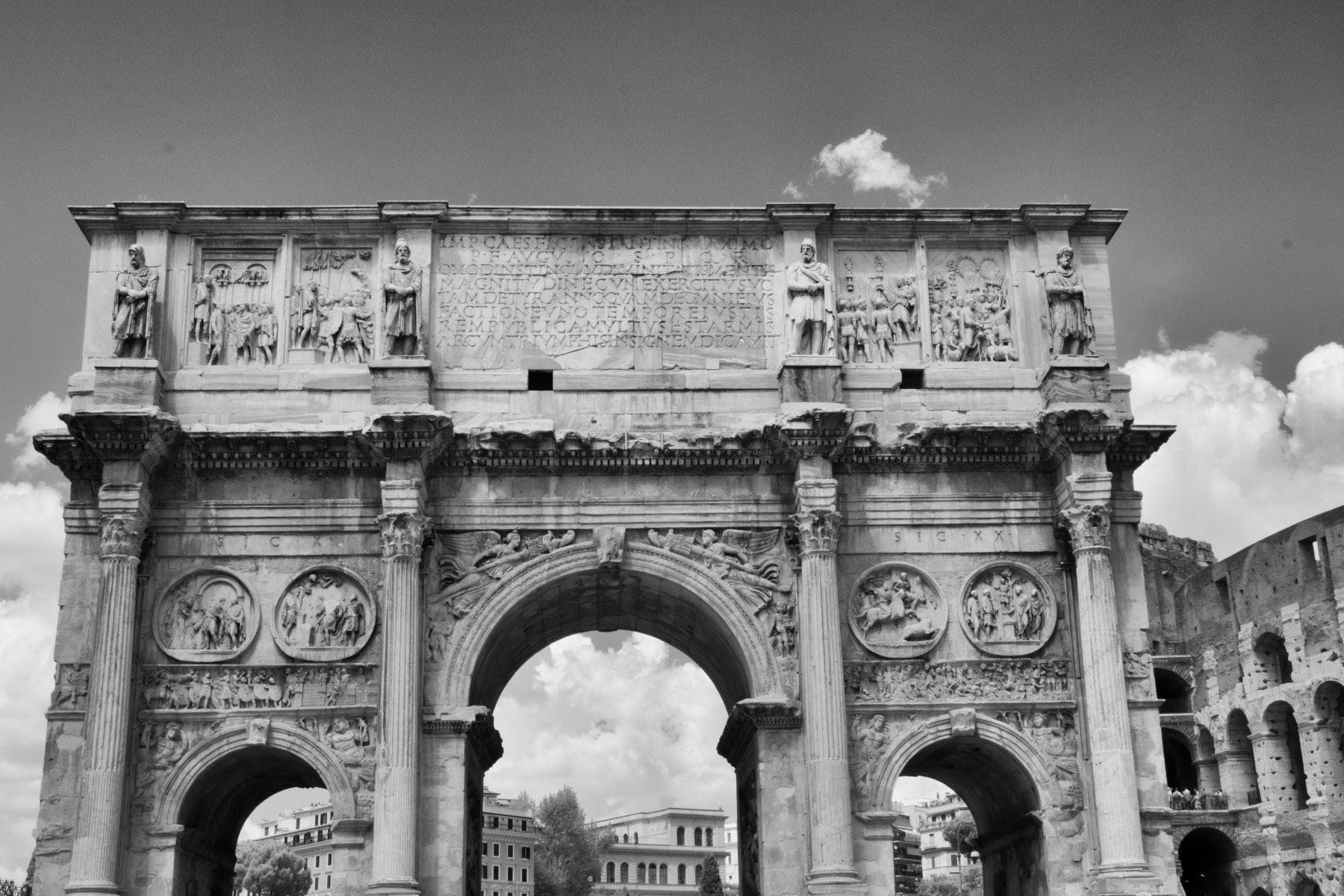

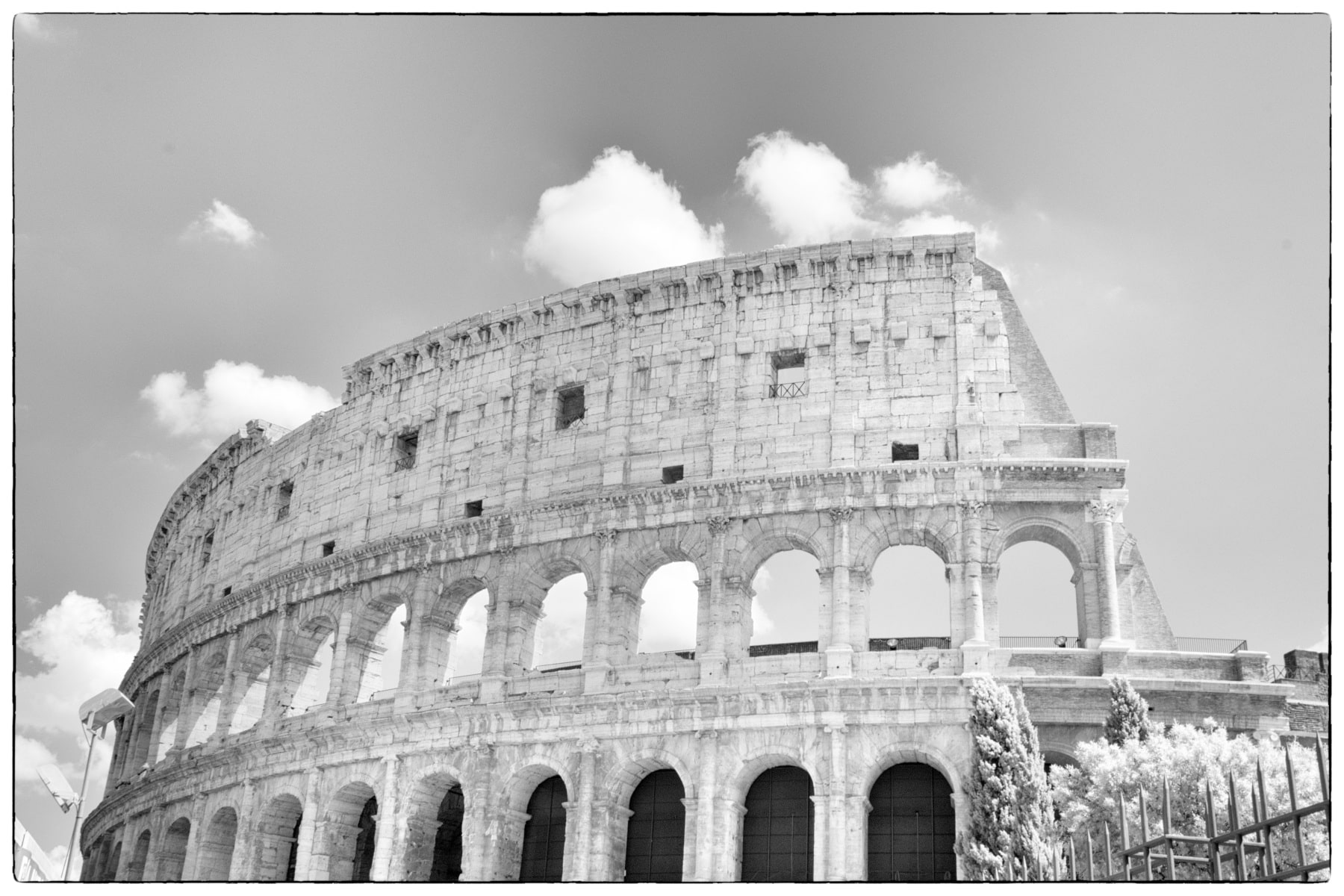

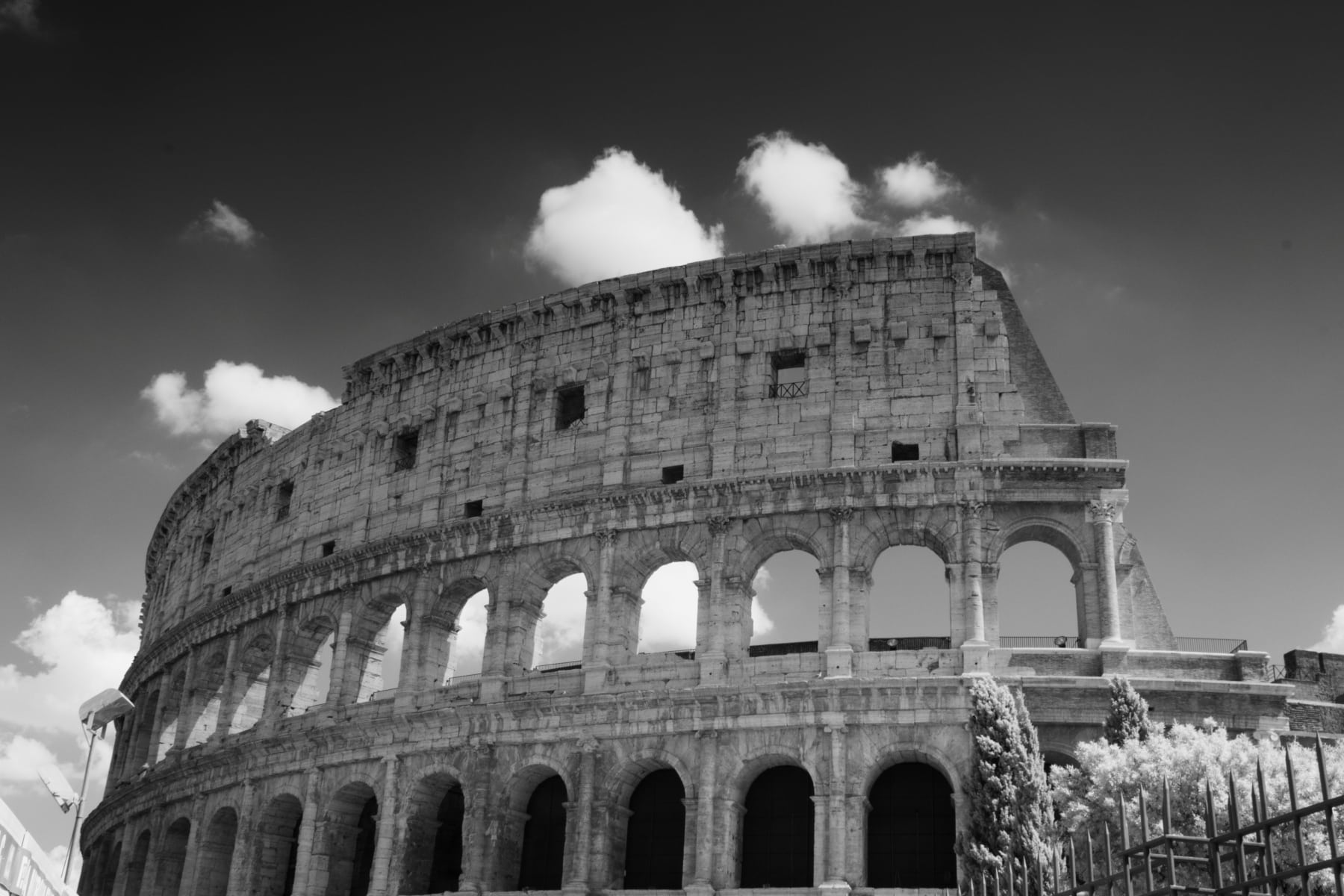


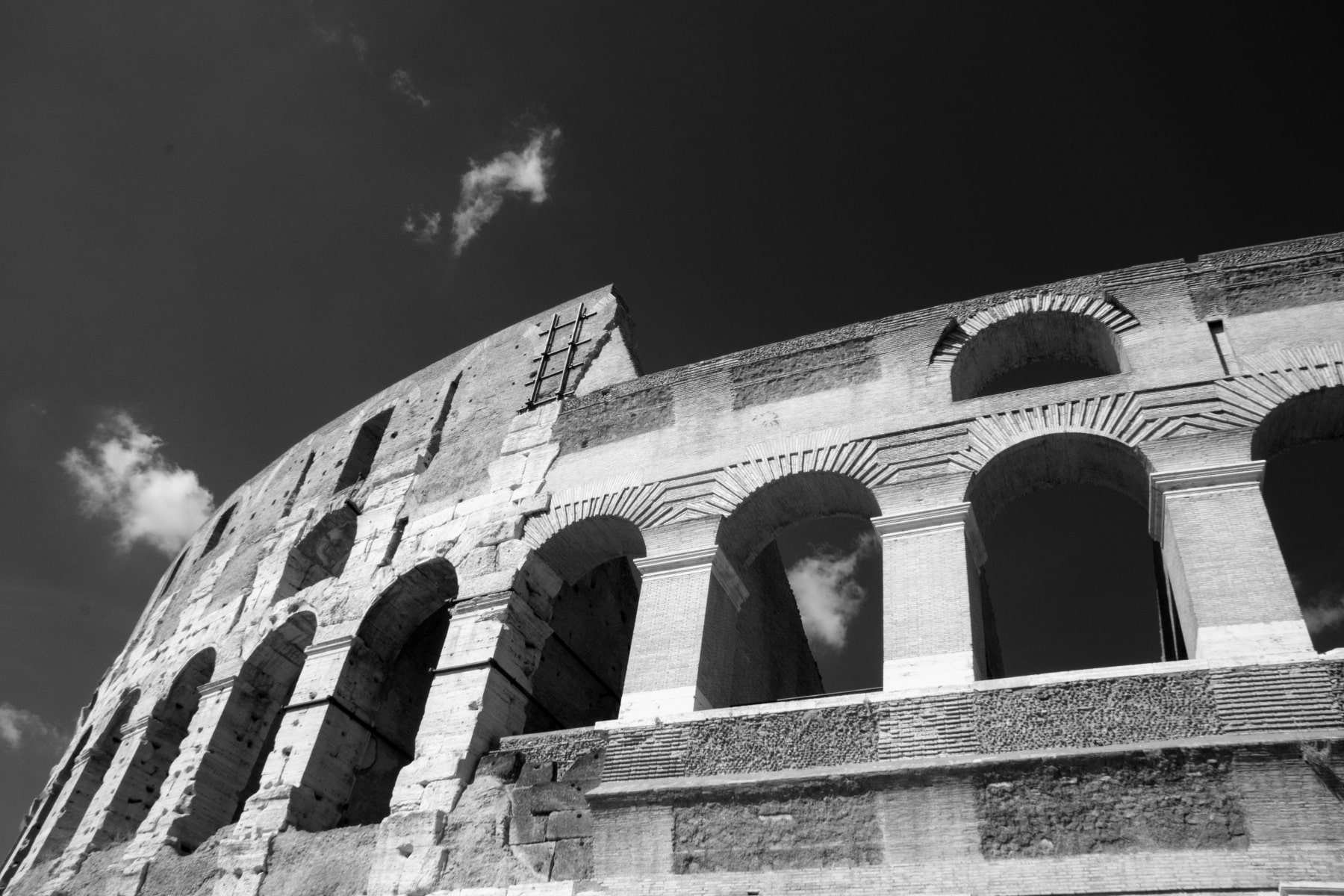
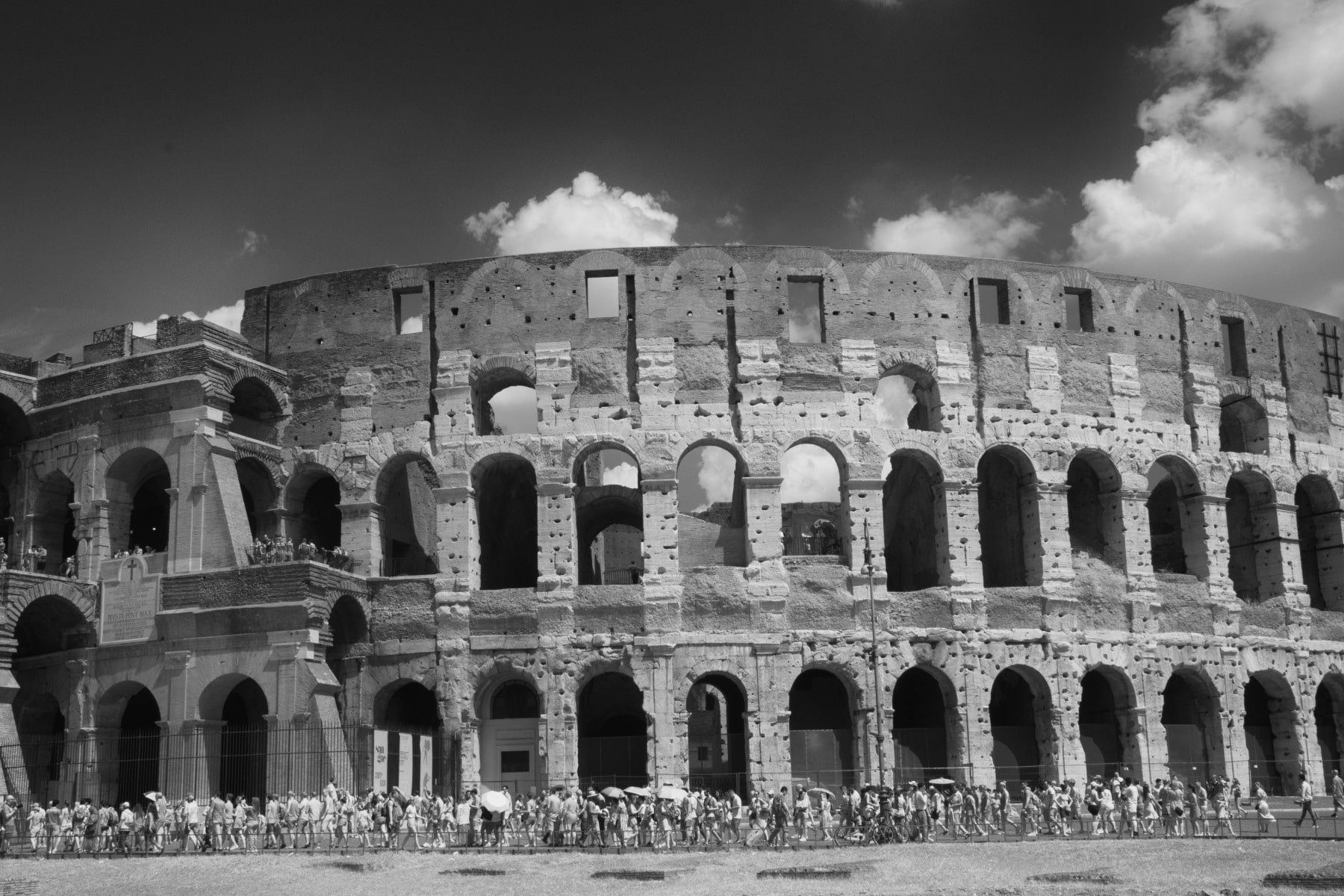

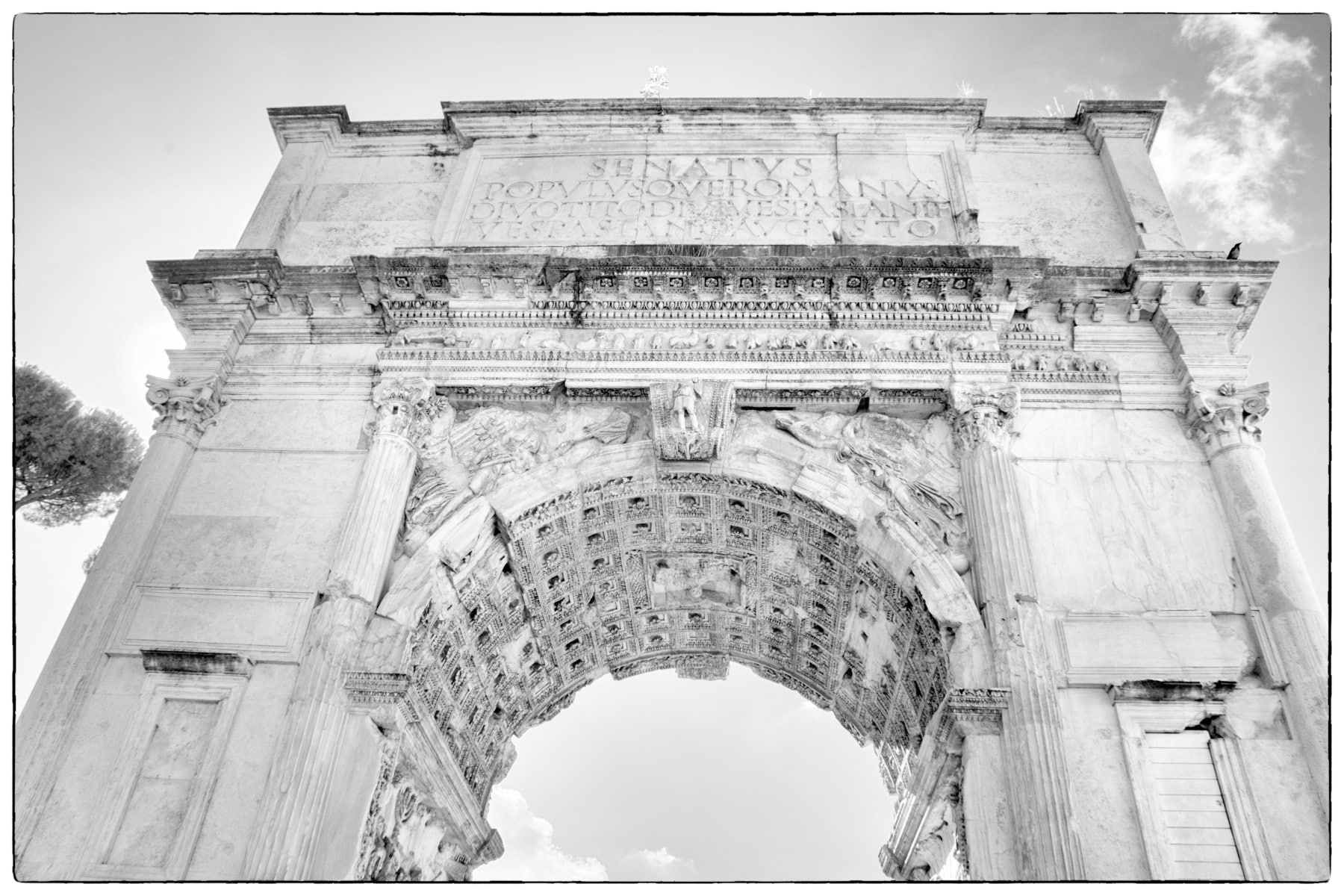
History of Rome
Early Foundations
Rome began as a small settlement beside the Tiber River. According to legend, Romulus founded the city in 753 BCE. He created early institutions. Moreover, later writers credited him with shaping Rome’s identity.
The city expanded quickly because of its strategic location. Trade routes encouraged steady growth. Additionally, nearby hills offered natural protection.
Soon, Etruscan kings ruled Rome. They introduced engineering, religion, and urban planning. Eventually, Romans overthrew the monarchy in 509 BCE.
Consequently, the Roman Republic emerged.
The Republic Expands
The Republic relied on elected magistrates and citizen assemblies. Patricians and plebeians struggled for political rights. However, plebeians gradually gained equality. Meanwhile, Rome expanded across Italy. Military victories strengthened its influence.
Then the Punic Wars reshaped Rome’s destiny. Carthage fell after long conflict. As a result, Rome dominated the Mediterranean. Wealth increased. Yet internal tensions also grew. Ambitious generals challenged the system. Julius Caesar rose rapidly. His power alarmed rivals. Eventually, civil war erupted. Caesar triumphed but died soon after. Therefore, the Republic collapsed.
The Imperial Age
Octavian defeated his rivals in 27 BCE. He became Augustus, Rome’s first emperor. His rule began the Pax Romana. Peace encouraged trade, culture, and monumental building. Furthermore, emperors expanded the empire from Britain to North Africa.
Rome reached over one million residents. Aqueducts, roads, and arenas showcased engineering skill. However, later emperors faced crises. Military anarchy weakened stability. Economic troubles increased. Eventually, Diocletian and Constantine introduced reforms. Christianity also gained official support. Nevertheless, pressures continued. In 476 CE, the Western Empire fell to Germanic forces. Consequently, Rome entered a long period of decline.
Medieval and Renaissance Revival
After the fall, Rome shrank dramatically. Repeated invasions reduced its population. Meanwhile, the Papacy gained influence. The city became a spiritual center.
Later, the Renaissance revived Rome’s cultural power. Artists and architects transformed churches and palaces. Consequently, Rome regained prestige across Europe.
Modern Rome
Rome joined the Kingdom of Italy in 1870. Soon, it became the national capital. Modernization reshaped streets and institutions. Additionally, archaeological work uncovered ancient sites. Today, Rome blends ancient ruins with vibrant urban life. Its layered history continues to inspire visitors worldwide.
If you like Rome Black and White Prints, you make also like
Venice Black and White Prints
Florence Black and White Prints
Santorini Black and White Prints
Mykonos Black and White Prints
Athens Black and White Prints
Showing all 3 results
-

Italy Black and White Prints
$350.00 (price_excluding_tax) Select options This product has multiple variants. The options may be chosen on the product page -
Italy Canvas Art Prints
$229.00 (price_excluding_tax) Select options This product has multiple variants. The options may be chosen on the product page -
Italy Framed Art Prints
$550.00 (price_excluding_tax) Select options This product has multiple variants. The options may be chosen on the product page


Showing all 3 results