Greece Fine Art Prints
Greece Fine Art Prints
by Jacqueline LaRocca

History of Greece
Ancient Greece began around 800 BCE and quickly evolved into a cradle of Western civilization. City-states like Athens and Sparta rose to prominence. Each developed distinct identities—Athens prioritized democracy and culture, while Sparta valued military strength and discipline.
Freedom
As trade expanded, Greek colonies spread across the Mediterranean. This fueled cultural exchange and economic prosperity. By the 5th century BCE, Athens led the Delian League, uniting many Greek city-states. Meanwhile, Persia threatened Greek independence. In response, Greek forces triumphed at Marathon and later at Salamis. These victories secured freedom and sparked Athens’ Golden Age.
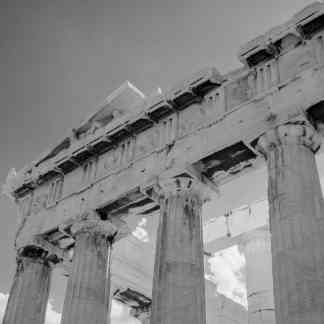
During this era, philosophy, art, and architecture flourished. Socrates questioned everything. Plato founded the Academy. Aristotle tutored Alexander the Great. Sculptors like Phidias shaped ideals of beauty, while architects built the Parthenon. Drama emerged as a cultural pillar, with playwrights like Sophocles and Euripides exploring fate and ethics.
Conflict and Conquest
However, power bred conflict. Athens and Sparta clashed in the Peloponnesian War. After decades of struggle, Sparta emerged victorious, but all of Greece suffered. The constant warfare weakened city-states and eroded unity. Macedonia, under King Philip II, seized the opportunity. He conquered Greece in the mid-4th century BCE.
Philip’s son, Alexander the Great, then launched an ambitious campaign. He toppled the Persian Empire and reached as far as India. Though his empire fractured after his death, Greek culture spread widely. This Hellenistic Age blended Greek, Egyptian, Persian, and Indian influences. Cities like Alexandria became centers of learning and innovation.
Roman Power
By the 2nd century BCE, Rome began absorbing Greek territories. Despite this, Greek culture deeply shaped Roman art, philosophy, and education. After Rome split in 395 CE, the eastern part became the Byzantine Empire. Its capital, Constantinople, preserved Greek traditions for centuries.
Ottoman Rule
In 1453, the Ottomans captured Constantinople. Greece then fell under Ottoman rule for nearly 400 years. Still, local communities preserved Greek identity through language, religion, and folk traditions. Eventually, inspired by European Enlightenment ideals, Greeks launched a war of independence in 1821. After years of struggle, they achieved autonomy in 1830.
19th & 20th Centuries
Greece modernized throughout the 19th and 20th centuries. It expanded its borders and joined international institutions. However, wars and political instability challenged its progress. By the late 20th century, Greece had established a stable democratic government.
Modern Times
Today, Greece remains proud of its legacy. Its ancient past continues to inspire scholars, artists, and travelers around the world. Despite modern challenges, the nation bridges past and present through resilience, creativity, and enduring cultural pride.
Geography of Greece
Greece sits at the southeastern edge of Europe, where the Balkans meet the Aegean Sea. Its location connects Europe and Asia. This strategic spot has shaped its trade, history, and culture for millennia.
Mountains
Mountains dominate the Greek landscape. Roughly 80% of the country consists of rugged hills and highlands. The Pindus Mountains run through the mainland, creating deep gorges and scenic valleys. In fact, Mount Olympus, the tallest peak, rises over 9,500 feet and once housed the gods of myth.
Coastline
Meanwhile, coastlines stretch along the Aegean, Ionian, and Mediterranean Seas. These waters have always shaped Greek life. Fishing, trade, and naval power grew from this marine geography. Countless bays and natural harbors support commerce and tourism today.
Islands
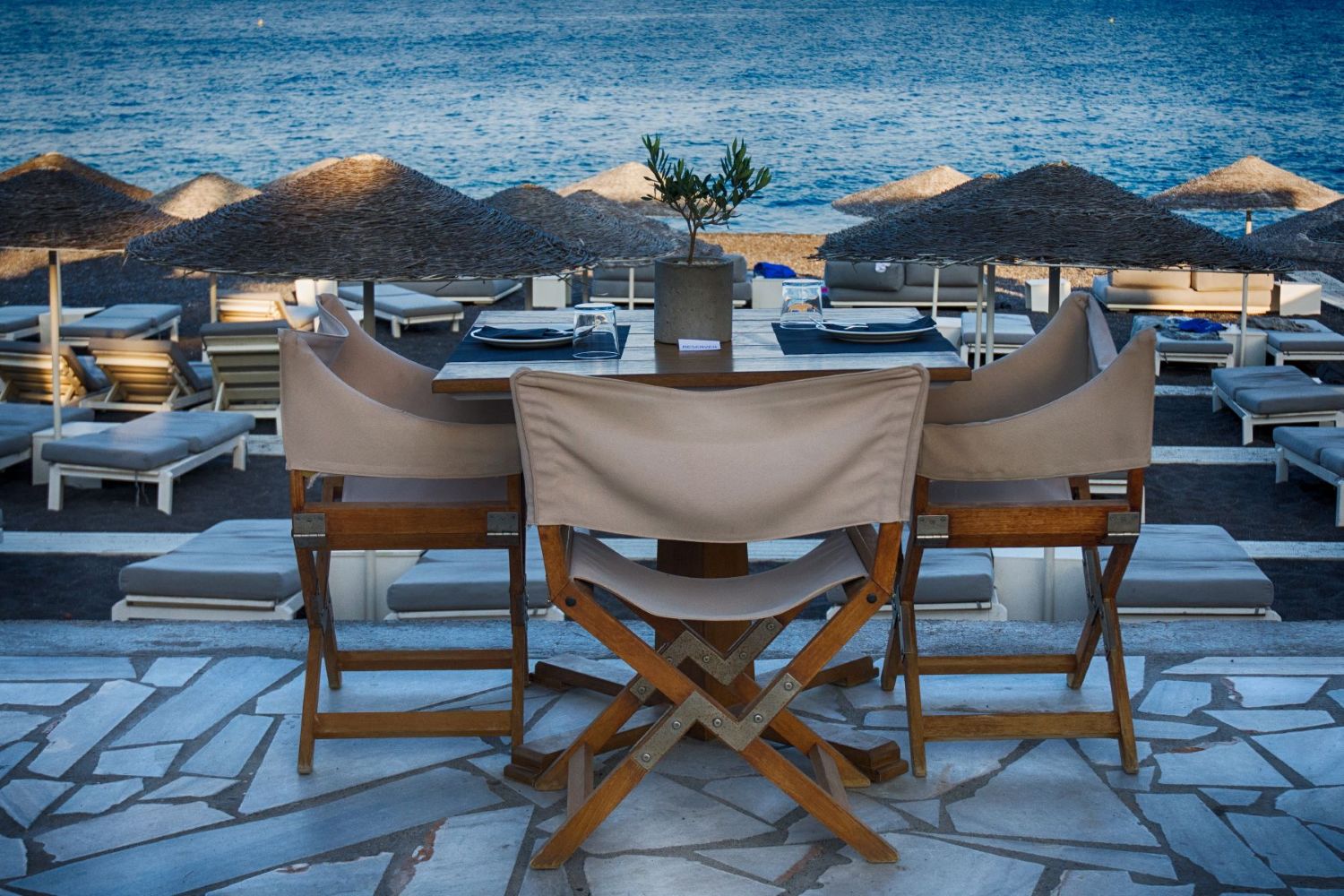
Additionally, Greece includes thousands of islands—most famously Crete, Rhodes, and the Cyclades. These islands vary in size and culture but all share sunny skies and rocky terrain. In summer, dry winds from the north cool the islands, while winter brings rain.
Rivers
Rivers in Greece remain short and seasonal. Still, they carve fertile plains that support agriculture, especially in Thessaly and Macedonia. Olive groves, vineyards, and citrus orchards thrive across these lowlands. Moreover, volcanic soil on some islands, like Santorini, adds agricultural richness.
Earthquakes
Despite frequent earthquakes, Greece embraces its dynamic geology. Volcanic activity, especially in the Aegean, shaped many islands’ rugged features. Santorini’s caldera, for example, draws countless geologists and tourists alike.
Climate
Because of its varied terrain, Greece’s climate also shifts by region. Coastal areas enjoy Mediterranean warmth, while mountains often see snow. Rainfall patterns vary widely—wet winters contrast with scorching dry summers.
Conclusion
Overall, Greece’s geography combines beauty, variety, and complexity. It fosters distinct regional identities while uniting them under shared seas, sunlit mountains, and rich traditions passed through generations.
If you like Greece Fine Art Prints, you may also like
Showing all 4 resultsSorted by latest
-

Athens Fine Art Photos
$350.00 (price_excluding_tax) Select options This product has multiple variants. The options may be chosen on the product page -
Santorini Greece Color Photos
Price range: $190.00 through $550.00 (price_excluding_tax) Select options This product has multiple variants. The options may be chosen on the product page -
Santorini Black & White Photos
$550.00 (price_excluding_tax) Select options This product has multiple variants. The options may be chosen on the product page -
Mykonos Black & White Photos
$550.00 (price_excluding_tax) Select options This product has multiple variants. The options may be chosen on the product page


Showing all 4 resultsSorted by latest