Mykonos, Greece
Mykonos, Greece
Fine Art Photography by Jacqueline LaRocca

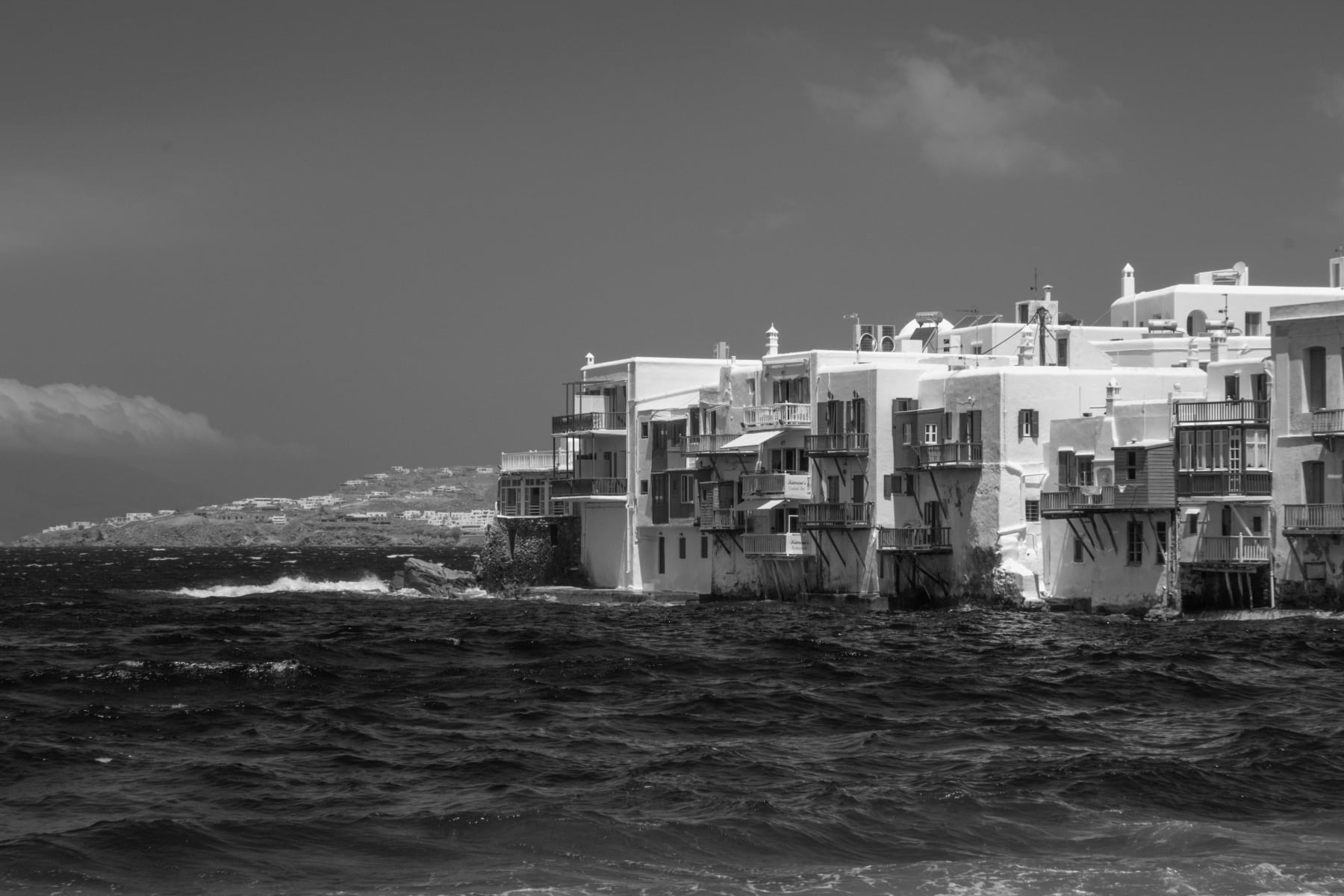
Geography:
Mykonos, a gem in the Aegean Sea, is part of the Cyclades archipelago. This island, known for its stunning landscapes, features a mix of rocky terrain and sandy beaches. The island’s highest point, Profitis Ilias, rises to 341 meters, offering panoramic views. Also, Mykonos’s coastline is dotted with picturesque bays and coves, making it a haven for beach lovers.
History:
Historically, Mykonos has a rich tapestry woven from various civilizations. Initially inhabited by the Carians, it later saw the arrival of the Ionians from Athens around the 11th century BC. The island’s proximity to Delos, a significant religious center, made it an essential stop for pilgrims and traders.
During the Roman and Byzantine periods, Mykonos continued to thrive, benefiting from its strategic location. The Venetians and Ottomans also left their mark, contributing to the island’s diverse architectural heritage.
Modern Times:
In modern times, Mykonos has transformed into a cosmopolitan hotspot. Its charming capital, Chora, is a labyrinth of narrow streets lined with whitewashed houses, vibrant bougainvillea, and iconic windmills. The island’s nightlife is legendary, attracting celebrities and travelers from around the globe. Additionally, Mykonos seamlessly blends traditional Greek culture with contemporary influences, creating a unique atmosphere.
Culture:
Culturally, Mykonos is a vibrant mosaic. The island celebrates numerous festivals, reflecting its deep-rooted traditions. The Feast of Panagia Tourliani and the Mykonos Biennale are notable events that showcase local art, music, and dance. Additionally, the island’s culinary scene is a delightful fusion of flavors. Traditional dishes like kopanisti, a spicy cheese spread, and louza, a cured pork delicacy, tantalize the taste buds.
Architecture:
Mykonos’s cultural heritage is also evident in its architecture. The island’s churches, such as Panagia Paraportiani, are architectural marvels. The Archaeological Museum and the Folklore Museum offer glimpses into Mykonos’s storied past, housing artifacts that span millennia. Moreover, the island’s vibrant art scene is reflected in numerous galleries and exhibitions, showcasing both local and international artists.
Conclusion:
To begin with, Mykonos blends beauty, history, and culture. Moreover, the island’s views are stunning. In addition, its past is rich. Furthermore, its traditions are lively. Because of this, Mykonos attracts travelers from everywhere. For example, you can explore ancient ruins. Then, you can relax on clean beaches. After that, you can enjoy the vibrant nightlife. In the end, Mykonos leaves a lasting impression.
Showing all 3 results
-

Greece Black and White Prints
$350.00 (price_excluding_tax) Select options This product has multiple variants. The options may be chosen on the product page -
Greece Canvas Art Prints
$229.00 (price_excluding_tax) Select options This product has multiple variants. The options may be chosen on the product page -

Greece Framed Art Prints
$550.00 (price_excluding_tax) Select options This product has multiple variants. The options may be chosen on the product page
Showing all 3 results